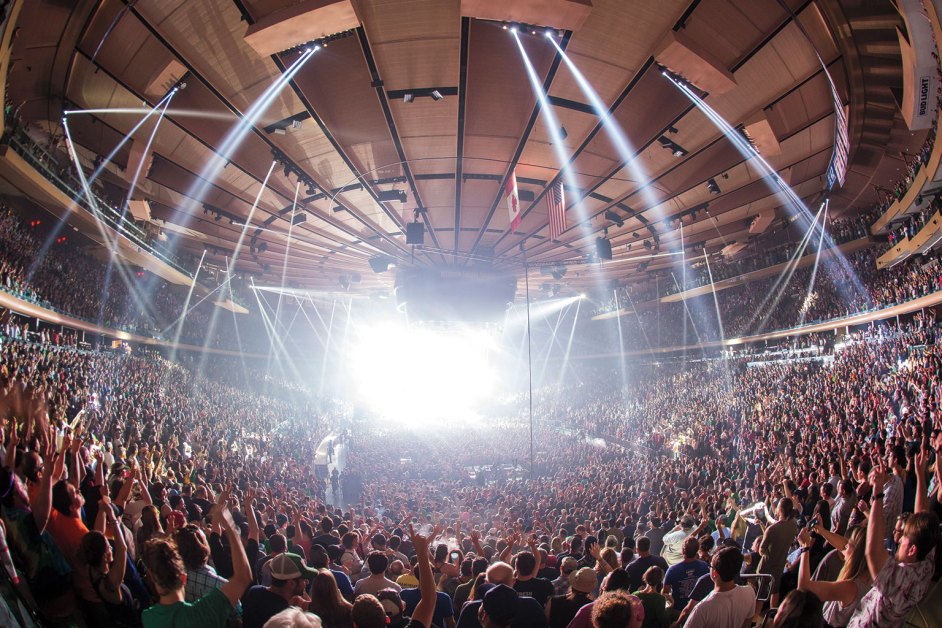
Have you ever wondered just how many people can fill Madison Square Garden? Whether you’re planning to attend a concert, a thrilling sports event, or a mesmerizing show, understanding the capacity of this iconic venue can enhance your experience.
Imagine the electric energy of thousands of fans gathered in one place, all sharing the same excitement and passion. It’s this shared anticipation that makes events at Madison Square Garden unforgettable. As you delve deeper into this article, you’ll uncover fascinating facts about its capacity, historical moments, and what makes it a magnet for some of the world’s biggest events.
Stick with us to discover why this legendary arena holds a special place in the hearts of so many.
Historical Background
Madison Square Garden, often referred to as “The Garden,” is a name synonymous with entertainment and sports excellence. With its rich history, it has evolved into an iconic venue that hosts countless events, drawing in vast audiences from all over the world. Understanding its historical background not only enhances appreciation for its current stature but also provides insights into how it became such an influential space.
Origins Of Madison Square Garden
Madison Square Garden has had several incarnations since its inception. The original venue was built in 1879 at Madison Avenue and 26th Street. It was primarily a circus arena, a far cry from the diverse events it hosts today.
Its early days were marked by a mix of entertainment options, from circus performances to boxing matches, setting the stage for what it would become.
Transformation Over Time
By the early 20th century, Madison Square Garden moved locations and underwent significant changes. It adapted to the growing demand for larger seating capacity and modern amenities.
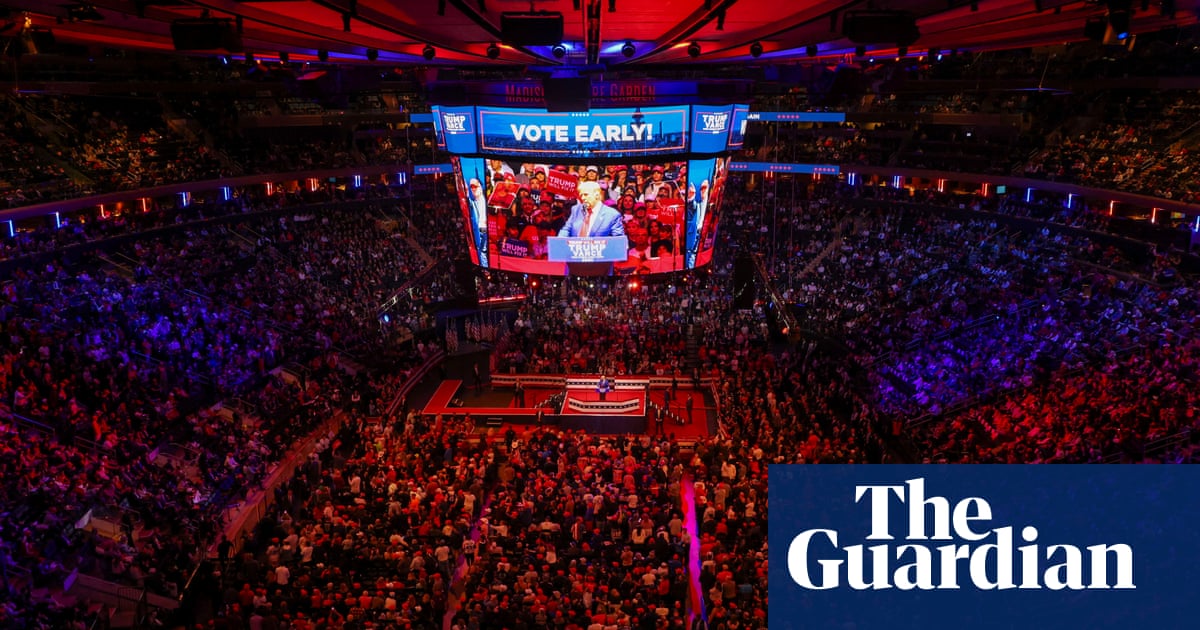
This transformation was essential in making it a premier venue for a wide range of events, including concerts, sports, and political rallies.
Significant Events That Shaped Its Legacy
Many legendary moments have occurred at Madison Square Garden, contributing to its storied history. From hosting historic fights like the Joe Louis vs. Max Schmeling bout to unforgettable concerts by artists like Elvis Presley, each event added to its allure.
Every significant event contributed to the Garden’s reputation as a must-visit location, drawing people from across the globe.
Cultural Impact And Legacy
Madison Square Garden’s impact isn’t confined to just sports and entertainment. It has been a cultural hub, influencing trends and fostering a sense of community among New Yorkers and visitors alike.
Its legacy continues to grow, serving as a testament to its adaptability and resilience through changing times.
As you explore Madison Square Garden’s history, consider how its past shapes your experience today. What does its evolution mean to you as a visitor or a fan? Understanding this background enriches your connection to this iconic venue.
Architectural Design
Madison Square Garden, a marvel of architectural design, accommodates around 20,000 people for concerts. This iconic venue hosts sports events with a seating capacity of approximately 18,000.
Madison Square Garden is not just a venue—it’s an architectural marvel that captures the imagination of millions. Its design is a testament to the innovation and vision that have made it a world-renowned landmark. Every element of its construction is thoughtfully crafted to optimize both capacity and experience, ensuring that every event held there is nothing short of spectacular.Seating Capacity And Layout
The design of Madison Square Garden accommodates approximately 20,000 spectators. This is achieved through a smart use of space that includes tiered seating and multiple levels. The layout ensures an unobstructed view for everyone, making the experience unforgettable.Innovative Use Of Space
One of the architectural highlights is the efficient use of available space. The arena is built with retractable seating to adapt to various event types. This flexibility allows for different configurations, whether it’s a sports event or a concert, maximizing audience capacity without compromising comfort.Acoustic Engineering
Acoustics are a critical element of the Garden’s design. Sound engineers have meticulously planned the arena to enhance auditory experiences. Special materials and structures are used to deliver crisp, clear sound to every seat, making concerts and performances a treat for the ears.Structural Marvels
The roof of Madison Square Garden is a structural wonder. It’s designed to withstand harsh weather while providing optimal lighting and sound insulation. This ensures that events can proceed without disruption, regardless of external conditions.Access And Amenities
Ease of access is a priority in the Garden’s design. Multiple entry points and well-planned corridors facilitate smooth crowd movement. Additionally, amenities such as restaurants and lounges are strategically placed, enhancing the overall visitor experience. Each of these elements contributes to the Garden’s ability to host a diverse range of events with efficiency and flair. Next time you attend an event there, take a moment to appreciate the architectural ingenuity that surrounds you. Does this attention to design detail make your experience more memorable?Seating Arrangements
Madison Square Garden seats around 20,000 people for events. This iconic venue hosts concerts, sports, and shows. Its seating arrangements ensure everyone enjoys a great view.
Madison Square Garden, a legendary venue, captivates audiences with its diverse events. Its seating arrangements play a crucial role in accommodating thousands of enthusiastic fans. Understanding these arrangements offers insight into the venue’s capacity.General Seating
Madison Square Garden offers various options for general seating. These seats are spread across different levels, such as the lower and upper bowls. They provide good views of the stage or playing area. Fans in general seating enjoy the electrifying atmosphere. Each section varies in seat count, impacting the total capacity.Premium Sections
Premium sections offer an elevated experience with luxury seating. These areas include suites, club seats, and VIP boxes. Patrons enjoy exclusive amenities and excellent views. Premium sections often have fewer seats but deliver more comfort. They enhance the overall experience with perks like private entrances.Standing Room
Standing room provides flexibility in accommodating more attendees. This option allows fans to move freely and enjoy the event. Standing areas usually have a higher capacity than seated sections. They are popular during concerts and lively events. This arrangement maximizes space while maintaining safety standards.Event Configurations
Madison Square Garden seats approximately 20,000 people for concerts. Different events may have varied seating arrangements. Sports games, for instance, might accommodate fewer due to different configurations.
Madison Square Garden, known as “The World’s Most Famous Arena,” hosts a variety of events. Each event transforms the venue to accommodate different crowd sizes and experiences. The arena’s flexible design allows it to cater to diverse needs. This adaptability ensures every event meets its unique demands, offering an unforgettable experience for attendees.Sports Events
Sports events draw large crowds to Madison Square Garden. For basketball games, the seating capacity is around 19,000. Hockey games accommodate slightly fewer fans, with a capacity near 18,000. The seating arrangements ensure optimal views of the action. Fans enjoy a thrilling atmosphere as they cheer on their favorite teams. The arena’s design enhances the excitement of each game.Concerts
Concerts at Madison Square Garden are a grand spectacle. Depending on the stage setup, concerts can host up to 20,000 fans. The arena adjusts seating to suit the artist’s performance style. Some concerts use a center stage, offering 360-degree views. Others have a more traditional layout, with a stage at one end. This flexibility creates memorable experiences for music lovers.Special Events
Madison Square Garden hosts diverse special events. These include award shows, conventions, and family entertainment. The arena’s seating configuration adapts to the event’s requirements. For intimate gatherings, the venue might limit seating to create a cozy atmosphere. Larger events, like conventions, utilize the full seating capacity. Each setup maximizes attendee engagement, ensuring every event is special.Capacity Challenges
Madison Square Garden can host up to 20,000 people for concerts and 19,000 for sporting events. This iconic venue faces capacity challenges during major events, often reaching full occupancy quickly, showcasing its popularity and demand.
Madison Square Garden, known for hosting a myriad of events, faces unique capacity challenges. With a seating capacity of approximately 20,000, the venue must balance the excitement of large crowds with practical considerations. How does this iconic arena navigate these challenges while ensuring a seamless experience for everyone involved? Let’s delve into the core aspects that shape these decisions.Safety Regulations
Safety is paramount, especially in a venue packed with thousands of eager fans. Madison Square Garden adheres to stringent safety regulations to protect its guests. Fire codes dictate the maximum number of people allowed, ensuring everyone can exit quickly in an emergency. Additionally, crowd control measures are implemented to prevent overcrowding. Have you ever wondered how they manage to keep the flow smooth during a sold-out concert? Strategic placement of ushers and signage play a crucial role.Accessibility Considerations
Accessibility is not just a legal requirement; it’s a moral imperative. Madison Square Garden strives to be inclusive by offering features that accommodate all attendees. Wheelchair-accessible seats are dispersed throughout the arena, ensuring those with mobility challenges can enjoy the show without hindrance. Elevators and ramps are strategically located to ease movement. But how often do you notice these facilities when you’re caught up in the thrill of an event? The arena’s commitment to providing a welcoming environment for everyone is evident in its infrastructure planning. This attention to detail enhances the experience for all visitors, making Madison Square Garden not just a venue but a community space.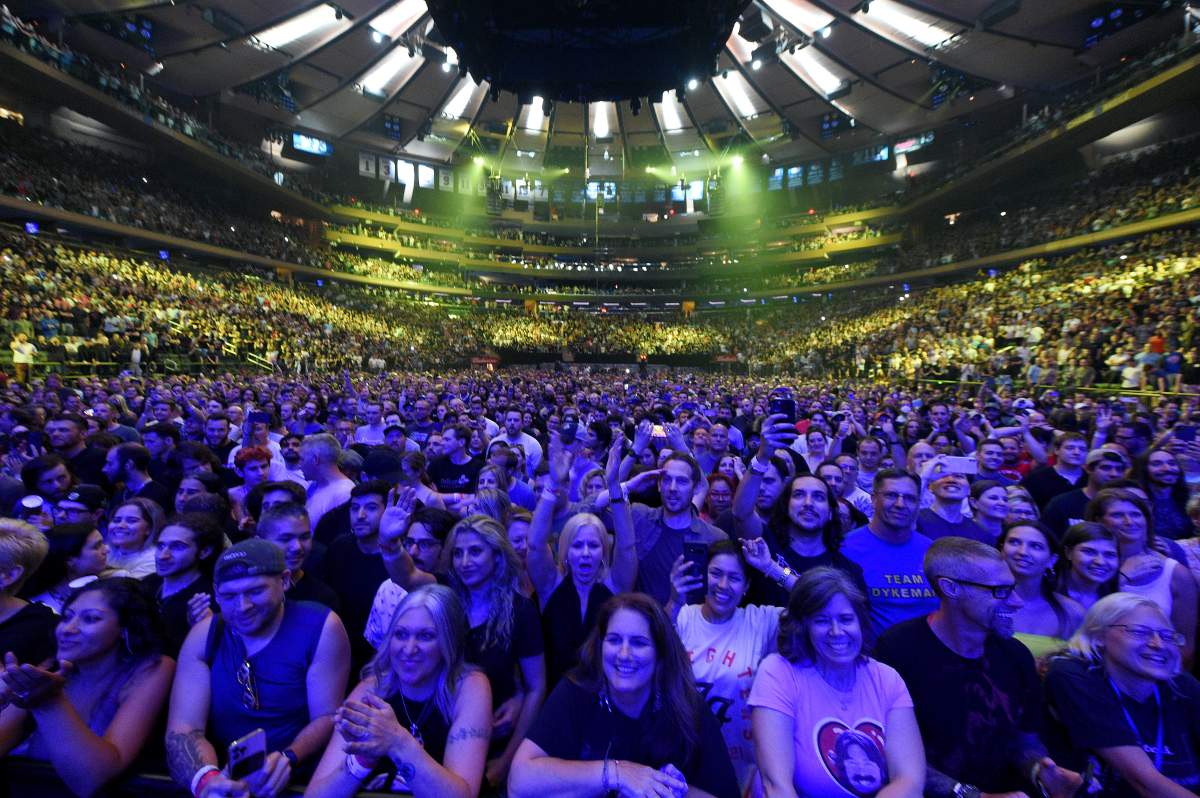
Credit: globalnews.ca
Technological Enhancements
Madison Square Garden can hold over 20,000 people during events. Technological advancements help manage crowds efficiently. Enhanced systems ensure seamless ticketing and entry, making the experience enjoyable for everyone.
Technological enhancements have transformed how people experience events at Madison Square Garden. These innovations help fill the iconic venue and provide new ways to enjoy live events. Whether attending in person or virtually, technology plays a crucial role.Digital Ticketing
Digital ticketing streamlines the entry process at Madison Square Garden. No more worrying about losing paper tickets. Attendees receive their tickets via email or app. Scanning is quick and secure, reducing wait times. This system also helps track attendance accurately.Virtual Attendance
Virtual attendance offers a new way to experience Madison Square Garden events. Fans can watch live streams from anywhere in the world. This option expands the audience beyond physical limits. Virtual reality adds an immersive layer, making you feel part of the crowd.Future Developments
Madison Square Garden can hold up to 20,000 people for events. Future developments might increase its capacity to accommodate more attendees. This could enhance its status as a premier venue for large-scale events.
Madison Square Garden is a legendary venue. It has hosted countless events over the years. The future holds exciting possibilities for this iconic arena. Developments aim to enhance the experience for both performers and audiences.Technological Advancements
Future developments may focus on technology upgrades. These could include state-of-the-art sound systems. Enhanced lighting will create a more immersive experience. Interactive screens might offer real-time stats during sports events. This could make the experience more engaging for fans.Increased Capacity
Adjustments may increase seating capacity. This will allow more fans to enjoy events live. Improved seating arrangements could enhance comfort. This change aims to accommodate more diverse events. From concerts to sports, everyone could benefit.Sustainability Initiatives
Sustainability is a key focus for future plans. Eco-friendly practices may be implemented. This could include energy-efficient lighting. Waste reduction initiatives might be introduced. These steps will make the venue greener.Enhanced Guest Amenities
Future developments may improve guest amenities. This could involve better dining options. More diverse food choices would cater to all tastes. Enhanced restroom facilities might increase comfort. Such changes aim to improve the overall experience.Accessibility Improvements
Future plans may focus on accessibility. Enhanced entry points could ease crowd flow. Better seating options for disabled guests might be introduced. These changes aim to make events more inclusive. Everyone deserves to enjoy the Madison Square Garden experience.
Credit: x.com
Credit: www.theguardian.com
Frequently Asked Questions
How Many People Can Fit Into Madison Square Garden?
Madison Square Garden can accommodate around 20,000 people for concerts. Seating varies for different events like sports. Basketball games can host up to 19,812 fans. For hockey games, it fits around 18,006 people. The venue is versatile and adjusts seating arrangements based on the event type.
Who Has Sold Out Madison Square Garden The Most?
Billy Joel has sold out Madison Square Garden the most times. He holds the record with over 70 consecutive sold-out shows. His residency at the venue began in 2014, setting a new standard for live performances there. Fans continue to flock to his iconic concerts.
How Many People Fill Madison Square?
Madison Square Garden seats approximately 20,000 people for concerts and around 18,200 for basketball games. Capacity varies with event type.
Has Jay Z Ever Sold Out Madison Square Garden?
Yes, Jay Z has sold out Madison Square Garden multiple times. His concerts at this iconic venue are legendary, showcasing his immense popularity and talent. Fans flock to see his electrifying performances, making each show a memorable event. Jay Z’s successful sales reflect his significant impact on the music industry.
Conclusion
Madison Square Garden hosts diverse events, attracting thousands of attendees. Its capacity is around 20,000 people. This venue is a popular choice for concerts, sports, and shows. Visitors enjoy memorable experiences in this iconic setting. Understanding its size helps plan visits and events.
Whether attending a concert or sports game, knowing the crowd size is useful. This information aids in managing expectations and planning trips. Madison Square Garden is a symbol of vibrant entertainment in New York. Its size contributes to its unique atmosphere and appeal.
So, plan your visit and enjoy the excitement it offers.


