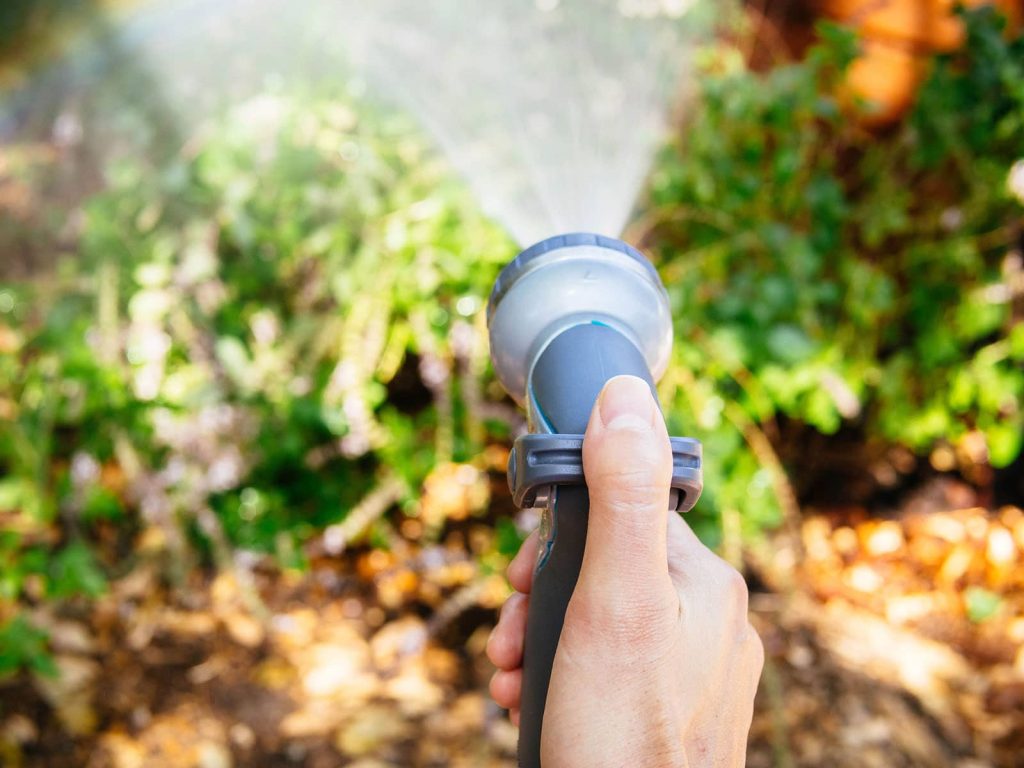
Are you frustrated by the guessing game of how long to water your garden with a hose? You’re not alone.
Many gardeners struggle to find the right balance between overwatering and underwatering. The secret to a thriving garden lies in knowing just how much hydration it needs. Imagine the peace of mind you’ll feel when you see your plants flourishing, all thanks to a simple adjustment in your watering routine.
We’ll unravel the mystery, providing you with practical tips and a clear understanding of how to give your garden just the right amount of water. Dive in to discover how you can transform your garden into a lush paradise with a few easy changes.
Factors Affecting Watering Duration
Watering your garden with a hose might seem straightforward, but how long you should do it depends on various factors. Understanding these factors can help ensure your plants thrive and conserve water at the same time. Let’s explore some of the key elements that influence watering duration.
Soil Type
Different soils absorb and retain water differently. Sandy soil drains quickly, requiring more frequent watering sessions. Clay soil retains moisture longer, reducing the need for frequent watering. You might notice that loamy soil is the most balanced, holding moisture well while still draining efficiently. Consider testing your soil type to tailor your watering schedule effectively.
Plant Species
Not all plants have the same thirst. Succulents need less water compared to lush vegetables or flowering plants. Some plants might need deep watering to reach their roots, while others thrive with a light sprinkle. Understanding the specific needs of your plant species can make a big difference in how long you water them.
Climate And Weather Conditions
Your local climate plays a crucial role in watering duration. In hot, dry regions, gardens may need more frequent and longer watering sessions. Conversely, cooler climates or rainy seasons could reduce the need for extra watering. Keep an eye on weather forecasts to adjust your watering schedule accordingly.
Garden Size
The larger your garden, the longer it may take to water all areas thoroughly. Smaller gardens require less time but might need more attention to avoid overwatering. Consider using a timer to track how much time you spend watering each section, ensuring every plant receives adequate moisture.
By thinking about these factors, you can optimize your watering routine to better suit your garden’s needs. Are there any other unique aspects of your garden that influence how you water? Share your experiences and let’s learn from each other!
Optimal Watering Techniques
Watering your garden is more than just turning on the hose and soaking the soil. The key to thriving plants lies in mastering optimal watering techniques. This involves understanding the balance between frequency and volume, ensuring your garden receives the right amount of water without waste. Let’s explore some practical tips to achieve this balance.
Even Distribution
Imagine your garden as a canvas; each plant deserves equal attention. To achieve even distribution, use a spray nozzle with adjustable settings. This allows you to tailor the water flow to suit different plant needs and soil types. Consistent watering ensures that every corner of your garden gets its fair share.
Consider using a hose timer to automate watering durations. This helps maintain consistency and prevents overwatering. Remember, uneven watering can lead to patchy growth and dry spots.
Deep Watering
Deep watering encourages roots to grow deeper, making plants more resilient during dry spells. Instead of frequent, shallow watering, focus on soaking the soil deeply. This method supports strong root systems and healthier plants.
One effective technique is watering in cycles. Water the garden for a few minutes, let it soak in, and then repeat. This approach allows the water to penetrate deeper into the soil rather than just pooling on the surface.
Avoiding Runoff
Water runoff not only wastes precious resources but also erodes the soil. Avoid this by adjusting the water flow to low pressure. A gentle spray minimizes runoff and ensures water absorption.
Observe the soil’s behavior as you water. If you notice water pooling or streaming away, pause and let it soak in before continuing. This small adjustment can make a significant difference in water efficiency.
Have you ever wondered how much water your garden truly needs? Every garden is unique, so it’s essential to adapt techniques to fit your specific landscape. With these insights, you can transform your watering routine into a sustainable practice that nourishes your garden effectively.
Tools And Equipment
Understanding how long to water your garden with a hose depends on plant needs and soil type. Generally, aim for a deep soak to reach the roots, typically around 30 minutes. Adjust based on weather and specific plant requirements for optimal growth.
Watering your garden efficiently is more than just turning on the hose and letting it run. The right tools and equipment can make a significant difference in how well your garden thrives. Whether you’re a seasoned gardener or just starting, understanding your options for hoses, nozzles, sprinklers, and timers can enhance your gardening experience.Types Of Hoses
Choosing the right type of hose is crucial for effective watering. – Standard Vinyl Hoses: These are lightweight and affordable, ideal for small gardens or occasional use. However, they may not withstand high pressure well. – Rubber Hoses: More durable than vinyl, rubber hoses are perfect for heavy-duty use. They can handle high temperatures and resist kinks better. – Expandable Hoses: These are compact and expand when filled with water. They’re easy to store and manage but might not be suitable for high-pressure tasks. Consider your garden size and water pressure needs when selecting a hose. An expandable hose might save space, but a rubber hose could be your best friend for a large garden.Nozzles And Sprinklers
Nozzles and sprinklers play a key role in water distribution. – Adjustable Nozzles: Offer flexibility with different spray patterns, from mist to jet. They’re perfect for watering a variety of plants with different needs. – Oscillating Sprinklers: Great for rectangular gardens, they cover a wide area evenly. However, they may not be effective for gardens with irregular shapes. – Rotary Sprinklers: These provide circular coverage and are suitable for medium to large gardens. They’re efficient for even distribution but may require adjustment for optimal performance. Think about the layout of your garden. An oscillating sprinkler might be perfect for a lawn, while an adjustable nozzle can cater to specific plant needs.Timers And Automation
Incorporating timers and automation can save you time and water. – Mechanical Timers: Simple and cost-effective, they allow you to set watering duration manually. They’re easy to use but might need frequent adjustments. – Digital Timers: Offer more precise control with programmable schedules. They’re ideal for busy gardeners who want to automate their watering routine. – Smart Irrigation Systems: Connect to your smartphone and adjust based on weather conditions. They provide ultimate convenience but require a higher initial investment. Consider how much time you want to spend managing your garden. A smart system might be an investment upfront, but it can lead to water savings and a healthier garden over time. What tools do you think would transform your watering routine? Investing in the right equipment not only streamlines your gardening tasks but also ensures your plants receive the care they deserve.
Credit: swanhose.com
Signs Of Overwatering And Underwatering
Maintaining the right watering balance is crucial for a thriving garden. Overwatering and underwatering both affect plant health. Knowing the signs helps ensure your plants get just the right amount of water.
Symptoms In Plants
Plants show clear signs when they receive too much or too little water. Overwatered plants often have yellowing leaves, soft stems, and root rot. These plants may look wilted despite being wet. Underwatered plants display dry, crispy leaves. They might droop or struggle to grow. Watch for brown leaf tips and slowed growth.
Soil Moisture Indicators
Soil tells a lot about watering needs. Overwatered soil is consistently wet, sticky, and may smell sour. This prevents roots from getting oxygen. Underwatered soil is dry and crumbly. It pulls away from container edges. Test soil moisture by sticking a finger an inch deep. It should be slightly moist, not soaked or bone dry.
Timing Your Watering Sessions
Watering your garden with a hose requires timing for optimal hydration. Aim for 30 minutes per session, ensuring soil absorbs moisture. Adjust duration based on climate and soil type for best results.
Timing your watering sessions can make a huge difference in the health and vitality of your garden. It’s not just about how long you water, but also when you do it. Understanding the best times to water and making adjustments for the seasons can help maximize the benefits of your efforts.Best Time Of Day
Early morning is often the best time to water your garden. The cooler temperatures allow the soil to absorb water more efficiently, reducing evaporation. Watering in the morning also ensures that plants have enough moisture to withstand the heat of the day. Evening watering can be an option, but it comes with risks. Water left on leaves overnight can promote fungal growth. If you choose to water in the evening, try to do it early enough that the foliage dries before nightfall.Seasonal Adjustments
Your watering schedule should adapt with the changing seasons. In the hot summer months, you may need to water more frequently, as higher temperatures increase evaporation rates. Consider watering every day or every other day depending on your climate and soil type. In contrast, during spring and autumn, less frequent watering may suffice. Plants generally require less water as temperatures cool down, and rainfall can supplement your efforts. Winter brings a unique challenge. If you live in a region where the ground freezes, watering might be unnecessary. However, in milder climates, occasional watering may still be needed to prevent root dehydration. By paying attention to these details, you can create a more effective and efficient watering routine. What changes can you make to improve your garden’s watering schedule today?Environmental Considerations
Watering your garden efficiently involves understanding environmental impacts. Every drop counts in maintaining a healthy ecosystem. Thoughtful watering practices can significantly benefit your garden and the planet. Explore ways to water wisely, respecting nature and regulations.
Water Conservation Practices
Water conservation is vital for sustainable gardening. Use a nozzle with a shut-off valve. This prevents wastage during transitions between plants. Opt for early morning or late afternoon watering. This reduces evaporation loss. Consider drip irrigation systems. They deliver water directly to roots, minimizing surface runoff.
Choose native plants that require less water. Mulching helps retain soil moisture. It also suppresses weeds. Collect rainwater in barrels for garden use. This method provides a free and eco-friendly water source. Regularly check hoses for leaks. This ensures efficient water usage.
Local Water Restrictions
Be aware of local water restrictions. Many areas impose limits during droughts. These rules are essential for community water management. Check with local authorities for specific guidelines. Adjust your watering schedule accordingly. Compliance avoids penalties and supports communal efforts.
Understand the watering days and times allowed. Some regions restrict watering to certain days. This helps manage supply during dry periods. Use water-efficient appliances and tools. These comply with restrictions while keeping your garden thriving.
Expert Tips For Efficient Watering
Efficient watering is crucial for a thriving garden. Knowing how long to water with a hose can save time and resources. Here are some expert tips for achieving optimal moisture levels in your garden.
Scheduling Tips
Water your garden early in the morning. This helps reduce evaporation. Aim for around 6 to 9 AM. Evening watering may lead to fungal diseases. Water deeply but infrequently. This encourages roots to grow deeper. Check soil moisture before watering again. A simple finger test can guide you. If soil feels dry an inch below, it’s time to water.
Using Mulch For Moisture Retention
Mulch is an excellent tool to retain moisture. Spread a layer of mulch around plants. Use organic materials like straw or wood chips. Mulch reduces evaporation and keeps soil cool. It also suppresses weed growth. This minimizes competition for water. Ensure mulch is not too thick. A 2 to 3-inch layer is ideal. Keep mulch away from plant stems to prevent rot.

Credit: littlesproutslearning.co

Credit: www.angi.com
Frequently Asked Questions
How Long Should I Water Grass With A Hose?
Water grass for about 20 minutes, twice a week. Ensure soil gets 1-1. 5 inches of water weekly. Adjust duration based on weather and soil type. Use a timer for consistency. Avoid watering during peak sunlight hours to reduce evaporation and ensure effective absorption.
How Many Minutes Should You Water A Garden?
Water your garden for 15-30 minutes twice a week. Adjust based on plant needs and soil type. Ensure deep watering for root growth. Check moisture levels and avoid overwatering. Use a timer for consistency. Consider weather conditions. This routine promotes a healthy garden environment.
How Much Water Comes Out Of A Garden Hose In 1 Hour?
A standard garden hose releases approximately 540 gallons of water per hour. This depends on hose size and water pressure. A typical 5/8-inch hose at 40 PSI delivers around 17 gallons per minute. Ensure optimal conditions for accurate measurements.
Can You Overwater An Outdoor Garden?
Yes, you can overwater an outdoor garden. Excess water suffocates roots and promotes fungal growth. Ensure proper drainage to prevent waterlogging. Monitor soil moisture and water only when necessary. This helps maintain plant health and prevents diseases.
Conclusion
Watering your garden with a hose requires patience. Every plant needs different care. Check soil moisture before watering. Aim for deep soaking rather than frequent sprinkles. Time varies with climate and soil type. Adjust your schedule as needed. Observe plant health for signs of under-watering or over-watering.
Avoid watering during peak sunlight. Early morning or late evening works best. Consistent routines help plants thrive. Enjoy your gardening journey. Keep learning and exploring. Happy gardening!


