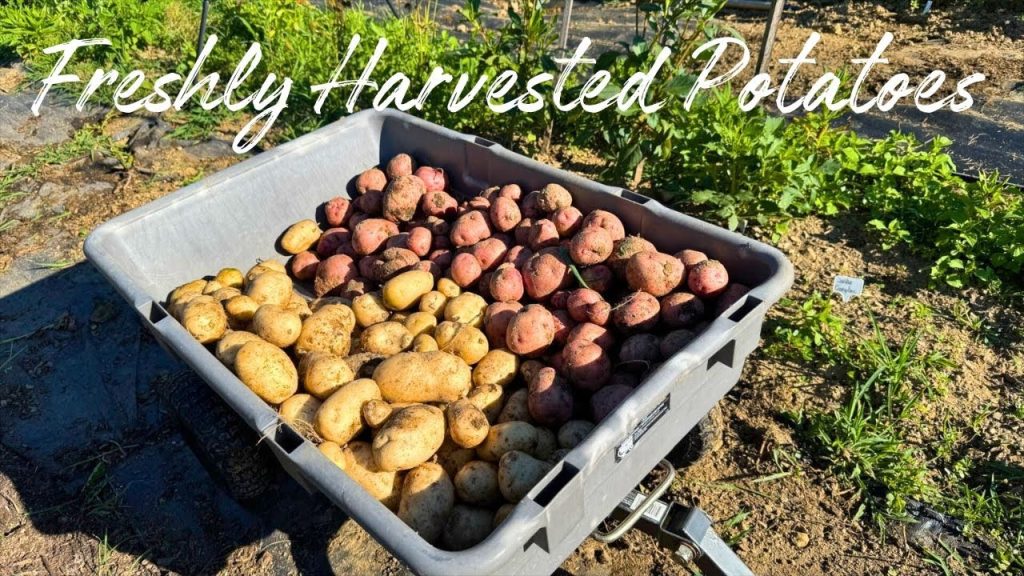
Imagine you’ve just harvested a bountiful crop of potatoes from your garden. The satisfaction of growing your own food is unmatched, but now comes the crucial part—storing them properly.
How do you ensure those potatoes stay fresh and delicious for months? The answer is simpler than you might think. By mastering a few easy techniques, you can keep your potatoes in prime condition, saving money and reducing waste. You’ll discover methods that not only preserve your harvest but also enhance the flavor of your meals.
Stick around, because your hard work in the garden deserves to be savored all year long.
Harvesting Potatoes
Storing potatoes from the garden involves a cool, dark place with good ventilation. Keep them in paper or burlap bags to prevent moisture buildup. Avoid storing near onions to prevent spoilage.
Harvesting potatoes from your garden is an exciting moment. After months of nurturing, you finally get to enjoy the fruits—or rather, the tubers—of your labor. But knowing when and how to harvest can make a big difference in the quality and storage life of your potatoes. Understanding the signs of maturity and the best time to harvest is key to ensuring your crop is as bountiful and long-lasting as possible.
Signs Of Maturity
Recognizing when your potatoes are ready to harvest is crucial. The foliage of the potato plant provides a clear signal. When the leaves start to yellow and die back, it’s a strong indicator that your potatoes have matured. Another sign is the development of thicker skin on the tubers. Dig one up and gently rub the skin with your thumb. If it stays intact, your potatoes are ready. Have you ever noticed a potato’s skin easily peeling off? That’s a sign they’re still too young.
Best Time To Harvest
Timing your harvest can affect the quality of your potatoes. It’s usually best to harvest on a dry day to prevent the tubers from becoming waterlogged. Digging up wet potatoes can lead to rot during storage. Morning is an ideal time for harvesting. The soil is cool, and the potatoes are less likely to bruise. Have you tried harvesting under the hot afternoon sun? It can make the task more tiring and increase the risk of damage to the potatoes. Don’t rush the process. Allow your potatoes to remain in the ground for a few weeks after the foliage has died back. This helps them develop a tough skin, essential for storage. Have you ever harvested too early and found your potatoes shriveling in storage? Waiting can save you from this disappointment.
Preparing Potatoes For Storage
Storing potatoes from the garden involves cleaning them gently and drying them thoroughly. Place them in a cool, dark spot with good air circulation. Avoid storing them near onions to prevent spoilage.
Preparing potatoes for storage is crucial for maintaining their freshness. Proper preparation ensures they stay edible for longer periods. Start with cleaning them gently to remove dirt. Then, cure them to toughen their skins for storage.
Cleaning Techniques
Potatoes need careful cleaning. Avoid washing them with water. Water can lead to rotting during storage. Instead, brush off the dirt using a soft brush or cloth. Ensure all soil is removed without damaging the skin. Damaged skins can spoil quickly. Keep them dry to prevent moisture buildup.
Curing Process
Curing strengthens the potato skin. This process protects them from bruises and rot. Place them in a dark, cool area for two weeks. Ensure good air circulation. This helps to dry and harden the skin. Ideal curing temperature is between 45 to 60 degrees Fahrenheit. Avoid high humidity to prevent mold growth. After curing, they are ready for long-term storage.
Ideal Storage Conditions
Potatoes from the garden thrive in cool, dark places with good air circulation. Ideal conditions prevent sprouting and spoilage. Avoid direct sunlight and moisture to maintain freshness and flavor.
Ideal storage conditions for potatoes are crucial for preserving their freshness. Proper storage ensures potatoes remain tasty and nutritious. Understanding the right environment helps you store your garden potatoes effectively.
Temperature Requirements
Potatoes need cool temperatures for storage. The ideal range is 45-50°F (7-10°C). Avoid freezing temperatures, which can spoil them. Too warm environments can cause sprouting. A basement or cellar often provides suitable temperatures.
Humidity Levels
Humidity plays a vital role in potato storage. Aim for high humidity, around 85-90%. This prevents drying and shriveling. Too much humidity can lead to mold. Use a humidifier if the air is too dry. Check regularly to maintain optimal moisture levels.
Light Exposure
Potatoes should be kept in darkness. Light exposure leads to greening, making them bitter. Store them in opaque containers or covered bins. Ensure no light leaks into the storage area. Even small amounts of light can affect quality.
Storage Methods
Store garden potatoes in a cool, dark place to keep them fresh. Avoid washing them before storing. Keep them in a breathable bag or basket, away from onions.
Storing potatoes from your garden properly is key to enjoying them long after harvest. The right storage method can significantly extend their shelf life and preserve their flavor. Let’s dive into some effective storage methods that can help you make the most out of your garden’s bounty.
Cellar Storage
A traditional and effective way to store potatoes is using a cellar. If you have one, this cool and dark environment is ideal for keeping potatoes fresh. The temperature should ideally be around 45°F to 50°F. Make sure your cellar is well-ventilated to prevent moisture build-up. Excess moisture can lead to rot, which is every gardener’s nightmare. You might remember a time when you stored potatoes in a too-warm space and they sprouted early—this method helps avoid that.
Using Containers
If a cellar isn’t an option, containers can work wonders. Use breathable materials like burlap sacks or paper bags. These allow air circulation, preventing moisture accumulation. Keep your containers in a dark, cool spot like a pantry or a basement. You might be surprised how well simple containers work. Once, I stored potatoes in a cardboard box lined with newspaper, and they lasted for months.
Alternative Storage Options
Consider alternative methods if space is limited. A garage or shed can serve as makeshift storage if temperatures are stable. Just remember to protect the potatoes from freezing temperatures. Another option is a DIY storage bin. Use a wooden crate with sand to cover the potatoes. The sand helps regulate moisture and temperature, creating a natural preservation environment. How do these methods fit into your storage strategy? Could experimenting with a new technique enhance your gardening experience? Whatever method you choose, ensuring proper storage will let you savor your garden’s hard-earned produce throughout the year.
Preventing Spoilage
Store garden potatoes in a cool, dark, and dry place to prevent spoilage. Use breathable containers like burlap sacks. Avoid storing near onions to prolong their freshness. Learn More..
Preventing spoilage in garden potatoes is crucial for preserving your harvest. Proper storage can extend their shelf life and maintain freshness. This section will guide you through essential tips. These include identifying pests, avoiding diseases, and preventing rot.
Identifying Common Pests
Pests can ruin your potato harvest quickly. Keep an eye out for common pests like potato beetles and wireworms. Check your potatoes regularly for signs of damage. Use natural pest control methods like neem oil or diatomaceous earth. This helps keep pests at bay without harmful chemicals.
Avoiding Common Diseases
Diseases can spread rapidly among stored potatoes. Blight and scab are frequent culprits. To avoid them, ensure potatoes are dry before storage. Moisture can promote fungal growth, leading to spoilage. Rotate your potato crops yearly to minimize disease risk. Use disease-resistant potato varieties for better results.
Rot Prevention Tips
Rot is a common issue with stored potatoes. Start by curing potatoes in a dark, cool place for two weeks. This toughens their skin and reduces spoilage. Store cured potatoes in a well-ventilated, cool area. Avoid storing them near onions, as this can accelerate rot. Regularly check stored potatoes for signs of rot. Remove any affected potatoes immediately to prevent spreading.

Credit: www.facebook.com
Monitoring Stored Potatoes
Proper storage keeps garden potatoes fresh longer. Monitor temperature and humidity levels to prevent spoilage. Inspect regularly for signs of rot or sprouting.
Storing potatoes from your garden isn’t just about finding a dark, cool place to keep them. It’s also about maintaining a vigilant eye on their condition. Your efforts in growing these tubers deserve the same dedication when storing them. How can you ensure your potatoes remain fresh and edible for months? The answer lies in consistent monitoring.
Regular Inspections
Make it a habit to check on your stored potatoes regularly. Set a reminder to inspect them at least once a week. This isn’t just about looking for the obvious rot; it’s about catching potential problems early. Feel each potato. If you notice any soft spots or see sprouts, remove those potatoes immediately. This proactive approach prevents spoilage from spreading.
Signs Of Spoilage
Recognizing spoilage signs can save your entire stash. Look for discoloration—green patches indicate exposure to light and can be harmful. Check for a musty smell, which often means mold is present. A potato that feels too light may be dehydrated and past its prime. Remember, a small amount of vigilance goes a long way in preserving your garden’s bounty. Are you ready to give your potatoes the attention they deserve?
Extending Shelf Life
Harvesting potatoes from your garden is a rewarding experience, but ensuring their longevity requires a little know-how. Extending the shelf life of your homegrown potatoes involves a delicate balance of temperature and humidity. By mastering these elements, you can enjoy your garden’s bounty for months on end.
Temperature Adjustments
Temperature plays a crucial role in preserving your potatoes. Aim to store them in a cool environment, ideally between 45°F and 50°F. This prevents sprouting and decay.
A basement or garage can be a perfect spot. I once tried storing potatoes in a cupboard; they sprouted within weeks, teaching me the importance of cooler temperatures.
Consider the impact of seasonal changes. Does your storage space maintain consistent temperatures year-round? If not, you may need to get creative with insulation or alternative locations.
Optimizing Humidity
Humidity is another key factor. Too much moisture can lead to mold, while too little can cause your potatoes to shrivel. Aim for a humidity level of about 85%.
A simple way to manage humidity is using burlap sacks or perforated paper bags. These materials allow for airflow, preventing moisture build-up.
Have you ever wondered why commercial potatoes stay fresh longer? They often use climate-controlled environments. While you may not have access to such technology, small adjustments can make a big difference in your storage setup.
Credit: www.tiktok.com
Utilizing Stored Potatoes
Storing garden potatoes properly ensures they last longer. Keep them in a cool, dark place to maintain freshness. Use breathable bags or boxes to prevent moisture buildup.
Potatoes from the garden often bring a sense of pride and satisfaction. Once you’ve stored them properly, the next exciting step is utilizing these earthy treasures. How can you bring out their best flavors and ensure they last even longer? Let’s explore some creative ideas and preservation techniques.
Recipe Ideas
Potatoes are incredibly versatile. From comforting classics to innovative dishes, they fit in anywhere. – Mashed Potatoes: A family favorite, best served with a touch of garlic and butter. – Potato Soup: Perfect for chilly evenings, blend with cream and herbs for a hearty meal. – Homemade Fries: Slice them thin, toss in olive oil and bake for a healthier version of fries. Have you tried making potato pancakes? They make a delightful brunch option with a dollop of sour cream.
Preservation Techniques
Storing potatoes properly can extend their usability. – Cool and Dark Place: Keep them in a well-ventilated container to avoid moisture build-up. – Avoid Refrigeration: Cold temperatures convert starches to sugar, altering taste. – Check for Sprouts: Use sprouted potatoes quickly, as they have a shorter shelf life. Have you ever considered dehydrating potatoes? It’s a great way to preserve them for soups and stews without losing flavor.

Credit: www.instagram.com
Frequently Asked Questions
Should You Wash Garden Potatoes Before Storing Them?
Do not wash garden potatoes before storing. Dirt protects them from moisture and prolongs shelf life. Brush off excess dirt gently. Store in a cool, dark place with ventilation. Proper handling ensures freshness and prevents spoilage.
What Is The Best Way To Store Garden Potatoes For Winter?
Store garden potatoes in a cool, dark, and dry place. Use burlap sacks or cardboard boxes for ventilation. Ensure potatoes are clean and dry before storing. Avoid direct sunlight to prevent sprouting. Keep storage temperature between 45-50°F for optimal freshness throughout winter.
Regularly check for rot or sprouting.
What Is The Best Way To Store New Potatoes?
Store new potatoes in a cool, dark place for freshness. Keep them in a breathable bag or basket. Avoid refrigeration as it turns starch into sugar. Ensure good ventilation to prevent sprouting and spoilage. Regularly check for soft or spoiled potatoes and remove them promptly.
What To Do With Potatoes After You Cut Them?
Store cut potatoes in cold water to prevent browning. Refrigerate if not cooking immediately. Drain and pat dry before use.
Conclusion
Storing potatoes properly keeps them fresh and tasty. Start with clean, dry potatoes. Use a cool, dark place to store them. Avoid direct sunlight and high temperatures. This prevents sprouting and spoilage. Check regularly for soft spots or bad odors.
Remove damaged ones immediately. This helps keep the rest safe. Proper storage extends their shelf life. Enjoy garden-fresh potatoes longer. Follow these tips for best results. Happy gardening and happy cooking!


