
Imagine walking outside and picking fresh tomatoes, crisp lettuce, and fragrant herbs right from your backyard. The idea of having your very own vegetable garden isn’t just a dream; it’s a reality waiting to unfold.
But where do you start? How do you transform a patch of earth into a thriving garden brimming with nutritious vegetables? This guide will help you unlock the secrets of creating a successful vegetable garden, even if you’ve never planted a seed before.
The process is simpler than you might think, and the rewards are more than just delicious produce. Growing your own vegetables can reduce stress, save money, and even improve your physical health. Plus, there’s something incredibly satisfying about nurturing plants and watching them flourish under your care. Are you ready to dig in and discover how to make a vegetable garden? Keep reading to find out the essential steps you need to take, the common pitfalls to avoid, and the tips that will make your garden the envy of the neighborhood. Your journey to a bountiful harvest starts now!
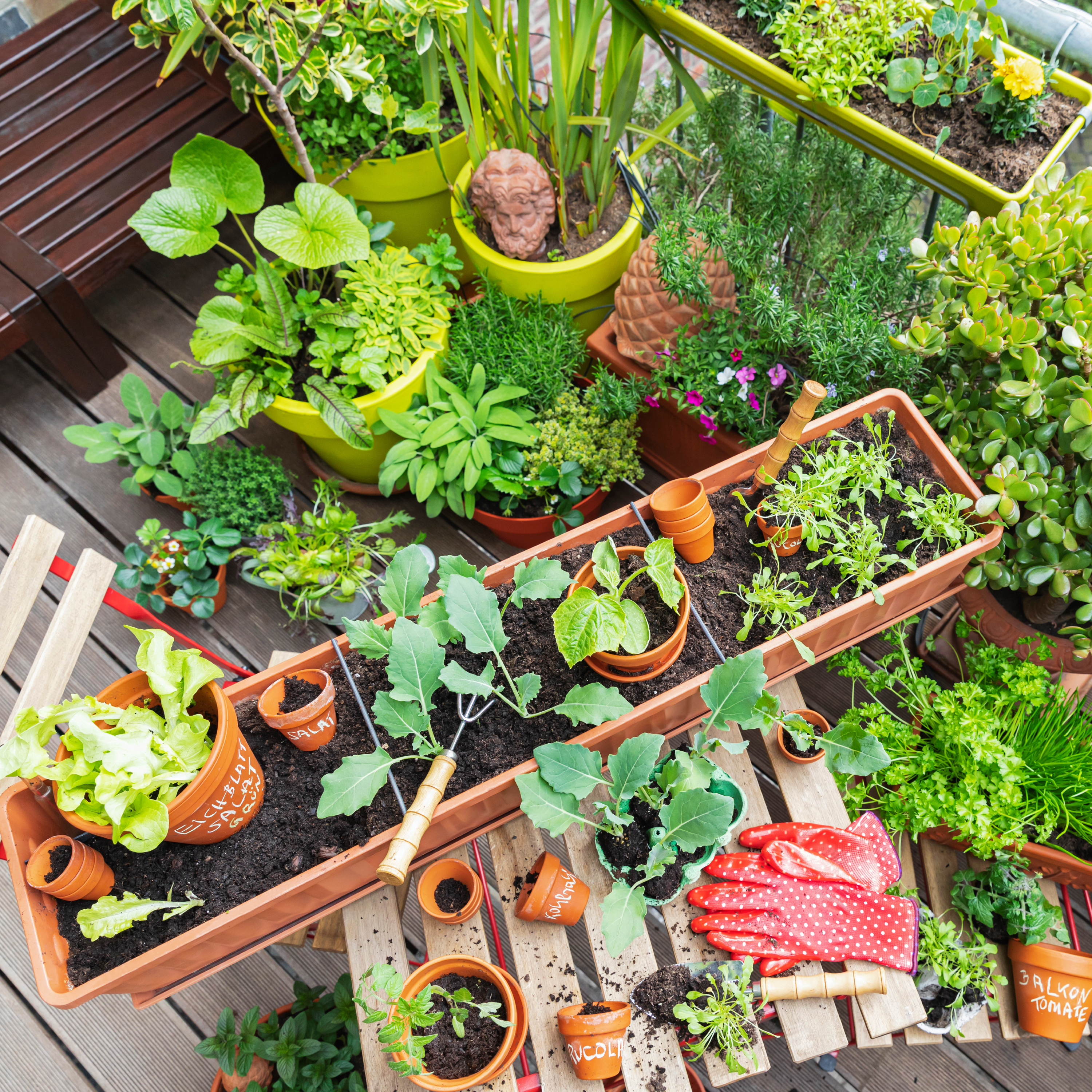
Credit: www.gardeningknowhow.com
Choosing The Right Location
Selecting the perfect spot for a vegetable garden is crucial. Ensure the area receives ample sunlight for growth. Good drainage and soil quality enhance plant health.
Choosing the right location for your vegetable garden is crucial. It ensures your plants get the best start. A suitable spot can make all the difference. It impacts plant growth and productivity. Let’s dive into the key factors.Sunlight Requirements
Most vegetables need plenty of sunlight. At least six to eight hours daily is best. This helps them grow strong and healthy. Check for shadows from buildings or trees. Make sure the garden spot is open and sunny. Some plants like lettuce or spinach need less light. Consider their needs when planning.Soil Quality
Good soil is vital for a thriving garden. It should be rich in nutrients and well-draining. Test the soil’s pH to ensure it’s balanced. You can amend the soil with compost to improve it. Avoid areas with rocky or sandy soil. These might not support plant growth well. Use mulch to retain moisture and protect roots. Quality soil leads to healthy vegetables.Planning Your Garden Layout
Designing a vegetable garden begins with choosing the right spot. Ensure plenty of sunlight and good soil. Consider plant spacing for healthy growth and ease of harvest.
Planning Your Garden Layout Creating a vegetable garden is like crafting your own slice of paradise right in your backyard. It starts with a well-thought-out plan for your garden layout. A good layout can maximize your space and yield a bountiful harvest. Think about where you’ll place each plant, how much sunlight they need, and how they interact with each other. This planning phase is crucial, and here’s how you can make it effective.Selecting Vegetables
Choosing the right vegetables is the first step in designing your garden. Consider your climate and how much sunlight your garden gets daily. Are you in a sunny region or do you have more shaded areas? List your favorite vegetables but check their growing requirements. – Tomatoes thrive in full sun and warm weather. – Lettuce prefers cooler temperatures and partial shade. – Carrots need loose soil to grow well. A personal tip: start with vegetables you love to eat. There’s nothing more satisfying than picking fresh produce you’re excited to cook with.Companion Planting
Companion planting is a savvy way to boost your garden’s productivity. Certain plants, when grown together, can help each other grow better and keep pests away. Consider pairing tomatoes with basil. Not only do they taste great together, but basil can repel insects that might harm tomatoes. Plant carrots with onions to deter pests like carrot flies. Think of your garden as a community where each plant plays a role. Have you ever noticed how some friends just bring out the best in each other? Plants work the same way. Using companion planting means less need for chemical pesticides and a healthier garden overall. It’s a natural method to enhance growth and make your gardening experience more rewarding.Preparing The Soil
Healthy soil is the foundation of a thriving vegetable garden. Break up the soil and remove any weeds. Mix in organic matter like compost for nutrients and better drainage.
Preparing the soil is crucial for a thriving vegetable garden. Healthy soil provides essential nutrients and supports plant growth. Start by assessing your soil’s condition. This will ensure your plants get what they need to flourish.Testing Soil Ph
Understanding soil pH is vital. It affects nutrient availability for your plants. Use a simple pH test kit. This will tell you if your soil is acidic, neutral, or alkaline. Most vegetables prefer slightly acidic to neutral soil. A pH between 6.0 and 7.0 is ideal. Adjusting your soil’s pH can improve plant health.Amending Soil
After testing, it’s time to amend the soil. Amendments improve soil texture and nutrient levels. Compost is a great choice. It enriches the soil and enhances water retention. Manure can also be beneficial. It adds nitrogen, promoting leaf growth. For sandy soils, add organic matter. It improves moisture retention. Clay soils benefit from sand or gypsum. They enhance drainage and prevent compaction. Proper amendments lead to robust plant growth.Planting Techniques
Creating a vegetable garden involves choosing a sunny spot and preparing the soil. Plant seeds or seedlings in well-spaced rows. Regular watering and weeding help maintain healthy growth.
To cultivate a thriving vegetable garden, mastering planting techniques is essential. These techniques determine how well your plants will grow. They also influence the harvest you’ll enjoy. Let’s explore some effective methods for getting your garden started.Starting Seeds Indoors
Starting seeds indoors gives your plants a head start. Use seed trays or small pots. Fill them with a quality seed-starting mix. Plant seeds according to package instructions. Keep the soil moist but not soaked. Place trays in a warm, sunny spot. A windowsill works well. This method protects young plants from harsh outdoor conditions.Transplanting Seedlings
Transplanting seedlings is crucial for garden success. Wait until they have two sets of leaves. Harden them off by exposing them to outside conditions gradually. This process usually takes about a week. Choose a cloudy day to move them. Dig a hole slightly larger than the root ball. Place the seedling in the hole. Fill with soil and water gently. This reduces transplant shock.Direct Sowing
Direct sowing involves planting seeds straight into the garden soil. Best for root vegetables like carrots and radishes. Prepare the soil by removing weeds. Break up large clumps. Make shallow furrows according to seed depth requirements. Sow seeds evenly. Cover lightly with soil. Water gently to settle them in place. This method is simple but effective for many crops.Watering Strategies
Proper watering ensures healthy growth in vegetable gardens. Use drip irrigation or soaker hoses for consistent moisture. Water early morning or late afternoon to minimize evaporation and fungal growth.
Watering your vegetable garden effectively is key to ensuring a bountiful harvest. Whether you are a beginner or have years of gardening experience, choosing the right watering strategy can make all the difference. Let’s dive into some practical and efficient watering techniques to keep your garden thriving.Drip Irrigation Systems
Drip irrigation systems are a fantastic way to deliver water directly to the plant roots. They reduce water waste and are easy to set up. Imagine waking up to find your plants perfectly hydrated without lifting a finger. That’s the magic of a well-installed drip system. It saves you time and ensures every drop counts. Wouldn’t you love a garden that takes care of itself even when you’re on vacation? With a timer, a drip system can do just that. Plus, it helps prevent weed growth since only your plants receive the water.Water Conservation Tips
Watering wisely can help conserve water and save on your utility bill. Start by watering in the early morning or late evening to minimize evaporation. Collect rainwater in barrels to use during dry spells. It’s not only environmentally friendly but also better for your plants since rainwater is free of chemicals. Mulching around your plants can significantly reduce water evaporation from the soil. It keeps the soil moist longer, meaning you water less often. Are you aware of how much water your garden truly needs? Observing your plants and soil regularly can guide you to avoid over-watering. Implementing these strategies will not only create a thriving garden but also nurture a sustainable environment.
Credit: www.rasnetwork.org
Managing Pests Naturally
Creating a vegetable garden naturally involves using companion planting and organic methods to manage pests. This approach promotes a healthy ecosystem without relying on chemicals.
Managing pests naturally in your vegetable garden promotes a healthy ecosystem. It reduces the need for harmful chemicals. Natural pest management supports plant growth and increases yield. It also protects beneficial insects.Encouraging Beneficial Insects
Beneficial insects help control pests in your garden. Ladybugs and lacewings eat aphids. Spiders and ground beetles tackle caterpillars. Plant diverse flowers to attract these helpers. Marigolds, daisies, and yarrow are excellent choices. Provide water sources like shallow dishes or birdbaths. This keeps beneficial insects hydrated and active. Avoid using broad-spectrum insecticides. These can harm your garden friends. Create insect hotels with twigs and leaves. They offer shelter and breeding spaces.Natural Pesticides
Natural pesticides are effective and safe for your garden. Neem oil disrupts pest life cycles. Mix it with water and spray on affected plants. Garlic spray deters many insects with its strong smell. Crush garlic cloves, mix with water, and let it steep. Strain and use as a spray. Soap spray targets soft-bodied insects like aphids. Combine water and mild soap in a spray bottle. Test on a small leaf first to avoid damage. Diatomaceous earth is a powder that cuts pests’ exoskeletons. Sprinkle it around plants as a protective barrier. Always follow instructions for safe and effective use.Fertilizing For Growth
Fertilizing a vegetable garden is crucial for lush growth and bountiful harvests. Proper nutrients enrich the soil, enabling plants to thrive. Different fertilizers can provide the essential nourishment your garden needs. Organic fertilizers and composting are two effective methods to ensure your vegetables receive the best care.
Organic Fertilizers
Organic fertilizers are derived from natural sources like plants and animals. They improve soil structure and boost nutrient levels. These fertilizers release nutrients slowly, benefiting the plants over time. Options include bone meal, fish emulsion, and seaweed extract. They are eco-friendly and enhance soil health without chemicals.
Composting Benefits
Composting turns kitchen scraps and yard waste into rich soil amendment. It adds vital organic matter to the garden, improving soil fertility. Compost increases moisture retention and supports beneficial microorganisms. It reduces waste and contributes to sustainable gardening. Regularly adding compost results in vibrant, healthy plants.

Credit: www.yahoo.com
Harvesting And Storage
Harvesting vegetables at peak ripeness ensures the best flavor and nutrition. Store them in cool, dry places to maintain freshness. Proper storage methods prevent spoilage and extend shelf life.
Harvesting and storing vegetables are crucial steps in gardening. Proper techniques ensure freshness and flavor. Knowing when to harvest impacts taste and longevity. Equally, storing them correctly preserves their quality. Let’s explore these essential aspects for a thriving vegetable garden.Recognizing Ripeness
Identifying the right time to pick vegetables is vital. Check color, size, and texture. Tomatoes should be firm and red. Cucumbers are best when bright green and crisp. Leafy greens like spinach should have vibrant leaves. Avoid letting them yellow. Carrots and beets should be firm and full-sized. Regularly inspect your garden. This prevents over-ripening and spoilage.Proper Storage Techniques
Storing vegetables correctly prolongs their freshness. Different vegetables need different conditions. Leafy greens stay fresh in the fridge. Keep them in perforated bags. Root vegetables like carrots do well in cool, dark places. Store in sand or sawdust for longer preservation. Tomatoes are best stored at room temperature. Avoid refrigeration for better flavor. Check stored vegetables regularly for rot or mold. This ensures your harvest stays healthy and edible.Seasonal Maintenance Tips
Seasonal maintenance is crucial for a thriving vegetable garden. Each season brings unique challenges and opportunities for your plants. Understanding these can make all the difference in productivity and sustainability. Let’s explore some key maintenance tips to keep your garden flourishing throughout the year.
Crop Rotation
Crop rotation is like giving your garden a fresh start each season. By changing the location of your plants, you prevent soil depletion and reduce pest infestations. You might find tomatoes thriving in a new spot that previously held beans. This simple shift can lead to healthier soil and better yields.
- Rotate leafy greens with root vegetables to balance nutrient use.
- Keep track of plant families to avoid repeating the same crops in the same spot.
- Use a garden journal to plan rotations effectively.
Winterizing The Garden
Winterizing your garden protects it from harsh weather and prepares it for spring. It’s not just about survival; it’s about thriving when temperatures rise again. Consider covering delicate plants with mulch or fabric to shield them from frost.
- Clear debris and fallen leaves to prevent mold and pests.
- Plant winter crops like garlic and onions for an early spring harvest.
- Use compost to enrich the soil over winter.
Have you ever wondered how gardeners keep their plots fruitful year after year? What strategies might you adopt this season for a more bountiful harvest? With these tips, your vegetable garden can continue to grow strong, season after season.
Frequently Asked Questions
How To Make A Vegetable Garden For Beginners?
Choose a sunny spot and clear the area of weeds. Prepare the soil by loosening it and adding compost. Select easy-to-grow vegetables like tomatoes, lettuce, or carrots. Plant seeds or seedlings, water regularly, and provide proper care. Monitor for pests and enjoy your harvest.
What Month Should You Start A Vegetable Garden?
Start your vegetable garden in early spring, typically March or April. This timing ensures optimal growth. Check your local frost dates and plant accordingly. Cooler climates may require starting indoors. Choose vegetables suitable for your region’s climate. Proper timing boosts yield and ensures a successful garden harvest.
Which Vegetables Grow Well Together Chart?
Vegetables like tomatoes and basil grow well together, enhancing each other’s flavors. Carrots and onions deter pests when planted side by side. Lettuce thrives with radishes, providing mutual shade and moisture. Spinach and strawberries benefit from shared nutrients, promoting healthy growth.
Companion planting boosts yields and minimizes pest issues.
What Is The Most Common Mistake Of First Time Gardeners?
Overwatering is the most common mistake new gardeners make. It can lead to root rot and plant stress. Start with checking soil moisture before watering. Learn each plant’s specific water needs to avoid this issue. Proper watering ensures healthy plant growth and reduces maintenance challenges.
Conclusion
Growing a vegetable garden is a rewarding journey. You connect with nature while watching your plants grow. You gain fresh produce right from your backyard. It’s not just about planting seeds; it’s about nurturing life. Be patient. Celebrate small victories, like sprouting seeds and blooming flowers.
Enjoy the daily progress of your garden. Each step teaches you something new. Gardening is a skill, but also a passion. Start small, and let your garden grow with you. Soon, you’ll find joy in every harvest. Your efforts will pay off with delicious vegetables.
Enjoy the fruits of your labor!


