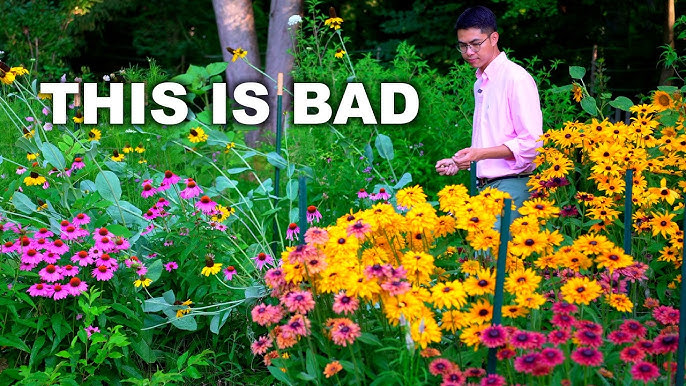
Imagine stepping outside your door into a vibrant oasis where bursts of color greet you with every glance. A flower garden can transform any outdoor space into a haven of beauty and tranquility.
But how do you make a flower garden that thrives and looks stunning all year round? It’s simpler than you might think, and the rewards are endless. Whether you’re dreaming of fragrant blooms or a lively mix of textures and hues, creating your own flower garden is an opportunity to unleash your creativity and connect with nature.
This article will guide you through the essentials, helping you cultivate a garden that reflects your personality and style. Get ready to turn your yard into a picturesque escape that you’ll love sharing with friends and family. Let’s dig in and discover the secrets to crafting a flower garden that will capture your heart and captivate your senses.
Choosing The Right Location
Choosing the right location for your flower garden is crucial to its success. The perfect spot can enhance growth and bloom while making your garden a delightful visual treat. It’s about finding a balance between sunlight, soil, and accessibility. Let’s explore how you can pinpoint the best area in your yard for vibrant, flourishing flowers.
Sunlight Requirements
Understanding the sunlight needs of your flowers is essential. Most flowers thrive in full sun, which means six to eight hours of sunlight daily. Consider the sun’s path in your garden throughout the day and year. Observe areas that receive consistent sunlight, especially during the morning and early afternoon.
If your garden area has shaded spots, choose shade-tolerant plants like ferns or hostas. Mixing sun-loving and shade-loving plants can create a diverse garden while ensuring each plant gets the light it needs.
Soil Conditions
The soil in your chosen location significantly impacts your garden’s health. Conduct a simple soil test to determine the pH level and nutrient content. Ideal soil is rich in organic matter with good drainage.
If you discover clay or sandy soil, consider amending it with compost or organic material. This enhances drainage and nutrient retention, offering a solid foundation for your flowers.
Accessibility And Visibility
Your garden should be easily accessible for maintenance and visually pleasing for enjoyment. Select a location that allows you to reach your plants comfortably for watering and pruning.
Ultimately, each choice you make impacts how your garden will flourish. So, what matters most to you in choosing your garden’s location?
Selecting Your Flowers
Creating a vibrant flower garden starts with the exciting task of selecting your flowers. This is where your creativity and personal taste shine. But how do you ensure your garden is a masterpiece rather than a haphazard collection of plants? Dive into choosing the right flowers for your garden.
Annuals Vs. Perennials
Deciding between annuals and perennials is like choosing between instant gratification and long-term commitment. Annuals bloom beautifully for one season, providing immediate bursts of color. Imagine zinnias and marigolds, adding vivid tones to your garden instantly. On the other hand, perennials like roses and lilies return year after year, slowly building a legacy of beauty. Consider your patience level and gardening skills. Would you prefer to replant annually, or nurture a garden that evolves over time?
Color Coordination
Do you want your garden to be a kaleidoscope of colors or a harmonious blend of hues? Think about the mood you wish to create. Bold reds can energize, while soft pastels may calm and soothe. Mix complementary colors like yellow and purple for a striking effect, or opt for analogous colors such as pink and peach for a serene look. Your garden is your canvas—what story do you want it to tell?
Height And Space Considerations
Visualize your garden’s skyline. Tall flowers like sunflowers can create dramatic focal points, while shorter plants like pansies can fill in spaces with charm. Consider the space each plant requires. Are you planning a lush landscape or a more minimalist approach? Think about how the heights and spacing will affect sunlight and airflow. Will your taller plants overshadow the shorter ones, or will they complement them? Balance is key.
Preparing The Soil
Preparing the soil is the first crucial step in creating a thriving flower garden. Healthy soil provides the nutrients and structure plants need to grow and bloom beautifully. Let’s explore how to ensure your soil is ready to support your garden dreams.
Testing Soil Quality
Understanding your soil’s composition is essential. Begin by testing the soil quality. Kits are available at garden centers. They reveal pH levels and nutrient content. Knowing this helps in deciding what amendments are needed.
Amending The Soil
Based on test results, amend your soil to improve its structure. Add organic matter like compost to enrich it. This enhances fertility and helps retain moisture. Adjust pH by adding lime or sulfur as required.
Drainage Solutions
Good drainage prevents root rot and promotes healthy growth. Assess the site’s drainage by observing water pooling after rain. If necessary, create raised beds or incorporate sand to improve drainage. These steps ensure roots remain healthy and robust.
Credit: www.elledecor.com
Planting Techniques
Creating a flower garden involves choosing the right location with good sunlight. Prepare the soil by removing weeds and adding compost. Select a variety of flowers that bloom in different seasons for continuous color.
Planting Techniques Creating a vibrant flower garden requires specific planting techniques. These techniques ensure your plants thrive and bloom beautifully. Proper planting sets the foundation for a healthy garden. Here, we explore essential methods for successful planting.Seasonal Planting Tips
Understanding seasonal planting is crucial. Spring is ideal for most flowers. Plant bulbs early for spring blooms. In summer, choose heat-tolerant plants. Autumn is perfect for perennials. Ensure your plants match the season’s conditions. This timing helps flowers grow strong.Proper Spacing
Spacing affects plant health. Crowded plants compete for resources. Leave enough room for growth. Check plant labels for spacing guidelines. This prevents overcrowding. Proper spacing enhances air circulation. It reduces disease risk. Give each plant its space to flourish.Watering Guidelines
Watering is vital for plant health. Each flower has unique needs. Morning watering helps avoid evaporation. Ensure soil is moist, not soaked. Overwatering harms roots. Use mulch to retain moisture. Regular, balanced watering supports healthy growth.Caring For Your Flower Garden
Creating a flower garden begins with choosing the right spot. Ensure it gets enough sunlight and has good soil. Select flowers that thrive in your climate and arrange them to suit your taste. Regular watering and maintenance keep the garden healthy and vibrant.
Caring for your flower garden ensures it stays vibrant and healthy. Regular maintenance can make all the difference. This section will guide you through essential practices. Learn how to nourish your flowers and keep them thriving.Fertilization Practices
Plants need nutrients for growth. Fertilizers provide these nutrients. Choose the right type for your flowers. Organic options are gentle on the environment. Apply fertilizers in the growing season. Follow the instructions on the package. Too much can harm your plants. Water the plants after fertilizing. This helps nutrients reach the roots.Weed Control Methods
Weeds compete for resources. Remove them regularly to protect your flowers. Hand pulling is simple and effective. Do this when the soil is moist. Mulching is another great method. It blocks sunlight, preventing weed growth. Organic mulch enriches the soil as it breaks down. For large areas, consider landscape fabric. It is a long-term solution to control weeds.Pest Management
Pests can damage your plants. Early detection is key. Inspect your garden regularly. Look for signs like holes in leaves. Use natural remedies to deter pests. Neem oil and soapy water work well. Encourage beneficial insects like ladybugs. They eat harmful pests, keeping your garden safe. If needed, use pesticides carefully. Follow all safety instructions on the label. Always prioritize eco-friendly options.
Credit: www.youtube.com
Enhancing Aesthetic Appeal
Create a flower garden that captivates by choosing vibrant plants and arranging them thoughtfully. Incorporate different heights and textures to enhance visual interest. Regular care and maintenance ensure blooms flourish, offering a stunning display.
Enhancing the aesthetic appeal of a flower garden transforms it into a visual masterpiece. Beauty lies not just in the flowers but in how you arrange and complement them. This section explores decorative elements, focal points, and mulch to elevate your garden’s charm.Incorporating Decorative Elements
A garden can be more than just flowers. Add statues, birdbaths, or garden gnomes. These elements bring personality. Use colorful pots or hanging baskets. They add a splash of color and height. Wind chimes can offer gentle music. They create a soothing atmosphere. Paths made of stones or bricks invite exploration.Designing With Focal Points
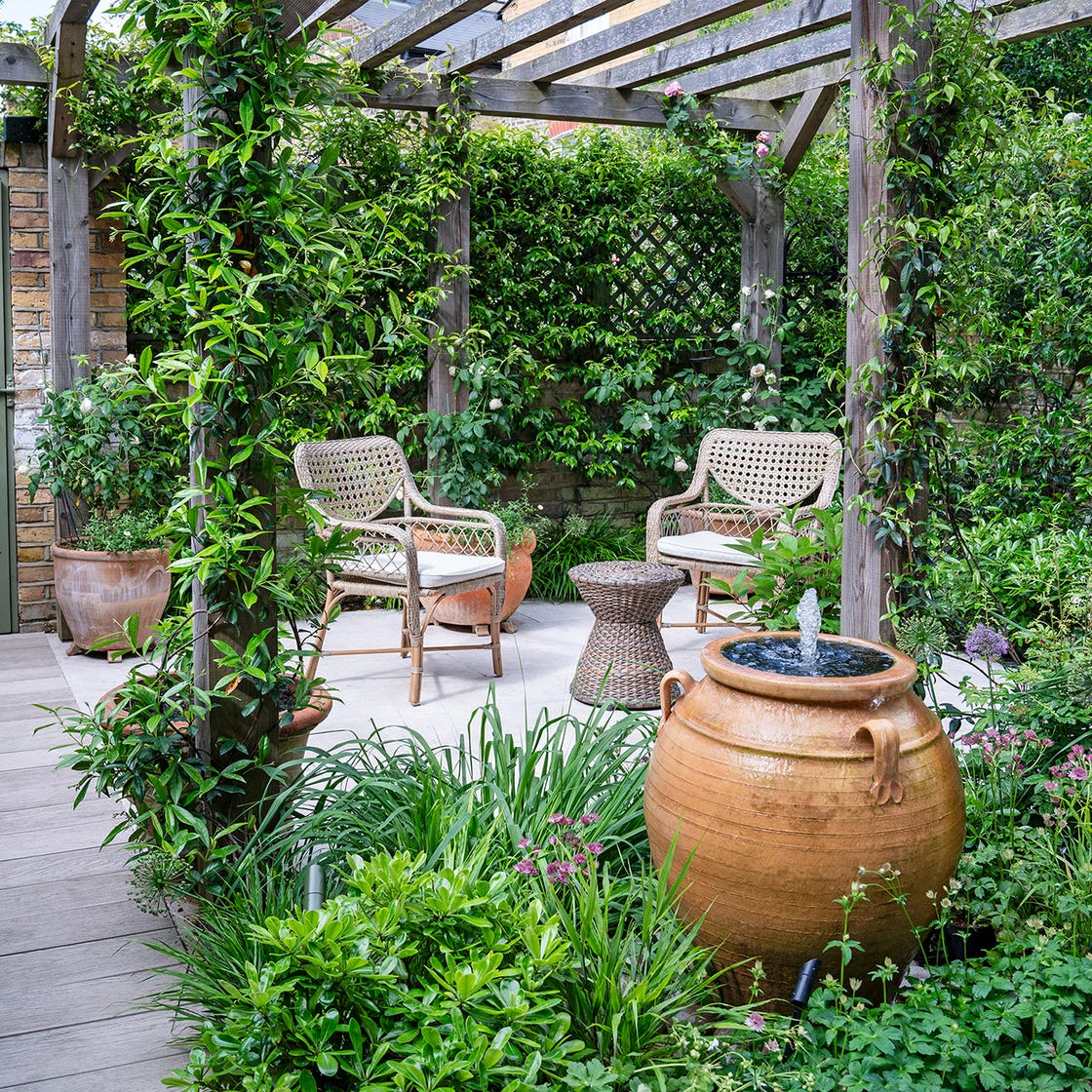
Focal points draw attention and anchor the garden. Choose a striking plant or a sculpture. Place it where eyes naturally land. Consider garden arches or trellises. They provide height and structure. A fountain can be serene and elegant. Use bold colors or unusual shapes. Make sure focal points stand out.Using Mulch For Texture
Mulch is more than a weed barrier. It adds texture and depth. Choose organic mulch for a natural look. Bark chips or pine needles work well. They contrast beautifully with bright flowers. Mulch keeps soil moist and roots cool. It helps flowers thrive. Use different colors for visual interest.Seasonal Maintenance
Seasonal maintenance is crucial for a thriving flower garden. Each season brings unique tasks that ensure your garden remains healthy and vibrant. By understanding what your garden needs throughout the year, you can enjoy a beautiful display of blooms no matter the season. Let’s dive into how you can care for your garden with seasonal maintenance.
Pruning And Deadheading
Pruning and deadheading are essential tasks that keep your garden looking neat and encourage continuous blooming. As flowers fade, removing spent blooms can redirect energy into producing more flowers.
Pruning helps shape plants and remove damaged or diseased branches. This not only enhances the aesthetics but also promotes healthier growth. Imagine walking through your garden and seeing fresh blooms replacing the old ones, creating an ever-changing tapestry of colors.
Winterizing Your Garden
Preparing your garden for winter involves protecting plants from cold temperatures. Mulching is a great way to insulate the soil and retain moisture.
Consider adding a layer of mulch around the base of your plants. It’s like tucking them in with a warm blanket for the cold months. If you have tender plants, covering them or bringing them indoors can save them from frost damage.
Spring Preparation
Spring is a time of renewal and growth in the garden. As temperatures rise, it’s important to prepare your garden for the growing season. Start by removing any debris and old mulch to make way for new growth.
Soil preparation is key. Adding compost can enrich the soil, providing necessary nutrients for plants. Have you ever noticed the burst of green as your garden wakes up from winter slumber? Proper preparation ensures your garden starts strong.

Credit: gardeningfamily.com
Frequently Asked Questions
How To Properly Start A Flower Garden?
Begin by selecting a suitable location with ample sunlight. Test soil quality and enhance with compost. Choose flowers that thrive in your climate. Plan your garden layout, ensuring proper spacing. Regularly water and maintain your garden for optimal growth.
What Is The Rule Of 3 In Gardening?
The rule of 3 in gardening suggests planting in groups of three for visual balance. It enhances aesthetics by creating harmony and rhythm in the landscape. This technique helps avoid a cluttered look and simplifies maintenance. It’s a simple yet effective way to improve garden design.
What Month Should You Start A Flower Garden?
Start a flower garden in early spring when the ground is thawed. This is ideal for most regions. It’s crucial to consider local climate conditions. Warmer areas may allow for earlier planting, while colder regions might require waiting until late spring.
Always check the last frost date for your area.
What Is The Easiest Flower To Grow For Beginners?
Marigolds are the easiest flowers for beginners to grow. They require minimal care and are highly resilient. Their vibrant colors brighten gardens, making them a popular choice. They thrive in various soil types and bloom quickly, enhancing your gardening experience.
Start with marigolds for a hassle-free gardening adventure.
Conclusion
Creating a flower garden is a rewarding experience. It fills your outdoor space with beauty. Start with a clear plan for your garden. Choose flowers that suit your climate. Prepare the soil well for planting. Regularly water and maintain your plants.
Use mulch to help retain moisture. Consider adding paths for easy access. Enjoy the vibrant colors and scents. A flower garden enhances your home’s appeal. It also offers a peaceful retreat. Gardening connects you with nature. Remember, patience is key.
Watch your garden bloom over time. Share your gardening journey with friends. Inspire others to create their own garden.


