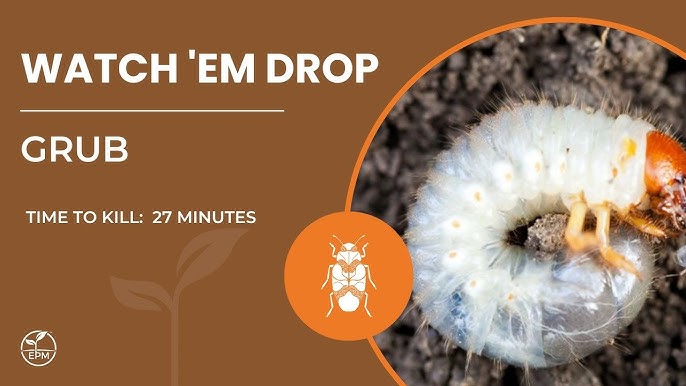
Are you frustrated with grubs destroying your vegetable garden? These pesky larvae can wreak havoc on your hard work, turning your thriving patch into a nightmare.
But don’t worry—you’re not alone in this battle. Understanding how to effectively eliminate these uninvited guests is crucial to preserving the health and bounty of your garden. Imagine the satisfaction of watching your vegetables flourish again, free from the clutches of these destructive critters.
In this guide, you’ll discover proven strategies to reclaim your garden, ensuring it remains a vibrant and fruitful oasis. Let’s dive into the practical steps you can take to protect your precious plants and enjoy the harvest you deserve. Stick around, and you’ll soon be on your way to a grub-free garden.
Identifying Grubs
Grubs can be a gardener’s nightmare. These pests damage your vegetable garden, affecting plant health and productivity. Identifying grubs is the first step to managing them effectively. Recognizing signs of infestation helps protect your plants.
Signs Of Grub Infestation
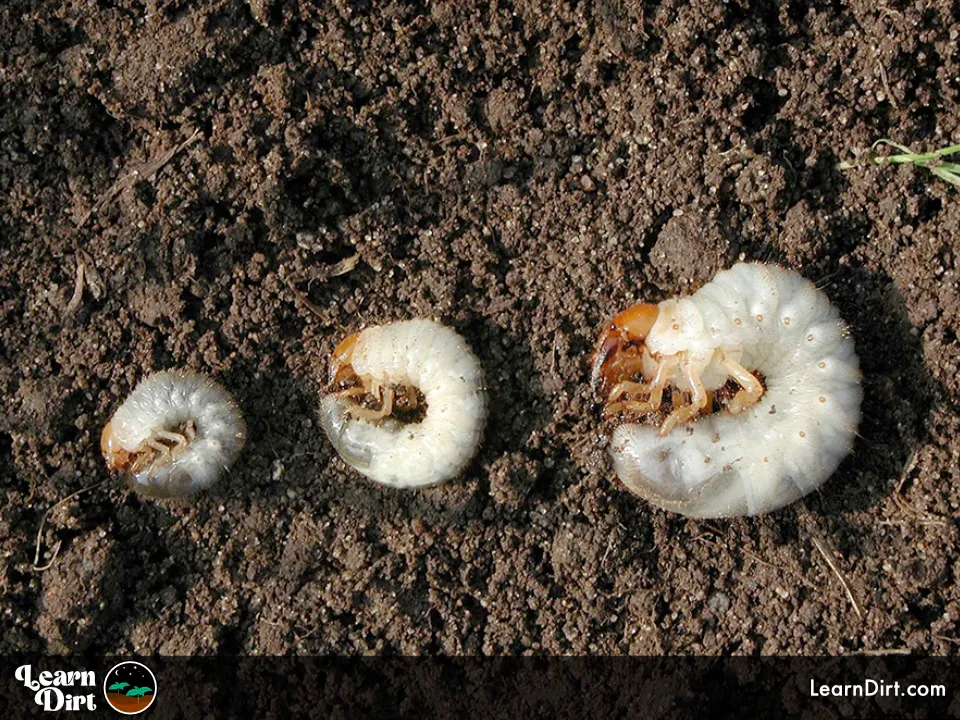
Grubs feed on roots, causing visible damage. Look for wilting plants. You might notice patches of brown, dying grass. Digging in the soil reveals white, C-shaped larvae. Birds and animals may dig up soil, searching for grubs.
Types Of Grubs In Gardens
Different grubs target vegetable gardens. Common types include Japanese beetle larvae. They are white, with brown heads. June beetle larvae are similar, but larger. European chafer grubs are also common. Identifying the type helps choose control methods.
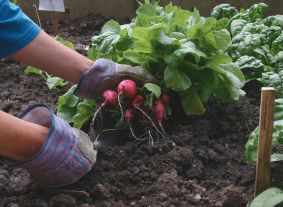
Credit: plantersplace.com
Natural Control Methods
Using beneficial nematodes can effectively control grubs in your vegetable garden. These microscopic worms naturally eliminate grubs without harming plants. Another method involves introducing birds or chickens that feed on grubs, providing a natural pest control solution.
Natural control methods are an effective way to manage grubs in your vegetable garden without resorting to harsh chemicals. These techniques not only help maintain a healthy ecosystem but also encourage biodiversity. By focusing on natural solutions, you create a garden that thrives in harmony with nature.Encouraging Beneficial Insects
Beneficial insects are your garden’s natural allies. Ladybugs and lacewings, for example, feast on grub larvae, keeping their population in check. Planting flowers like marigolds and yarrow can attract these helpful insects to your garden. Consider creating a habitat for these beneficial insects. A small pile of rocks or a bug hotel can provide shelter. This simple addition to your garden can make a significant difference in controlling grubs.Using Nematodes
Nematodes are microscopic worms that can be a gardener’s best friend. They invade and kill grub larvae, providing an organic solution to your problem. You can easily purchase nematodes online or at garden centers. Apply them to moist soil in the evening when the sun is low. This ensures they have the best chance of survival and effectiveness. Remember, healthy soil makes for a healthy garden.Introducing Birds As Predators
Birds can be incredible allies in your fight against grubs. They naturally feed on these pests, providing a free pest control service. Attract birds by installing bird feeders and birdbaths in your garden. Have you ever noticed how quickly birds can clear out an area of pests? Encourage their presence, and you’ll see a noticeable decrease in grub numbers. Just ensure your garden remains a welcoming environment for them year-round. Using these natural methods not only helps control grubs but also fosters a thriving ecosystem. Which method will you try first in your garden?Chemical Solutions
Grubs can wreak havoc in vegetable gardens, damaging roots and stunting plant growth. Chemical solutions offer a direct way to tackle this issue, ensuring your plants remain healthy and vibrant. Using pesticides requires careful consideration and proper techniques to be effective and safe.
Choosing The Right Pesticides
Identifying the grub species is crucial. Different grubs may require different treatments. Consult garden experts or guides to confirm the pest type. Select a pesticide labeled specifically for grub control. Look for options that are safe for edible plants. Organic choices are available, but may not be as potent. Read labels thoroughly to avoid harming beneficial insects.
Application Techniques
Apply pesticides during cooler parts of the day. Early morning or late afternoon are ideal. Ensure the soil is moist before applying, as grubs dwell below. Use a spray bottle for even distribution. Follow the instructions on the label for dosage and frequency. Wear protective gear to avoid skin contact. Keep children and pets away during application.
Credit: learndirt.com
Cultural Practices
Natural ways like introducing beneficial nematodes or using neem oil can effectively control grubs in vegetable gardens. These methods protect your plants while maintaining a healthy ecosystem.
Cultural practices play a vital role in maintaining a healthy vegetable garden. They help control grub infestations without relying on chemicals. These practices are environmentally friendly and promote sustainable gardening. Implementing them ensures your garden flourishes naturally.Crop Rotation Benefits
Crop rotation prevents grub buildup in the soil. By changing plant locations, grubs lose their food source. This method disrupts their lifecycle. It keeps soil healthy and reduces pest problems. Rotating crops also enhances nutrient balance. Plants grow stronger and resist pests better.Proper Watering Techniques
Proper watering techniques deter grubs effectively. Overwatering makes soil damp and attracts grubs. Water plants deeply but infrequently. Allow the topsoil to dry between watering. This discourages grubs from settling. Adequate drainage is crucial for preventing soggy soil. Healthy plants thrive with correct watering methods.Maintaining Garden Health
Eliminate grubs in your vegetable garden by using natural methods like introducing beneficial nematodes. These microscopic organisms target and kill grubs, ensuring plant health. Regular soil inspection and proper watering can also help prevent grub infestations.
Maintaining a healthy vegetable garden is a rewarding endeavor that requires vigilance and care. The presence of grubs can threaten the vitality of your garden, but with consistent maintenance, these pests can be managed effectively. Understanding how to maintain your garden’s health is crucial to keeping it free from grubs and ensuring a bountiful harvest.Soil Aeration Importance
Soil aeration is a fundamental practice for a thriving garden. It helps improve water drainage, promotes root health, and discourages grub infestation. Consider using a garden fork or aerator to gently loosen the soil around your plants. This not only enhances air circulation but also makes it more challenging for grubs to settle. Have you ever noticed your plants looking a little droopy despite regular watering? This could be due to compacted soil. Aerating could be your simple yet effective solution.Regular Garden Inspections
Regular inspections are your first line of defense against grubs. Set aside time each week to walk through your garden and look for signs of grub activity, such as wilting plants or patches of dead grass. Pull back the soil around suspect areas to check for grubs. Finding them early can save your plants from severe damage. Did you know that birds are natural grub predators? Encourage them to visit your garden by setting up bird feeders. Their presence can help keep the grub population in check. Frequent inspections keep you informed and empower you to act swiftly, ensuring your garden remains a healthy, thriving space.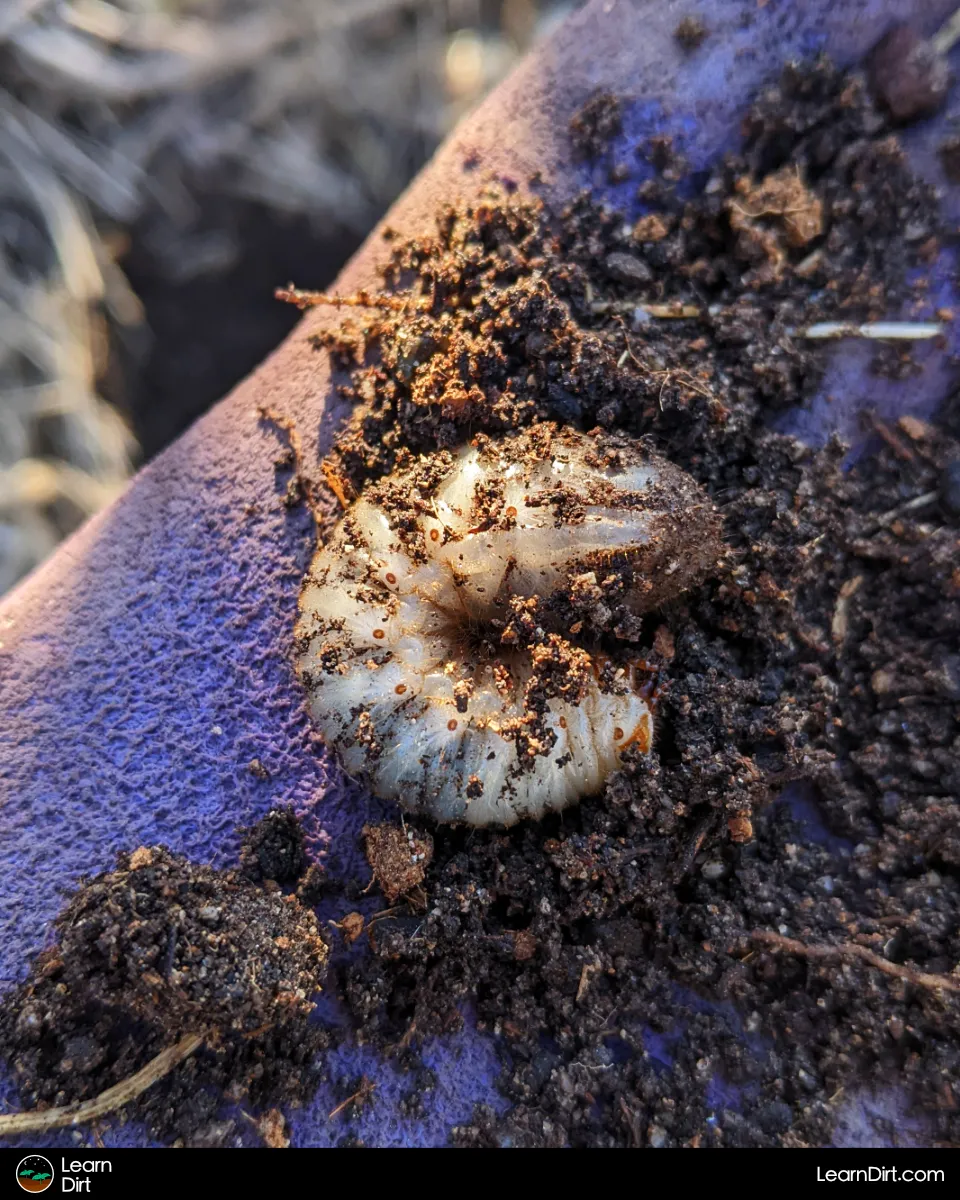
Credit: learndirt.com
Preventive Measures
Prevent grubs in your vegetable garden by maintaining healthy soil. Encourage beneficial insects to manage pest populations naturally. Regularly check plants for signs of infestation and use organic treatments if necessary.
Preventive Measures are essential in maintaining a grub-free vegetable garden. Imagine investing time and energy into your garden, only to find it ravaged by these pesky pests. By focusing on prevention, you can safeguard your plants and yield a bountiful harvest. Let’s explore some practical strategies to keep grubs at bay.Planting Resistant Varieties
Choose grub-resistant plant varieties to fortify your garden against attacks. Some vegetables naturally repel grubs, reducing your need for intervention. Sweet potatoes, for example, are hardy against grub infestations. Mix these resistant plants among your regular crops. This not only protects vulnerable plants but also creates a diverse ecosystem that can naturally deter pests. It’s like having a built-in defense system! Consider what varieties thrive in your specific climate and soil. Engage with local gardeners to discover which plants are successful in your region. Their insights can be invaluable in crafting a strategic planting plan.Seasonal Garden Maintenance
Regular garden maintenance is your frontline defense against grubs. Keep your garden clean and tidy to prevent grub-friendly environments. Fallen leaves and debris can harbor pests, so clear them promptly. Monitor the health of your soil. Healthy soil is less attractive to grubs, and regular aeration can disrupt their lifecycle. Have you ever noticed how much healthier your plants look after a good soil turnover? Schedule routine inspections to catch any early signs of infestation. A quick check can reveal grub presence before they cause significant damage. This proactive approach saves you from future headaches. Incorporate natural deterrents like nematodes or birds, which can help control grub populations. It’s amazing how nature offers solutions right at your fingertips. Why not let these helpers do some of the work for you?Frequently Asked Questions
How Do I Get Rid Of Grub Worms In My Vegetable Garden?
Remove grub worms by applying beneficial nematodes to the soil. Handpick visible grubs and dispose of them. Encourage birds and natural predators. Maintain healthy soil with compost and organic matter. Rotate crops to prevent infestations.
Does Dawn Dish Soap Really Kill Grubs?
Dawn dish soap can kill grubs by suffocating them. Mix soap with water and spray directly on affected areas. This solution disrupts their protective coating, leading to dehydration. It’s a temporary and eco-friendly method, but not a permanent solution for severe infestations.
Always test a small area first.
How Do You Kill Grubs Without Killing Plants?
Use beneficial nematodes to target grubs naturally. Apply milky spore for long-term control without harming plants. Maintain a healthy lawn to deter grub infestations. Always follow product instructions carefully for best results.
Are Grubs Bad For A Veggie Garden?
Grubs can damage veggie gardens by feeding on plant roots. This may weaken or kill the plants. To protect your garden, regularly check for grubs and remove them manually. Using nematodes or organic insecticides can help control grub populations effectively.
Healthy soil and proper maintenance reduce grub infestations.
Conclusion
Grubs can harm your vegetable garden. But solutions exist. Use natural methods first. Beneficial nematodes can help. Birds can eat grubs too. Chemical options are last resorts. Always follow instructions. Regular checks are crucial. Early detection saves plants. Healthy soil deters pests.
Rotate crops each season. Keep your garden clean. Remove weeds and debris. Grubs will decrease. Your garden will thrive. Patience is key. With care, you can protect your plants. Enjoy a healthy, grub-free garden. Happy gardening!