
Picture this: you’ve spent countless hours nurturing your garden, only to find slugs have turned it into their personal buffet. Frustrating, right?
These slimy invaders can wreak havoc on your plants, leaving you wondering how to reclaim your green sanctuary. The good news is, you’re not alone in this battle, and there are effective strategies to keep these pests at bay. In this guide, we’ll reveal the secrets to keeping slugs out of your garden for good.
Imagine a lush garden, free from the damage of these pesky creatures. You deserve to enjoy the fruits of your labor, and we’re here to show you how. Stay with us, and by the end, you’ll be armed with the tools and tips you need to protect your garden oasis. Ready to take control? Let’s dive in!
Credit: www.housebeautiful.com
Natural Barriers
Create barriers using crushed eggshells or diatomaceous earth around plants. These materials deter slugs effectively. Natural predators like frogs and birds can also help control slug populations.
Creating natural barriers is a brilliant way to keep slugs out of your garden without resorting to harmful chemicals. These barriers not only help protect your plants but also contribute to a more eco-friendly gardening approach. They can be easily implemented with materials you might already have in your kitchen or toolbox.Eggshells And Coffee Grounds
Using eggshells and coffee grounds as natural deterrents is a fantastic way to recycle kitchen waste while safeguarding your garden. Crushed eggshells create a jagged surface that slugs find uncomfortable to crawl over. Sprinkle them around the base of your plants, ensuring a thick enough layer to deter these slimy pests. Coffee grounds serve a dual purpose. Not only do they repel slugs, but they also enrich the soil with nitrogen. Spread a generous amount of used coffee grounds around your plants. Have you ever noticed how slugs shy away from abrasive textures and strong scents? These common kitchen waste items are your secret weapons.Copper Strips And Wire
Copper strips and wire are effective barriers that work by delivering a mild electric shock to slugs when they come into contact with them. This harmless shock is enough to deter slugs from crossing. Lay copper strips around your garden beds or wrap copper wire around the bases of individual plants. The investment in copper can be worthwhile, especially if you face persistent slug issues. You might be surprised at how quickly slugs learn to avoid these barriers. Have you tried observing their behavior when they encounter copper? It’s fascinating to see nature’s simple yet effective solutions at work.Homemade Slug Traps
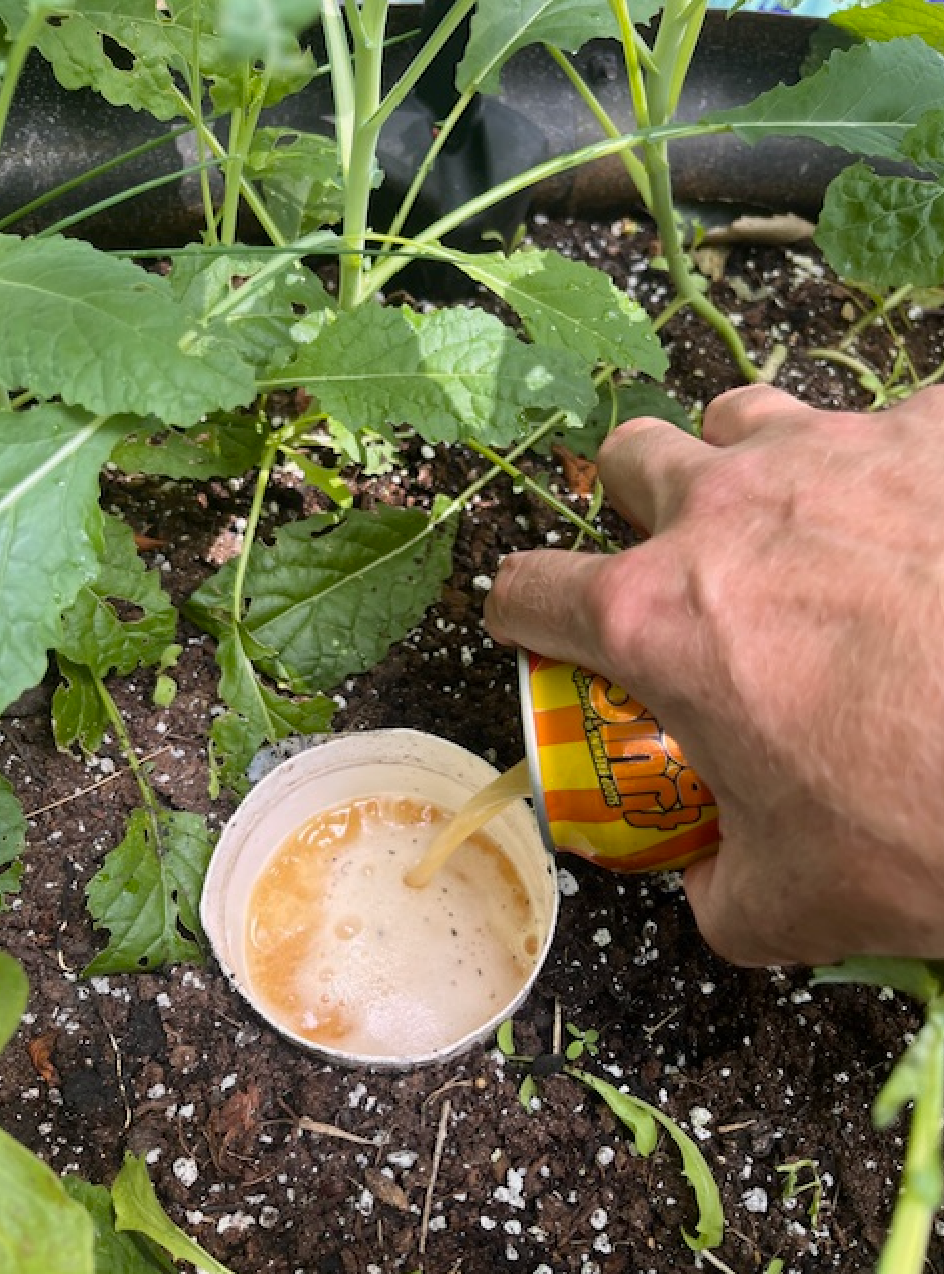
Keep slugs out of your garden with homemade traps using simple materials. Place shallow dishes filled with beer near plants. Slugs are attracted to the scent and will be caught easily.
Homemade slug traps offer a natural solution for garden pests. They are eco-friendly and easy to make. These traps can help keep your plants safe. Let’s explore some effective homemade slug traps.Beer Traps
Beer traps are popular for catching slugs. Slugs love the smell of beer. To make one, bury a small container in the soil. The rim should be level with the ground. Fill it with beer. Slugs will be attracted and fall in. This trap is simple and effective. Empty and refill the trap regularly. This keeps it working well.Fruit And Vegetable Bait
Fruits and vegetables attract slugs too. Use scraps like apple cores or lettuce leaves. Place them around your garden. Check the bait daily. Remove any slugs you find. Replace the bait to keep it fresh. This method is easy and uses kitchen waste. It helps reduce slug numbers naturally. Keep your garden safe from these pests.Beneficial Wildlife
Introduce natural predators like birds to your garden to keep slugs away. Create barriers using crushed eggshells or copper tape. These methods help protect your plants effectively and naturally.
Beneficial Wildlife Slugs can be a gardener’s nightmare. But nature provides allies to help combat them. Beneficial wildlife plays a crucial role in keeping slugs at bay. Encouraging these creatures in your garden can create a balanced ecosystem. This approach is not only effective but also environmentally friendly. Let’s explore two key allies: birds and hedgehogs.Encouraging Birds
Birds are natural predators of slugs. They help maintain the garden’s health. To attract birds, provide water sources. Bird baths are a great addition. They offer birds a place to drink and bathe. Plant native shrubs and trees. These provide shelter and nesting spots. Offer bird feeders with seeds. This keeps birds coming back. Place feeders strategically around the garden. Ensure they are in open areas. This allows birds to spot slugs easily. Keep feeders clean to attract healthy birds. Install nesting boxes for more permanent residents.Attracting Hedgehogs
Hedgehogs are known slug eaters. They roam gardens at night. To attract hedgehogs, create safe pathways. Use hedgehog holes in fences. This allows easy access. Provide piles of leaves and logs. These offer shelter and nesting sites. Avoid using slug pellets. They can harm hedgehogs. Offer fresh water in shallow dishes. Hedgehogs need water for hydration. Create compost areas. These attract insects hedgehogs feed on. Hedgehogs prefer quiet, undisturbed spaces. Keep areas wild and natural. This encourages hedgehogs to visit often. Your garden can thrive with these natural helpers. Encourage wildlife to enjoy a slug-free sanctuary.
Credit: www.youtube.com
Chemical-free Deterrents
Copper tape can deter slugs by creating a mild electric shock. Coffee grounds create a barrier, making slugs avoid crossing.
Chemical-free deterrents are a popular choice for keeping slugs away from gardens. They are safe for the environment and your plants. Many gardeners prefer these natural methods to avoid using harmful chemicals.Use Of Salt
Salt is a simple and effective slug deterrent. Sprinkle salt in areas where slugs frequently appear. It dehydrates and kills them on contact. Be cautious though. Too much salt can harm soil and plants. Use sparingly and only on pathways or non-plant areas.Natural Oils
Natural oils can repel slugs effectively. Essential oils like eucalyptus, tea tree, or peppermint work well. Mix a few drops with water in a spray bottle. Spray the mixture around your garden. This creates a barrier slugs dislike crossing. Ensure oils do not touch plants directly. They can harm leaves if applied directly.Plant Selection
Select slug-resistant plants to safeguard your garden. Choose varieties like ferns, lavender, and foxgloves. Their natural deterrents keep slugs away effectively.
Plant selection plays a vital role in keeping slugs out of your garden. By choosing the right plants, you can create a natural barrier against these pests. Certain plants repel slugs or are less attractive to them. This approach not only reduces slug damage but also enhances garden health. Below, explore plant choices that help deter slugs.Slug-resistant Plants
Slug-resistant plants can make a big difference. These plants have textures or scents that slugs dislike. Consider planting:- Lavender: Its strong scent deters slugs.
- Sage: Slugs avoid its thick, hairy leaves.
- Ferns: Their tough leaves are unappealing to slugs.
- Foxglove: Toxic to slugs, they steer clear.
Companion Planting
Companion planting pairs slug-resistant plants with vulnerable ones. This method creates a protective barrier. Some good combinations include:- Plant garlic near lettuce. Garlic repels slugs naturally.
- Surround hostas with rosemary. Slugs dislike rosemary’s scent.
- Use chives around strawberries. Chives deter slugs effectively.
Garden Maintenance
Prevent slugs from invading your garden by using natural barriers like crushed eggshells or copper tape. Encouraging slug predators such as birds can also help keep these pests at bay. Regularly checking for slugs and removing them manually further protects your plants.
Maintaining your garden is like nurturing a living tapestry. It’s a rewarding endeavor that requires attention to detail, especially when battling pesky slugs. These slimy intruders can wreak havoc on your carefully tended plants, but with a few strategic maintenance techniques, you can keep them at bay.Regular Weeding
Weeds are more than just an eyesore; they can be a welcoming habitat for slugs. By regularly removing weeds, you reduce hiding spots for these unwanted guests. Imagine pulling out a weed and discovering a slug lurking underneath—it’s a reminder that a clean garden bed is crucial. Make it a habit to check your garden weekly. A quick walk-through with a hoe can save you from a slug infestation.Proper Watering Techniques
Watering your garden may seem straightforward, but improper techniques can invite slugs. Slugs thrive in moist environments, so it’s essential to control when and how you water. Consider watering in the morning. This gives the soil a chance to dry out during the day, making it less appealing to slugs. Also, aim to water the soil directly rather than spraying the leaves. This not only conserves water but also prevents creating a damp haven for slugs. Have you ever noticed more slugs after a rainy spell? Adjust your watering schedule to mimic natural conditions, and watch your slug problems dwindle.Barriers And Fences
Barriers and fences can effectively keep slugs away from your garden. Copper tape or mesh creates a barrier that slugs dislike crossing. Consider using rough materials like crushed eggshells or gravel to deter them naturally.
Creating barriers and fences is an effective strategy to safeguard your garden from pesky slugs. These physical deterrents can help create a fortress around your beloved plants, ensuring slugs stay out. The secret is in choosing the right materials and techniques to build a protective shield. Let’s explore how you can leverage physical fences and mulch alternatives to keep your garden slug-free.Physical Fences
Physical fences are a direct and straightforward approach to slug prevention. You don’t need anything fancy to get started. A simple copper tape around the perimeter of your garden beds can create a barrier that slugs find unpleasant due to the reaction between their slimy bodies and the copper surface. You might also consider creating raised beds. Slugs find it harder to climb up steep surfaces, and with additional barriers, your plants can be well-protected. Chicken wire or mesh fencing can act as an excellent deterrent, making it tough for slugs to access your garden. Have you ever tried creating a mini fortress for your plants? It’s an engaging project that could save your garden from a slug invasion.Mulch Alternatives
Mulch is a common gardening material, but did you know it can also attract slugs? Opting for mulch alternatives can be a game-changer. Consider using crushed eggshells or sharp sand instead. These materials have a rough texture that slugs dislike, deterring them from crossing these surfaces. Another effective mulch alternative is pine needles. They create a dry and acidic environment, which slugs find unfavorable. Spread them generously around your plants and witness the difference. Switching up your mulch could be the unexpected insight your garden needs. Have you considered experimenting with these options to find what works best for you?Diy Remedies
Copper tape can deter slugs effectively. Placing crushed eggshells around plants creates a barrier. Coffee grounds can repel slugs too, while also enriching the soil.
If you’ve ever woken up to find your lush garden turned into a slug buffet, you’re not alone. The good news is, you don’t need expensive store-bought solutions to keep these slimy invaders at bay. With a few household items, you can create effective DIY remedies that are both eco-friendly and easy on the wallet. Let’s dive into some simple yet powerful methods to help protect your garden.Garlic And Vinegar Sprays
Garlic is not just for warding off vampires; it can also help keep slugs away from your plants. Crush a few cloves of garlic and let them steep in water for a day. Strain the mixture, add a splash of vinegar, and pour it into a spray bottle. Spray this potent solution around the base of your plants. The strong scent is unappealing to slugs, encouraging them to look elsewhere for their next meal. It’s a natural deterrent that won’t harm your plants or the environment. You might be thinking, “Will my garden smell like an Italian restaurant?” Fear not, the scent dissipates quickly to human noses but lingers just enough to make slugs reconsider their route.Citrus Peels
Citrus peels are a fantastic way to recycle kitchen waste while protecting your garden. After enjoying your morning orange or grapefruit, don’t toss the peels away. Instead, place them around your garden beds. Slugs are attracted to the sweet scent and crawl into the peels, only to become trapped. The next morning, simply collect the peels and dispose of them, along with the slugs inside. This method not only helps in slug control but also adds a touch of freshness to your garden, and who doesn’t love the smell of citrus? Plus, it’s a sustainable practice that reduces waste. Have you ever tried making your garden a no-slug zone with these simple remedies? If not, give them a shot and watch your garden flourish slug-free!:max_bytes(150000):strip_icc()/GettyImages-2155385577-b24a2ba01e604b4da96ba59cd4a991f2.jpg)
Credit: www.thespruce.com
Frequently Asked Questions
How Do I Permanently Get Rid Of Slugs?
Use copper barriers and diatomaceous earth around plants to deter slugs. Encourage natural predators like birds and frogs. Maintain a dry garden environment by reducing moisture and removing hiding spots. Regularly handpick slugs or use organic slug pellets for effective control.
What Is The Best Homemade Slug Repellent?
Crushed eggshells deter slugs effectively. Sprinkle them around plants for a natural, eco-friendly barrier.
Do Coffee Grounds Repel Slugs?
Coffee grounds can deter slugs due to their caffeine content. Spread grounds around plants for best results. They create a barrier that slugs avoid. Use fresh coffee grounds for stronger effect. While not foolproof, it’s a natural and eco-friendly method to protect your garden.
What Do Slugs Hate Most?
Slugs hate salt, which dehydrates and kills them. They also dislike copper surfaces and coffee grounds. Diatomaceous earth disrupts their movement, while garlic and ammonia repel them. These methods deter slugs naturally and effectively.
Conclusion
Keeping slugs out of your garden doesn’t have to be hard. Use natural methods to protect your plants. Beer traps and copper barriers work well. Salt and eggshells can deter slugs. Plant slug-resistant species for extra protection. Regularly check for slugs during wet seasons.
Remove hiding spots like rocks and wood. Encourage natural predators like birds and frogs. A tidy garden makes slug control easier. Stay consistent with your efforts. Happy gardening!


