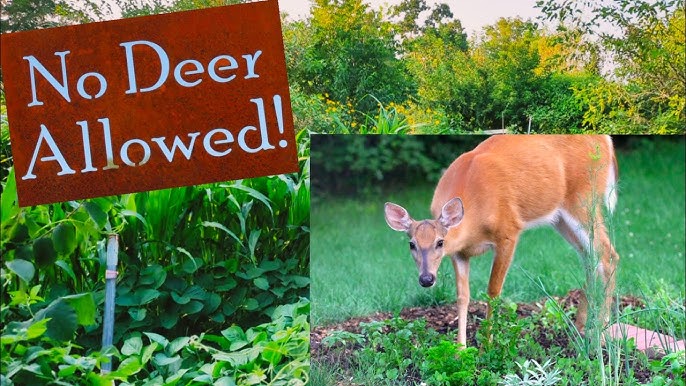
Imagine spending hours nurturing your garden, only to find that deer have turned it into their personal buffet overnight. Frustrating, right?
You’re not alone. Many gardeners face the challenge of keeping these graceful but greedy creatures at bay. Whether you’re growing delicate flowers or delicious vegetables, protecting your garden from deer doesn’t have to feel like an uphill battle. You’ll discover practical and effective strategies to safeguard your garden without harming these beautiful animals.
Ready to reclaim your garden and enjoy the fruits of your labor? Let’s dive into solutions that work.
Natural Barriers
Keeping deer out of a garden can be a big challenge. Natural barriers are effective and eco-friendly. They blend well with the garden. These barriers can be both physical and plant-based. This ensures the garden stays beautiful and safe from deer.
Fencing Options
Fencing is a reliable way to deter deer. Install a fence at least eight feet tall. Deer can jump high. A tall fence will keep them out. Choose materials like wood or metal. These are sturdy and long-lasting. Electric fences work well too. They give a mild shock. This teaches deer to stay away. Invisible fences use sensors. They emit a sound deer dislike. This keeps them out without a visible barrier.
Hedge Planting
Hedges create a natural barrier. Plant thorny shrubs around the garden. Roses or barberry work well. Deer avoid sharp thorns. Dense hedges block deer vision. They won’t jump if they can’t see the other side. Choose plants with strong scents. Lavender or sage are good choices. Deer dislike strong smells. This discourages them from entering.
Repellents
Natural repellents can deter deer from gardens effectively. Use scented sprays or plant strong-smelling herbs like lavender. These scents confuse and repel deer, keeping your plants safe.
Keeping deer out of your garden can be a relentless battle, especially if you live in an area where they frequently wander. Repellents offer a practical solution to deter these graceful yet destructive visitors. By using methods that make your garden less appealing to deer, you can protect your precious plants and flowers.Scent-based Solutions
Deer have a keen sense of smell, which you can use to your advantage. Strong scents can be a powerful deterrent. Garlic and peppermint oils are popular choices. Mixing these oils with water and spraying around your garden can create an invisible barrier. Another option is to use commercial scent repellents, which often contain putrescent egg solids and other strong-smelling ingredients. These products mimic the scent of predators, instilling fear in deer. Have you ever noticed how deer avoid areas where predators lurk? Replicating this environment can be an effective strategy.Taste Deterrents
If scent repellents aren’t enough, adding taste deterrents can enhance your defense. These solutions make your plants taste unpleasant to deer. Sprays with bittering agents like Bitrex can be applied directly to foliage. Homemade mixes can also be effective. For example, a solution of water, dish soap, and hot pepper can discourage deer from munching on your plants. It’s like adding a touch of spice that deer simply can’t handle. Have you tried different taste deterrents? Experimenting with various concoctions can reveal what works best for your garden. Remember, consistency is key. Reapply these solutions after rain or heavy dew to maintain their effectiveness. By mixing and matching these strategies, you can create a deer-free sanctuary for your plants.Physical Deterrents
Keeping deer out of a garden can be a challenge. Physical deterrents offer a practical solution. These methods create barriers that deer find hard to bypass. They can be effective if used correctly. Let’s explore a couple of popular options.
Motion-activated Devices
Motion-activated devices startle deer with sudden movements or lights. When a deer approaches, the device activates. This can scare the deer away. Some devices use water sprays. Others flash bright lights or produce sounds. These unexpected actions can deter deer from entering your garden.
Noise Makers
Noise makers can keep deer away. They produce sounds that deer dislike. These devices create unfamiliar noises. Deer feel uneasy and leave the area. Some noise makers have random settings. This prevents deer from getting used to the sound.
Garden Layout Strategies
Keeping deer out of your garden involves strategic planning. Install tall fences to deter jumping. Consider planting deer-resistant plants like lavender and marigolds.
Garden layout strategies play a crucial role in keeping deer away. Thoughtful planning and smart plant choices can protect your garden. These strategies not only deter deer but also enhance garden aesthetics. By using specific planting techniques, you create a natural defense system. Let’s explore effective methods to safeguard your garden.Companion Planting
Companion planting involves growing plants that repel deer near vulnerable ones. Strongly scented herbs and flowers are excellent choices. Rosemary and lavender deter deer with their aroma. These plants protect more delicate ones nearby. Additionally, they add a pleasing fragrance to the garden. Marigolds and garlic are other good options. Their pungent smell keeps deer at bay.Barrier Plants
Barrier plants form a protective wall around your garden. Thorny shrubs like barberry discourage deer from entering. Plant them along the garden borders for best results. Deer dislike plants with prickly textures. Holly is another effective barrier plant. Its spiky leaves create a natural fence. Choose dense, bushy plants for stronger protection. This keeps deer away and adds privacy to your garden.Advanced Technologies
Dealing with deer in your garden can be a frustrating challenge, especially when traditional methods fall short. Fortunately, advanced technologies offer innovative solutions to keep these graceful yet pesky visitors at bay. These modern tools not only protect your plants but also provide an opportunity to make your gardening more efficient and tech-savvy.
Ultrasonic Devices
Ultrasonic devices emit high-frequency sounds that are inaudible to humans but highly irritating to deer. These gadgets can be placed around the perimeter of your garden to create an invisible sound barrier. The sound waves trigger an instinctual response in deer, prompting them to steer clear of your cherished plants.
Many gardeners have reported positive results with ultrasonic devices, noting a significant reduction in deer visits. They are easy to install and require minimal maintenance, making them a hassle-free solution. However, it’s essential to ensure the device’s range covers your entire garden for optimal effectiveness.
Smart Garden Systems
Smart garden systems integrate technology and gardening to keep deer at bay while enhancing your gardening experience. These systems often include sensors and cameras that monitor your garden’s perimeter. If a deer is detected, the system can trigger lights, sounds, or sprinklers to scare them off.
Some systems can even send alerts to your smartphone, allowing you to take immediate action. This real-time monitoring ensures that you are always one step ahead of any potential intruders. Imagine sipping your morning coffee and receiving a notification that your garden is safe and sound!
Have you considered how integrating these technologies could transform your gardening routine? While traditional methods are useful, leveraging advanced tech could be your best bet against determined deer. Try these innovative solutions and reclaim your garden from these uninvited guests!

Credit: www.facebook.com
Behavioral Techniques
Using behavioral techniques can effectively keep deer out of gardens. Try hanging reflective objects to startle them. Planting deer-resistant plants can also discourage their visits.
Behavioral techniques can be effective in keeping deer out of your garden. These methods focus on influencing deer behavior to deter them from entering your space. By understanding and adapting to their habits, you can make your garden less appealing to them.Habituation Prevention
Deer can become accustomed to certain deterrents over time. To prevent this, change your approach regularly. Use motion-activated sprinklers as one option. Their sudden action startles deer, making them wary. Another choice is to install wind chimes. Their sound can disturb deer, encouraging them to leave. Mix these strategies often to keep deer guessing. Rotate different methods to maintain effectiveness. This can help keep deer from feeling safe in your garden.Seasonal Adjustments
Deer behavior changes with the seasons. In winter, they search for food more actively. This increases the risk of garden visits. Adapt your strategies during these times. Use stronger deterrents in colder months. During spring, deer may be less hungry, so lighter measures may work. Understand these seasonal patterns to better protect your garden. Adjust methods based on deer activity and seasons. This keeps your garden safe throughout the year.Community Solutions
Installing tall fences can deter deer from entering the garden. Consider using deer-resistant plants to discourage them. Applying repellents regularly helps keep deer at bay.
Community solutions can be a powerful approach to keeping deer out of your garden. Working together with your neighbors and local wildlife management can create a harmonious environment where gardens flourish without the threat of deer intrusion. By pooling resources and sharing insights, a community can implement effective strategies that benefit everyone.Neighborhood Cooperation
Imagine if your whole neighborhood rallied together to tackle the deer problem. By coordinating efforts, you can create a unified front that deters deer from entering shared spaces. You could start by organizing regular meetings to discuss deer sightings and share tips on deterrents that have worked. Creating a neighborhood watch for deer, much like a crime watch, can be surprisingly effective. Consider setting up a communication system, perhaps a group text or social media page, where neighbors can alert each other about deer activity. What if your neighborhood collaborated on fencing projects? Group purchasing agreements can lower costs, and collective installation days can foster community spirit while ensuring everyone’s garden is protected.Local Wildlife Management
Engaging with local wildlife management authorities can offer additional support and resources in keeping deer at bay. Reach out to these organizations to learn about any existing deer control programs or initiatives in your area. They can provide valuable insights on the most effective methods for deterring deer, tailored to your specific region’s needs. Some areas might offer workshops or educational sessions on deer behavior and management, which can be a goldmine of information. Do you know if your local wildlife management can provide humane solutions like repellents or deterrents? They often have access to options that are environmentally friendly and safe for other wildlife. By fostering a relationship with these experts, your community can stay informed on the latest techniques and policies for managing deer populations effectively. Are there any local ordinances or regulations regarding deer management that you need to be aware of? Understanding these can ensure your community’s efforts are compliant and effective. Collaborating with wildlife management not only helps protect your garden but also contributes to the ecological balance in your area. Together, neighborhood cooperation and local wildlife management create a robust network of solutions that can keep deer out and let your garden thrive.:max_bytes(150000):strip_icc():format(jpeg)/GettyImages-1277583501-f6499182af5e41f0bbfd3fac1881dda9.jpg)
Credit: www.yahoo.com

Credit: www.aol.com
Frequently Asked Questions
How Do I Stop Deer From Eating My Garden?
Use deer repellents or install a fence around your garden. Plant deer-resistant plants to deter them naturally. Use motion-activated devices to scare deer away. Apply homemade or commercial deterrents regularly for effective results. Keep your garden tidy and free of fallen fruits or vegetables to minimize attraction.
What Smell Do Deer Absolutely Hate?
Deer absolutely hate the smell of predator urine, such as coyote or wolf. They also dislike strong scents like garlic, peppermint, and vinegar. Using these odors can help deter deer from gardens and yards effectively.
What Will Make Deer Stay Away?
Use strong-smelling repellents like garlic spray or commercial deer repellents. Install motion-activated lights or noise devices. Plant deer-resistant plants such as lavender or sage. Build sturdy fences around gardens. Regularly change deterrent methods to prevent deer adaptation.
Do Coffee Grounds Keep Deer Away From Plants?
Coffee grounds can deter deer from plants due to their strong smell. Scatter them around your garden. This natural method is eco-friendly and cost-effective. Regular application may be necessary for best results.
Conclusion
Keeping deer out of your garden requires strategy and patience. Try fencing for a physical barrier. Plant deer-resistant plants to deter them naturally. Use repellents regularly to keep them away. Install motion-activated devices to scare deer off. Maintain your garden well to avoid attracting deer.
Each method has its benefits. Experiment to find what works best for your garden. Protect your plants consistently to ensure success. Enjoy a beautiful garden free from deer damage. With effort, your garden can thrive peacefully.


