
Imagine stepping into your garden, greeted by vibrant colors and the gentle rustle of leaves. This is your sanctuary, a place where you nurture life and watch it flourish.
But then, you notice something unwelcome – bugs munching on your precious plants, threatening to undo all your hard work. It’s frustrating, isn’t it? You’re not alone in this battle. Many gardeners face the same challenge, and you’re probably wondering how you can keep these pesky invaders at bay.
You want solutions that work, strategies that are simple yet effective. You want to reclaim your garden without resorting to harsh chemicals or spending a fortune. This is where your journey towards a bug-free garden begins. As you read on, you’ll discover proven methods to protect your plants and preserve your peaceful retreat. Imagine a garden where every leaf is untouched by pests and where your flowers bloom with unmatched beauty. That vision is within reach, and this article will guide you on how to make it a reality.
Natural Pest Barriers
Natural pest barriers protect gardens by creating physical obstacles or repelling bugs. Use mulch or companion planting for effective defense. Incorporate aromatic herbs to deter unwanted insects naturally.
Natural pest barriers keep your garden free from unwanted bugs. These barriers use nature’s own defenses to protect plants. They are safe and effective. Let’s explore two popular methods.Using Companion Plants
Companion planting is a natural way to deter pests. Some plants repel insects with their scent. Marigolds are a good example. They keep nematodes away. Basil can ward off flies and mosquitoes. Plant basil near tomatoes to protect them. Another effective plant is lavender. It repels moths and fleas. Place it near vegetables for added protection. Nasturtiums also help. They attract aphids away from other plants. This keeps your main crops safe.Creating Physical Barriers
Physical barriers prevent bugs from reaching plants. Floating row covers are popular. They are lightweight and protect crops from insects. These covers allow sunlight and water to reach plants. Netting is another option. It keeps birds and larger pests out. Use mesh with small holes for best results. You can also use copper tape around plant beds. This deters slugs and snails effectively. Eggshells can create a barrier too. Crush them and sprinkle around plants. Their sharp edges deter soft-bodied pests. This method is simple and eco-friendly.Beneficial Insects
Keeping bugs out of your garden doesn’t always mean reaching for the spray bottle. Sometimes, the best solution is nature itself. Beneficial insects can be your garden’s most effective allies, tackling unwanted pests while helping maintain a healthy ecosystem. But how do you attract these tiny heroes? Let’s explore some practical steps.
Attracting Helpful Predators
One way to invite beneficial insects into your garden is by creating a welcoming environment. Plant a variety of flowers and herbs that these insects love. Think marigolds, dill, and fennel. These plants provide nectar and pollen, which beneficial insects need to thrive.
Have you ever noticed how a diverse garden seems to buzz with life? This diversity draws in a range of helpful predators like ladybugs and lacewings, which feast on aphids and other pests. So, mix up your plantings and watch nature do the work for you.
Balancing Ecosystems
Creating balance in your garden ecosystem means thinking beyond just attracting good bugs. It’s about maintaining a healthy cycle. Avoid overusing pesticides, as they don’t discriminate between harmful pests and helpful insects.
Consider this: When you see a few pests, it’s not always a bad sign. They can attract predators who keep the pest population in check. By allowing a small number of pests to exist, you support a balanced ecosystem.
Reflect on a time when you found a ladybug in your garden. Did you notice fewer aphids afterward? This is balance in action. Encouraging this natural process can save you effort and keep your garden thriving.
Organic Pesticides
Organic pesticides offer a natural solution to keep bugs out of your garden. These eco-friendly options help protect plants without harming the environment, ensuring a healthy garden ecosystem.
Organic pesticides offer a safer choice for keeping bugs out of your garden. They protect plants without harming the environment or beneficial insects. Organic options reduce the risk of chemical exposure to you and your family. They focus on sustainable methods, ensuring long-term garden health. Discovering effective organic solutions can transform your gardening experience. Explore homemade and commercial options that suit your needs.Homemade Solutions
Homemade pesticides use simple ingredients found in most kitchens. They are easy to make and apply. Garlic spray repels insects with its strong smell. Mix crushed garlic with water for an effective spray. Soap spray disrupts insect cell membranes. Combine mild soap and water to create this solution. Baking soda helps control fungal diseases. Mix it with water and apply to affected areas. These solutions are cheap and safe for your plants.Commercial Organic Options
Commercial organic pesticides provide convenience and reliability. They are tested and proven effective against common garden pests. Neem oil disrupts insect growth and reproduction. It is safe for bees and other beneficial insects. Pyrethrin, derived from chrysanthemums, targets a wide range of pests. It is biodegradable and breaks down quickly. Spinosad, a bacterial fermentation product, controls caterpillars and beetles. Always read labels for application instructions and safety guidelines. Commercial options offer peace of mind with consistent results.Regular Garden Maintenance
Regular garden maintenance involves keeping bugs out to protect plants. Use natural repellents like garlic spray or companion planting. Regularly inspect plants for signs of pests and remove affected leaves. Keep the garden clean by removing debris where bugs hide, and encourage beneficial insects.
Regular garden maintenance is your first line of defense against unwelcome garden bugs. A well-maintained garden not only thrives but also has fewer hiding spots for pests. By focusing on consistent care, you ensure your plants grow healthy and resilient, making them less attractive to insects.Weed Control Strategies
Weeds are more than just an eyesore; they compete with your plants for nutrients and water. They can also serve as breeding grounds for pests. To keep weeds at bay, consider using mulch. Mulch can smother weeds and maintain soil moisture. Pulling weeds by hand is effective, especially after rain when the soil is soft. You might find it therapeutic, like a mini workout in nature’s gym.Proper Watering Techniques
Watering seems simple, but it’s crucial to get it right. Over-watering or under-watering can stress plants, making them susceptible to pests. Water early in the morning so plants can dry throughout the day. This helps avoid fungal diseases that attract bugs. Use a soaker hose to water the base of the plants directly. This reduces water waste and keeps leaves dry, making it harder for pests to thrive. Regular garden maintenance isn’t just a chore; it’s a commitment to your garden’s health. By integrating these practices, you’re setting up a natural barrier against pests, ensuring a vibrant and flourishing garden. What techniques have you found most effective in keeping your garden bug-free?Crop Rotation Techniques
Rotating crops helps keep bugs away by disrupting their life cycles. Different plants attract different pests, confusing them. This method reduces pest infestations naturally, promoting healthier gardens.
Crop rotation is a smart way to protect your garden. It helps manage pests and keeps soil healthy. By changing plant locations, you confuse pests and prevent soil problems. This technique is simple yet effective.Preventing Soil Depletion
Repeated planting of the same crops drains the soil. Different plants need different nutrients. Rotating crops ensures balanced nutrient use. Soil remains rich and fertile. Healthy soil means strong plants.Disrupting Pest Life Cycles
Pests have specific host plants. They thrive when you plant the same crops. Rotating crops interrupts their life cycles. Pests struggle to find food. This reduces their numbers naturally. Your garden stays healthy and vibrant.
Credit: www.youtube.com
Healthy Soil Practices
Healthy soil practices can deter garden pests naturally. Plant companion herbs like basil or mint to repel bugs. Regularly turning the soil disrupts pest habitats, keeping your garden thriving.
Healthy soil is the foundation of a thriving, pest-free garden. By nurturing your soil, you create an environment that naturally deters harmful insects and promotes robust plant growth. But how do you ensure your soil is healthy enough to fend off those pesky bugs?Composting Benefits
Composting is a simple yet powerful way to enhance soil health. By adding compost to your garden, you enrich the soil with essential nutrients that promote strong plant development. This not only helps your plants grow but also makes them less attractive to pests. Have you ever noticed how plants in rich, dark soil seem to flourish? That’s the magic of compost at work. It improves soil structure, retains moisture, and encourages beneficial microorganisms that combat pests naturally.Soil Amendment Tips
Amending your soil is another effective strategy to keep bugs at bay. Consider adding organic matter like well-rotted manure or leaf mold to improve soil texture and fertility. This ensures your plants have a steady supply of nutrients, reducing their vulnerability to pest attacks. Check your soil’s pH levels, too. Some pests thrive in specific pH conditions. By adjusting your soil’s acidity or alkalinity, you create an inhospitable environment for these unwanted visitors. Incorporate crop rotation in your gardening routine. This practice prevents pests from settling in one spot, as they are often crop-specific. What steps will you take today to enrich your soil and safeguard your garden?Garden Sanitation
Garden sanitation is vital to keep bugs at bay. Regularly clear debris and weeds to eliminate hiding spots. Use natural repellents like garlic spray or neem oil to deter pests effectively.
Keeping bugs out of your garden can be a challenging task, but maintaining garden sanitation is a critical first step. A clean garden is less inviting to pests and helps keep your plants healthy. By focusing on garden sanitation, you can create an environment that is less conducive to bug infestations.Removing Debris
Imagine walking through your garden and noticing wilted leaves or fallen branches scattered around. This debris not only makes your garden look untidy but also provides a cozy habitat for bugs. Regularly removing dead plant material and fallen leaves is essential. It reduces hiding places and breeding grounds for pests. Make it a habit to check your garden weekly and clear out any debris. You’ll be surprised how this small effort can significantly reduce pest problems.Sterilizing Tools
Have you ever thought about the cleanliness of your gardening tools? Dirty tools can transfer pests and diseases from one plant to another. Sterilizing your tools is as important as washing your hands to prevent germs. After each use, wipe down your tools with a solution of water and bleach. This simple step ensures you’re not unknowingly spreading harmful elements in your garden. It might feel like an extra chore, but it’s a wise practice for any serious gardener. When was the last time you cleaned your pruning shears? By focusing on removing debris and sterilizing tools, you take proactive steps to protect your garden. These practices not only improve the health of your plants but also enhance the beauty of your outdoor space. Are you ready to make garden sanitation a priority this growing season?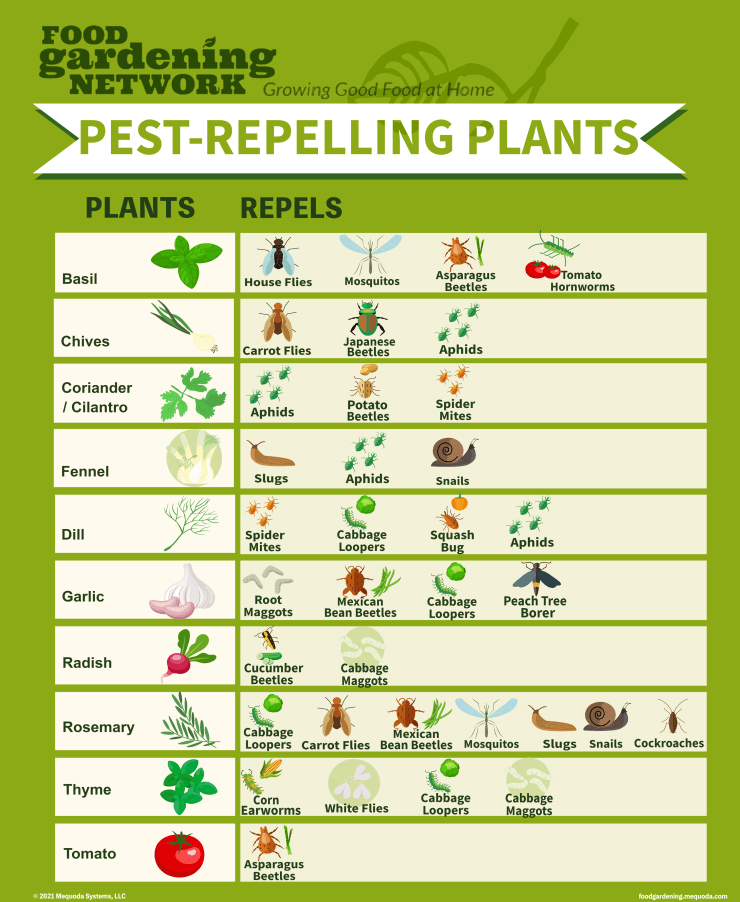
Credit: foodgardening.mequoda.com
Seasonal Strategies
Seasonal strategies can be your best ally in keeping bugs out of your garden. By understanding the changing seasons, you can make adjustments that naturally deter pests. It’s about timing and using the right techniques to keep your garden healthy and thriving. Are you ready to make your garden a bug-free zone?
Adjusting Planting Times
Timing is everything. Planting certain crops at the right time can reduce pest problems. For example, if you plant early, you can avoid peak pest seasons. This means fewer bugs nibbling on your plants. Ask yourself, are you planting at the optimal time?
Consider your local climate and the lifecycle of pests in your area. Some bugs are more active during specific seasons. By adjusting your planting calendar, you can outsmart these pests.
Using Mulch Effectively
Mulch isn’t just for keeping soil moist; it can also deter pests. A thick layer of mulch can prevent weeds, which attract bugs. It creates a barrier that many insects find hard to cross.
Organic mulch like wood chips or straw can enhance soil health, too. Healthy soil means stronger plants that resist pests better. Are you using the right type of mulch in your garden?
Mulch can also regulate soil temperature, making it less inviting for bugs during extreme weather. This simple strategy can make a big difference in your garden’s pest management. Give it a try and see the results for yourself.

Credit: www.youtube.com
Frequently Asked Questions
What Repels Bugs In The Garden?
Plant marigolds and lavender to naturally repel bugs in the garden. Use neem oil and garlic spray for added protection. Regularly remove debris to reduce hiding spots for pests. Encourage beneficial insects like ladybugs and lacewings to control harmful bugs.
Maintain healthy soil to prevent pest infestations.
How Do I Stop Bugs From Eating My Vegetable Garden?
Use organic pesticides to deter bugs. Plant companion herbs like basil and mint. Introduce beneficial insects such as ladybugs. Regularly inspect and remove affected leaves. Maintain healthy soil with compost.
How Do I Pest Proof My Garden?
Use companion planting and introduce beneficial insects. Keep your garden clean and debris-free. Utilize natural pesticides, like neem oil. Install barriers such as netting or row covers. Regularly inspect plants for signs of pests.
Do Coffee Grounds Keep Bugs Away?
Yes, coffee grounds can repel bugs. Their strong scent deters pests like ants, snails, and mosquitoes. Spread them around plants or entry points for effective results. Additionally, coffee grounds are eco-friendly, making them a sustainable option for pest control. Regularly refresh the grounds to maintain their effectiveness.
Conclusion
Keeping bugs out of your garden is possible with simple strategies. Regular checks help spot issues early. Natural repellents protect plants without chemicals. Companion planting offers natural pest control. Encouraging helpful insects boosts plant health. Clean debris to reduce bug hiding spots.
Healthy soil strengthens plants against pests. Watering in the morning prevents diseases. Use barriers like nets to shield crops. Stay proactive and keep learning new techniques. Your garden can thrive with consistent care and attention. Enjoy a flourishing, bug-free garden season after season.


