Imagine stepping into your garden, eager to see your hard work bloom, only to find that chipmunks have turned it into their playground. These tiny creatures, while cute, can wreak havoc on your plants, bulbs, and even your peace of mind.
If you’ve noticed small holes in your flower beds or bite marks on your vegetables, it’s time to take action. You’re not alone in this; many gardeners face the same challenge. But don’t worry, there’s a way to reclaim your garden without harming these little visitors.
Stick around to discover practical, humane methods to keep chipmunks at bay and restore harmony to your green space. Your garden deserves to thrive, and you have the power to make that happen.
Understanding Chipmunk Behavior
Understanding chipmunk behavior helps in managing their presence in gardens. Use natural deterrents like predator scents or plant garlic and hot peppers. These strategies can keep chipmunks at bay, ensuring your garden stays beautiful and chipmunk-free.
Understanding chipmunk behavior helps in managing their presence in gardens. These small creatures are active and curious. They have distinct patterns that can be observed. Learning these habits provides insight into their needs and movements.Identifying Chipmunk Habitats
Chipmunks prefer areas with dense vegetation. They seek cover from predators. Rocks, logs, and shrubs offer ideal spots. They often create burrows near food sources. These burrows can extend several feet underground.Recognizing Feeding Patterns
Chipmunks are omnivores. They eat seeds, nuts, fruits, and insects. They store food for winter months. Look for signs of nibbling on plants. This indicates their activity in your garden.Observing Daily Activity
Chipmunks are diurnal. They are most active during daylight. Early morning and late afternoon are peak times. Watch for their quick movements. They scurry around searching for food.Understanding Territorial Behavior
Chipmunks are territorial creatures. They defend their space from others. They use vocalizations to warn intruders. Listen for high-pitched chirps. This signals their presence and territorial claims.Adapting To Seasonal Changes
Chipmunks adjust behavior with seasons. In spring, they emerge from hibernation. Summer is spent gathering food. Fall sees increased activity storing provisions. Winter leads to reduced surface activity.Identifying Chipmunk Damage
Spotting chipmunk damage involves checking for small holes in the ground and chewed plants. These rodents may also disturb flower beds and create burrows around patios. Effective removal includes using traps or repellents and securing garden boundaries to prevent entry.
Identifying chipmunk damage in your garden is crucial for effective control. These small creatures can cause significant harm to plants and structures. Recognizing their presence early helps in managing the situation before it worsens. Chipmunks often leave subtle signs that can be mistaken for other pests. Knowing what to look for can make all the difference.Signs Of Burrowing
Chipmunks dig extensive tunnel systems. Look for small holes in the soil. These are often near plants or garden edges. The holes are usually about two inches wide. You might also notice displaced soil or small mounds.Chewed Plant Material
Examine plant stems and leaves. Chipmunks love tender shoots and flowers. They often leave jagged edges where they have chewed. This damage can stunt plant growth.Missing Bulbs And Seeds
Chipmunks feast on bulbs and seeds. If you notice missing bulbs, suspect chipmunks. They dig them up for food. Seeds can vanish from feeders or soil. This impacts your garden’s growth.Scratched Or Damaged Bark
Check trees and shrubs for bark damage. Chipmunks climb and scratch bark. This can expose plants to disease. Look for fresh scratches or stripped bark.Scattered Debris
Chipmunks leave debris around entry points. You might find leaf litter or twigs scattered. This is a sign they are nesting nearby. Debris is often near their burrows or food sources.Natural Deterrents
Plant garlic or peppermint near your garden to keep chipmunks away. These plants have strong scents that deter them. Spread cayenne pepper around to protect your plants further.
Natural deterrents offer a gentle way to keep chipmunks away. They help maintain the garden’s balance and beauty. Using these methods can protect plants without harming wildlife. Here are some effective strategies to consider.Essential Oils And Repellents
Many essential oils can deter chipmunks effectively. Peppermint and eucalyptus oils are popular choices. Their strong scents can overwhelm chipmunks’ sensitive noses. Mix a few drops of oil with water. Spray this solution around the garden. This helps keep chipmunks at bay without chemicals. Natural repellents like garlic can also work. Crush garlic cloves and mix them with water. Spray this mixture in areas where chipmunks frequent.Predator Urine And Scent
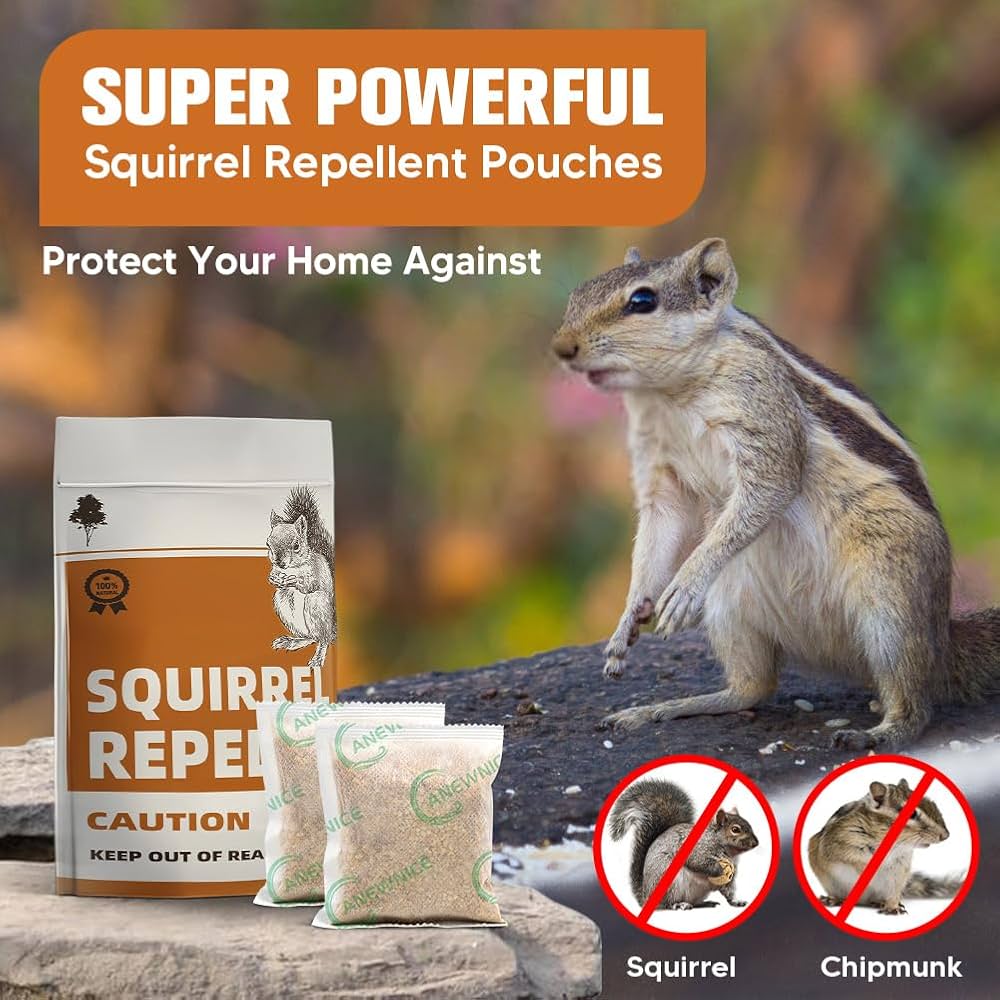
Predator urine can scare chipmunks away. Fox or coyote urine are common options. These scents create a sense of danger for chipmunks. You can buy predator urine from garden centers. Sprinkle it around the perimeter of your garden. This makes chipmunks think twice before entering. Scented granules are another choice. They mimic the smell of predators and keep chipmunks out.Homemade Remedies
Homemade solutions can be simple yet effective. Mix cayenne pepper with water to create a spray. This spicy mixture irritates chipmunks’ senses. Apply it to plants and garden borders. Another remedy involves using vinegar. Chipmunks dislike its strong smell. Soak cotton balls in vinegar. Place them strategically around the garden. This helps deter chipmunks naturally and safely.Physical Barriers
Installing physical barriers can effectively keep chipmunks out of the garden. Use fencing or mesh to protect plants. Secure gaps and holes to prevent entry, ensuring a chipmunk-free environment.
Physical barriers are a highly effective way to protect your garden from chipmunks. By creating obstacles, you can deter these small creatures from accessing your plants and wreaking havoc. Let’s explore some practical solutions to keep your garden chipmunk-free.Fencing And Netting
Installing fencing around your garden is a straightforward approach to keeping chipmunks at bay. Opt for a fine mesh fence that is at least 12 inches deep into the ground. This prevents chipmunks from burrowing underneath. Consider adding netting over your plants, particularly if you have fruit-bearing shrubs or vegetables. Lightweight and easy to install, netting provides an additional layer of defense. Remember to secure it tightly to prevent any gaps.Garden Layout Adjustments
Rethinking your garden layout can also play a significant role in discouraging chipmunks. Planting taller, denser vegetation along the perimeter of your garden can act as a natural barrier. This creates a less inviting path for chipmunks to navigate. You might also want to try elevating your garden beds. Raised beds can make it more challenging for chipmunks to reach your plants. Plus, they offer the added benefit of better soil drainage. Have you considered altering the spacing between plants? By reducing gaps, you limit the open spaces that chipmunks can easily move through. This simple adjustment can make a big difference. Creating physical barriers not only keeps chipmunks out but also brings peace of mind. What strategies have you found effective in your garden?Trapping Methods
Place humane traps in the garden to catch chipmunks. Use peanut butter or seeds as bait inside the trap. Relocate the trapped chipmunks far away to prevent their return.
Trapping Methods Chipmunks can be cute, but when they start digging up your garden, they quickly become unwelcome guests. Trapping is a humane and effective way to manage their presence without resorting to harmful methods. It requires a bit of strategy, but with the right approach, you can safely remove them from your garden.Live Traps
Live traps are a popular choice for catching chipmunks without harming them. These traps are designed to safely contain the animal until you can release it elsewhere. Consider using a small cage trap that allows easy entry but makes escape impossible. Make sure to check the traps regularly to ensure the chipmunks aren’t left in distress.Placement And Baiting
Proper placement and baiting of traps are crucial for success. Position traps near areas where chipmunks frequently roam, such as near burrows or along garden paths. Use bait that chipmunks find irresistible, like sunflower seeds or peanut butter. Place the bait inside the trap to lure them in effectively. Have you thought about how the weather affects your baiting strategy? Wet conditions can spoil bait quickly, reducing its effectiveness. Consider using waterproof bait containers to keep it fresh longer. By actively monitoring and adjusting your trapping strategy, you can maintain a chipmunk-free garden while ensuring their safe relocation.Habitat Modification
Altering the garden environment can discourage chipmunks. Remove potential food sources like birdseed and fallen fruits. Seal entry points to prevent nesting.
Habitat modification is a key strategy in managing chipmunks in your garden. By making a few changes to their living environment, you can effectively deter these small creatures. Let’s dive into how you can adjust your garden to be less inviting to chipmunks.Removing Food Sources
One of the primary reasons chipmunks invade gardens is the abundance of food. Start by removing any bird feeders, or opt for feeders with catch trays that minimize spillage. Secure your trash bins with tight lids to prevent scavenging. Consider changing the plants in your garden. Chipmunks love certain fruits and vegetables, so swapping them out for less appetizing options can help. Think about planting daffodils or garlic, which are less appealing to these critters.Garden Cleanliness
Keeping your garden tidy is another effective way to discourage chipmunks. Regularly rake and remove fallen fruits, nuts, and seeds. A clean garden provides fewer hiding spots and less food for chipmunks. Trim overgrown bushes and shrubs to reduce sheltering spaces. By maintaining a neat garden, you’re not just beautifying your space, but also making it less attractive to chipmunks. Have you ever noticed how a cluttered garden seems to invite more wildlife? A clean, orderly garden can make all the difference in managing unwanted visitors.Using Technology
Chipmunks can be cute, but they can also wreak havoc in your garden. If you’re tired of seeing your plants uprooted and your flower beds disturbed, technology can offer some innovative solutions. By integrating modern gadgets, you can effectively deter these furry visitors without harming them. Let’s delve into how ultrasonic devices and motion-activated sprinklers can be your allies.
Ultrasonic Devices
Ultrasonic devices emit high-frequency sound waves that are unpleasant to chipmunks but inaudible to humans. These devices can be strategically placed around your garden to create a perimeter that chipmunks will avoid.
- Place the devices near areas where chipmunks frequently appear. This will maximize their deterrent effect.
- Ensure the devices are weatherproof, as they will likely face various outdoor conditions.
- Consider solar-powered options to save on electricity and ensure continuous operation.
Have you ever thought about how sound could be your silent protector? It’s fascinating how a simple device can create such an effective barrier. By using ultrasonic devices, you can enjoy a chipmunk-free garden without disturbing the peace of your outdoor sanctuary.
Motion-activated Sprinklers
Motion-activated sprinklers are another tech-savvy method to deter chipmunks. These sprinklers detect movement and respond by spraying a burst of water, startling the chipmunks and encouraging them to seek refuge elsewhere.
- Position the sprinklers to cover key areas like vegetable patches and flower beds.
- Adjust the sensitivity settings to ensure they activate when chipmunks are present, not when the wind blows.
- Experiment with different sprinkler angles to optimize coverage and effectiveness.
Imagine the surprise on a chipmunk’s face when a sudden spray of water interrupts its garden romp! Motion-activated sprinklers not only deter chipmunks but also help keep your garden hydrated. Could this be the win-win solution you’ve been searching for?

Credit: eastborngardens.com
Seeking Professional Help
Consulting a pest control expert can effectively address chipmunk issues in your garden. Professionals offer tailored solutions to protect your landscape and ensure safe removal.
Seeking professional help to deal with chipmunks in your garden can be a wise choice. Professionals have the expertise and tools to handle wildlife effectively. They ensure chipmunks are removed safely and humanely. This approach saves time and reduces stress for homeowners.Why Consider Professional Services?
Professional services provide tailored solutions for chipmunk problems. They assess the situation and develop a plan that suits your garden. Professionals have access to specialized equipment and techniques. This ensures effective removal and prevention of chipmunks.What To Expect From A Professional?
A professional will start with a thorough inspection. They identify chipmunk entry points and nesting areas. After evaluation, they implement a removal strategy. This may include traps or exclusion methods. Professionals also offer advice on preventing future invasions.Benefits Of Hiring A Professional
Hiring a professional offers several advantages. They have experience with wildlife behavior and control. This minimizes potential harm to chipmunks and your garden. Professionals also provide long-term solutions, reducing the chance of recurrence. Their services often include follow-up visits to ensure the problem is resolved.Choosing The Right Professional
Select a professional with a good reputation and credentials. Check reviews and ask for recommendations from friends. Ensure they use humane and environmentally-friendly methods. Verify their licensing and insurance to protect your interests.Preventive Measures
Install mesh fencing around your garden to keep chipmunks out. Use natural repellents like peppermint oil to deter them. Regularly clean up fallen seeds and fruits to remove their food sources.
Preventive measures can play a vital role in keeping chipmunks at bay in your garden. By focusing on maintenance and long-term strategies, you can create an environment that discourages these critters from making your garden their home. Let’s explore how regular garden upkeep and strategic planning can help in your quest to deter chipmunks.Regular Garden Maintenance
Regular upkeep of your garden is crucial to prevent chipmunks from settling in. Start by keeping your garden tidy. Remove debris and fallen leaves as they can offer hiding spots and nesting materials for chipmunks. Trim shrubs and plants regularly. Overgrown vegetation can provide shelter and make it easier for chipmunks to move around unnoticed. Make sure to harvest fruits and vegetables promptly. Leaving produce on the ground can attract chipmunks and other wildlife.Long-term Strategies
Consider installing physical barriers like mesh or hardware cloth around your garden. These can prevent chipmunks from entering and are a robust long-term solution. Planting deterrents can also be effective. Certain plants such as daffodils or marigolds are known to repel chipmunks due to their strong scent. Another strategy is using taste deterrents like spicy sprays on plants. Chipmunks dislike the taste, which discourages them from nibbling on your garden treasures. Have you thought about creating a habitat that naturally discourages chipmunks? By inviting predators like hawks and owls, you can maintain a natural balance without harming chipmunks. Wouldn’t it be satisfying to enjoy a chipmunk-free garden? With these preventive measures, you’re well on your way to achieving just that!
Credit: www.aol.com

Credit: www.gardeningknowhow.com
Frequently Asked Questions
What Will Make Chipmunks Go Away?
Use natural repellents like peppermint oil to deter chipmunks. Eliminate food sources by sealing garbage and birdseed. Install barriers around gardens and seal entry points to your home. Trapping and relocating may be necessary for persistent chipmunks. Maintain a clean yard to discourage their presence.
What Food Is Poisonous To Chipmunks?
Chipmunks should avoid chocolate, onions, garlic, and avocados, as these foods are toxic to them. Feeding them seeds, nuts, and fruits is safer. Always ensure their diet mimics their natural intake to prevent health issues.
Do Coffee Grounds Keep Chipmunks Away?
Coffee grounds can deter chipmunks due to their strong smell. Sprinkle them around plants or entry points. This method is eco-friendly and biodegradable, providing a natural repellent. Reapply after rain for effectiveness. For best results, combine with other deterrents.
What Smell Do Chipmunks Hate The Most?
Chipmunks hate the smell of peppermint, garlic, and cayenne pepper. These scents repel them effectively. Spraying peppermint oil or scattering crushed garlic can deter chipmunks from invading spaces. Use these natural repellents to keep chipmunks away from gardens or homes without harming them.
Conclusion
Protecting your garden from chipmunks can be simple. Use natural deterrents like garlic or peppermint. Set up barriers to prevent entry. Traps can be humane and effective. Regular garden maintenance helps keep chipmunks away. Scare tactics like motion-activated sprinklers work well.
Consider planting less attractive plants. Avoid leaving food sources around. Always check local laws before trapping. Balance between garden beauty and wildlife control. Keep your garden healthy and chipmunk-free. A little effort makes a big difference. Enjoy your garden without chipmunk worries.
Stay vigilant and patient. Gardens thrive with care and attention.