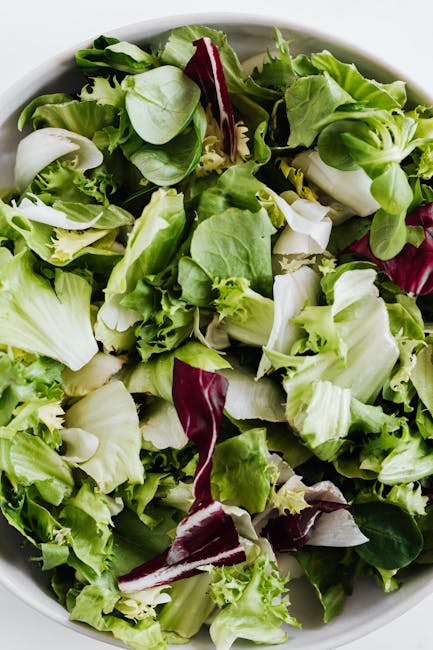
Ever gazed at your lush garden and wondered about the best way to harvest that crisp, vibrant romaine lettuce? You’re not alone.
Many home gardeners like you are eager to enjoy fresh, homegrown greens but might hesitate when it comes to cutting them correctly. Imagine the satisfaction of knowing exactly when and how to snip those leaves, ensuring your lettuce is as fresh and flavorful as possible.
In this guide, you’ll discover simple, effective techniques to cut romaine lettuce right from your garden. Mastering this skill not only boosts your gardening prowess but also elevates your culinary creations. Ready to transform your garden harvest into a gourmet experience? Let’s dive in!

Credit: www.facebook.com
Choosing The Right Tools
Choosing the right tools for cutting romaine lettuce is essential. It ensures a clean cut and preserves the plant’s health. The right tools make the process easier and more efficient. Using improper tools can damage the lettuce or your garden. Let’s explore the best tools for this task.
Choosing The Right Knife
A sharp knife is crucial for cutting romaine lettuce. Dull knives can crush the leaves, impacting growth. Opt for a stainless steel knife. It stays sharp and resists rust. A serrated edge helps for thicker stems. Always ensure your knife is clean before use.
Using Garden Scissors
Garden scissors offer precise control. They are ideal for smaller lettuce plants. Choose scissors with comfortable grips. This prevents hand fatigue during cutting. Look for rust-resistant materials for longevity. Clean them regularly to maintain sharpness.
Opting For Pruning Shears
Pruning shears are perfect for larger lettuce plants. They handle thicker stems with ease. Select shears with a bypass blade design. This design ensures clean cuts without crushing. Comfort grips make prolonged use easier. Keep them oiled for smooth operation.
Investing In A Quality Cutting Board
A cutting board provides a stable surface. It reduces mess and improves cutting accuracy. Choose a board with non-slip features. This prevents accidents during cutting. Plastic boards are lightweight and easy to clean. Ensure it is large enough for your lettuce.
Maintaining Your Tools
Regular maintenance keeps tools efficient. Sharpen blades often for smooth cutting. Clean tools after each use to prevent rust. Store them in a dry place to avoid moisture damage. Inspect them regularly for any wear or damage. Good maintenance extends the life of your tools.

Credit: www.facebook.com
Timing The Harvest
Harvest romaine lettuce by cutting the outer leaves first, using a sharp knife or scissors. Leave the inner leaves to continue growing, allowing for multiple harvests from the same plant.
Timing the harvest of romaine lettuce is crucial for optimal flavor and texture. Picking the lettuce at the right time ensures that you enjoy a crisp, delicious salad straight from your garden. But when exactly should you cut those vibrant green leaves?Recognizing Maturity
Romaine lettuce typically reaches maturity around 60 to 70 days after planting. Keep an eye on the size of the leaves—they should be about 6 to 8 inches tall and have a firm head.Checking Leaf Color
Your lettuce is likely ready when the leaves turn a vibrant dark green. If they appear pale, they may need a bit more time to mature. Remember, the color is a good indicator of nutrient content and flavor.Feeling The Texture
Gently squeeze the head of the romaine. It should feel dense and crisp, not wilted or soft. A firm texture is a sign of readiness.Monitoring Weather Conditions
Consider the weather. Hot spells can cause lettuce to bolt, turning bitter. Harvest before the temperature rises or, if possible, in the cooler parts of the day.Utilizing Personal Experience
Have you ever noticed how harvesting in the morning yields fresher leaves? The cooler temperatures overnight help keep the lettuce crisp. Why not experiment and see if morning harvests work best for you?Understanding Plant Signals
Look for signs of bolting, like elongated stems and budding flowers. These indicate the lettuce is past its prime and needs immediate harvesting to preserve taste.Harvesting Regularly
Regular picking encourages new growth. Don’t wait too long to harvest; instead, enjoy fresh lettuce throughout the season. This approach keeps your garden productive and your salads flavorful. By paying attention to these subtle cues, you can master the art of timing your romaine lettuce harvest, ensuring the best possible taste and texture for your meals. Do you have any tips or tricks that you use to determine the perfect time for harvesting?Identifying Mature Lettuce
Identifying mature romaine lettuce in your garden can be both satisfying and crucial for a successful harvest. Recognizing when your lettuce is ready ensures you enjoy the crisp, nutritious greens at their peak flavor. But how do you know when your lettuce is ready to be plucked?
Signs Of Readiness
Mature romaine lettuce will exhibit certain signs of readiness that are easy to spot. Look for a deep green color, signaling that the plant is full of nutrients. The outer leaves should be firm and crisp to the touch. If the leaves feel limp or are turning brown, your lettuce might be past its prime.
Another indication is the size of the lettuce head. It should be compact and slightly rounded, not too loose or sprawling. If you notice the leaves start to curl or the center becomes elongated, it may be trying to bolt. Harvesting at the right time is key to avoiding bitterness in the leaves.
Avoiding Overgrowth
Overgrown lettuce can quickly lose its appeal, both in taste and texture. Once romaine begins to bolt, it will develop a central stalk that leads to flowering. This is a clear sign that the leaves will soon turn bitter and tough. To prevent this, keep an eye on the weather.
Warm temperatures often accelerate growth, causing lettuce to bolt sooner. If a heatwave is predicted, consider harvesting earlier. Regularly check your garden for any signs of bolting and act swiftly. Have you ever regretted waiting too long and ending up with bitter greens? Timing is everything with garden lettuce.
By understanding these cues, you can ensure your romaine lettuce is harvested at its best. What tricks do you use to determine the right time for harvesting? Your experience and observations make all the difference in your garden’s success.
Cutting Techniques
Cutting romaine lettuce from your garden can be rewarding. Freshly cut leaves taste crisp and nutritious. Understanding different cutting techniques helps you maintain your lettuce’s health. It also extends your harvest period. Let’s explore effective methods for cutting romaine lettuce.
Outer Leaf Harvesting
Outer leaf harvesting is a simple method. It involves picking mature leaves from the outside. This technique allows the plant to keep growing. Follow these steps:
- Identify the larger, outer leaves.
- Hold the leaf base gently.
- Use a clean knife or scissors.
- Cut the leaf close to the stem.
- Leave the inner leaves untouched.
Repeat the process every few days. This encourages more growth.
Whole Head Harvesting
Whole head harvesting is another effective technique. It’s ideal when the entire plant is ready. Follow these steps for a successful harvest:
- Wait until the lettuce head is full and firm.
- Use a sharp, clean knife.
- Cut the stem near the base.
- Avoid damaging nearby plants.
- Remove the entire head gently.
This method gives you a large amount at once. It is perfect for salads or meals. After harvesting, prepare the soil for the next crop. This ensures continued garden productivity.
Post-harvest Care
Once you’ve harvested your romaine lettuce, proper care is essential. Freshly cut romaine requires attention to maintain its crispness and flavor. Post-harvest care involves cleaning, storing, and ensuring freshness, which can extend its shelf life.
Cleaning And Storing
Start by gently shaking off loose dirt from the leaves. Fill a bowl with cold water, then submerge the lettuce. Swirl it around to remove any remaining soil. Drain the water and rinse the leaves again under running water.
After cleaning, use a salad spinner to dry the leaves. Excess moisture can lead to spoilage. If you don’t have a salad spinner, pat the leaves dry with a clean cloth.
Once dry, store the lettuce in a plastic bag or container. Place a paper towel inside to absorb moisture. Seal the bag or container tightly to keep air out. Refrigerate the lettuce to keep it fresh.
Maintaining Freshness
Check the lettuce regularly for any signs of wilting. Remove any damaged or yellowing leaves promptly. This prevents the spread of decay to healthy leaves.
Keep the lettuce away from ethylene-producing fruits like apples and bananas. Ethylene gas speeds up the ripening process, leading to quicker spoilage.
To extend freshness, use lettuce within a week of harvesting. Fresh romaine retains its nutrients and crispness when consumed promptly.

Credit: www.tiktok.com
Promoting Regrowth
Romaine lettuce is a delightful addition to any garden. Cutting it correctly ensures regrowth and a continued supply. Understanding proper practices helps your lettuce thrive.
Proper Cutting Practices
Use sharp scissors or a knife to cut the lettuce. Cut above the base, leaving about an inch of the stem. This helps the plant regenerate. Avoid pulling or tearing the leaves, which can damage the plant. Regular cutting keeps the plant healthy and encourages new growth.
Soil And Water Management
Healthy soil promotes regrowth. Enrich your soil with compost for nutrients. Ensure the soil is well-drained but retains moisture. Overwatering can harm the roots, while dry soil inhibits growth. Water the plants regularly, especially during dry spells. Monitor the moisture levels to keep them balanced.
Common Mistakes To Avoid
Avoid cutting too close to the base of romaine lettuce to prevent regrowth issues. Skipping regular harvesting can lead to overgrown, bitter leaves.
Cutting romaine lettuce from your garden can be a straightforward task, but it’s easy to fall into common pitfalls that can affect the health and yield of your plants. Proper techniques ensure your lettuce thrives and continues to produce fresh leaves. Let’s dive into some common mistakes to avoid, ensuring your romaine lettuce remains a garden delight.Not Using Clean Tools
Using dirty or dull tools can spread diseases among your plants. Always sanitize your shears or knives before cutting. This prevents harmful bacteria from affecting your lettuce crop. A quick wipe with alcohol can make a world of difference.Cutting Too Close To The Base
Many gardeners make the mistake of cutting lettuce too close to the base. Leave a couple of inches above the soil to encourage regrowth. Cutting too low can damage the plant and hinder future growth. Think of it as giving your lettuce room to breathe.Ignoring The Outer Leaves
When harvesting, avoid taking only the inner leaves. Outer leaves are often ready for harvest first. They protect the inner leaves and allow them to develop fully. Removing outer leaves regularly can lead to a more abundant harvest over time.Harvesting At The Wrong Time
Timing is crucial in harvesting romaine lettuce. Pick your lettuce in the morning when the leaves are crisp and full of moisture. Avoid harvesting during peak sun hours, as the leaves might be wilted and less flavorful.Overharvesting
Taking too many leaves at once can stress your plant. Ensure you’re leaving enough foliage to support photosynthesis. A balanced approach to harvesting keeps your plant healthy and productive. Would you want to risk the survival of your entire lettuce crop for a single meal? By being mindful of these common mistakes, you can enjoy fresh, crisp romaine lettuce throughout the growing season. Each leaf you harvest is a testament to the care and attention you’ve given your garden.Expert Tips For Beginners
Harvest romaine lettuce by cutting the outer leaves first, leaving the inner ones to grow. Use a clean, sharp knife for a smooth cut near the base. This method encourages more growth, ensuring a continuous supply from your garden.
Growing your own romaine lettuce can be incredibly rewarding, but the real challenge lies in cutting it properly to ensure a bountiful harvest. Beginners might find this task daunting, but with a few expert tips, you can become proficient in no time. Let’s dive into some practical advice that will set you up for success and keep your lettuce thriving.Choose The Right Tools
Using the correct tools is essential. A sharp knife or garden shears will make a clean cut, preventing damage to the plant. Dull tools can tear the leaves and expose them to disease. Consider investing in a small, dedicated garden knife. It’s often sharper and more precise than kitchen knives.Identify The Perfect Harvest Time
Timing is crucial for a successful harvest. Romaine lettuce is typically ready to cut when the outer leaves are 4 to 6 inches long. Look for vibrant green leaves. Dull or yellowing leaves may indicate over-ripeness or nutrient deficiency.Understand The Cut-and-come-again Method
This method allows you to enjoy multiple harvests from the same plant. Cut the outer leaves first, about an inch above the base. Leave the inner leaves intact. They will continue to grow, providing future harvests.Maintain Optimal Plant Health
Healthy plants yield the best results. Ensure your lettuce is well-watered, especially during hot weather. Consider using organic fertilizers to provide necessary nutrients without harmful chemicals.Monitor Pest Activity
Keep an eye out for common pests like aphids and slugs. Regularly inspect the leaves for any signs of damage. If you spot pests, use natural remedies or introduce beneficial insects to combat them.Practice Cleanliness
Cleanliness can prevent the spread of disease. Wash your tools before and after cutting to avoid contaminating your plants. Avoid cutting when the leaves are wet. This can promote the growth of fungi and bacteria. Embrace these expert tips, and you’ll find cutting romaine lettuce from your garden is both easy and rewarding. Have you noticed any unique patterns in your garden that improve your harvest? Each garden is a world of its own, and learning from your experience will only enhance your gardening skills.Frequently Asked Questions
How To Cut Romaine Lettuce So It Keeps Growing?
Cut romaine lettuce about 1 inch above the base using sharp scissors. Keep the root intact in the soil. Water regularly and provide sufficient sunlight. New leaves will sprout from the remaining base. Harvest leaves when they reach desired size, ensuring continuous growth.
What To Do To Romaine Lettuce After Cutting From The Garden?
Wash romaine lettuce thoroughly to remove dirt. Pat dry with a clean towel. Store in the refrigerator in a sealed container or a plastic bag. Use within a week for the best freshness and taste.
How To Pick Romaine Lettuce Out Of A Garden?
Select mature romaine heads with firm, crisp leaves. Gently hold the base and twist to detach. Use a knife if needed for a clean cut. Ensure soil is moist for easy removal. Avoid damaging neighboring plants. Harvest in the morning for optimal freshness and flavor.
Will Romaine Lettuce Regrow After Cutting?
Yes, romaine lettuce can regrow after cutting. Place the base in water and watch for new growth. Keep it in sunlight for best results. Regularly change the water to prevent bacteria growth. Regrown lettuce may not be as large or flavorful as the original.
Conclusion
Harvesting romaine lettuce from your garden is simple. Always use clean tools to avoid dirt. Cut the lettuce at the base. This keeps the roots intact. Freshly cut leaves taste better. Enjoy them in salads or wraps. Regular gardening keeps your plants healthy.
Remember to water your lettuce regularly. Sunshine is essential for growth. Sharing homegrown lettuce with friends is rewarding. Gardening helps relax the mind. It’s satisfying to see your hard work grow. Keep nurturing your garden for fresh veggies. Nature’s bounty is truly refreshing.
Happy gardening!


