Imagine stepping out into your backyard, reaching down, and picking fresh, crisp vegetables from your very own garden. The vibrant colors, the irresistible aroma, and the satisfaction of knowing exactly where your food comes from—it’s all at your fingertips.
But how do you transform that patch of grass into a thriving vegetable haven? Building a raised vegetable garden might be the answer you’re looking for. It’s simpler than you might think, and you can start enjoying the benefits sooner than you expect.
You might wonder, why choose a raised garden bed? Well, they offer a multitude of benefits that could make your gardening experience easier and more rewarding. From better soil control to improved drainage and even fewer weeds, raised beds can be a game-changer. But where do you start, and what do you need to know to get it right the first time? Stay with us as we guide you step-by-step through the process, ensuring you avoid common pitfalls and set yourself up for a bountiful harvest. Whether you’re a seasoned gardener or a complete novice, this guide is designed to empower you to achieve gardening success. Ready to dig in? Let’s get started!
Choosing The Right Location
Selecting the ideal spot for a raised vegetable garden is crucial for growth. Ensure the area receives ample sunlight and has well-drained soil. Accessibility and convenience for watering and tending are also important factors to consider.
Choosing the right location for your raised vegetable garden is crucial. It can determine the success or failure of your crops. Not all spots in your yard are created equal.Sunlight And Shade
Your vegetables need plenty of sunlight to thrive. Ideally, select a location that gets at least 6-8 hours of direct sunlight each day. Consider the sun’s path across your garden. Notice if any trees or buildings create shade during the day. If you’re not sure about the sun exposure, spend a day observing the light patterns in your yard. You might be surprised at which spots receive the most consistent sunlight.Proximity To Water
Think about how you’ll water your raised vegetable garden. Having a water source nearby can save you time and effort. Dragging a heavy hose across the yard can be a hassle, especially on hot days. Consider installing a rain barrel or using a drip irrigation system. It’s a sustainable choice and keeps your plants hydrated efficiently.Accessibility And Convenience
Your garden should be easy to access. Choose a spot that doesn’t require you to navigate obstacles like rocks or uneven terrain. If your garden is inconveniently located, you might find yourself neglecting it. Make it a place you enjoy visiting, where you can easily check on your plants. Reflect on how often you pass by the area. The more you see your garden, the more likely you are to tend to it regularly. Choosing the right location isn’t just about practicality. It’s about creating a space where you can enjoy the process of gardening. Where do you find the perfect balance between sunlight, water, and accessibility in your yard? The answer could lead to a thriving vegetable garden.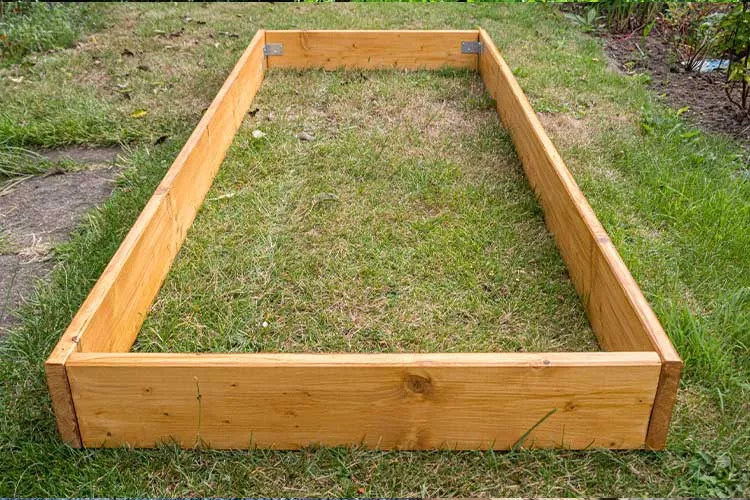
Credit: www.farmfreshchoice.com
Selecting The Best Materials
Selecting the Best Materials Choose untreated wood like cedar or redwood for longevity. Opt for galvanized screws to prevent rust. Use quality soil to ensure healthy plant growth.
Selecting the right materials for your raised vegetable garden is essential. It affects the garden’s durability, appearance, and environmental impact. Different materials suit different needs and preferences. Let’s explore various options to find what works best for you.Wood Options
Wood is a popular choice for raised garden beds. It is natural and blends well with gardens. Some common wood types include cedar, pine, and redwood. Cedar is rot-resistant and lasts longer. Pine is affordable but may not last as long. Redwood is durable but can be expensive. Consider treating the wood to increase its lifespan.Metal And Stone Choices
Metal and stone offer a modern and durable option. Metal beds, like galvanized steel, resist rust and look sleek. They can heat up quickly, which is good for early planting. Stone beds, made of bricks or concrete blocks, are very sturdy. They add a classic touch to your garden. These materials may require more effort to install.Recycled And Eco-friendly Materials
Recycled materials are great for eco-conscious gardeners. Use old wooden pallets or reclaimed bricks. They reduce waste and give a unique look. Plastic lumber made from recycled materials is another choice. It’s durable and resistant to rot. Eco-friendly options help protect the environment while beautifying your garden.Designing Your Garden Bed
Creating a raised vegetable garden is an exciting project that brings fresh produce right to your doorstep. A key element in achieving success is designing your garden bed. How you shape and structure it can significantly impact both the growth of your plants and the enjoyment you get from gardening. Let’s dive into some practical aspects of designing your garden bed.
Determining Size And Shape
Consider how much space you have available. A small yard might limit you to a compact bed, whereas a larger area gives you room to experiment with different shapes.
Think about accessibility. Make sure you can easily reach the center of the bed without stepping on the soil. A width of three to four feet is ideal for most gardeners.
Reflect on your plant selection. Taller plants like tomatoes might require more space than herbs or lettuce, influencing the bed’s dimensions.
Layering Techniques
Start with a base layer that promotes drainage. Use gravel or small rocks at the bottom to ensure excess water doesn’t stagnate.
Build up the layers with soil enriched with compost. This mixture supports robust plant growth and keeps the soil fertile.
Add mulch on the top layer to retain moisture and reduce weed growth. Experiment with different materials like straw or wood chips for varied effects.
Incorporating Aesthetic Elements
Choose materials that complement your garden’s style. Natural wood offers a rustic look, while metal or stone can provide a modern touch.
Consider adding borders or edging to define the space and keep it neat. This simple addition can dramatically enhance the visual appeal.
Think about color and texture. Integrating colorful plants or decorative stones within the garden bed can create a striking visual impact.
What details can you add to make your garden uniquely yours? Personal touches not only enhance the beauty but also make gardening a more enjoyable experience.
Preparing The Soil
Preparing the Soil Begin with clearing any weeds or debris from the area. Add nutrient-rich compost to enrich the soil. Mix well to ensure even distribution. This creates a healthy base for your plants.
Preparing the soil for your raised vegetable garden is a crucial step that sets the foundation for a bountiful harvest. The soil is the lifeblood of your garden, and giving it the attention it deserves can make a significant difference in the quality and quantity of your produce. Let’s dive into some essential aspects of soil preparation that can help you achieve a thriving garden.Soil Quality And Composition
Start by examining the soil you plan to use. Ideally, a mix of sandy, loamy, and clay soils creates a balanced environment. This blend ensures good drainage while retaining essential nutrients. Consider conducting a soil test to check pH levels and nutrient content. You can purchase a simple home test kit or send a sample to a local extension service. This will give you insights into what your soil needs to thrive.Adding Nutrients And Amendments
Adding organic matter like compost is a game-changer. It enriches the soil with nutrients, improves structure, and increases water retention. If your soil is lacking in specific nutrients, like nitrogen or potassium, consider adding organic fertilizers or natural amendments such as bone meal or blood meal. Don’t overlook the importance of manure, which can be a rich source of nutrients. Ensure it’s well-composted to avoid introducing pathogens to your garden.Ensuring Proper Drainage
Good drainage is essential to prevent waterlogging, which can suffocate plant roots. Elevate your garden bed slightly or mix in coarse sand to improve drainage. Consider layering the bottom of your bed with coarse material, like gravel or small stones. This helps excess water to escape, keeping your plants’ roots healthy. Have you thought about how water travels through your garden? Imagine the path it takes and adjust your soil composition accordingly. Proper drainage is not just about avoiding excess water; it’s about creating a thriving environment for your plants.Choosing Vegetables To Grow
Selecting vegetables is essential when building a raised garden. Consider easy-to-grow options like tomatoes, lettuce, and carrots. Ensure the chosen vegetables suit your climate and soil type for optimal growth.
Choosing the right vegetables for your raised garden is crucial. It ensures a bountiful harvest and a rewarding gardening experience. Different factors influence the choice of vegetables, such as climate, space, and personal preference.Seasonal And Climate Considerations
Vegetables thrive in specific climates and seasons. Warm-season crops like tomatoes and peppers prefer summer heat. Cool-season vegetables such as lettuce and broccoli grow best in spring and fall. Know your local climate. It helps in selecting the best-suited vegetables. Research your area’s USDA Plant Hardiness Zone. It provides valuable insights on planting times and suitable crops.Companion Planting Strategies
Some plants grow well together, benefiting each other. This is known as companion planting. For instance, plant basil near tomatoes. It enhances flavor and repels pests. Marigolds deter nematodes and other insects. They make excellent companions for many vegetables. Avoid planting onions near beans. They inhibit each other’s growth. Plan your garden layout with these strategies in mind.Varieties For Beginners
Beginners should start with easy-to-grow vegetables. Radishes, lettuce, and carrots are great choices. They require minimal maintenance and grow quickly. Zucchini and cucumbers are also beginner-friendly. They produce abundant yields with little effort. Select disease-resistant varieties. This reduces the risk of crop failure. Enjoy learning and experimenting as you grow your vegetable garden.
Credit: savvygardening.com
Planting Techniques
Building a raised vegetable garden begins with selecting a sunny spot and determining the ideal size. Use quality soil and sturdy materials like wood or stone to construct the garden bed. Proper drainage ensures healthy plant growth, making it essential to elevate the soil and prevent waterlogging.
Planting Techniques Creating a raised vegetable garden can be a fulfilling journey, especially when you get down to the nitty-gritty of planting techniques. The methods you use can significantly impact your garden’s productivity. Whether you’re an experienced gardener or a newbie, understanding the nuances of spacing, timing, and planting methods can make all the difference in your harvest.Spacing And Depth Guidelines
Proper spacing and planting depth are crucial for healthy plant growth. Crowded plants compete for nutrients, water, and sunlight, often leading to weaker crops. For instance, lettuce should be spaced about 6-12 inches apart, while tomatoes may need up to 24 inches. As for depth, small seeds like carrots should be buried about a quarter-inch deep, whereas larger seeds like beans might need an inch. Consider using a simple garden ruler or stick to measure your spacing. This small tool can help ensure you’re giving your plants the room they need to thrive.Staggered Planting For Continuous Harvest
Have you ever found yourself overwhelmed with too much produce at once? Staggered planting can be your solution. By planting at intervals, you ensure a steady supply of fresh vegetables. For example, if you plant lettuce every two weeks, you can enjoy fresh salads throughout the season without a surplus going to waste. Think about your favorite veggies and plan their planting schedule accordingly. This technique can be a game-changer for maximizing your garden’s output and minimizing waste.Transplanting Versus Direct Seeding
Choosing between transplanting and direct seeding can influence your garden’s success. Transplanting involves growing plants indoors and moving them outside once they’re strong enough, which is excellent for jumpstarting the growing season. Tomatoes and peppers, for instance, benefit from transplanting as they require a longer growing season. On the other hand, direct seeding is ideal for fast-growing plants like radishes and carrots. Reflect on your climate and the types of vegetables you want to grow. This decision can affect your garden’s productivity and the quality of your harvest.Maintenance And Care
Building a raised vegetable garden requires regular maintenance and care. Water plants consistently, keeping soil moist but not soggy. Check for pests and remove weeds to ensure healthy growth.
Building a raised vegetable garden is only the beginning. To ensure your plants thrive, ongoing maintenance and care are crucial. This section focuses on the essentials for keeping your garden healthy and productive.Watering And Irrigation
Raised gardens often dry out faster. Regular watering is key. Use drip irrigation systems for efficient water use. Water early in the morning or late afternoon. This prevents rapid evaporation. Consider mulching to retain moisture. It also helps regulate soil temperature.Weed And Pest Management
Weeds compete with your veggies for nutrients. Hand-pulling weeds is effective and eco-friendly. For pests, inspect plants regularly. Pick off insects manually. Use organic solutions like neem oil. A physical barrier, like netting, can deter larger pests. Keep a lookout for disease signs. Early intervention can save your plants.Seasonal Adjustments And Pruning
Adapt your garden care to the seasons. In spring, fertilize to boost growth. Summer may require more frequent watering. Fall is perfect for adding compost. Pruning encourages healthy growth. Remove dead or diseased plant parts. This helps prevent the spread of issues. Regular checks ensure your garden remains healthy year-round.Harvesting And Storage
Harvest vegetables at peak ripeness for the best flavor. Store them in a cool, dry place. Properly managed, they can last longer and retain freshness.
Building a raised vegetable garden is just the beginning of a rewarding journey. As your garden flourishes, mastering the art of harvesting and storing your produce is crucial to enjoy your hard-earned bounty. When you pick your vegetables and how you store them can significantly impact their flavor, freshness, and longevity.Timing For Optimal Flavor
Picking your vegetables at the right time can make all the difference in taste. Each vegetable has its own prime time for harvesting. For instance, tomatoes should be picked when they are fully red and slightly soft, while cucumbers taste best when they are firm and dark green. Consider the time of day as well. Harvesting in the morning, when temperatures are cooler, can help maintain the crispness and flavor of your produce. Have you ever noticed that vegetables from the farmers market taste better? It’s often because they are picked at the right time.Techniques For Prolonged Freshness
Once harvested, proper storage is key to keeping your vegetables fresh. Start by removing any dirt or debris without washing them, as moisture can encourage spoilage. Store greens like lettuce and spinach in a plastic bag with a paper towel to absorb moisture. Certain vegetables such as potatoes and onions prefer a dark, cool place. A pantry can be an ideal spot. Do you have a space in your home that could be dedicated to storing your fresh produce?Preservation Methods
If you find yourself with more vegetables than you can consume, preservation is a great option. Freezing is one of the simplest methods; just blanch vegetables like beans and peas before freezing to preserve their nutrients. Canning is another method to consider, especially for tomatoes and pickles. It can be a fun weekend project that provides you with garden-fresh flavors all year round. Have you ever tried canning your own vegetables? It’s a skill that can transform your gardening experience. By focusing on these harvesting and storage techniques, you can savor the flavors of your raised vegetable garden long after the growing season ends. Happy gardening!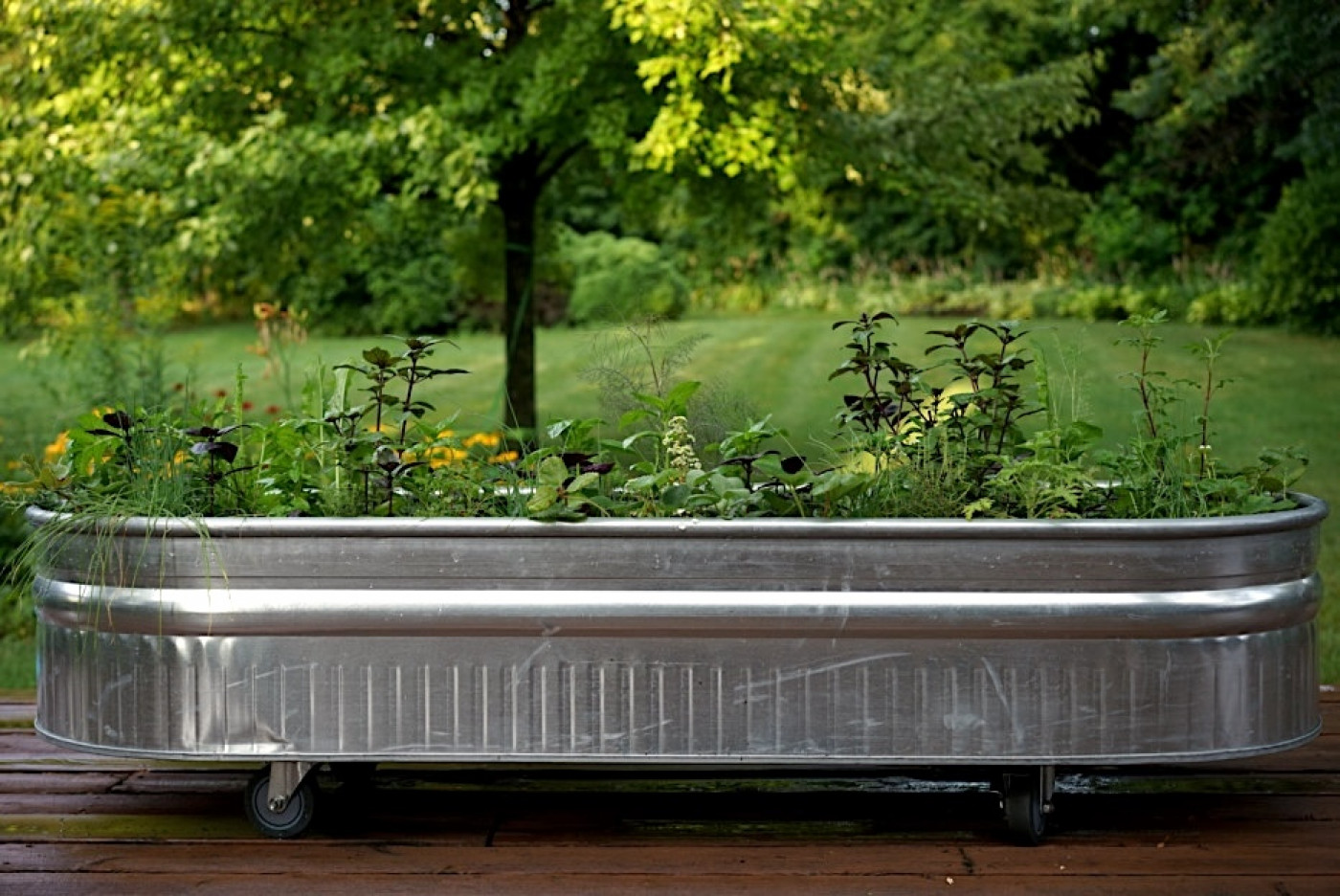
Credit: www.gardenary.com
Frequently Asked Questions
What Do You Put In The Bottom Of A Raised Vegetable Bed?
Place a layer of cardboard or newspaper at the bottom to suppress weeds. Add organic matter like leaves or straw for drainage. Use compost or topsoil for nutrient-rich planting. Ensure good drainage to prevent waterlogging. Avoid materials that can block water flow or harm the soil ecosystem.
How Deep Should A Raised Garden Be For Vegetables?
A raised garden bed should be at least 12 inches deep for vegetables. This depth allows sufficient root space and drainage. Some vegetables, like carrots or potatoes, may require deeper beds, around 18 inches. Ensure good soil quality for optimal growth and productivity in your raised garden.
What Vegetables Should Not Be Grown In A Raised Bed?
Corn, pumpkins, and watermelons shouldn’t be grown in raised beds due to their extensive space and nutrient needs. Tall crops like corn can shade other plants, reducing sunlight. Large vines, such as pumpkins and watermelons, require significant space, making them unsuitable for confined raised bed areas.
How To Start A Raised Garden For Beginners?
Choose a sunny location for your garden. Build a raised bed using wood or bricks. Fill with quality soil. Plant seeds or seedlings, spacing them adequately. Water regularly and ensure proper drainage.
Conclusion
Building a raised vegetable garden is simple and rewarding. Start small. Use good materials. Choose a sunny spot. Fill with rich soil. Plant vegetables you love. Water them regularly. Watch them grow. Feel proud of your garden. Enjoy fresh produce.
Share with family and friends. Gardening brings joy. It connects us to nature. Helps us relax and unwind. You create beauty in your space. Learn as you grow. Each season brings new lessons. Discover what works best. Adapt and improve.
Keep gardening fun and exciting. Your garden is your canvas. Create your masterpiece. Happy gardening!