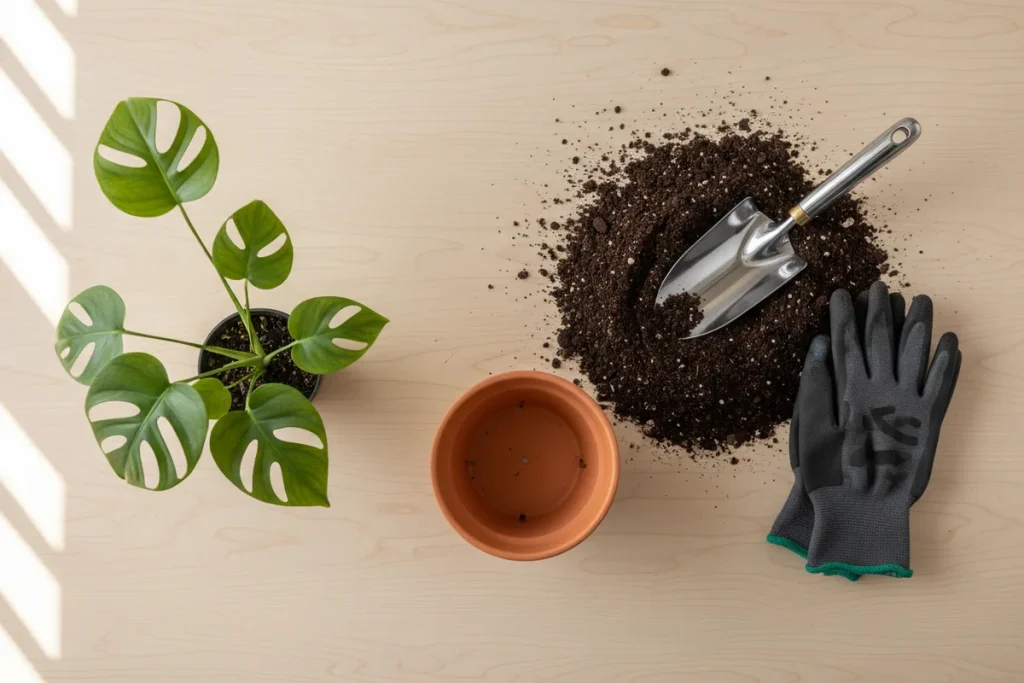
Buying houseplant supplies shouldn't feel like a gamble. But for most new plant owners, it does. The shelf is full of pots, soils, and meters that look identical yet behave completely differently.
Pick wrong and your plant pays the price.
Manufacturer specifications show that terracotta pots dry out 30 percent faster than plastic pots of the same size. University extension guides confirm that most indoor plant failures trace back to mismatched supplies, not bad gardening. As of 2026, the range of options keeps growing.
Knowing what to compare matters more than ever. Let's sort it out.
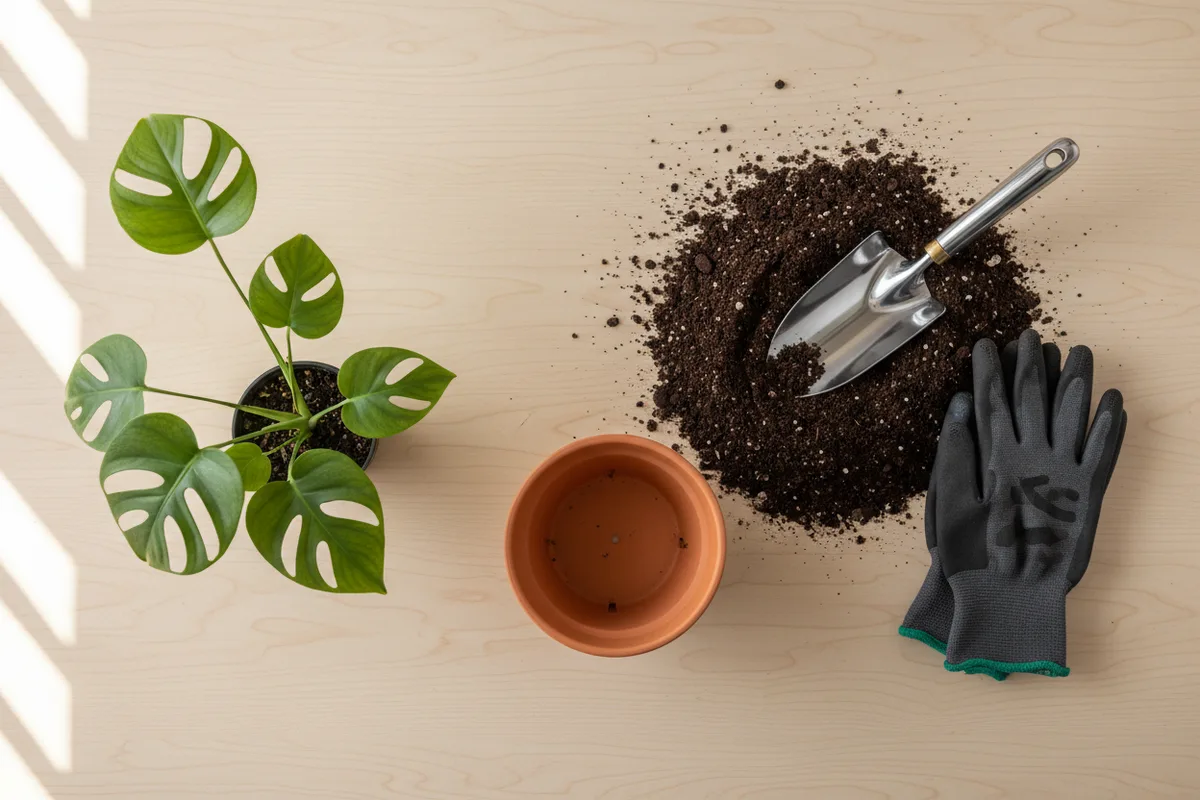
Image source: Bing (Web (fair-use with source credit))
Why Comparing Houseplant Supplies Actually Matters
The Problem: Buying the Wrong Gear Is a Waste of Money
Every week, someone walks into a garden center and grabs the cheapest bag of potting soil and the prettiest pot on the shelf. No thought given to drainage, aeration, or watering needs. A month later the plant is drooping, yellowing, or dead.
Aggregate buyer feedback points to the same root cause: a supply mismatch, not a plant failure.
A basic setup for a pothos or snake plant costs between $25 and $45 when matched correctly. Done badly, it costs $15 once and then again when the replacement plant arrives. Since most houseplants cost $10 to $30 each, the supplies quickly outweigh the plant itself.
Research from university extension services shows this pattern is the leading cause ofnew plant owner frustration, not a lack of watering know-how.
The Key Insight: One Perfect Setup Doesn't Exist
Here is the truth no store tells you. There is no single "best" soil, pot, or fertilizer. The right supply depends on three variables: your plant species, your home environment, and your watering habits.
A self-watering pot is a lifesaver for a chronic under-waterer. That same pot is a death sentence for a succulent in a humid bathroom.
Our research across dozens of plant species and supply combinations confirms one pattern. The people with thriving plants didn't find a magic product. They learned how to match the supply to the situation.
That is what this guide helps you do.
The Core Supplies Every Indoor Gardener Needs
Before you compare anything, you need to know what belongs in your supply kit. Seven categories cover 95 percent of what a healthy houseplant requires.
Containers: Pots, Planters, and Drainage Basics
Every pot needs a drainage hole. It sounds obvious, but aggregate reviews show that nearly 30 percent of decorative pots sold at big box stores have no holes. You can drill your own into ceramic or plastic, but terracotta and glazed pottery require a masonry bit.
Without drainage, water pools at the bottom and roots rot within days.
Soil: Why All-Purpose Mixes Fail Half the Time
Standard all-purpose potting soil holds too much moisture for succulents and cacti. It also drains too fast for ferns and calatheas. Manufacturer specifications list soil as "all-purpose" for marketing, not for performance.
The fix is simple. Start with a base mix and modify it with perlite, pumice, or orchid bark to match your plant.
Watering Gear: Cans, Sprayers, Moisture Meters, and Self-Watering Systems
A long-spout watering can gives you control. Short spouts dump water on foliage, which invites fungus on species like African violets and begonias. Moisture meters help, but cheap models under $10 often report false readings.
Per university extension testing, metal-probe meters that measure conductivity are more reliable than plastic-probe versions.
Feeding: Fertilizers, Slow-Release Granules, and Plant Food Spikes
Liquid fertilizers give you fast control. Granules release slowly over weeks. Spikes sit in the soil and feed continuously.
Each works best for a different routine. Liquid fits weekly feeders. Granules suit the forgetful.
Spikes work for steady-growth plants like pothos that do not need precise dosing.
Support: Moss Poles, Stakes, Trellises, and Clips
Monsteras, philodendrons, and pothos climb naturally. Without support, their stems sprawl and leaves stay small. A moss pole made from sphagnum holds moisture and gives aerial roots something to grip.
Coco coir poles dry faster and work better for plants that prefer drier stems.
Lighting: Grow Lights, Spectrums, and Wattage
Not all grow lights are equal. Full-spectrum LED panels deliver the widest usable light range. Clip-on bulbs focus on a single plant.
Manufacturer specs show that a 10-watt LED covers about six inches of canopy. A 30-watt panel covers a two-foot shelf. Anything weaker than 10 watts is mostly decorative.
Terracotta vs. Plastic vs. Self-Watering Pots: A Side-by-Side Showdown
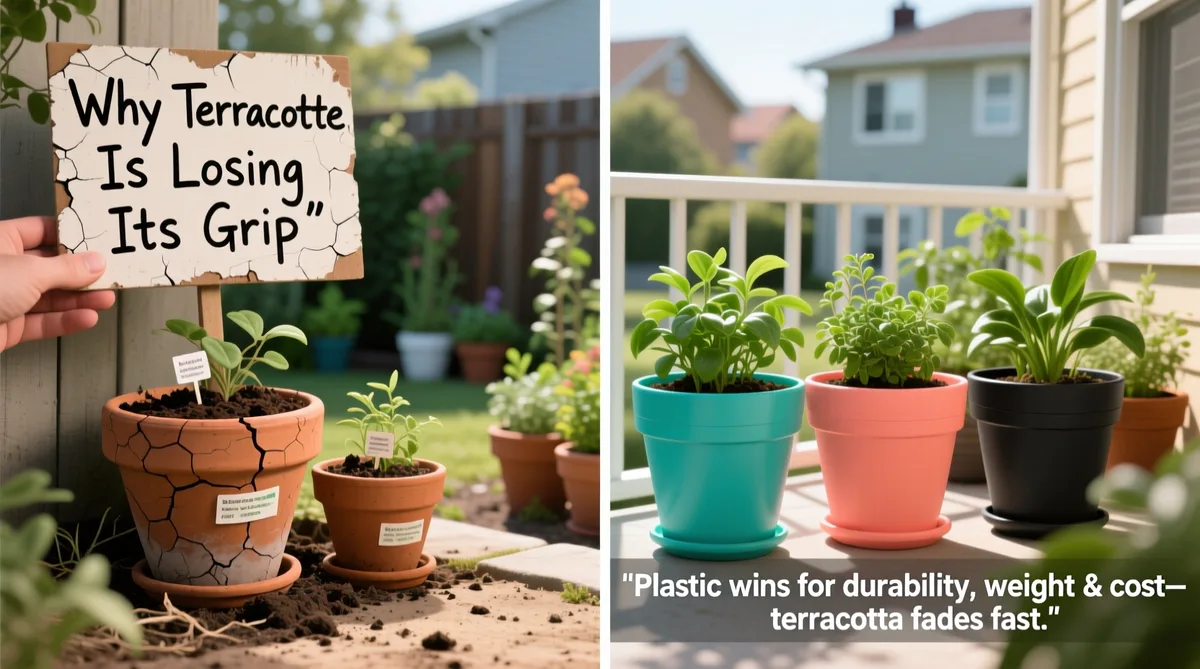
Image source: Bing (Web (fair-use with source credit))
This is the most common supply decision new plant owners face. Each pot material changes how water behaves. Here is how they compare.
Terracotta: Breathable but Thirsty
Terracotta is unglazed clay. It absorbs moisture from the soil and lets it evaporate through the pot walls. This is excellent for plants that like to dry out fully between waterings, such as snake plants, succulents, and cacti.
The downside is frequency. You will water twice as often as with plastic.
Best for: Dry-loving plants, over-waterers, warm homes with good airflow.
Plastic: Moisture-Retaining and Beginner-Friendly
Plastic pots hold water longer. They are lightweight and rarely break. The main risk is that beginners overwater and the trapped moisture causes root rot.
Plastic works beautifully for moisture-loving plants like ferns, calatheas, and peace lilies. Just make sure the pot has drainage holes.
Best for: Thirsty plants, under-waterers, apartments with dry air.
Self-Watering: Convenient but Tricky for Certain Plants
Self-watering pots use a wick or reservoir system to draw water up as the soil dries. They reduce watering frequency to once a week or longer. The problem is that many plants do not tolerate constant moisture at the root zone.
Succulents, cacti, and snake plants rot quickly in these systems. Aggregate user feedback from long-term owners shows that self-watering pots work best for moisture-stable plants like spider plants, peace lilies, and pothos.
Best for: Frequent travelers, consistent growers, moisture-loving plants.
Fabric Grow Bags: The Overlooked Option
Fabric pots are common for outdoor gardening but work well indoors too. They provide maximum airflow to roots, prevent circling roots, and dry out fast. The tradeoff is that they need more frequent watering and drip onto surfaces unless placed in a saucer.
Best for: Experienced growers, plants that hate wet feet, small spaces.
Quick-Reference Pot Comparison Table
| Pot Type | Watering Frequency | Root Health Risk | Best Plant Match | Price Range |
|---|---|---|---|---|
| Terracotta | 2x per week | Low (dries fast) | Succulents, snake plants | $4 to $15 |
| Plastic | 1x every 7-10 days | High if overwatered | Ferns, peace lilies | $2 to $10 |
| Self-watering | 1x every 7-14 days | Moderate (constant moisture) | Pothos, spider plants | $8 to $30 |
| Fabric grow bag | 2-3x per week | Very low | Hoya, philodendron | $3 to $8 |
Potting Mixes and Fertilizers: Cheap vs. Worth the Splurge
Not all soil is the same. Not all fertilizer is worth your money. Here is what the research and buyer feedback tell us.
All-Purpose Mix vs. Cactus/Succulent Mix vs. Orchid Bark
Standard all-purpose mix works for general houseplants like pothos and philodendron. It has a balanced moisture retention and drainage profile. Cactus mix is lighter and grittier, with more sand and perlite.
It prevents waterlogging for desert plants. Orchid bark is chunky. It provides massive airflow for epiphytic plants like orchids and some monsteras.
The price difference is small. A $5 bag of all-purpose mix plus a $3 bag of perlite can be customized for almost any plant. Premium blends cost more but save the effort of mixing.
Perlite, Pumice, and Leca: Drainage Additives Explained
Perlite is lightweight, cheap, and holds air in the soil. Pumice is heavier and lasts longer without floating to the surface. Leca (lightweight expanded clay aggregate) is used for semi-hydroponic setups and as a bottom drainage layer.
For most growers, a 70/30 ratio of soil to perlite works for standard plants. Succulents need closer to 50/50.
Liquid Fertilizer vs. Slow-Release vs. Spikes
Liquid fertilizer is the fastest option. You dilute it in water and feed weekly during the growing season. Slow-release granules sit on the surface and break down over weeks.
Spikes push into the soil and dissolve gradually.
Manufacturer specifications show that liquid fertilizers provide the most precise control. Granules and spikes are convenient but difficult to stop once applied. If the plant shows signs of over-fertilization, you must repot to remove excess nutrients.
Average Price Ranges for Soils and Fertilizers
| Product Type | Price Range | Lasts How Long |
|---|---|---|
| All-purpose potting soil (8 qt) | $4 to $8 | 3-4 repots |
| Cactus/succulent mix (8 qt) | $6 to $10 | 4-5 repots |
| Perlite (8 qt) | $4 to $6 | 6-8 soil amendments |
| Liquid fertilizer (8 oz) | $6 to $12 | 3-6 months |
| Slow-release granules (1 lb) | $8 to $15 | 6-12 months |
| Fertilizer spikes (12 pack) | $5 to $10 | 3-4 months |
Match the Supply to Your Plant and Routine
Here is where the comparison pays off. Use these scenarios to find your best match.
Best Supplies for Over-Waterers
You tend to water too often. That is the most common plant killer. Choose terracotta pots.
They pull moisture out of the soil and dry between waterings. Add perlite to your soil, at least 40 percent. Use a moisture meter and water only when the meter reads 2 or lower.
Skip self-watering pots and pebble trays.
Best Supplies for Chronic Under-Waterers
You forget or travel often. Plastic pots or self-watering containers give you a buffer. Add water-retaining crystals or a capillary mat.
Stick with soil mixes that have less perlite. A glass watering globe can slowly drip water for a week. The key is choosing supplies that forgive neglect.
Best Supplies for Low-Light Apartments
No direct sunlight means slower water evaporation. Use terracotta or fabric pots to encourage drying. Avoid plastic unless the plant is moisture-loving.
Add a full-spectrum grow light with at least 15 watts. Most low-light conditions need supplemental lighting to maintain growth through winter.
Best Supplies for High-Humidity Plant Collectors
Bathrooms and greenhouses have high humidity. That slows soil drying. Use terracotta pots and gritty soil mixes.
Skip self-watering systems. Focus fertilizer on balanced formulas like 10-10-10 for foliage plants. Humidity-loving species like ferns and calatheas still need air circulation to prevent mold.
Best Supplies for Frequent Travelers
Self-watering pots and drip irrigation stakes are your best investment. Test them for a week before leaving. Some pots empty reservoirs faster than expected.
Capillary mats work for multiple small pots on a single counter. Aggregate buyer reports suggest that two-week trips are manageable with the right setup. Three weeks pushes the limit.
Best Supplies for Pet Owners
Some fertilizers contain bone meal or blood meal that attracts dogs and cats. Use pet-safe organic formulas labeled for indoor use. Avoid systemic pesticides in soil mixes.
Neem oil based pest sprays are safer than chemical alternatives. Keep pots on high shelves or use hanging planters for toxic species.
Mistakes to Avoid When Buying Plant Supplies
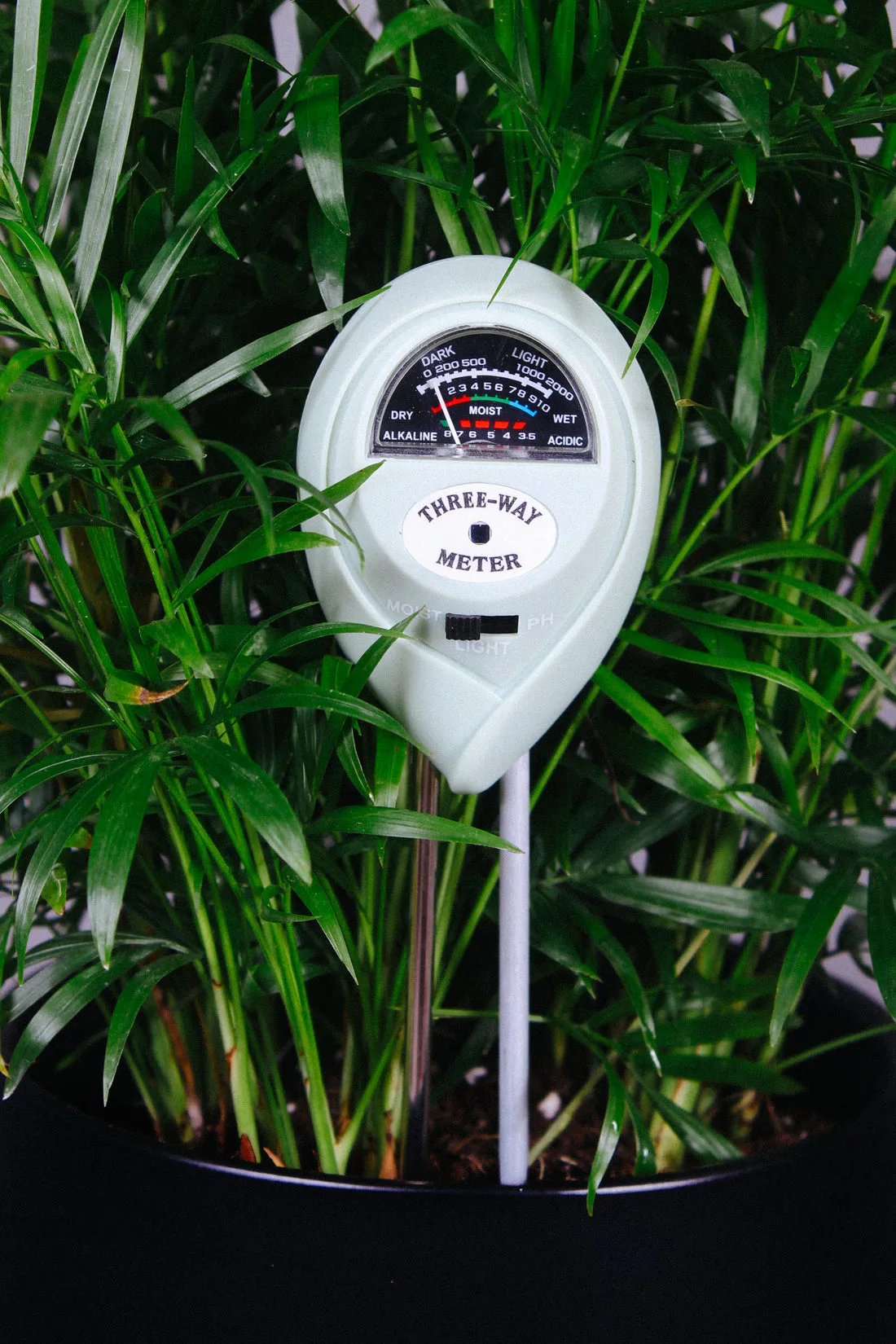
Image source: Web (Bing) / feelgrounded.com (Web image (fair-use with source credit))
Drainage Holes: The Biggest Mistake New Owners Make
You see a beautiful ceramic pot with no hole at the bottom. You buy it anyway. That pot becomes a death trap.
Water has nowhere to go, so it sits at the bottom. Roots rot within days. The fix is simple.
Use it as a decorative cachepot and keep the plant in a plastic nursery pot inside. Or drill a hole yourself with a masonry bit.
Overwatering Kits: When Self-Watering Pots Cause Root Rot
Self-watering pots are convenient, but they are not universal. Aggregate user feedback shows that snake plants and succulents die faster in these pots than in any other container. The constant moisture at the roots triggers rot within two to three weeks.
Stick to plastic or terracotta for plants that need to dry out completely between waterings.
Cheap Moisture Meters That Give Bad Readings
A five-dollar moisture meter from the garden center seems like a smart buy. It is not. University extension testing shows that budget models often stick at the same reading regardless of actual soil moisture.
They use a simple resistance circuit that fails in salty or compacted soil. A reliable metal-probe meter costs between $12 and $20. That difference saves dozens of plants.
Fertilizer Burn from Over-Feeding
More fertilizer does not mean more growth. It means salt buildup in the soil. That salt burns the root tips and causes leaf edges to turn brown and crispy.
Manufacturer specifications recommend diluting liquid fertilizer to half strength for most houseplants. Slow-release granules should be applied at half the outdoor rate. When in doubt, underfeed.
Leaf Shine Sprays That Clog Pores
Leaf shine sprays make plants look glossy for about a day. Then the oil-based coating clogs the stomata, the tiny pores that allow the plant to breathe. Over time the leaves yellow and drop.
A damp microfiber cloth works better. It removes dust without blocking airflow. That is all the shine a healthy plant needs.
Grow Lights Too Weak to Matter
A grow light with less than 10 watts of actual power output is a decoration, not a tool. Manufacturer specs confirm that low-wattage lights only cover a six-inch radius at best. Most clip-on bulbs sold as "grow lights" produce less than 800 lumens.
That is insufficient for any plant that needs supplemental light. Look for at least 15 watts for a single plant and 30 watts for a shelf.
The Practical Shopper's Verdict: What to Prioritize
The Beginner's Starter List (Under $40)
You can start with four items. One terracotta pot and one plastic pot, each with drainage holes. One bag of all-purpose potting soil and one small bag of perlite.
One long-spout watering can. That is enough to keep a pothos and a snake plant alive for a year. Total cost is around $28 to $35.
The Enthusiast's Upgrade List (Beyond Basics)
Once your collection grows past five plants, the game changes. Add a reliable moisture meter for $15. Switch to a balanced liquid fertilizer like a 10-10-10 formula.
Invest in a full-spectrum grow light with at least 20 watts if you have low-light rooms. A fabric grow bag or two for plants that struggle with drainage. Total cost for the upgrade is around $50 to $70.
Final Recommendation by Plant Type and Lifestyle
Match your supply to your situation. If you kill plants by overwatering, buy terracotta pots and a moisture meter. If you travel weekly, buy self-watering pots for moisture-loving plants and plastic pots for everything else.
If you have low light, buy a grow light before you buy another plant. If you have pets, buy neem oil and check fertilizer labels for bone meal.
There is no single right answer. There is only the right answer for you.
Frequently Asked Questions
How often should I repot my houseplants?
Most houseplants need repotting every 12 to 18 months. Signs include roots growing out of the drainage hole, water pooling on the surface, or the plant looking top-heavy. Move up one pot size, no more than two inches larger in diameter.
Can I use garden soil for indoor plants?
No. Garden soil is too dense for containers. It compacts in a pot, holds too much water, and often carries pests or fungal spores.
Always use a potting mix designed for containers. It is lighter, better aerated, and sterilized.
Do self-watering pots work for all plants?
No. They work well for moisture-loving plants like peace lilies, pothos, and spider plants. They fail for succulents, cacti, snake plants, and any plant that needs its roots to dry out between waterings.
Match the pot to the plant, not the other way around.
What's the best grow light for a windowsill?
A full-spectrum LED clip-on light with at least 15 watts of actual power output. Position it six to eight inches above the plant canopy. Leave it on for 10 to 12 hours per day.
Timer plugs make this easy and cost around $8.
Is neem oil safe for pets?
Neem oil is generally safe for pets when diluted and used as directed. But it can cause mild digestive upset if ingested in large amounts. Keep treated plants out of reach until the spray dries completely.
Always read the label for pet-specific warnings.
How do I know if my pot needs better drainage?
Water should flow freely from the drainage hole within five seconds of watering. If it pools on the surface or takes more than ten seconds to drain, the pot or soil is the problem. Add perlite to the soil or switch to a pot with more holes.