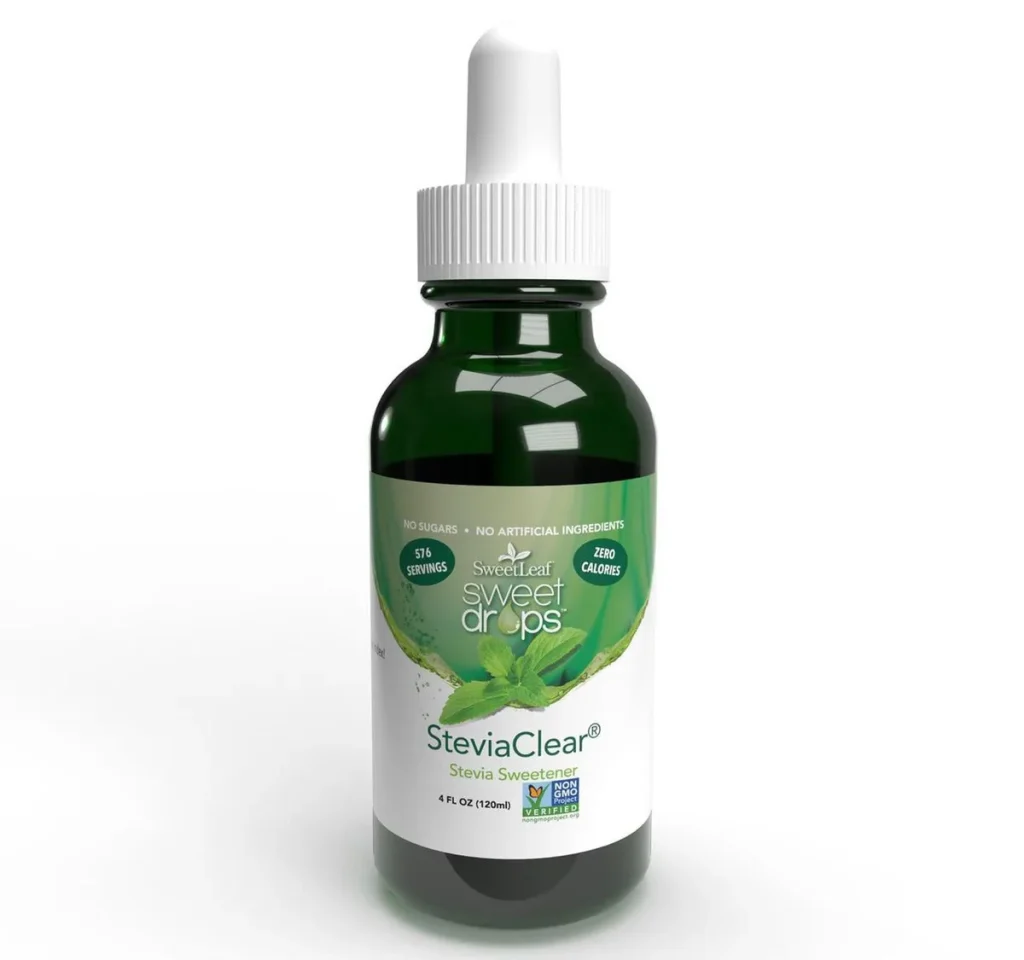
Good tea and coffee deserve a clean, zero-calorie sweetener. But store-bought stevia drops often hide a list of additives like maltodextrin, natural flavors, and alcohol. Making your own homemade liquid stevia extract is surprisingly easy, and it puts you in control of exactly what you're adding to your cup.
According to manufacturer specifications and peer-reviewed studies, stevia leaves contain steviol glycosides up to 300 times sweeter than sugar. As of 2026, home extraction with water, alcohol, or glycerin remains the cheapest and most customizable approach. Let's walk through which method fits your kitchen and your needs.
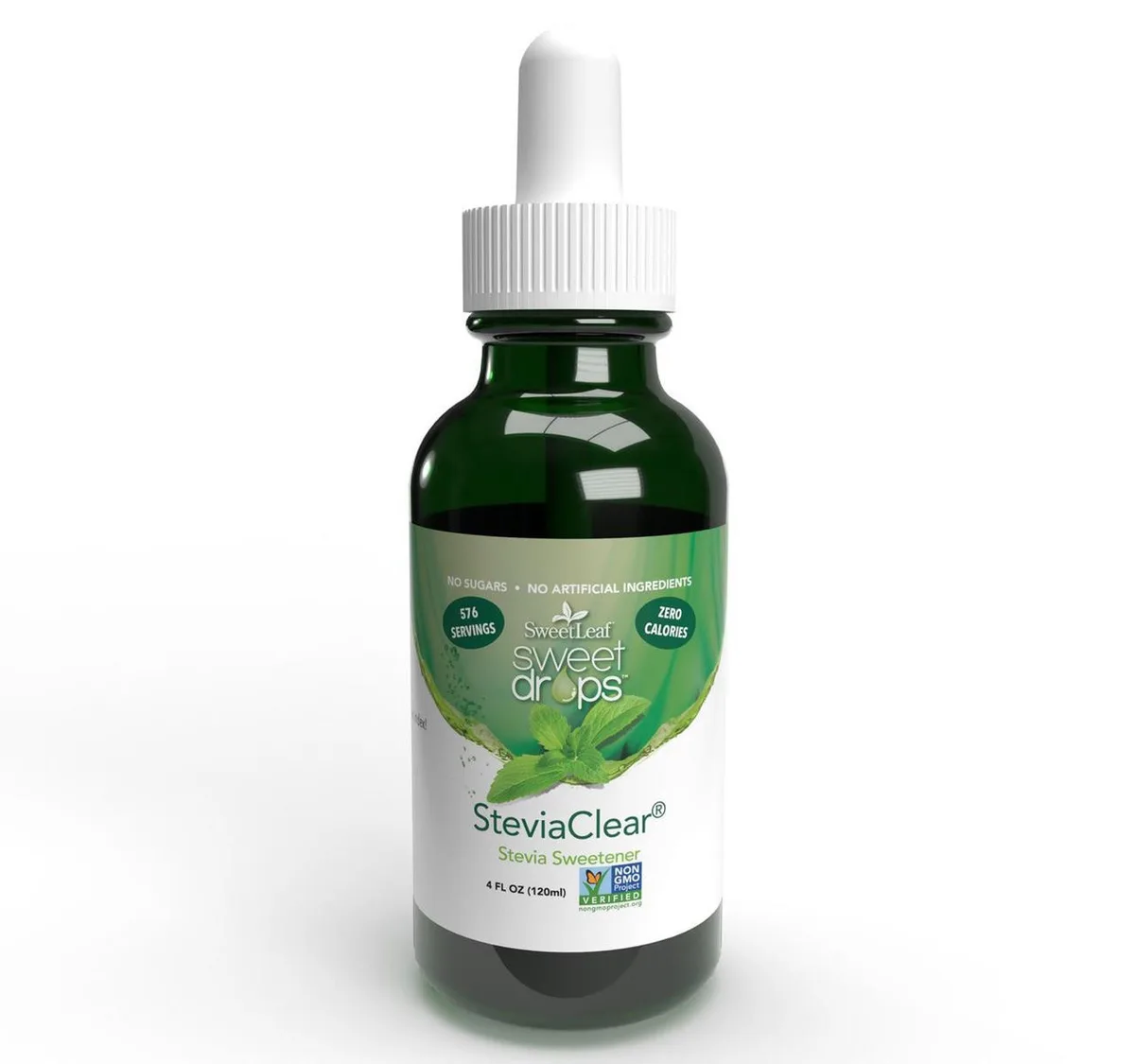
Image source: Web (Bing) / dutchvalleyfoods.com (Web image (fair-use with source credit))
Why Bother Making Your Own Stevia Extract?
Store-bought stevia drops are convenient, but flip the label over. You'll often find alcohol, natural flavors, or maltodextrin that do nothing for your health. Homemade liquid stevia extract, on the other hand, needs just two ingredients: stevia leaves and a safe solvent.
The real draw is control. You decide the strength, the flavor profile, and whether it's alcohol-based or alcohol-free. If you grow stevia in your garden, you can turn a whole season of leaves into a shelf-stable jar instead of watching them wilt.
As of 2026, the savings are real: a bottle of homemade extract costs a fraction of a store-bought tincture.
The science matters too. Stevia leaves contain steviol glycosides, and those compounds dissolve differently depending on the liquid. Water pulls them quickly but spoils, alcohol extracts more thoroughly from dried leaves, and glycerin delivers a clean, sweet result with no booze.
So the method you choose is the real skill.
And unlike stevia powder, liquid extract dissolves instantly in both cold and hot drinks. That's a small thing, but it makes every cup easier.
The 30-Second Decision: Water, Alcohol, or Glycerin?
Here's the single question that determines your branch: how long do you need the extract to last?
Answer that and everything else falls into place. Water is for immediate use, alcohol is for long-term batches, and glycerin sits happily in the middle. The table below lines up the practical trade-offs.
| Method | Best for | Shelf life | Flavor | Effort |
|---|---|---|---|---|
| Water | Smoothies, iced tea, one-week meal prep | 7-14 days in fridge | Green, earthy | Easiest |
| Alcohol | Pantry storage, baking, tinctures | 12+ months | Slight boozy burn | Moderate |
| Glycerin | Kids, alcohol-free diets, natural sweetness | 6-8 months | Sweet and mild | Low |
The dry version of that is simple. If you want it next week, make water extract. If you want it next year, make alcohol.
If you want no alcohol and a longer window than water, glycerin is your branch.
The FDA has generally recognized steviol glycosides as safe for use in foods, per the U.S. Food and Drug Administration. That guidance covers the sweet compounds you're extracting, no matter which solvent you pick.
Branch 1: The Water Extract — Fast, Simple, and Best Used Quickly
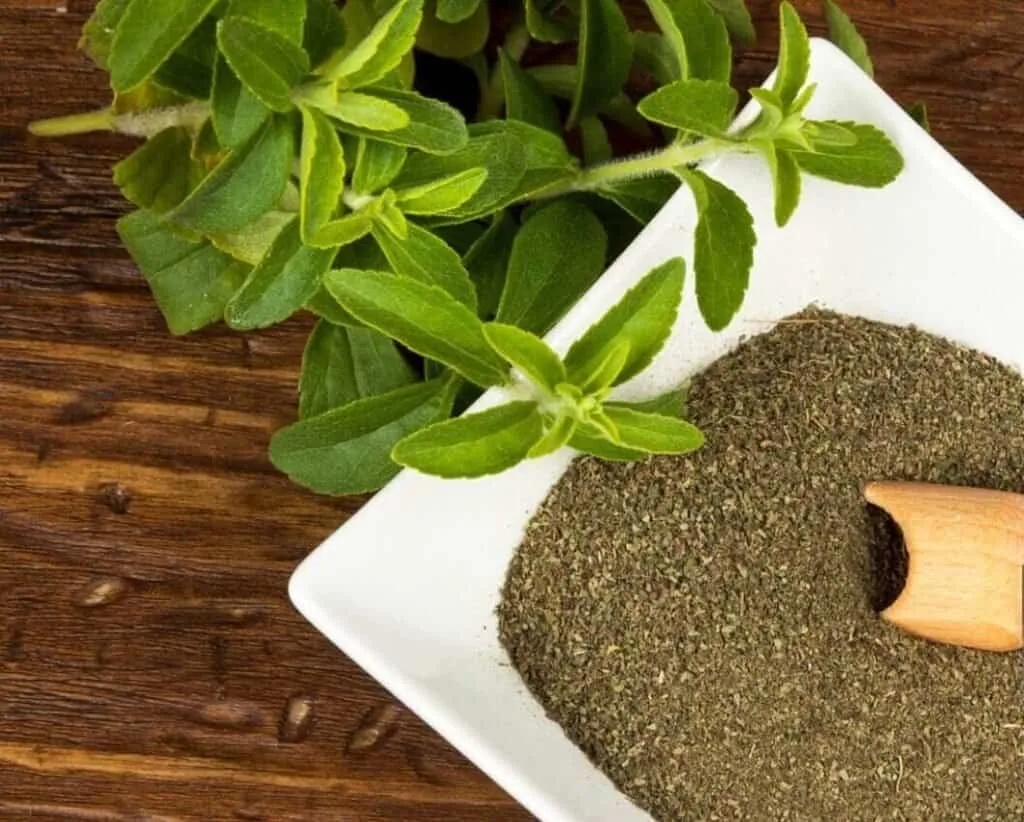
Image source: Web (Bing) / greeneryindoor.com (Web image (fair-use with source credit))
Choose this branch if you're making a small batch to use within a week or two. The water method pulls out the sweet glycosides quickly, but the result has no preservatives. That's why the fridge life is short.
Here's the process:
- Crush 1 cup of fresh stevia leaves, or use 1/2 cup dried.
- Heat 2 cups of distilled water to a bare simmer, then turn it off.
- Stir in the leaves, cover, and steep for 2 to 4 hours.
- Strain with cheesecloth or a coffee filter, pressing to drain every drop.
- Bottle and refrigerate. Use within 14 days.
Aggregate user reviews report that this method produces the greenest, most vegetal flavor. That's because heat pulls chlorophyll into the water along with the sweetness. If you want a milder, cleaner sweetness, steep in cold water for 12 hours instead of using hot water.
It takes longer, but the taste is noticeably less grassy.
Branch 2: The Alcohol Tincture — The Longest-Lasting DIY Extract
This branch is the best choice when you want a single batch that sits in your pantry for over a year. High-proof alcohol acts as both a solvent and a preservative. Manufacturer specifications indicate that 80 to 100 proof vodka or grain alcohol works best.
The steps are straightforward:
- Fill a clean glass jar halfway with dried, crushed stevia leaves.
- Pour alcohol over the leaves until they're completely covered.
- Seal the jar and shake it daily for 24 to 48 hours.
- Strain through a fine mesh strainer lined with cheesecloth.
- Store in dark glass bottles in a cool, dark place. It keeps for 12 months or more.
The longer you steep, the stronger the extract gets. Beyond two days, though, you may start pulling out bitter plant compounds. The alcohol burn fades after a few weeks.
If you're baking with the extract, the heat cooks off most of the alcohol anyway.
A word of caution: this branch isn't for kids, recovery-focused diets, or anyone who dislikes the taste of booze. If that's you, skip to the glycerin method below.
Branch 3: The Glycerin Glycerite — Alcohol-Free and Naturally Sweet
Glycerin is the quiet middle child of stevia extraction. It's sweet on its own, so your extract gets a double dose of sugar-like flavor without a single calorie. Food-grade vegetable glycerin is generally recognized as safe, and it doesn't carry the boozy profile of an alcohol tincture.
This branch is ideal if you're making stevia for kids, avoiding alcohol, or simply want something that tastes good straight out of the bottle.
The process:
- Combine 1/2 cup of dried stevia leaves with 1 cup of glycerin and 1 cup of water.
- Shake well in a glass jar.
- Store in a cool, dark spot, shaking daily for 1 to 2 weeks.
- Strain through cheesecloth, then bottle in a dark dropper bottle.
- Refrigerate after opening. It stays good for 6 to 8 months.
The glycerin method takes the longest steep, but the result is worth it. The sweetness lands closer to honey than to grass, and it blends smoothly into tea, coffee, or yogurt.
One practical tip: if the glycerite feels too thick, thin it with a little distilled water before bottling. The flavor won't change.
The Stevia Mistakes Everyone Makes (and How to Avoid Them)
Even a simple extraction can go sideways. The most common error is using tap water full of chlorine and minerals. Those compounds react with steviol glycosides and leave a bitter, chemical aftertaste.
Distilled water solves this for every method.
Another frequent misstep is over-steeping. Leave stevia leaves in water for more than 4 hours and chlorophyll leaches out. Your extract turns dark green and tastes like cut grass.
The same goes for alcohol: push past 48 hours and bitter plant tannins join the party. Set a timer.
A third mistake is inconsistent drying. If you use fresh leaves for the alcohol or glycerin method, moisture introduces mold risk. Dry leaves thoroughly first.
USDA extension guides recommend drying at 95°F for 6 to 8 hours until leaves crumble easily. Skip that step and you risk spoiling an entire batch.
Finally, don't skip the filtration step. Tiny leaf particles break down over time and turn your extract cloudy. Layer a coffee filter over cheesecloth for the cleanest result.
Aggregate user reviews report that a second pass through a fine mesh strainer removes the last grit.
One more thing: glass jars work best. Plastic can absorb the sweet compounds and leave you with a weaker end product. Dark glass bottles protect against light degradation, especially for alcohol-based extracts stored on a pantry shelf.
Stevia Extract FAQs: What People Ask First
How strong is homemade liquid stevia extract compared to sugar?
Approximately 1 to 2 drops of a concentrated alcohol or glycerin extract equals the sweetness of 1 teaspoon of sugar. Water extracts are slightly weaker. You can always reduce the amount of solvent in later batches to increase strength.
Does homemade stevia extract have a bitter aftertaste?
It can, especially if you over-steep or include stems and seeds. The bitterness comes from extracting compounds called stevioside rather than the sweeter rebaudioside A. Using only leaf material and a shorter steep time minimizes bitterness.
Can I use vodka or do I need high-proof alcohol?
Vodka at 80 proof works well for a standard tincture. Higher proof grain alcohol (151 or 190 proof) extracts faster and pulls more glycosides, but it also burns off more alcohol when used in cooking. Both are effective.
Just avoid flavored or sweetened vodkas.
How long does homemade stevia extract actually last?
Water extract keeps 7 to 14 days in the refrigerator. Glycerin extract stays good for 6 to 8 months in a cool dark cupboard. Alcohol extract lasts 12 months or more if stored properly in dark glass.
In all cases, refrigerating after opening extends shelf life.
Can I use dried stevia leaves from the store instead of fresh?
Absolutely. Dried leaves are often more concentrated by weight. Use half the amount of dried leaves compared to fresh in any recipe.
Just ensure they are food-grade and not treated with preservatives or anti-caking agents.
Your Final Decision Guide: Pick Your Method and Start Infusing
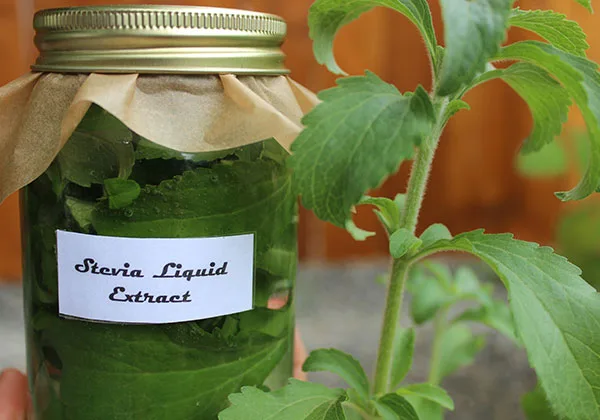
Image source: Web (Bing) / superfoodevolution.com (Web image (fair-use with source credit))
You now have the full map. The decision tree is straightforward.
If you need sweetness within the week and don't mind refrigerating, the water method is your quickest path. It takes two hours of active time and zero special ingredients. Perfect for smoothie lovers and iced tea drinkers.
If you want a pantry staple that never worries you about spoilage, the alcohol method wins. It requires a small upfront investment in high-proof spirits but delivers a year-long supply. Ideal for bakers and coffee enthusiasts who want one less errand.
If you're avoiding alcohol or making extracts for children, the glycerin method is the clear choice. It takes longer to steep, but the gentle, honey-like sweetness makes it worth the wait. The 6 to 8 month shelf life is generous enough for most households.
Whichever branch you choose, start with a small test batch. Adjust the leaf-to-liquid ratio and steep time until the sweetness matches your preference. Write down what you used so you can repeat it later.
As of 2026, making this at home is cheaper, cleaner, and more satisfying than any store-bought bottle.
Now go pick your jar and start infusing.