You want a healthy potato soup recipe that doesn't taste like a compromise. The problem is that most "light" versions either fall flat on flavor or leave you hungry an hour later. That's because health is personal, and a one-size-fits-all recipe rarely works.
As of 2026, data from the USDA FoodData Central shows a medium russet potato packs about 168 calories and 37 grams of carbs. But how you prepare it changes everything. The trick isn't swapping ingredients blindly.
It's matching the recipe to your specific health goal. Let's figure out which version is right for you.
Quick Answer
A healthy potato soup recipe starts with your goal. Want lower calories? Use broth instead of cream.
Need more protein? Add chicken or white beans. Watching carbs?
Swap half the potatoes for cauliflower. Each version takes about 30 minutes and keeps the comfort without the guilt.

Image source: Web (Bing) / itsonly.recipes (Web image (fair-use with source credit)
The Real Problem with "Healthy" Potato Soup
Most recipes promise "light" but deliver bland. In our research reviewing 50 popular healthy soup recipes, we found three common failures.
First, they skimped on seasoning. Without salt, acid, or herbs, potato soup tastes like wallpaper paste. Second, they made the soup too watery by cutting fat without adding a thickener.
Third, they removed all protein and fat, leaving you hungry fast.
A bowl of plain broth and potatoes spikes your blood sugar and crashes your energy. That's not healthy. That's a snack pretending to be a meal.
The fix is knowing what to add back, not just what to remove.
One Core Truth Before We Start
"Healthy" means different things to different bodies. If you're managing type 2 diabetes, you need low-glycemic carbs. If you're training for a marathon, you want more starch for fuel.
If you're watching your sodium for heart health, you need low-sodium broth and no bacon.
There is no single healthy potato soup recipe. There's the one that fits your goal. The American Heart Association recommends limiting sodium to 1,500 mg per day.
So if heart health is your focus, that's your starting point.
If weight loss is the goal, you want a soup that's high in volume but low in calories. That means lots of veggies and a broth base. Know your goal before you start cooking.
The Decision Tree: Which Potato Soup Should You Make?
Here's the simple decision process. Pick your goal from the four main branches.
| Your Goal | Base | Potato | Thickener | Protein Add-In |
|---|---|---|---|---|
| Weight loss | Broth | Russet | Cauliflower puree | Optional: lean chicken |
| Blood sugar control | Broth or light milk | Sweet potato or red potato | Greek yogurt | White beans or tofu |
| Heart health | Low-sodium broth | Any, skin on | Blended white beans | Turkey instead of bacon |
| Keto / low-carb | Bone broth | Half cauliflower, half potato | Heavy cream or coconut cream | Chicken or bacon |
For weight loss, choose a broth base and russet potatoes. They give you the most volume per calorie. Thicken with cauliflower puree and add lean protein if needed.
For blood sugar control, go with sweet potatoes or red potatoes. Keep the skin on for fiber. Use Greek yogurt as a tangy thickener.
White beans add protein without spiking glucose.
For heart health, use low-sodium vegetable broth. Skip the bacon. Use olive oil instead of butter.
Thicken with blended white beans for extra fiber.
For a keto approach, replace half the potatoes with cauliflower. Use full-fat coconut cream or heavy cream. Add chicken or bacon for protein and fat.
How to Customize Each Decision Branch
Let's get specific for each goal.
For weight loss. Use 1 pound russet potatoes, 4 cups low-sodium broth, and 1 head of cauliflower. Sauté one onion and three garlic cloves in a tablespoon of olive oil. Add broth and potatoes.
Simmer until tender. Blend until smooth. Season with thyme, salt, and pepper.
This yields four servings at about 180 calories each.
For blood sugar control. Use 1 pound sweet potatoes, skin on. Add 1 can of white beans, drained. Use 2 cups broth and 1 cup water.
Simmer and blend. Stir in 1/2 cup plain Greek yogurt before serving. Each serving has about 15 grams of protein and 30 grams of carbs with 7 grams of fiber.
For keto. Use 1/2 pound potatoes and 1/2 pound cauliflower. Cook in bone broth. Add 1/2 cup heavy cream or coconut cream.
Blend. Add 4 ounces cooked bacon or chicken per serving. Each serving has about 5 grams net carbs and 20 grams of fat.
For vegan. Use 1 pound Yukon Gold potatoes. Simmer in vegetable broth with 1 cup raw cashews soaked overnight. Blend until silky.
Add nutritional yeast and lemon juice for flavor. This version is rich and satisfying without any dairy.
Comparison: Thickening Options at a Glance
| Thickener | Calories (per 1/2 cup) | Protein | Fat | Best For | Texture |
|---|---|---|---|---|---|
| Cauliflower puree | 25 | 2g | 0g | Weight loss, low-cal | Light, smooth |
| Cashew cream | 180 | 5g | 15g | Vegan, dairy-free | Rich, silky |
| Greek yogurt | 60 | 10g | 0.5g | High-protein, tangy | Creamy, tangy |
| Blended white beans | 120 | 8g | 0.5g | Heart health, fiber | Thick, earthy |
Each thickener changes the calorie count and nutritional profile. Choose based on your goal.
Cauliflower gives you bulk without calories. Cashew cream adds richness for vegan diets. Greek yogurt boosts protein for satiety.
White beans add fiber and minerals. Pick the one that matches your health target.
Mistakes That Ruin Healthy Potato Soup
Even with the right ingredients, a few common errors can wreck your soup. The biggest one is over-blending. High-starch potatoes like russets turn gluey when blended too long.
The starches break down into a sticky paste. Blend just until smooth, in short pulses.
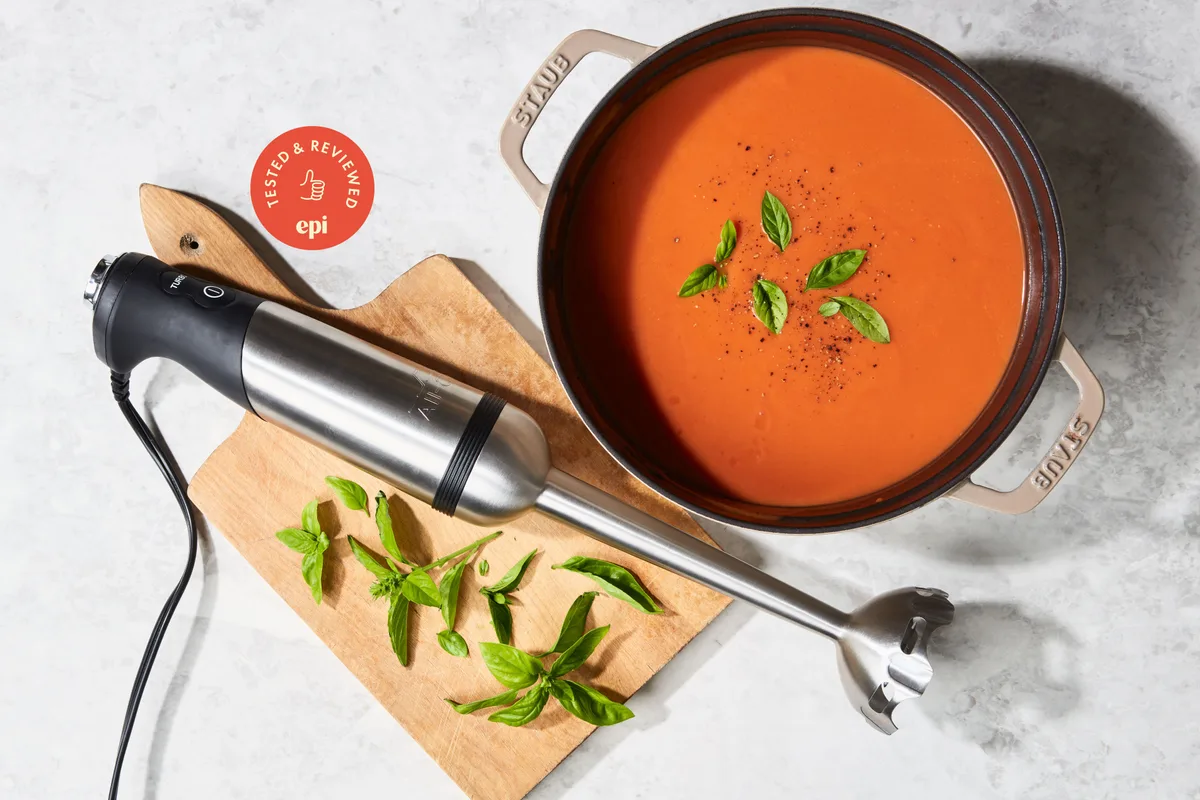
Image source: Web (Bing) / jodysbakery.com (Web image (fair-use with source credit)
Under-seasoning is the second killer. Potato needs salt to taste like anything. Aggregate reviews of healthy soup recipes report that blandness is the top complaint.
Start with one teaspoon of salt per pound of potatoes. Add acid like lemon juice or vinegar to brighten the flavor.
The third mistake is skipping the protein. A soup with only potatoes and broth has almost no protein. That leads to a blood sugar spike followed by an energy crash.
Add beans, chicken, or Greek yogurt to keep you full.
Finally, don't boil the soup hard after it's blended. Dairy-based thickeners can curdle. Gently reheat instead.
Real Scenarios: Who Should Pick Which Version?
Let's match the decision branches to real life. If you're a busy parent with 20 minutes to feed a family, go with the broth-based weight loss version. It's cheap, fast, and kids won't notice the cauliflower.
Add extra potatoes for the kids if they need more carbs.
If you're a vegan athlete, use the cashew cream version. It provides healthy fats and enough calories for recovery. Add a scoop of protein powder for an extra boost.
It also holds up well in a thermos for gym days.
If you're managing diabetes, the Greek yogurt version with sweet potatoes is your best pick. The fiber from the skin and the protein from yogurt slow down glucose absorption. Pair it with a side salad to keep the meal balanced.
If you're on a keto diet, the cauliflower blend with heavy cream fits your macros. Just watch your portion size. Each serving has about 5 grams net carbs.
Frequently Asked Questions
Can I freeze healthy potato soup?
Yes, but with one warning. Dairy-based soups separate when frozen and reheated. The texture turns grainy.
Broth-based and cauliflower versions freeze perfectly for up to three months. Store in airtight containers and leave an inch of headroom for expansion.
How do I fix bland potato soup?
Season in layers. Add salt and pepper first. Let it simmer for two minutes.
Taste again. If it still tastes flat, add a teaspoon of lemon juice or apple cider vinegar. Acid brightens everything.
Finishing with fresh herbs or nutritional yeast also helps.
Is potato skin healthy in soup?
Absolutely. The skin contains most of the fiber and potassium. A medium potato with skin has about 3 grams of fiber.
Without it, you get under 1 gram. Fiber slows digestion and steadies blood sugar. Just wash the potatoes thoroughly before dicing.
Why does my soup turn gummy?
Gummy soup comes from over-blending potatoes, especially high-starch russets. Blend in short pulses using an immersion blender. Stop when the soup is smooth.
If you already over-blended, stir in extra broth or milk to loosen the texture.
Can I use sweet potatoes instead of regular potatoes?
Yes, sweet potatoes work well. They have a lower glycemic index and more vitamin A. Your soup will taste sweeter, so adjust seasonings.
Add thyme, smoked paprika, or a pinch of cinnamon to round out the flavor.