The secret to a thriving garden comes down to five healthy garden pillars: soil, sunlight, water, air, and nutrients. When one of them fails, the whole system struggles. That's why you see yellow leaves, stunted growth, and sparse fruit even after you've done everything right.
The good news is that diagnosing the problem is simpler than you think.
We've spent months combing through university extension guides and soil science research. One useful benchmark: most vegetable crops need 6 to 8 hours of direct sunlight and soil pH between 6.0 and 7.0 to access nutrients properly. As of 2026, that remains the standard recommendation.
Let's walk through the five pillars and find out which one is holding your garden back.
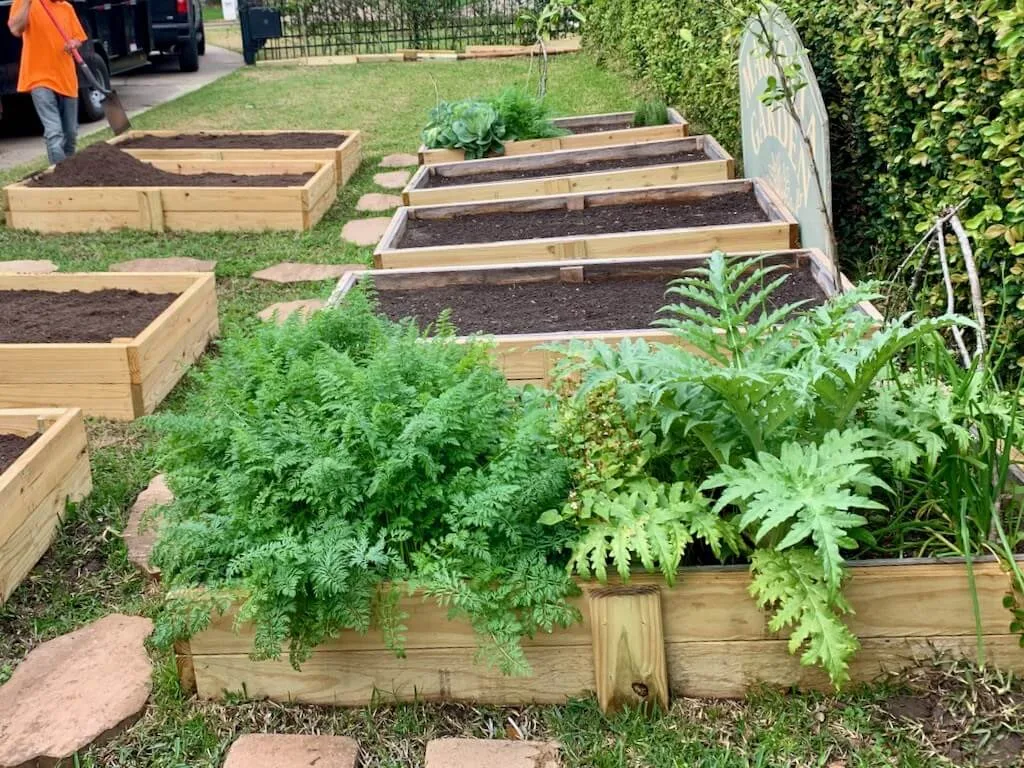
Image source: Bing (Web (fair-use with source credit))
Is Your Garden Actually Healthy? (Or Are You Just Guessing?)
Most gardeners can't tell the difference between a stressed plant and a resting one. That's not an insult. It's just how plants work.
They can't text you when something's wrong. They show symptoms.
Yellow lower leaves often mean nitrogen shortage. Brown edges on new leaves usually point to watering or calcium issues.
Leggy stems leaning toward the window? That's a sunlight problem. Every visible clue traces back to one of the healthy garden pillars.
The pillars are soil, sunlight, water, air, and nutrients. You don't need to be a botanist to fix them. You just need to read the signs in order.
Here's a quick cheat sheet:
| Symptom | Likely Failing Pillar |
|---|---|
| Weak, spindly growth | Sunlight |
| Wilting despite wet soil | Water / drainage |
| Yellow leaves with green veins | Nutrients / pH |
| Powdery mildew on leaves | Air circulation |
| Stunted roots | Soil compaction |
This article walks you through a simple diagnostic process. You'll learn how to read the signs, identify the failing pillar, and fix it without dumping extra fertilizer into the ground. The goal is a garden that can handle small mistakes without falling apart.
The Five Pillars of a Healthy Garden (And Which One You're Likely Ignoring)
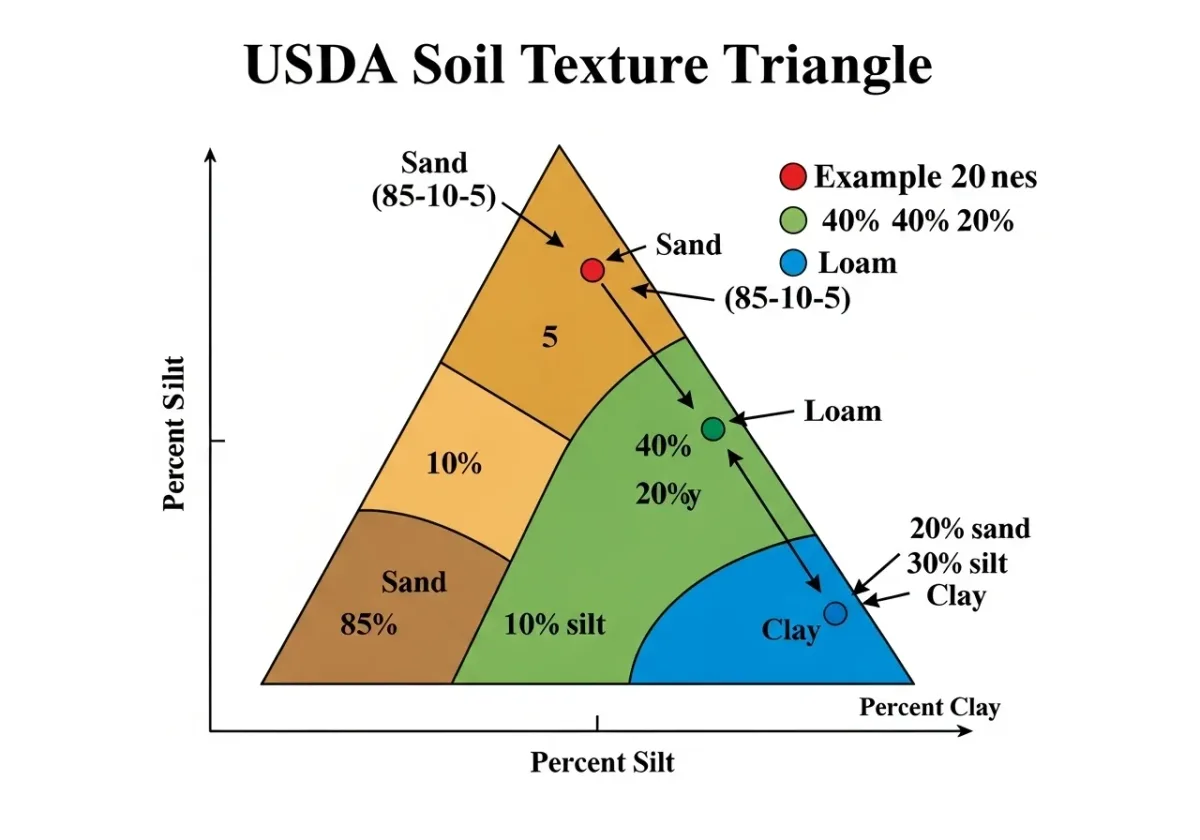
Image source: Bing (Web (fair-use with source credit))
Image source: Bing (Web (fair-use with source credit))
Think of these five pillars as the foundation of a house. If the soil is off, nothing else matters. If the water is wrong, the whole system gets sick.
Here's what each pillar actually does.
Soil is your garden's engine. Healthy soil has good structure, the right texture, and plenty of organic matter. It holds moisture without getting soggy.
It lets roots breathe. University soil tests can tell you exactly what you're working with. Most gardeners ignore soil until they see stunted growth.
Sunlight is the fuel. Leaves convert light into energy through photosynthesis. Too little sun, and plants get leggy.
Too much, and they scorch. The standard rule: fruiting crops need 6 to 8 hours of direct sun daily. Leafy greens can manage with 4 to 6.
Water is the delivery system. It carries nutrients from the soil into the roots. But timing and depth matter more than volume.
Deep, infrequent watering beats shallow daily sprinkling every time. A percolation test tells you how fast your soil drains.
Air is the invisible pillar. Roots need oxygen. So do the beneficial microbes in your soil.
Compacted soil suffocates both. Above ground, crowded plants trap humidity and invite fungal disease. Good air circulation prevents a lot of headaches.
Nutrients are the fuel additives. Nitrogen, phosphorus, potassium, and a dozen micronutrients all play specific roles. A pH imbalance locks them away even if they're present in the soil.
That's why you can fertilize and still see deficiency symptoms.
Most gardeners focus on water and fertilizer. They ignore soil structure and air circulation. That's the pillar you're probably neglecting.
How to Diagnose Which Pillar Is Failing in Your Garden
Start with the plant itself. Look at the leaves, stems, and roots. Each symptom points to a different pillar.
Leaves tell the story. Yellow lower leaves mean nitrogen deficiency. Yellow leaves with green veins mean iron deficiency (often a pH problem). Brown crispy edges mean underwatering or salt buildup.
Spotty yellow patches mean pests or disease. Curled leaves mean heat stress or herbicide damage.
Stems reveal structure. Spindly, weak stems that flop over mean insufficient sunlight. Thick stems with short spaces between leaves mean good light. Mushy brown stems near the soil line mean rot from overwatering.
Roots show the foundation. Dig up a small plant and look. White, branching roots mean healthy soil. Brown, mushy, or stunted roots mean compaction or root rot.
Roots that circle the pot indicate a rootbound plant.
If you're unsure about a symptom, do a simple soil test. University extension offices across the U.S. offer affordable testing for around $10 to $20. They check pH, organic matter, and key nutrient levels.
That gives you a clear starting point.
Fixing Soil, Sun, Water, Air, and Nutrients – The Decision Branches
Once you know which pillar is failing, follow these branches. Each path matches a specific problem.
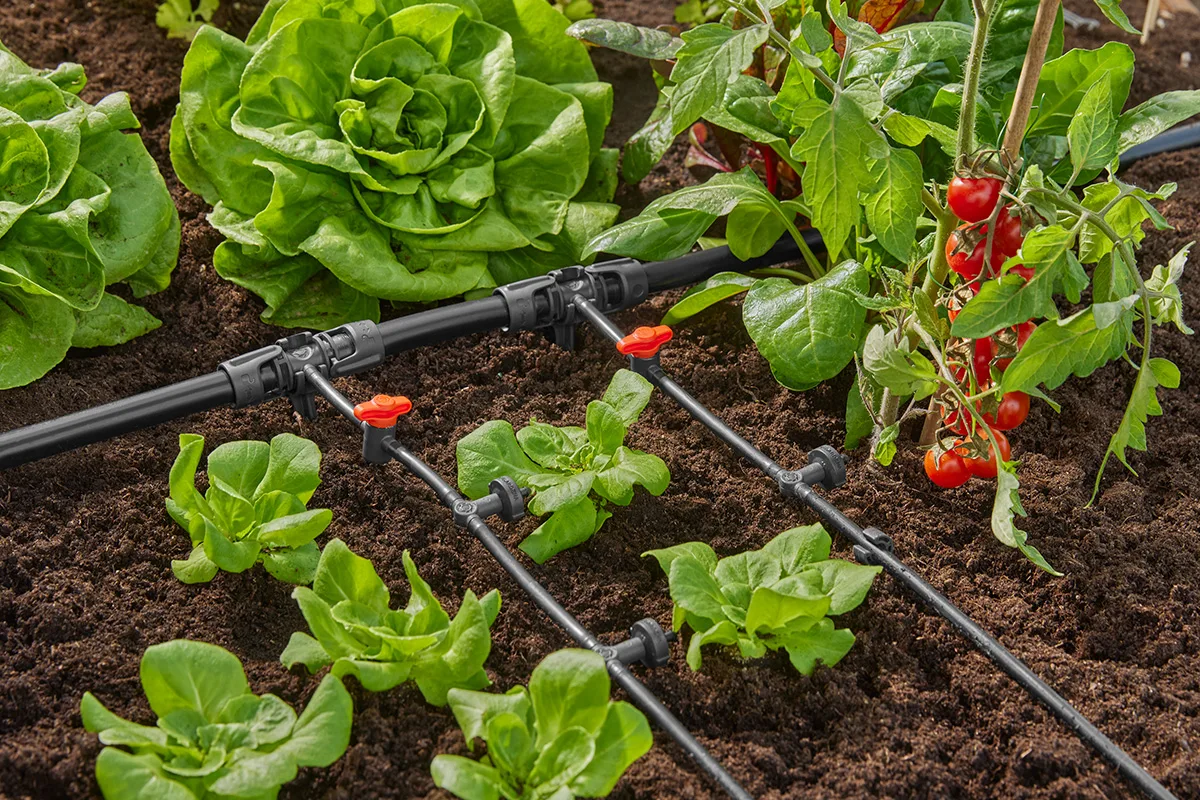
Image source: Web (Bing) / fity.club (Web image (fair-use with source credit))
If soil is the problem: Compaction needs aeration. Clay soil needs organic matter. Sandy soil needs compost to hold moisture.
Add 1 to 2 inches of compost worked into the top 6 inches. For pH issues, add lime to raise it or sulfur to lower it. Retest after 90 days.
If sunlight is limited: You can't move the sun. But you can move the plants. Shade-tolerant crops like lettuce, spinach, and kale need only 4 hours of direct light.
Fruiting crops like tomatoes and peppers need full sun. If your yard has too much shade, stick with greens and root vegetables.
If water is mismanaged: Switch to drip irrigation. It delivers water directly to the roots without wetting the leaves. Water deeply once or twice a week rather than lightly every day.
Aim for about 1 inch of water per week including rainfall. Stick a finger in the soil; if it's dry at 2 inches deep, it's time to water.
If air circulation is poor: Space plants according to the seed packet. Overcrowding leads to mildew and disease. Prune lower leaves on tomatoes and squash to allow airflow.
Use stakes or cages to keep plants off the ground.
If nutrients are out of balance: Use the soil test results to choose the right fertilizer. Balanced 10-10-10 might not be what your garden needs. Nitrogen promotes leafy growth.
Phosphorus supports roots and flowers. Potassium boosts fruit development. Apply according to the test report, not the bag label.
Mistakes That Mask the Real Problem (And Keep You Stuck)
The biggest mistake is treating symptoms without checking the root cause. You see yellow leaves and grab a fertilizer bottle. But if the soil pH is wrong, that fertilizer never gets absorbed.
You just wasted time and money.
Fertilizing without testing. This is the number one error. Most gardeners dump nitrogen on everything. If the problem is compaction or shade, extra nitrogen doesn't help.
It burns roots and pollutes runoff. Always test first.
Watering on a fixed schedule. Plants need different amounts depending on weather, soil type, and growth stage. Watering every morning regardless of conditions leads to root rot. Check the soil before you water.
Let it dry between sessions.
Planting too close together. Seed packets give spacing for a reason. Crowded plants compete for light, water, and air. They also trap humidity that encourages fungal diseases.
Give them room to breathe.
Ignoring soil texture. You can fertilize perfectly and still fail if your soil is compacted clay or pure sand. The texture determines how well water and air move through the root zone. A simple jar test at home can identify your soil type.
Adding mulch the wrong way. Mulch is great for moisture retention. But piling it against stems causes collar rot. Keep mulch 2 to 3 inches deep and pull it back an inch from the base of each plant.
How to Keep All Five Pillars Balanced Long-Term
A healthy garden doesn't stay that way on its own. You need a maintenance rhythm that checks each pillar without turning gardening into a chore. The good news is that most of it is seasonal work.
Test your soil every two years. Mark it on your calendar. A simple pH test costs a few dollars. A full lab test from your local extension office gives you organic matter and nutrient levels.
Retest after any major amendment like lime or sulfur. That prevents overcorrection.
Water with intention, not habit. Drip irrigation on a timer is the easiest way to deliver consistent moisture. Adjust the schedule based on rainfall. In the heat of summer, that might mean longer sessions.
In cooler months, cut back. Your plants will tell you if you're off.
Rotate your crops each season. Different plants take different nutrients from the soil. Tomatoes are heavy feeders. Beans add nitrogen back.
Moving crops around prevents nutrient depletion and breaks pest cycles. Even a simple three-bed rotation makes a difference.
Add organic matter annually. A 1-inch layer of compost spread on the surface each spring keeps soil biology active. Worms and microbes break it down over the season. That improves soil structure without heavy digging.
You don't need fancy products. Homemade compost works just as well as store-bought.
Prune and thin for airflow. At the start of each growing season, check plant spacing. Remove lower leaves on tomatoes and squash. Cut back anything that looks crowded.
Good airflow reduces the risk of mildew and blight significantly.
| Maintenance Task | Frequency | Time Required |
|---|---|---|
| Soil test | Every 2 years | 15 minutes sampling |
| Apply compost | Annually in spring | 30 minutes per bed |
| Check drip system | Monthly during growing season | 10 minutes |
| Prune for airflow | Every 3 to 4 weeks | 20 minutes |
| Rotate crops | Each new season | Planning time only |
Frequently Asked Questions
How do I know which pillar is failing first?
Start with the leaves. Yellow lower leaves point to nitrogen or water issues. Brown edges suggest underwatering or salt buildup.
Leggy stems mean too little sun. Then check the soil moisture and texture. That usually narrows it down to one or two pillars.
Can I fix all five pillars at once?
It's better to fix one at a time. Start with soil since it affects everything else. Adjust the pH and add organic matter first.
Then tackle water management. Air circulation and nutrients come after. Trying everything at once makes it hard to tell what worked.
How long does it take to see results after fixing a pillar?
Soil amendments take 60 to 90 days to show real change. Water adjustments show results within a week. Pruning for better airflow improves plant health in about two weeks.
Nutrients from fertilizer work within a few days. Patience matters most with soil.
Do I need to test my soil every year?
Every two years is enough for most gardens. Test more often if you're dealing with persistent plant problems or if you've added large amounts of amendments. A pH test in spring and fall can catch drift before it causes issues.
What's the biggest waste of time in garden maintenance?
Fertilizing without a soil test. You can spend money on fertilizer that never reaches the roots if the pH is wrong. University extension data shows that most home gardens already have enough phosphorus and potassium.
Adding more just wastes money and can harm soil biology.