Knowing when to harvest tomatillos feels simple until you're standing in front of a plant full of papery husks. Some split open, some stay tightly wrapped, and a few fruit feel hollow when you squeeze them. The fruit hides completely, so the classic tomato trick of looking for color doesn't work.
Most varieties are ready 60 to 85 days after transplant, but the calendar is only a rough guide. As of 2026, the standard advice still comes down to two reliable cues you can learn in a minute. First, it helps to understand why this crop trips so many gardeners up.
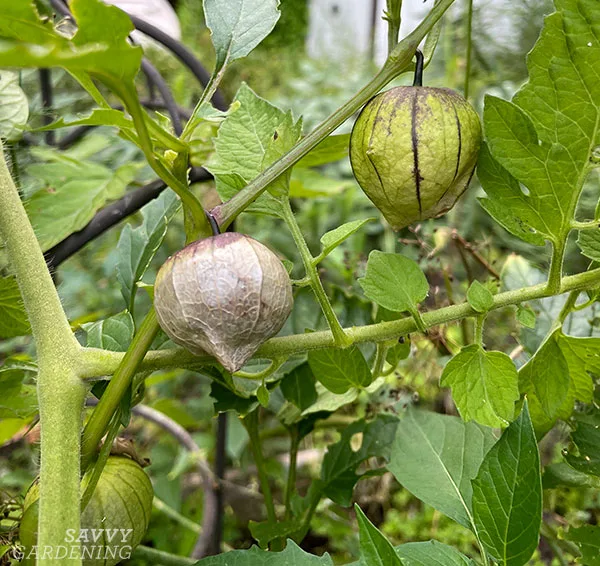
Image source: Bing (Web (fair-use with source credit))
Quick Answer
Pick tomatillos when the husk turns tan, dries out, and splits open. The fruit inside should feel firm but give slightly when pressed. Color depends on variety, from light green to yellow or purple.
Harvest every two to three days once plants start producing. Frost changes the rule: pick everything before the first freeze.
Why Harvesting Tomatillos Is Trickier Than You'd Think
Tomatillos are nightshades, but they behave nothing like their cousin the tomato. Each fruit grows inside a loose, papery husk that fills out as the berry expands. The husk does eventually split, but not always, and not all at once.
That's where most of the confusion starts.
Some varieties, like 'Toma Verde', split their husks early and reliably. Others hold the fruit tightly, so a fully ripe tomatillo hides inside what still looks like a green lantern. Squeeze it gently and you might feel a firm, glossy sphere that's totally ready to pick.
This is why the texture test matters more than the husk alone.
Then there's the sticky coating. Tomatillo skin produces a natural resin that rinses off with warm water and a little friction. It doesn't hurt you, but it does cling to your hands like tree sap.
Heavy residue also means the fruit has its protective coating intact, which helps it store longer.
Timing adds another layer. A tomatillo picked early is hard, dense, and intensely tart. That's actually a feature for salsas and pickling.
A fully ripe fruit turns milder, sweeter, and softer, which works better for cooked sauces. Neither is wrong, but they're not interchangeable in a recipe. If you've ever bitten into a pale, watery tomatillo in early summer, you know exactly what too-early tastes like.
Frost makes the decision for you. Plants are frost-tender, and damaged fruit turns to mush quickly. The USDA's plant hardiness map tells you when to plant, but the harvest cue is local: check the forecast as night temperatures dip toward the mid-30s and plan to pick everything before the first freeze lands.
In our research, the gardeners who struggle usually rely on one single signal, like a split husk. The ones who succeed watch the whole picture: husk, feel, timing, and intended use. Some of those signals are visual, others purely tactile, and the combination is what makes the call reliable.
The Two Signs That Really Matter
The whole harvest trick boils down to two signs. Learn these and you'll rarely pick too early or too late.
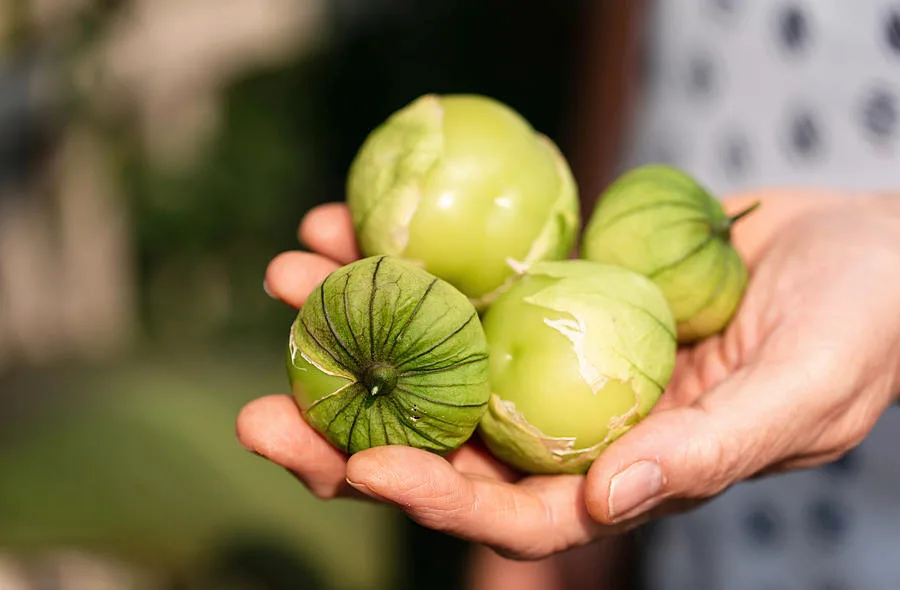
Image source: Bing (Web (fair-use with source credit))
Sign 1: The husk turns papery
A ready husk turns tan, parchment-colored, and feels dry to the touch. On most varieties it splits at the tip, exposing the fruit underneath. The split is a confirmation, not the signal itself.
It means the fruit inside has stopped growing and started finishing.
Some varieties skip the split entirely. When the husk looks fully papery but stays sealed, press it gently. If the fruit inside feels substantial, roughly the size of a golf ball or bigger, it's ready.
Sign 2: The fruit fills the husk and gives slightly
This is the squeeze test. Cup the fruit through the husk between your thumb and index finger. A ripe tomatillo feels firm but has a tiny bit of give, like a ripe plum.
Hard as a marble means it needs more time. Soft or squishy means you waited too long.
Neither sign works alone. A split husk can appear on fruit that's still small. A filled husk can stay green and sealed on some varieties.
Together, they cover each other's blind spots.
Here's how the two signs line up at each stage:
| Stage | Husk | Fruit feel through husk |
|---|---|---|
| Not ready | Green, tight, no split | Hard, walnut-sized, doesn't fill husk |
| Ready | Tan, papery, often splitting | Firm with slight give, fills husk |
| Overripe | Split wide, dry, or discolored | Soft, seams split, skins sticky |
Color inside matters too, but only as a secondary check. Green varieties stay green when mature. Purple and yellow types shift to their final color once fully ripe.
If you cut one open and see pale, watery flesh, it was picked too early.
The fastest way to learn these signs is to check the same plant every two days for a week. You'll quickly spot the difference between a husk that's just begun to dry and one that's fully papery.
Your Harvest Decision Tree by Use Case
This is where most guides stop short. The right harvest moment changes with what you plan to make. Here's the decision tree we use, branch by branch.
Making fresh salsa or pico de gallo?
Pick fruit when the husk splits but the tomatillo is still firm. You want structure that holds up to chopping. Soft fruit turns salsa watery fast.
Cooking sauce, stews, or roasted dishes?
Wait until the fruit softens a little more. Press harder in the squeeze test. A softer tomatillo breaks down faster, roasts more evenly, and tastes slightly sweeter.
Freezing or canning for later?
Harvest firm, fully sized fruit before it turns soft. It holds texture better through processing and is easier to husk and rinse. Soft fruit still works, but expect mushiness after thawing.
Saving seeds for next season?
Let the fruit ripen completely. Keep it on the plant until the husk is fully dry and the fruit turns yellow or purple. Fully mature seeds germinate far more reliably than seeds from green fruit.
A frost is coming tonight?
Stop waiting and pick everything, regardless of ripeness. Sort after harvest: firm fruit for salsa and storage, medium fruit for sauce, and immature fruit for pickling. Anything left on the plant collapses into mush.
The one rule that overrides all of these: check your plants every two to three days once the first husk splits. Tomatillos produce continuously, so older fruit ripens while new flowers form. Check once per week and you'll lose the oldest fruit to splitting and rot.
| Use case | Pick when | Why you wait |
|---|---|---|
| Fresh salsa | Husk split, firm fruit | Holds shape when diced |
| Cooked sauce | Soft but not mushy | Breaks down faster, sweeter |
| Freezing or canning | Firm, fully sized | Holds texture after processing |
| Seed saving | Husk dry, fruit fully colored | Seeds reach maturity |
When in doubt, err early for fresh use and late for cooked use. Early fruit is still usable and tart. Late fruit is often compost.
Common Mistakes Even Experienced Gardeners Make
Most of these mistakes come from treating tomatillos like tomatoes. Here's what goes wrong and how to avoid it.
Waiting for the husk to split on every variety.
Some varieties, especially thicker-husked types, never split cleanly. The fruit can be perfectly ripe while the husk looks sealed. If you wait for a split, you'll end up with nothing.
Use the squeeze test instead.
Tugging fruit off by hand.
Ripe tomatillos don't snap off like beans. You'll often rip the stem, tear the husk, or bruise nearby fruit. Use pruners or sharp scissors to cut the short stem above the husk.
Clean cuts also reduce entry points for disease.
Washing before storage.
That sticky resin is your friend. It protects the fruit and slows moisture loss. Once you wash it off, shelf life drops fast.
Wash only what you plan to eat or process right away.
Harvesting on a wet morning.
Moisture on the husk invites mold, especially in long-term storage. Wait until the dew dries, ideally midday, for anything going into the fridge. Rain-soaked fruit should be used quickly or processed immediately.
Ignoring fallen fruit.
Tomatillos drop when fully ripe or when the plant gets stressed. Leaving them on the soil attracts pests and sprouts volunteer plants in odd places next spring. Pick them up and compost anything past its prime.
Reading color like a tomato.
A green tomatillo isn't automatically unripe. Most common varieties are green when mature. Checking for a golden or reddish blush only works on specific heirloom types.
Trust the husk and the squeeze test, not the color.
Not harvesting often enough.
This is the biggest yield killer. Plants ripen fruit continuously, and leaving mature fruit on the vine signals production to slow down. Harvest every two to three days for a steady supply.
Tomatillos are forgiving, though. None of these mistakes kills the plant. Fix the habit and you'll see a better harvest within the same season.
Expert Tips for Better Timing and Less Waste
You've got the basics down. These refinements make harvesting feel effortless and cut waste to almost nothing.
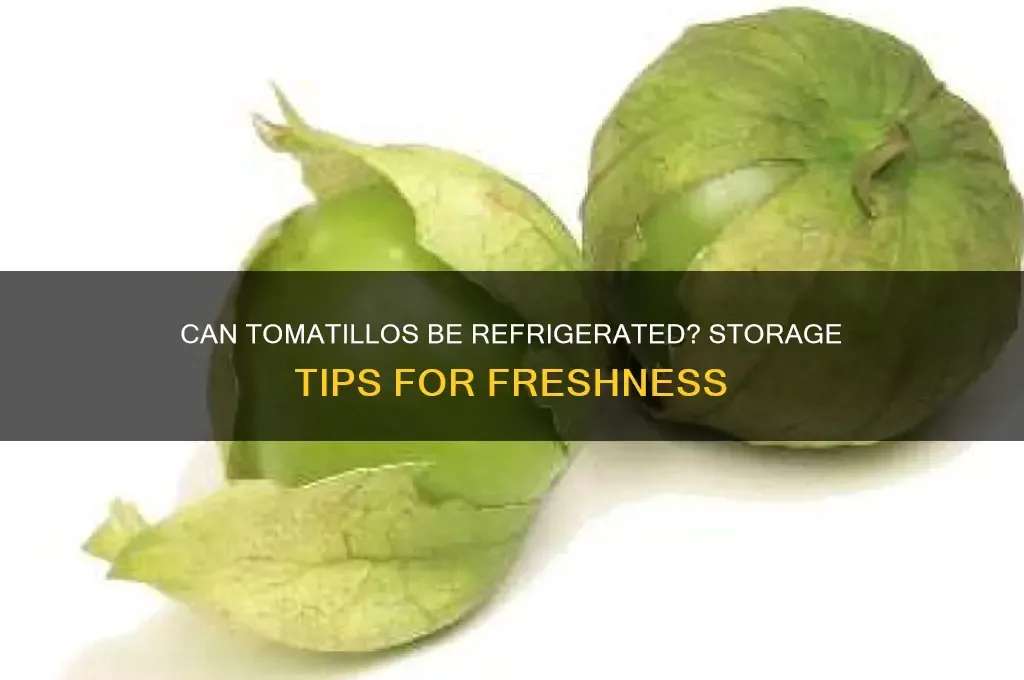
Image source: Web (Bing) / cycookery.com (Web image (fair-use with source credit))
Harvest at the right time of day.
Pick in the morning once the dew dries, or early afternoon. Wet tomatillos rot faster in storage, even inside the husk. After a rain, wait a full dry day if you can.
Store unwashed and in the husk.
Keep the husk on until you're ready to cook. It acts like a natural paper wrapper. Put dry, unwashed fruit in a perforated bag or open container in the fridge.
Expect two to three weeks of good shelf life.
Keep the temperature cool.
Per New Mexico State University Extension guidance, tomatillos store best near 32 to 40°F. A dedicated crisper drawer works perfectly. Fruit kept warmer turns soft and loses flavor faster.
Freeze whole for quick sauces.
The easiest way to preserve a big harvest is to freeze tomatillos whole. Rinse, dry, remove the husk, and drop them into freezer bags. They soften when thawed, which is perfect for salsa verde.
You can also roast and blend first for a ready-to-use sauce.
Blanch before freezing for firmer texture.
If you want fruit that holds its shape in soups or stews, blanch for 60 seconds in boiling water, then plunge into ice water. Drain completely and freeze in a single layer before bagging. This stops the enzymes that cause mushiness.
Sort as you harvest.
Set up three bowls: firm, medium, and soft. Firm goes to salsa or storage. Medium goes to sauce this week.
Soft goes straight to the freezer or the pot. This five-minute habit removes decision fatigue later.
Also, work the plant from bottom to top. Fruit closest to the ground ripens first. Upper branches keep producing well into late summer.