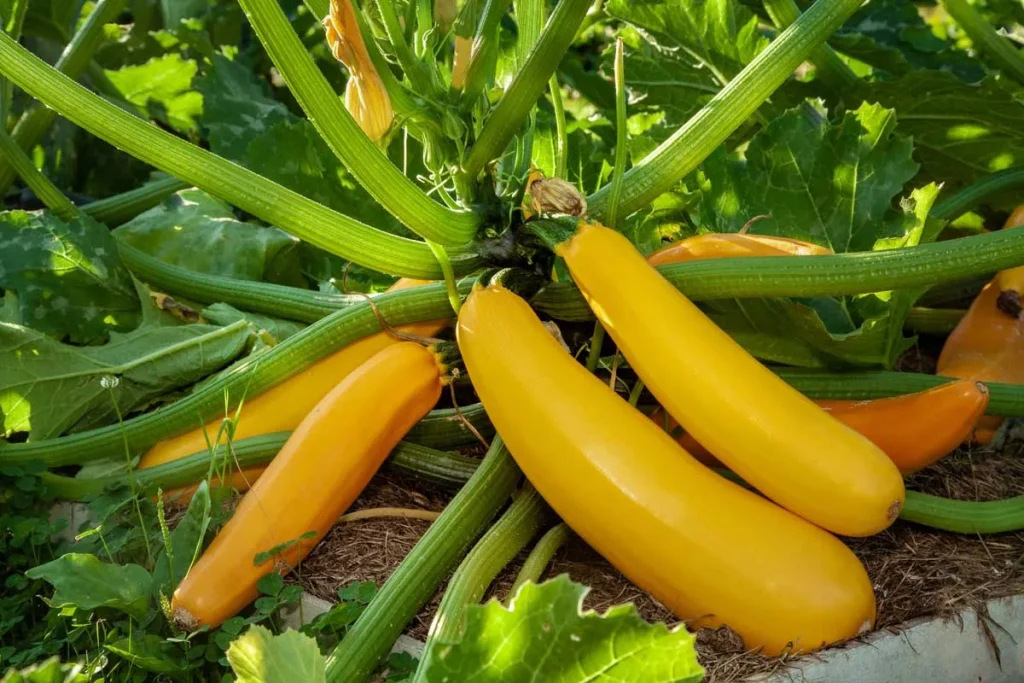
Growing zucchini sounds easy until your plant wilts overnight or your fruit turns bitter. The truth is, this fast-growing summer squash rewards attention to a few key decisions. Get them right, and you'll have more zucchini than you know what to do with.
Get them wrong, and you'll wonder where it all went sideways.
The good news? Zucchini is forgiving. As of 2026, improved hybrids and disease-resistant cultivars from university breeding programs have made success easier than ever.
Most plants yield 6 to 10 pounds of fruit over a season, which is plenty for a family of four. The trick is picking the right path for your space, climate, and schedule.
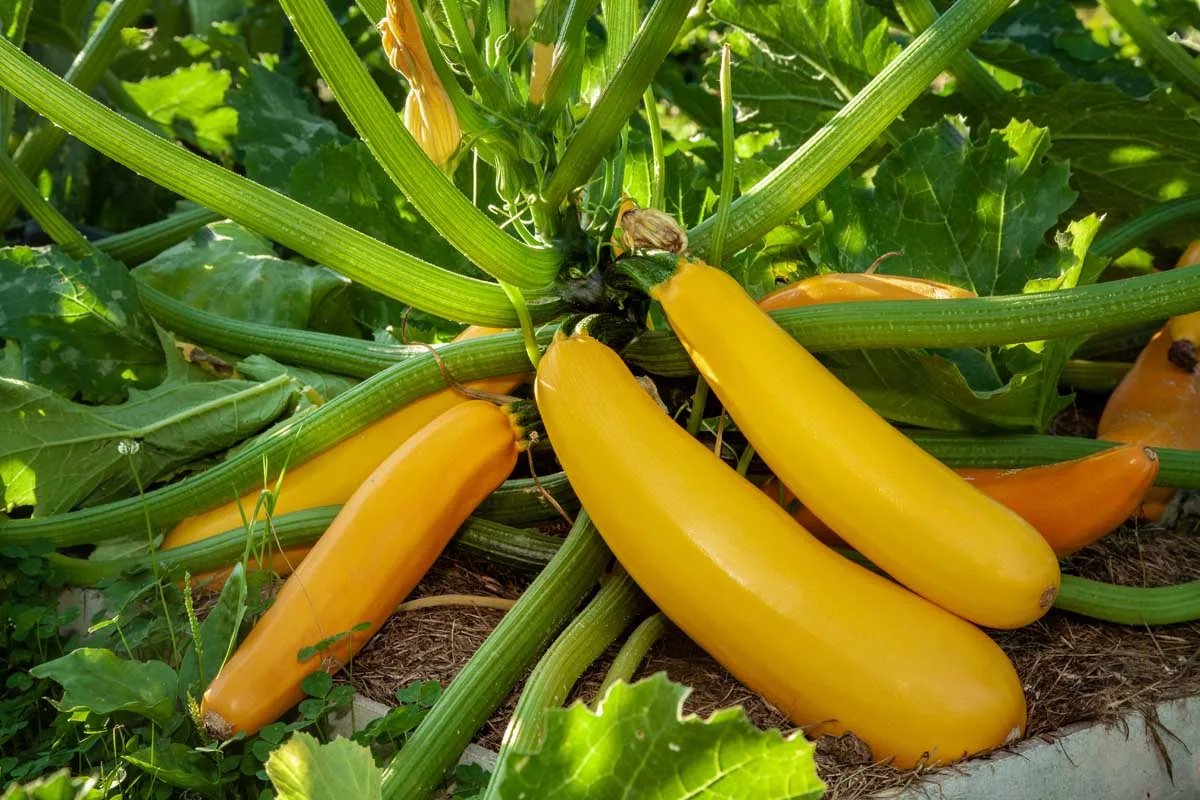
Image source: Bing (Web (fair-use with source credit))
Quick Answer
Plant zucchini after the last frost in full sun and rich, well-draining soil. Choose a bush type for small spaces. Water at the base to avoid mildew.
Harvest fruit at 6 to 8 inches long. Those choices matter more than luck.
The Real Challenge: Making the Right Choices for Your Zucchini Patch
Most zucchini problems trace back to three decisions: where you plant, which variety you pick, and when you start. Each choice has a domino effect. Pick the wrong spot, and you'll fight pests all summer.
Pick the wrong timing, and your seedlings will stall.
That's why one-size-fits-all advice fails. The right path depends on your space, your local climate, and the effort you can invest. Zucchini (Cucurbita pepo) grows in USDA zones 3 through 12, but your microclimate matters just as much.
First, Scope Your Situation
Before anything else, answer three questions:
- How much space do you have? A patio container changes everything. So does a 4×4 raised bed versus a long in-ground row.
- What's your last frost date? Zucchini needs warm soil at 60°F or above.
- How many zucchini do you actually need? Two plants feed a family of four. Five will bury you.
Then, Follow the If-Then Path
Use the rest of this guide like a decision tree. Identify your condition, then choose the branch that fits.
- If you have limited space, choose a bush variety and grow it in a container.
- If you garden in a short season, start seeds indoors under grow lights.
- If squash vine borers are common in your area, use row covers or resistant varieties.
Zucchini doesn't require perfection. It requires matching choices to reality.
Where to Plant: Ground, Raised Bed, or Container?
Location matters more than almost anything else. Zucchini needs six to eight hours of direct sun daily, and it hates wet roots. Those two facts drive every planting decision.
In-Ground Beds
In-ground beds have one big advantage: volume. Roots spread freely, which means bigger plants and larger harvests. They're also the most vulnerable to soil-borne diseases if you've grown squash in that spot before.
To mitigate that, rotate your crops annually and test your soil's drainage before planting.
Raised Beds
Raised beds hit the sweet spot for most gardeners. They warm up faster in spring, drain better than heavy clay, and let you control the soil composition completely. A 4×4 foot raised bed fits two bush-type zucchini plants comfortably.
The one catch? You'll need to water more often during heat waves because raised beds dry out quicker than the ground.
Containers
Container growing works brilliantly, but only with the right variety and pot size. Choose a bush type like 'Black Beauty' or a round variety, and give it a container at least 5 gallons in capacity, ideally larger. A 10-gallon grow bag or sturdy pot works great.
Just remember: containers dry out fast and restrict root growth. Plan to water daily during peak summer, and feed with a balanced fertilizer every two to three weeks.
How to Decide
Here's a quick breakdown:
- In-ground: Best for long growing seasons and gardeners who want minimal watering. Watch soil temperature.
- Raised bed: Best for moderate climates, beginners, and improving poor native soil. Adds soil warmth in spring.
- Container: Best for patios, balconies, and small spaces. Requires the most vigilance with water and nutrients.
If you're unsure, start with one plant in a raised bed. It's the most forgiving setup.
Bush or Vining: Which Zucchini Fits Your Garden?
This is the decision most guides overlook. All zucchini plants fall into two growth habits: bush and vining. The difference changes how much space you need and how you support the plant.
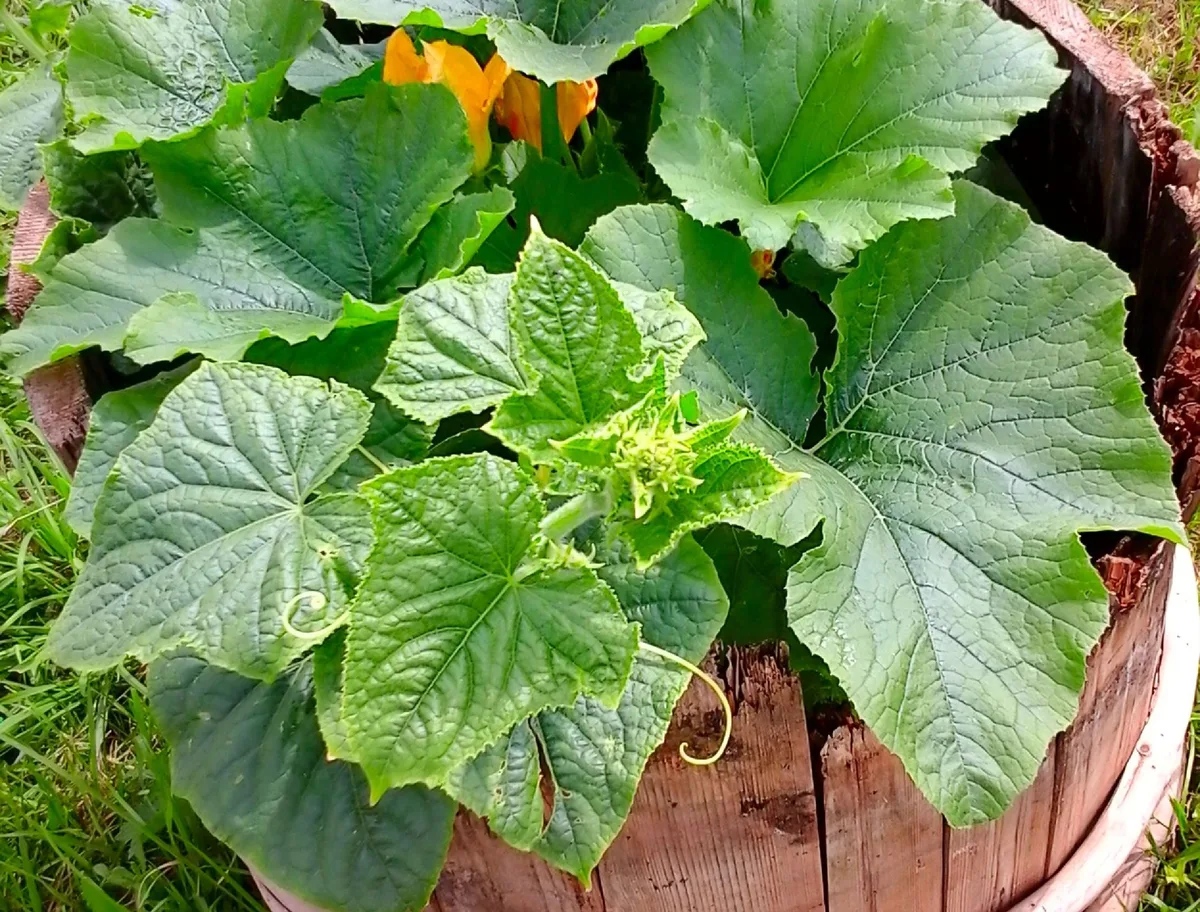
Image source: Web (Bing) / backyardboss.net (Web image (fair-use with source credit))
Bush Varieties
Bush types grow compact, upright, and stay contained. They're the standard for home gardeners because they fit neatly in a 3-foot square and produce heavily for about four to six weeks. Most hybrid zucchini you find at garden centers are bush types.
They're also the best for containers and small raised beds.
Vining Varieties
Vining types sprawl aggressively, sending runners six to eight feet across the garden. They need trellising to stay manageable, but that makes them perfect for vertical growing. If you're short on ground space, train a vining variety up a sturdy trellis or fence.
Vining types often produce for a longer season than bush types, and the fruit hangs off the vine, which makes it easier to spot and harvest.
The Decision
- Choose bush if you want compact growth, quick harvests, and low maintenance. Great for beginners.
- Choose vining if you have vertical space, want a longer harvest window, or need to maximize yield per square foot.
Trellising a vining zucchini also improves air circulation, which cuts down on powdery mildew. That's a major win, especially in humid climates.
Direct Sow or Start Indoors: A Climate-Based Decision
Zucchini has a fragile root system. It hates being disturbed. That's why direct sowing is usually the better move.
But in short-season climates, starting indoors is the only way to get a harvest before frost.
Direct Sowing
Wait until soil temperature reaches at least 60°F, ideally 70°F, before planting seeds. Sow seeds one inch deep, spacing them 24 to 36 inches apart. Drop two or three seeds per hole, then thin to the strongest seedling after they sprout.
Direct-sown zucchini grows sturdier and suffers less transplant shock. This works best in regions with at least 60 frost-free days.
Starting Indoors
If your growing season runs short, start seeds in biodegradable pots three to four weeks before your last frost date. Use a seed-starting mix and keep the soil consistently warm, around 75°F. The key is to disturb the roots as little as possible when transplanting.
Plant the whole pot if it's peat or paper, or gently slide the seedling out without pulling the stem.
Which One Should You Pick?
Here's the simple rule:
- If you have 60+ frost-free days, direct sow.
- If your season is shorter, start indoors.
- If you're container planting, you can do either, but direct sowing into the final container often works best.
Soil temperature is non-negotiable in both paths. Cold, wet soil causes seeds to rot before they sprout. A cheap soil thermometer is worth its weight in gold here.
Squash Vine Borers, Powdery Mildew, and Pollination: Your Action Plan
These three problems cause most zucchini failures. The good news? Each has a clear, actionable fix.
Squash Vine Borers
This moth lays eggs at the base of your plant, and the larvae bore into the stem, cutting off water flow. Your plant wilts suddenly despite good watering. Look for a hole near the base with sawdust-like frass around it.
Act fast: slit the stem lengthwise, remove the larvae, then mound soil over the wound. Prevent borer problems this season by using floating row covers early and choosing resistant varieties.
Powdery Mildew
White powdery spots show up on leaves in late summer. It won't necessarily kill the plant, but it weakens it and reduces harvest. Prevention beats treatment: water at the base, space plants for airflow, and avoid overhead watering.
If mildew appears, remove affected leaves and apply a sulfur-based fungicide. Follow the label carefully.
Poor Pollination
If flowers drop without forming fruit, pollination is the issue. Zucchini produces separate male and female flowers. In cool weather or when bees are scarce, female flowers may not get enough pollen.
Hand pollinate by picking a male flower, removing the petals, and brushing its stamen onto the female flower's center. Do this in the morning while flowers are open.
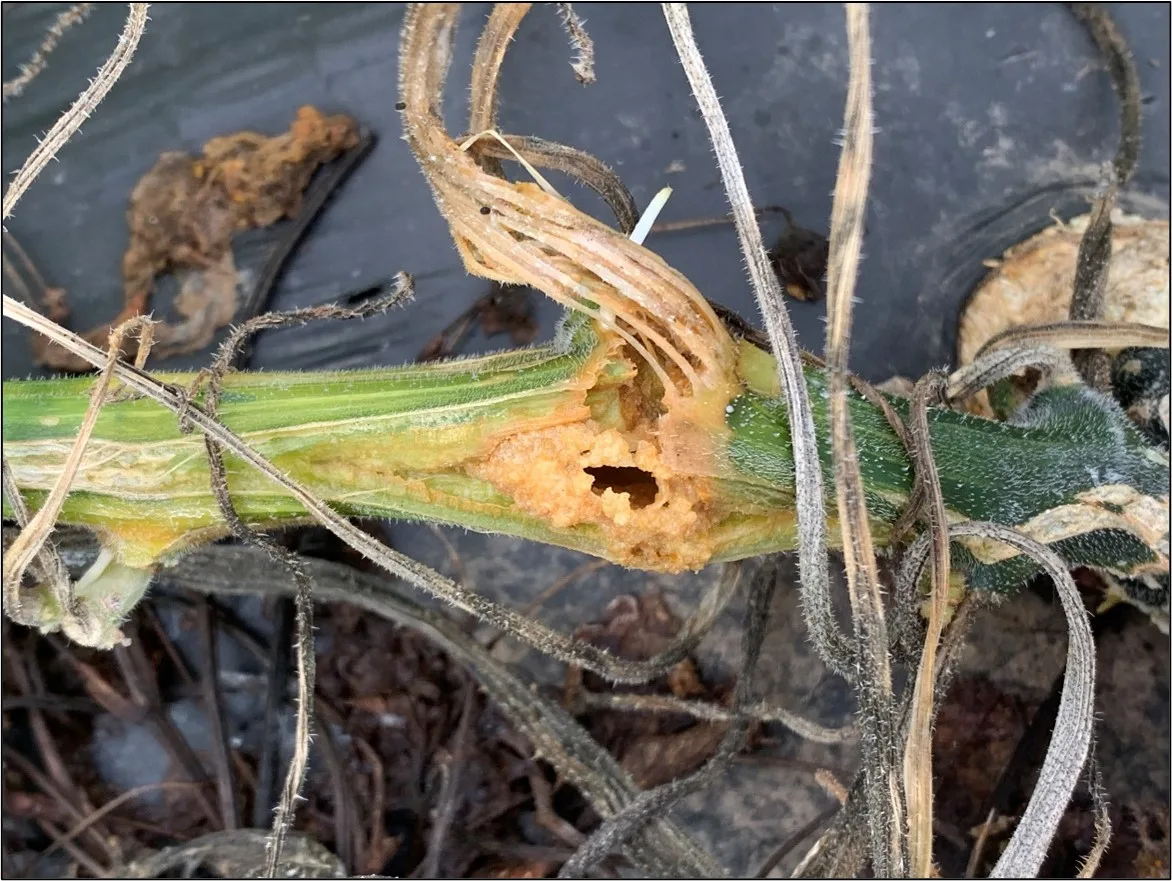
Image source: Bing (Web (fair-use with source credit))
A Quick Troubleshooting Table
| Problem | Symptom | Fix |
|---|---|---|
| Vine borer | Sudden wilt, hole at stem base | Remove larvae, mound soil, use row covers |
| Powdery mildew | White spots on leaves | Improve airflow, remove leaves, apply fungicide |
| Poor pollination | Flowers drop, no fruit | Hand pollinate in the morning |
Address these issues early, and you'll stay ahead of the curve.
Common Mistakes Even Seasoned Gardeners Make
Even experienced growers slip up on the same things year after year. Here are the ones that cause the most trouble.
Planting Too Close Together
Zucchini needs room. Crowded plants compete for light and nutrients. Worse, they trap moisture between leaves, inviting powdery mildew.
Follow the spacing on your seed packet. For bush types, that's at least 24 inches apart. For vining types, give them 36 inches or more.
Overwatering
More plants die from wet feet than from drought. Zucchini likes consistent moisture, not soggy soil. Water deeply once or twice a week, depending on rainfall.
Always water at the base, not overhead. Wet leaves are a fast track to fungal disease.
Ignoring the First Harvest
The first zucchini of the season is often the best. But if you leave it on the vine too long, it turns into a baseball bat. Harvest fruit at 6 to 8 inches long.
Pick every two to three days during peak season. Leaving oversized fruit on the plant signals it to stop producing new ones.
Not Rotating Crops
Planting zucchini in the same spot two years running is a recipe for soil-borne disease buildup. Rotate with unrelated crops like beans, tomatoes, or leafy greens. A three-year rotation cycle is ideal.
It keeps your soil healthy and reduces pest pressure naturally.
Giving Up After the First Wilting
A wilting zucchini isn't automatically dead. Check the stem base for borer damage before pulling the plant. If you catch the problem early, you can often save it.
Slit the stem, remove the larvae, and mound soil over the wound. Many plants recover and keep producing.
FAQ: Your Zucchini Questions, Answered
How much sun does zucchini need?
Zucchini needs full sun, meaning at least six to eight hours of direct light each day. Less sun means fewer flowers and smaller fruit. If you're in a hot climate, some afternoon shade can help prevent heat stress.
How often should I water zucchini plants?
Water about once a week with one to one and a half inches of water. In hot or dry weather, increase to twice a week. The goal is deep, infrequent watering that encourages strong root growth.
Water at soil level to keep leaves dry.
Why are my zucchini flowers falling off without fruit?
That's a sign of poor pollination. Zucchini has separate male and female flowers. If bees are scarce or the weather is cool, the female flowers don't get pollinated.
Hand pollinate by brushing a male flower's stamen onto the female flower's center. Do it in the morning.
When should I harvest zucchini?
Harvest when the fruit is 6 to 8 inches long and the skin is still tender. Check plants every two to three days during peak season. Overgrown zucchini are tough and seedy.
Regular picking encourages the plant to keep producing new fruit.
Can I grow zucchini in a container?
Yes, but choose a bush variety and use a container at least 5 gallons in size. A 10-gallon grow bag or pot is even better. Make sure the container has drainage holes.
Container zucchini needs more frequent watering and feeding than in-ground plants.
What causes bitter-tasting zucchini?
Bitterness comes from cucurbitacin, a compound that increases under stress. Heat, drought, or nutrient imbalance can trigger it. Keep plants consistently watered and mulched.
If one fruit is bitter, the whole plant won't necessarily produce bitter fruit. Pick a different one and try again.



