If you've ever tried to figure out the best way to start growing zinnias, you know the advice can be all over the place. Some people swear by direct sowing. Others insist on indoor starts.
The truth is, the right approach depends on your climate, your space, and what you actually want from those blooms.
Zinnias germinate in 5 to 7 days when the soil stays above 70°F and will flower about 60 to 75 days later. That timeline is your starting point for every decision. Let's break it down into the single question that matters most before you even buy a seed packet.
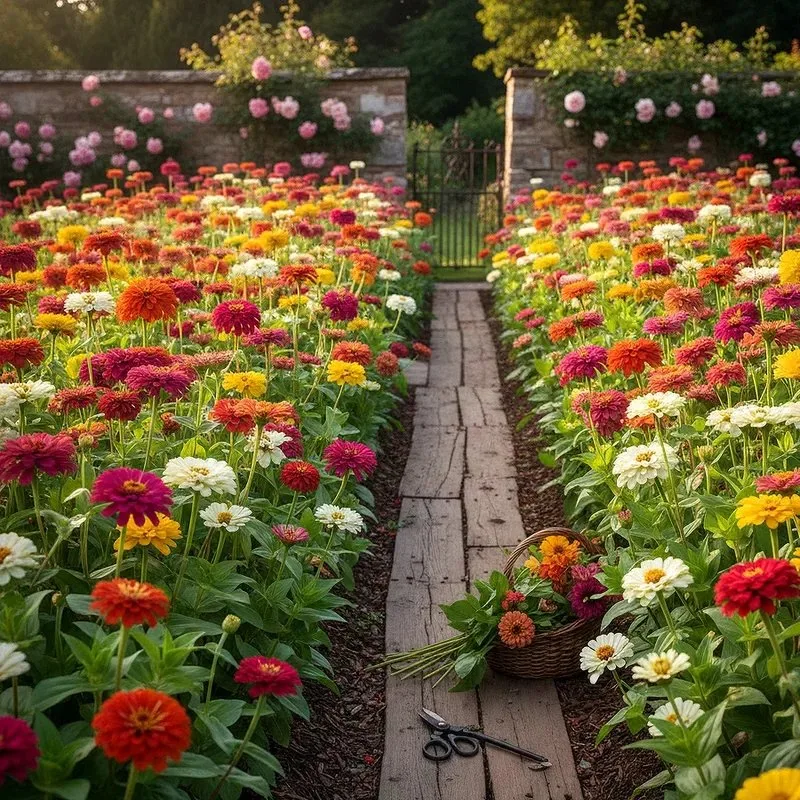
Image source: Web (Bing) / gardeneros.com (Web image (fair-use with source credit))
The Only Decision You Need to Make Before Planting
Most generic guides skip the most important step: figuring out which method fits your situation. Zinnias are forgiving plants, but the way you start them, and where, changes everything that follows. You need to answer four questions first.
- How long is your growing season? Count the days between your average last frost and first frost. If it’s 100 days or more, you have options. If it’s 70 days or less, you need a head start.
- What’s your soil temperature in spring? Zinnia seeds rot in cold, wet soil. If your ground is still below 65°F two weeks after the last frost, direct sowing is risky.
- What do you want from the plants? A single cutting stem? A colorful border? A pollinator patch? The variety you pick depends on the answer.
- How much time can you give them? Starting seeds indoors requires about 4 weeks of daily attention. Direct sowing is set-and-forget. Transplants are somewhere in between.
Make a quick note of your answers. Then move into the first branch.
Starting Point: Seeds in the Ground vs. Seeds Indoors vs. Nursery Transplants
The first fork in the road is how you get the plants into the soil. Each method has a clear “best for” scenario.
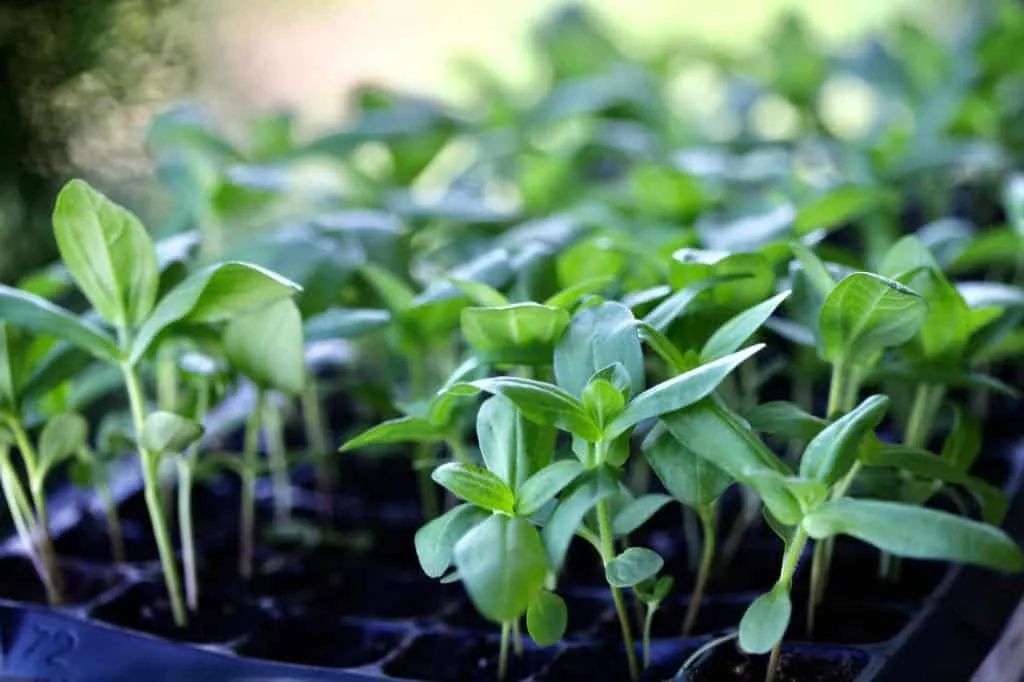
Image source: Web (Bing) / celticrootsfarm.com (Web image (fair-use with source credit))
Direct sowing works best if your soil warms early and you have a long season. Wait until the soil temperature stays above 65°F. Sow seeds ¼ inch deep, thin to the proper spacing later.
No hardening off, no transplant shock. But you risk losing seeds to cold snaps or heavy rain.
Starting indoors is your move if you have a short season (less than 100 frost-free days) or want earlier blooms. Use a seed-starting mix, a heat mat, and grow lights. Start 4 to 5 weeks before your last frost.
Harden off the seedlings over a week before planting out. The payoff: you get flowers 2 to 3 weeks earlier than direct-sown plants.
Nursery transplants are the quickest path. Best for anyone planting just a few containers or who missed the seed-starting window. The trade-off is variety, most nurseries carry only popular hybrids like ‘Profusion’ or ‘Zahara’.
You won’t find the tall cutting varieties often. Buy transplants that are stocky and green, not leggy or root-bound.
Quick decision:
- Long season + warm soil → direct sow
- Short season or want early flowers → start indoors
- Small number of plants or late start → nursery transplants
Choosing Your Zinnia Type for What You Actually Want
Once you decide how to start, pick the right variety. Zinnias come in three broad categories based on plant height, and each serves a different purpose.
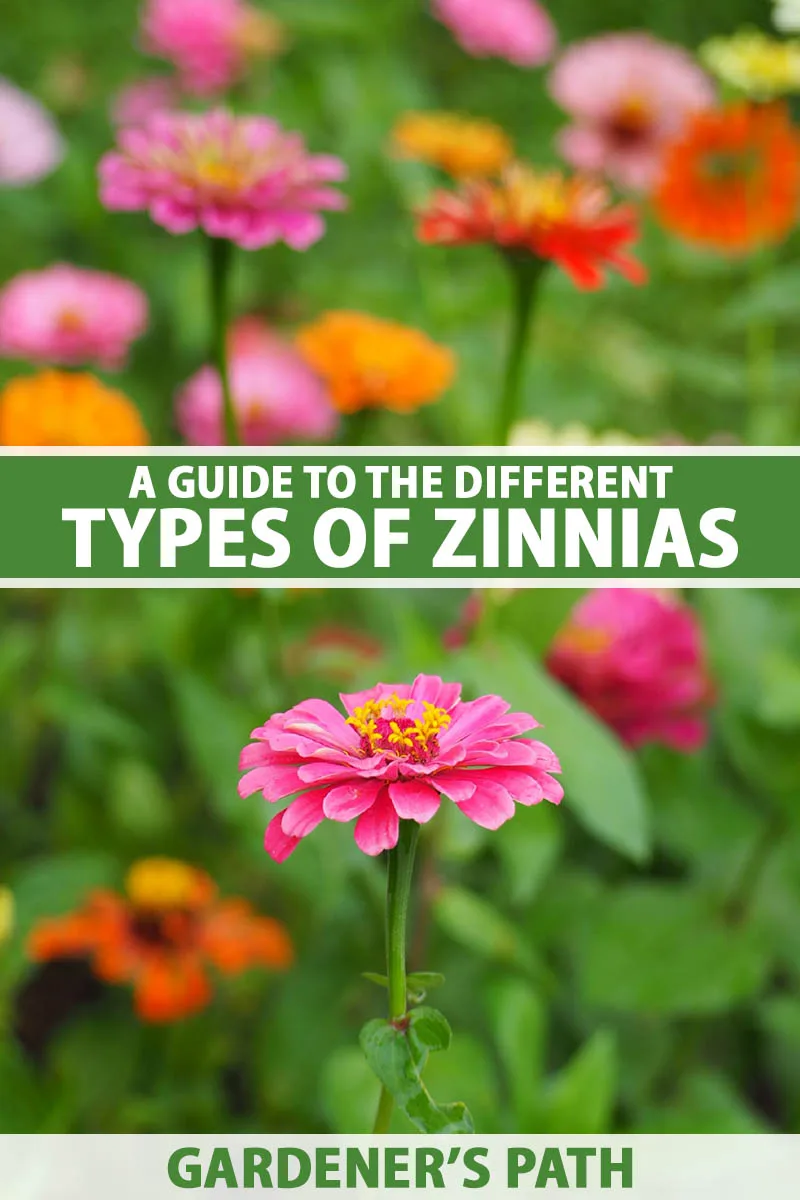
Image source: Web (Bing) / storage.googleapis.com (Web image (fair-use with source credit))
Tall varieties (24, 40 inches), like ‘Benary’s Giant’, ‘State Fair’, and ‘Cut and Come Again’, produce long, strong stems perfect for bouquets. They need staking or thick planting for support. Space them 12 to 18 inches apart.
Best for cutting gardens and back-of-border spots.
Medium varieties (12, 24 inches), such as ‘Zahara’, ‘Profusion’, and ‘Oklahoma’, are more compact and self-branching. They don’t need pinching. Many are bred for powdery mildew resistance.
Great for mid-border, large containers, and pollinator patches.
Dwarf varieties (6, 12 inches), like ‘Thumbelina’ and ‘Magellan’, form tidy mounds. They bloom fast and don’t need deadheading to keep flowering. Perfect for front edges, window boxes, and small pots.
Use-case cheat sheet:
| If you want… | Choose… | Notes |
|---|---|---|
| Cut flowers for vases | Tall, single-stem types (Benary’s Giant) | Pinch for branching or grow single-stem for thick stems |
| Low-maintenance garden | Profusion or Zahara | Mildew resistant, self-cleaning |
| Container color | Dwarf types (Thumbelina) | Small root system, no staking |
| Pollinator-friendly | Single-flowered types (single-petal zinnias) | Easier access to nectar; avoid double blooms |
If you live in a humid area (Southeast, Gulf states), prioritize mildew-resistant series like ‘Zahara’ or ‘Profusion’. In dry climates, most varieties do fine with regular watering.
When to Plant and How to Space Based on Your Climate
Timing is everything with zinnias. They are warm‑weather annuals that can’t handle frost, or even prolonged cold soil. The safe window opens after your last spring frost, but soil temperature is the real trigger.
Check your soil temperature. Use a simple soil thermometer. When the soil at planting depth hits 65°F (preferably 70°F), you’re safe. You can look up your average last frost date on the USDA Plant Hardiness Zone Map and add about a week for soil to warm up.
Spacing by variety height. Overcrowding is the number one cause of powdery mildew. Use these guidelines:
| Variety height | Spacing between plants | Spacing between rows (if applicable) |
|---|---|---|
| Dwarf (under 12″) | 6–8 inches | Not needed for borders |
| Medium (12–24″) | 10–12 inches | 12–18 inches |
| Tall (24–40″) | 12–18 inches | 18–24 inches |
| In containers (any) | 2 dwarf or 1 medium per 8″ pot | — |
For containers: use at least a 10-inch diameter pot for a single tall plant, or a 12-inch pot for three dwarf plants. Ensure drainage holes.
If you’re direct sowing, plant two or three seeds per spot and thin to the strongest seedling later. If starting indoors, transplant at the same spacing.
The Care Decisions That Keep Zinnias Blooming From July to Frost
Zinnias are low‑maintenance once they’re established, but a few key habits separate a nice patch from a spectacular one. Here’s what matters most:
Water at the base, not overhead. Wet leaves invite powdery mildew. Use a soaker hose, drip irrigation, or a watering wand that targets the soil. Water deeply (about 1 inch per week) and let the top inch of soil dry between waterings.
In containers, you may need to water daily in hot weather.
Deadhead or cut for bouquets. Zinnias bloom continuously if you remove spent flowers before they form seed heads. Snip the stem just above the first set of leaves or a side bud. If you’re growing for cutting, harvest when the petals are fully open but the center is still tight, that gives you a full week in a vase.
Pinching (optional). For tall cutting varieties, pinch the top 2 to 3 inches when the plant is 6 to 8 inches tall. This forces branching and yields more stems, though each stem is slightly shorter. If you want the longest stems possible (for straight-line arrangements), skip the pinch and grow single‑stem.
Fertilize sparingly. Zinnias are not heavy feeders. In average garden soil, a single application of balanced fertilizer (5-10-5 or similar) at planting time is enough. Over‑fertilizing with nitrogen produces huge leaves and few flowers.
In containers, use a diluted liquid fertilizer every 3 to 4 weeks.
Mulch to keep roots cool. A 2-inch layer of organic mulch (shredded leaves, straw, or bark) around the base helps retain moisture, suppress weeds, and reduce soil splashing that spreads fungal spores.
Five Common Mistakes That Steal Your Blooms
Even experienced gardeners make these errors. The good news is they're all easy to fix once you know what to watch for.
Planting too early in cold soil. This is the most frequent mistake. Zinnia seeds need warmth to germinate. If the soil is below 65°F, they will rot before they sprout.
Wait until the ground warms up, even if it means planting a week later than your neighbors.
Overcrowding. It's tempting to pack plants close together for a full look. But tight spacing traps moisture and blocks airflow. That creates the perfect environment for powdery mildew.
Stick to the spacing guidelines by variety height. Thin seedlings ruthlessly if you direct sowed.
Watering from above. Overhead watering splashes soil onto the leaves and keeps the foliage wet overnight. That triggers fungal diseases. Use a soaker hose or water at the base directly.
If you must use a sprinkler, do it early in the morning so leaves dry by midday.
Not deadheading. Zinnias are programmed to flower, set seed, and die. If you leave spent blooms on the plant, it shifts into seed production mode and stops producing new buds. Snip off faded flowers regularly.
You will get weeks more bloom time.
Choosing the wrong variety. A tall cutting variety crammed into a small container will flop and disappoint. A dwarf type planted in the back of a border will disappear. Match the plant height to the location.
Read the seed packet or tag for mature size.
Frequently Asked Questions
Can I grow zinnias in pots and containers?
Yes, absolutely. Choose dwarf or medium varieties for containers. Use a pot at least 10 inches wide with drainage holes.
Water more frequently since container soil dries faster. Apply a dilute liquid fertilizer every 3 to 4 weeks for continuous blooms.
How do I treat powdery mildew on my zinnias?
Powdery mildew shows as white powder on leaves. Improve air circulation by thinning plants. Water at soil level, not overhead.
For active infections, try a homemade spray of 1 teaspoon baking soda mixed with 1 quart water and a drop of dish soap. Remove badly infected leaves.
Should I save seeds from my zinnias?
Yes, but only from open-pollinated varieties, not F1 hybrids. Let the flower heads dry completely on the plant. Harvest the dried petals and separate the sharp, arrow-shaped seeds.
Store them in a paper envelope in a cool, dark place. They remain viable for 3 to 5 years.
How long do zinnias bloom for?
Zinnias bloom continuously from midsummer until the first hard frost. The key is regular deadheading or cutting flowers. Each individual flower lasts about a week on the plant and up to 10 days in a vase.
A well-cared-for patch gives you 8 to 12 weeks of color.
Do zinnias need full sun?
Yes. They require at least 6 hours of direct sun daily for best flowering. Less sun leads to leggy growth and fewer blooms.
In hot climates, some afternoon shade is acceptable but morning sun is essential.
Why are my zinnia flowers small or deformed?
Small or deformed flowers often signal aster yellows, a phytoplasma disease spread by leafhoppers. Affected plants produce green, stunted blooms and won't recover. Remove and discard infected plants immediately.
Don't compost them. Prevent by controlling leafhoppers and removing nearby weeds.