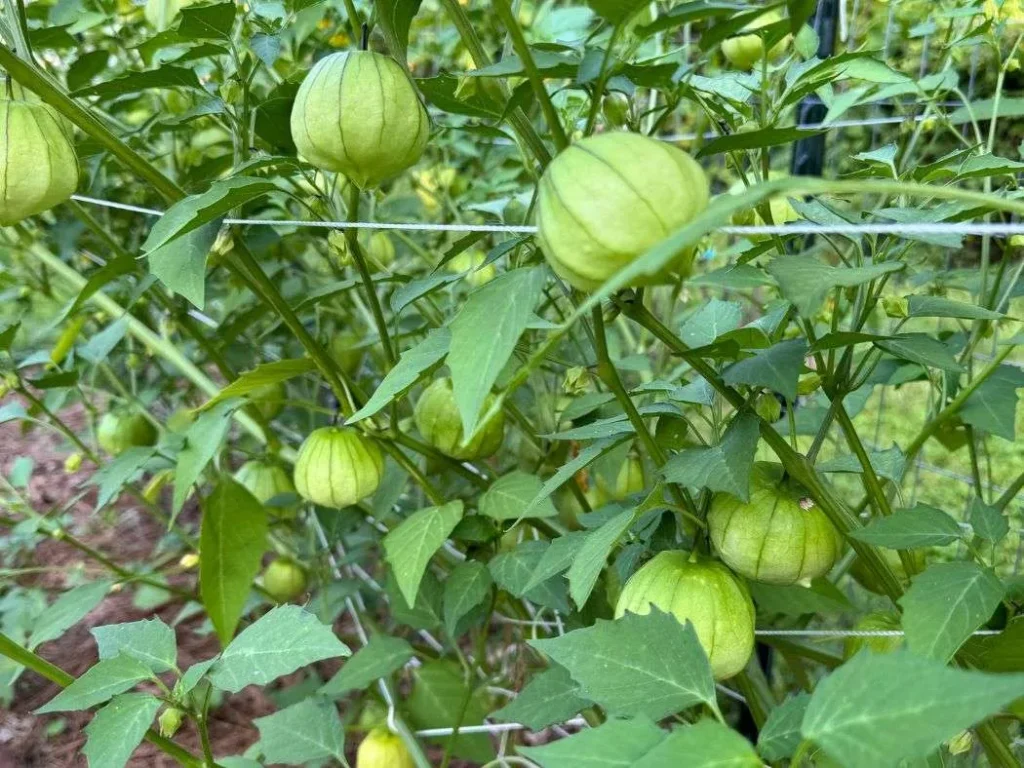
So you want to grow tomatillos from seed. That makes sense if you've ever tasted a fresh salsa verde made with fruit straight from the garden. But there's one thing about growing tomatillos from seed that trips up almost everyone: they are not like tomatoes.
Tomatillos are self-incompatible. That's a fancy way of saying they cannot pollinate themselves. A single plant will produce a ton of flowers and almost zero fruit.
Manufacturer specifications and university extension research confirm that you need at least two plants for a harvest, ideally three or more. That one fact changes how you plan your entire seed-starting timeline, your container choices, and your garden layout.
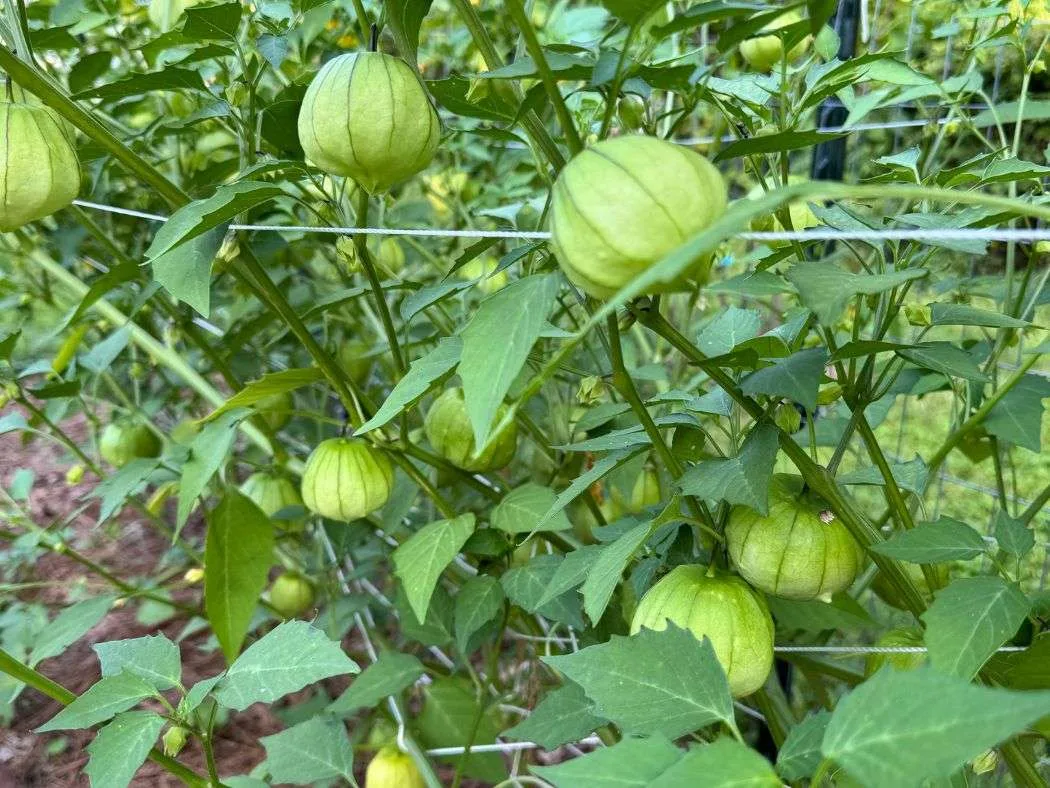
Image source: Bing (Web (fair-use with source credit))
Quick Answer
Sow tomatillo seeds indoors 6 to 8 weeks before your last frost. Plant two or more seedlings outdoors after all frost danger passes. Space them 24 to 36 inches apart.
Harvest when the husk splits or turns papery brown. Never grow just one plant.
The First Big Decision: Indoor Start vs. Direct Sow
This is the fork in the road. Your local climate decides which path you take.
Indoor start is the right choice if your growing season is shorter than 120 frost-free days. That covers most gardeners in USDA zones 6 and cooler. It also works well if you want earlier fruit and more control over germination conditions.
You'll need a heat mat, a seed-starting mix, and a reliable light source.
Direct sowing makes sense if you live in a long-season climate. Think zones 8 and warmer, or anywhere the soil stays above 60°F by early April. You skip the indoor setup entirely.
You also skip the hardening-off hassle. The trade-off is a later harvest and more weed competition during the seedling stage.
Here is how to decide. Check your last frost date using the USDA Plant Hardiness Zone map. Count backward 6 to 8 weeks.
If that date falls before February or March, you can direct sow. If it falls in April or later, start indoors.
Bottom line for both paths: soil temperature matters more than air temperature. Tomatillo seeds germinate fastest when the soil sits between 70°F and 80°F. At 60°F, germination slows way down.
At 50°F, the seeds rot.
The Non-Negotiable Rule You Can't Skip (Two Plants)
Let's be clear about why this rule exists. Tomatillo flowers are shaped so that pollen from the same flower cannot fertilize it. The same goes for pollen from the same plant.
You need pollen from a genetically different tomatillo plant to get fruit set.
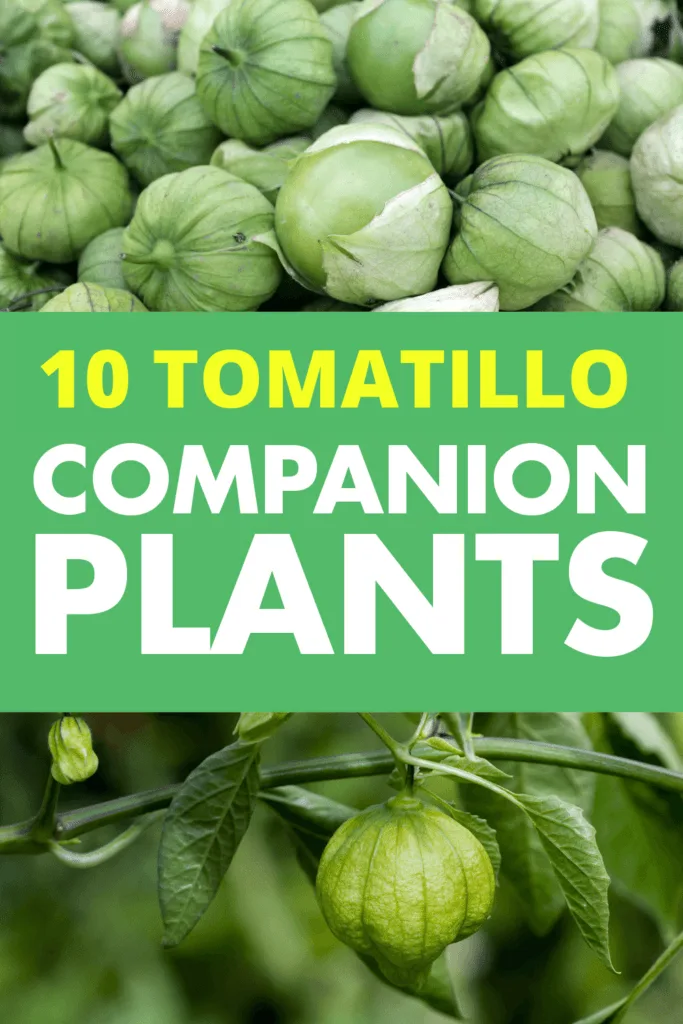
Image source: Web (Bing) / luv2garden.com (Web image (fair-use with source credit))
This is not a "grow two and you'll get more" suggestion. It is a "grow one and you'll get nothing" rule. Aggregate reviews from home gardeners on extension forums confirm this pattern repeatedly.
What if you only have room for one container? You have two options. Option one: grow two tomatillo plants in the same large pot. A 10-gallon container holds two plants comfortably.
Option two: find a neighbor or friend who is also growing tomatillos. As long as the plants are within about 50 feet of each other, insects will handle the cross-pollination.
What about self-pollinating varieties? As of 2026, there are no commercial tomatillo varieties that are truly self-fertile. Some hybrids claim better fruit set under isolation, but the data from university trials remains inconclusive. Always plant at least two to be safe.
Your Step-by-Step Guide for Either Path
You have two possible workflows here. Pick the one that matches your climate and setup.
If You're Starting Indoors
Timing. Sow seeds 6 to 8 weeks before your last frost date. Mark the date on your calendar.
Setup. Fill a seed tray with a sterile seed-starting mix. Do not use garden soil. It holds too much moisture and often carries damping-off fungi.
Sowing depth. Plant seeds 1/4 inch deep. Cover lightly with the mix. Press down gently so the seeds make good contact.
Temperature. Place the tray on a heat mat set to 70°F to 80°F. Cover with a humidity dome or plastic wrap to keep moisture in.
Light. The moment seedlings emerge, move the tray under grow lights. Keep the lights 2 to 3 inches above the leaves. Adjust the height as the plants grow.
Watering. Water from the bottom whenever the surface starts to dry. Overhead watering can knock over tiny seedlings and promote disease.
Potting up. When seedlings have two sets of true leaves, move each one into a 3-inch or 4-inch pot. This gives the roots room to develop before transplant.
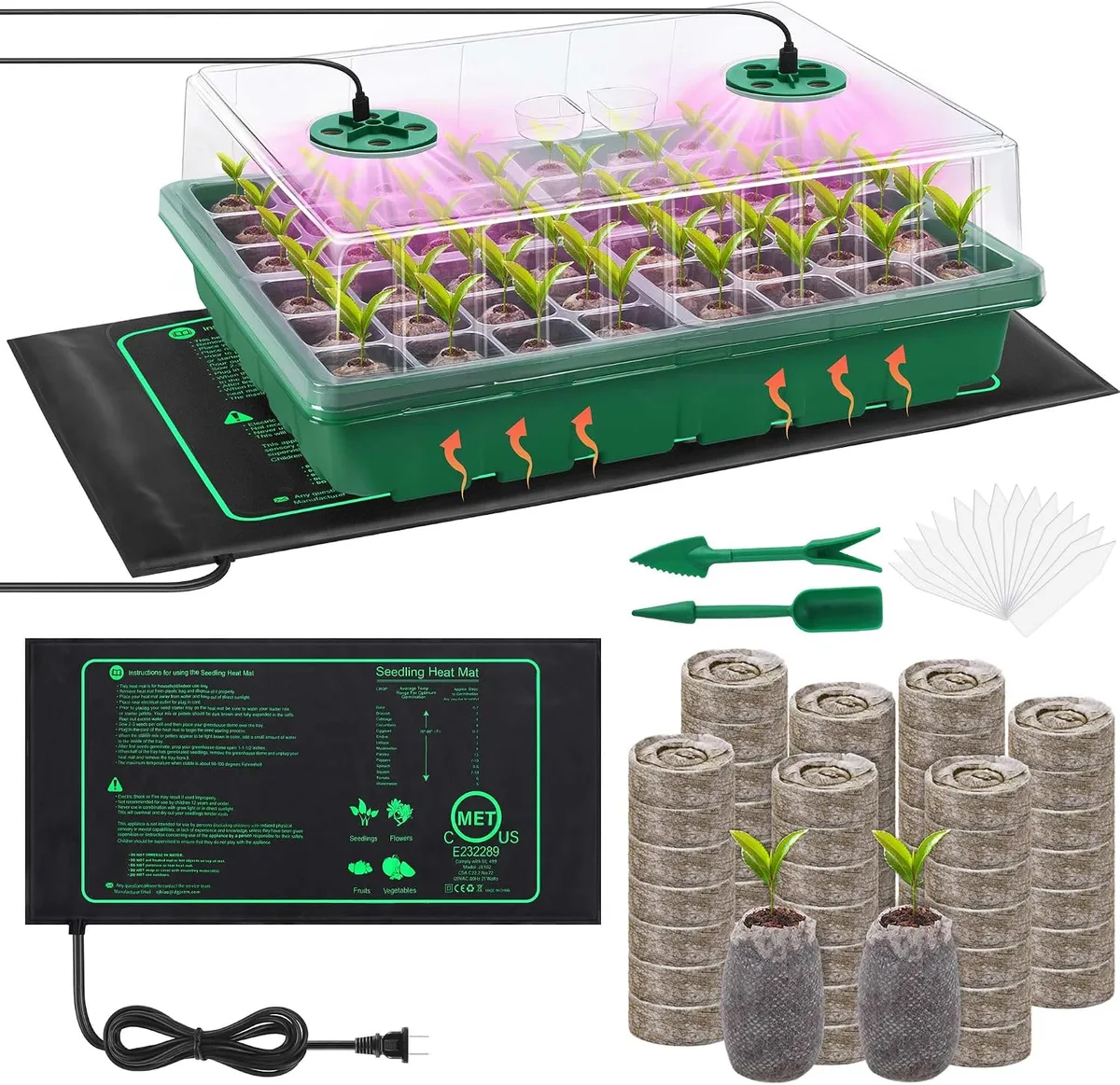
Image source: Web (Bing) / amazon.com (Web image (fair-use with source credit))
Hardening off. About 10 days before transplant, start taking the pots outside. Place them in a shaded, protected spot for a few hours each day. Gradually increase the sun exposure and time over that week and a half.
If You're Direct Sowing
Timing. Wait until the soil temperature hits 60°F consistently. A cheap soil thermometer takes the guesswork out of this step.
Soil prep. Loosen the soil to about 8 inches deep. Mix in an inch of compost. Rake the surface smooth.
Spacing. Sow seeds 1/4 inch deep. Space them about 18 inches apart in rows that are 3 feet apart. After they germinate, thin the seedlings to 24 to 36 inches apart.
Watering. Keep the soil evenly moist until germination. That usually takes 10 to 14 days in warm soil. In cooler soil, expect up to 3 weeks.
Weed control. Direct-sown tomatillos start slow. Weeds can easily outgrow them. Hand-pull or lightly hoe between rows.
Do not disturb the shallow seedling roots.
Common Mistakes That Trip People Up
Starting too early. Seeds sown more than 8 weeks before the last frost produce leggy, stressed seedlings. Those weak plants often fail after transplant. Stick to the 6 to 8 week window.
Starting too late. If you direct sow in June in a short-season zone, the plants might not have time to flower and fruit before the first fall frost. Tomatillos need about 90 to 110 days from seed to harvest.
Overwatering seeds. Damping-off disease kills more indoor seedlings than anything else. The fix is simple: sterile seed-starting mix, bottom watering, and good air circulation.
Harvesting too soon. A tomatillo is not ready when the fruit fills the husk. Wait until the husk splits open or turns papery and brown. The fruit inside should be firm but yield slightly to pressure.
Green is fine. Purple varieties will turn their color when ripe.
Ignoring volunteer plants. Tomatillos self-seed aggressively. If you leave fallen fruit on the ground, expect dozens of volunteers next spring. That can be a bonus if you want free plants.
It becomes a weed problem if you don't stay on top of it.
Pro-Level Tips for a Heavier Harvest
Soil fertility. Tomatillos are lighter feeders than tomatoes. Too much nitrogen produces big leafy plants with few flowers. A balanced 5-5-5 fertilizer applied once at planting time is enough.
Side-dress with compost mid-season if the leaves look pale.
Support options. Staking works well for upright varieties. Caging works for sprawling types. Letting them run on the ground also works, but you will lose some fruit to rot in wet weather.
Install the support at transplant time to avoid disturbing roots later.
Hand pollination. If you grow exactly two plants and want to maximize fruit set, give them a gentle shake every few days when they are flowering. This mimics the vibration of wind or bees. Do it in the morning when the flowers are fully open.
Seed saving. Tomatillo seeds are easy to save. Choose a fully ripe fruit. Squeeze the pulp and seeds into a jar.
Add water and let it ferment for 2 to 3 days. Rinse the seeds in a fine mesh strainer and spread them on a coffee filter to dry. Store in a paper envelope in a cool, dark place.
Seeds stay viable for 4 to 5 years.
The Oregon State University Extension has a helpful guide covering variety selection and soil requirements for home gardeners in the Pacific Northwest. That resource is a reliable starting point if you want to dig deeper into regional considerations.
Your Decision Guide at a Glance
Sometimes you just need a fast answer without re-reading everything. This table maps your specific situation to the best path forward.
| Your Situation | Best Path | Why |
|---|---|---|
| Last frost after April 1, short summer (Zone 6 or cooler) | Indoor start | You need the 6 to 8 week head start to get fruit before fall frost |
| Last frost before March 15, long hot summer (Zone 8 or warmer) | Direct sow | Soil warms early enough; you skip indoor setup entirely |
| You have a heated greenhouse or sunny south window | Either path | Indoor start gives earlier harvest; direct sow is less work |
| You only have one large container on a balcony | Indoor start with two plants per pot | You need two plants and confined roots benefit from a head start |
| You forgot to start seeds and it is already May | Buy transplants | You missed the indoor window; transplants give you a shorter countdown to harvest |
Short-season checklist. If you are starting indoors in a cold climate, confirm these three things before you sow. First, your heat mat reaches 70°F to 80°F. Second, your grow lights are adjustable and can sit 2 inches above the seedlings.
Third, you have at least two seed varieties or two plants from the same seed packet.
Long-season checklist. If you are direct sowing in a warm climate, confirm these three things. First, your soil temperature is at least 60°F at a 2 inch depth. Second, your seedbed is weed-free for the first 3 weeks.
Third, you have a backup plan for unexpected late cold snaps like a floating row cover.
When to buy transplants instead. If your last frost date has already passed and you have not started seeds, skip the seed packet. Buy transplants from a local nursery. Look for stocky plants with dark green leaves.
Avoid anything that looks leggy, yellow, or rootbound. Transplant them the same day you bring them home.
Frequently Asked Questions
Can I grow tomatillos in a pot?
Yes. Use a container that holds at least 5 gallons of soil. A 10 gallon pot is better if you want two plants in one container.
Make sure the pot has drainage holes. Use a high quality potting mix, not garden soil. Water daily once the plant is full size and the weather is hot.
Do I need to prune tomatillo plants?
No. Tomatillos do not need pruning or sucker removal. They are semi-determinate and produce fruit on both main stems and side branches.
Pruning reduces your total yield. The only exception is cutting away diseased or broken branches to improve airflow.
How do I know when tomatillos are ripe?
The husk is your best indicator. When it splits open or turns from green to papery tan or brown, the fruit is ready. The fruit inside should be firm with a slight give.
Green is the normal ripe color for most varieties. Purple types will develop their full color when ripe.
Can I save seeds from grocery store tomatillos?
It depends. Many grocery store tomatillos are hybrids, and hybrid seeds do not grow true to the parent. The fruit quality and plant size can vary wildly.
Stick to seeds from a reputable seed company or a known seed swap. That way you know exactly what you are growing.
How many tomatillo plants do I need for a family?
Three to four plants produce enough for regular salsa making and some freezing. Six plants provide a surplus for canning and sharing. Remember that every plant needs a pollination partner, so always grow at least two no matter how small your space is.
Why are my tomatillo flowers falling off without fruit?
That is usually a pollination problem. Either you have only one plant, or pollinators are not reaching your garden. Hand pollinate by gently shaking the plants in the morning.
If that does not work, add a second plant within 50 feet next season. Extreme heat above 90°F can also cause blossom drop.