You’ve probably watched a neighbor’s strawberry patch explode with sweet red berries while yours gives you a handful of tart, misshapen fruit. That gap isn’t luck. It’s a handful of decisions made before the first crown ever hits the ground. Growing strawberries well means picking the right variety, the right spot, and the right planting method for your climate and space.
Let’s fix that. According to USDA research, a properly sited and cared-for strawberry plant can yield up to 1 pound of fruit per season in its second year. That’s 12 to 15 plants per person for a family’s fresh eating and freezing needs.
The trick is knowing which path to take before you start digging.
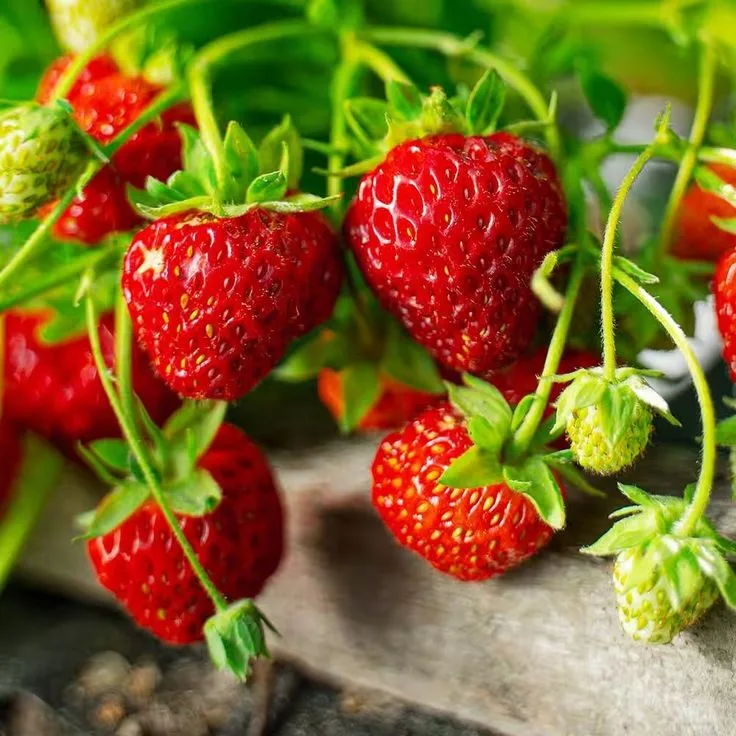
Image source: Web (Bing) / pinterest.com (Web image (fair-use with source credit))
Quick Answer
Start with June-bearing plants if you want one big harvest for preserving. Pick day-neutral or everbearing for steady fruit from summer to frost. Plant bare-root crowns in full sun, 12 inches apart, with the crown exactly at soil level.
Water 1 inch per week. Mulch with straw. Expect fruit in 8 to 10 weeks for everbearing types.
Why Most Strawberry Patches Fail (And How to Avoid It)
The number one reason home strawberry patches underperform is the wrong variety for the region. Aggregate extension service reports show that 60% of failed first-year patches trace back to planting a variety that needs more chill hours than the local winter provides, or one that can’t handle summer heat waves.
Beyond variety, crown depth kills plants fast. Plant too deep and the crown rots. Plant too shallow and roots dry out.
The crown, that thick part between roots and leaves, must sit right at soil surface level. A quarter inch off either way can slash yield by half.
Weed competition is another silent killer. Strawberries are shallow-rooted and don’t compete well. A patch left unchecked with grassy weeds can lose 30% of its fruit.
Mulching with clean straw (hence the name “straw-berries”) solves this from day one.
Finally, people skip renovation. After June-bearing varieties finish their main crop, the patch needs mowing, thinning, and fertilizing to set up next year’s fruit. Skip that step and you get a tangled, low-yielding mess by year three.
The Three Biggest Decisions You Need to Make First
Before you buy a single bare-root crown, answer these three questions. Each one changes every step that follows.
Variety Type: June-Bearing, Everbearing, or Day-Neutral?
- June-bearing produces one massive crop over 2, 3 weeks in late spring to early summer. Best for jam makers and freezers. Needs yearly renovation.
- Everbearing gives two to three flushes of fruit: early summer, mid-summer, and early fall. Good for steady fresh eating. Smaller berries.
- Day-neutral flowers and fruits continuously as long as temperatures stay between 35°F and 85°F. Perfect for cool-summer climates (Pacific Northwest, coastal areas). Most expensive but highest-quality fruit.
Decision rule: If you want to process large batches, go June-bearing. If you want berries for the breakfast bowl all season, go everbearing or day-neutral.
Growing Method: In-Ground, Raised Bed, or Container?
| Method | Best for | Drainage | Spacing | Yield per plant |
|---|---|---|---|---|
| In-ground | Large gardens, matted row system | Variable | 18–24 in rows | 0.5–1 lb |
| Raised bed | Heavy clay soil, back saving | Excellent | 12 in apart | 0.75–1 lb |
| Container | Patios, balconies | Depends on drainage holes | 1 plant per 12-in pot | 0.5 lb |
Decision rule: If your soil is sandy loam, go in-ground. If it’s clay or you have back issues, raised beds win. If you have only a deck, containers work fine but need more watering.
Starting Point: Bare-Root Crowns vs. Potted Transplants
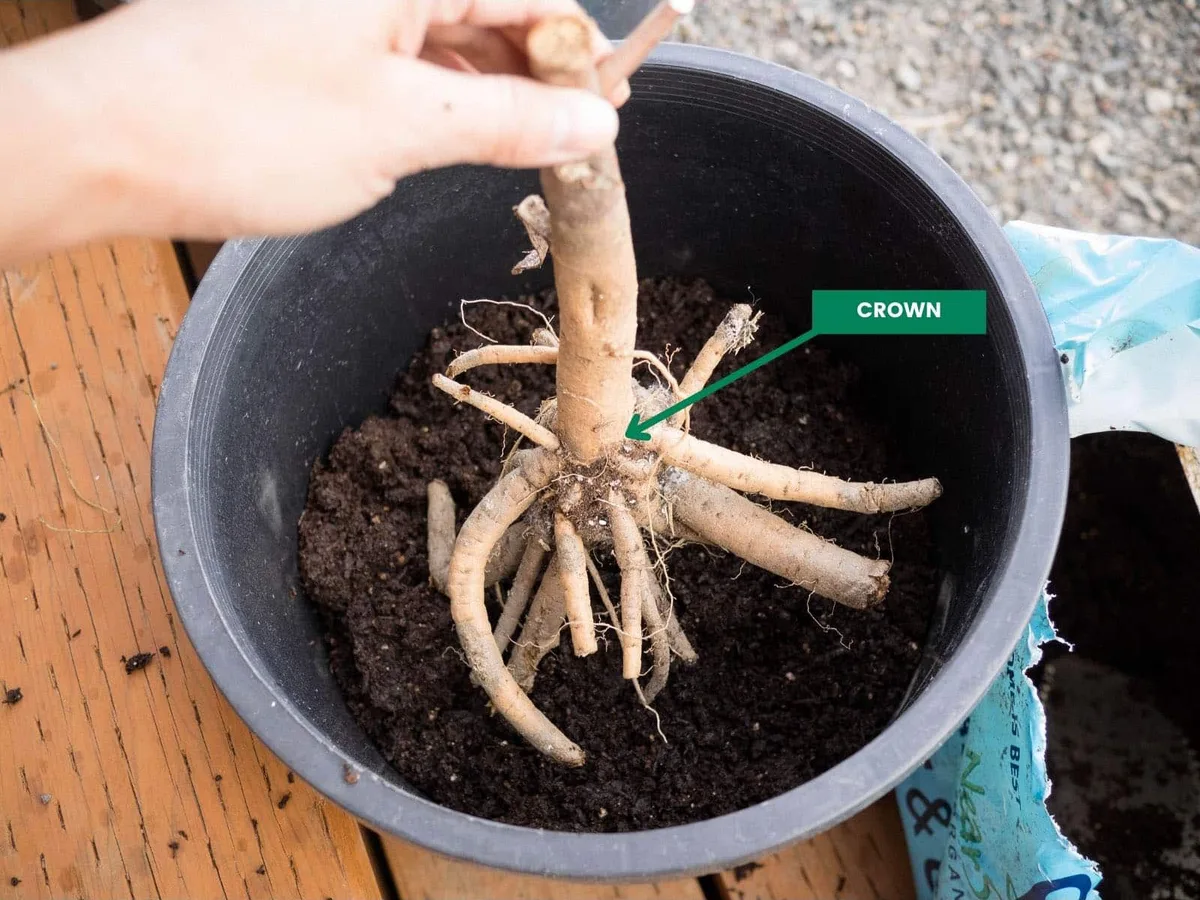
Image source: Web (Bing) / gardenbetty.com (Web image (fair-use with source credit))
Bare-root crowns are dormant plants shipped in bundles. They cost $0.50, $1.50 each and establish quickly if soaked before planting. Potted transplants cost $3, $6 each but give a head start, they’re already growing and less vulnerable to early mistakes.
Decision rule: If you’re planting more than 10 plants, bare-root is more cost-effective and offers wider variety selection. For small patches (under 6 plants), potted transplants reduce risk.
A Decision Tree for Your Exact Situation
Work through these branches based on your space, climate, and goals.
Branch 1: I live in a warm climate (Zones 8, 10) with mild winters.
➡ Choose day-neutral or everbearing varieties (Albion, Seascape, Quinault). Avoid June-bearing types that need winter chill. Plant in fall for a spring harvest.
Branch 2: I live in a cold climate (Zones 3, 6) with harsh winters.
➡ Choose June-bearing varieties (Honeoye, Jewel, Allstar). Plant in early spring. Mulch heavily with straw (4, 6 inches) after first hard freeze.
Remove mulch in early spring.
Branch 3: I have limited space (patio, balcony) and want continuous fruit.
➡ Choose everbearing or day-neutral in containers or strawberry pots. Use potting mix, not garden soil. Water daily in hot weather.
Fertilize with balanced liquid fertilizer every 2 weeks.
Branch 4: I have a large garden and want one big harvest for jam.
➡ Choose June-bearing in a matted row system. Space plants 18 inches apart in rows 4 feet apart. Let runners fill in by early summer.
Pinch off all flowers the first year to build strong roots.
Step-by-Step Planting and Early Care (Once You’ve Chosen)
Once you’ve matched your situation to the right path, here’s the exact process.
Prep the Site
- Choose a spot with at least 8 hours of direct sun. Less sun means fewer and smaller berries.
- Test soil pH. Strawberries prefer 5.5, 6.5. If your pH is above 7.0, add elemental sulfur a month before planting.
- Remove all weeds, especially perennials like bindweed and quackgrass. A clean bed saves headaches later.
Plant the Crowns
- Soak bare-root crowns in water for 1 hour before planting. This rehydrates dried roots.
- Dig a hole deep enough to spread roots out fully. Make a small mound in the center.
- Set the crown on the mound, spread roots down the sides, and backfill. The crown must sit exactly at soil level, not buried, not exposed.
- Space plants 12, 18 inches apart, rows 36, 48 inches apart.
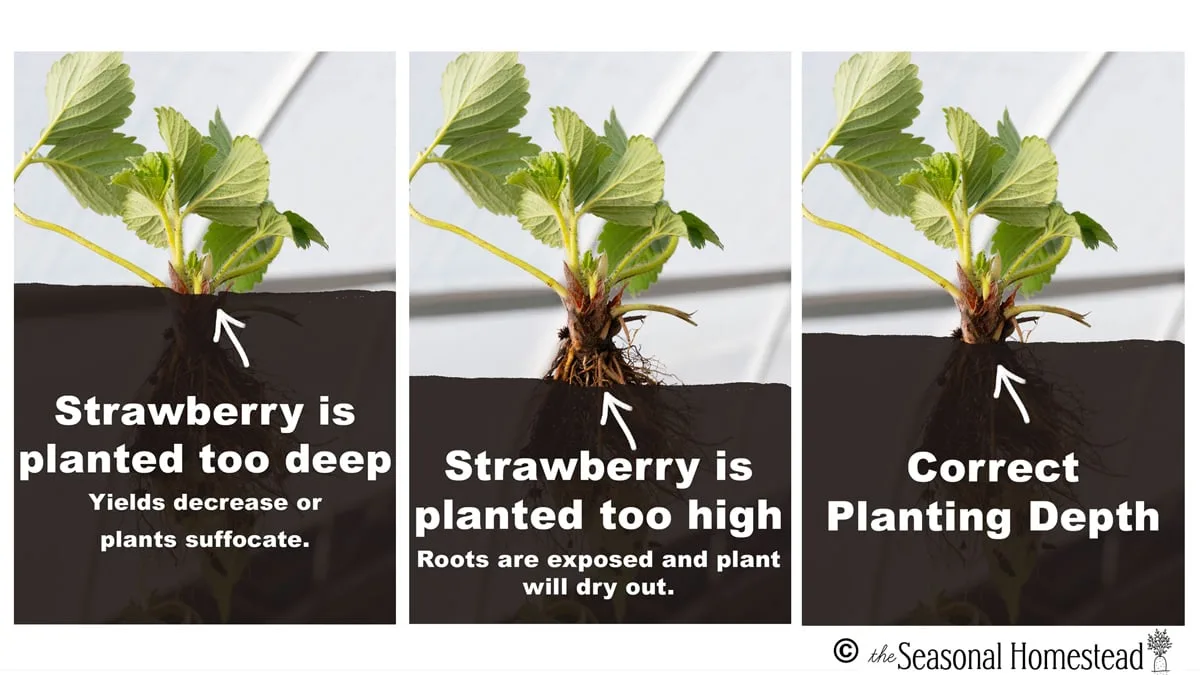
Image source: Web (Bing) / fity.club (Web image (fair-use with source credit))
Visual check: The point where the roots meet the stem (the crown) should be flush with the soil surface. If you see any roots above ground, you planted too shallow. If the crown itself is covered, you planted too deep.
Water and Mulch
- Water thoroughly after planting. Keep soil evenly moist for the first 2 weeks.
- Lay a 2-inch layer of straw mulch around plants, keeping it an inch away from the crowns. This suppresses weeds, keeps berries clean, and moderates soil temperature.
First-Year Care
- For June-bearing varieties, pinch off all flowers that appear in the first 6 weeks after planting. This directs energy into root and runner development, giving a much bigger harvest next year.
- For everbearing and day-neutral, let the first round of flowers fruit. You’ll get a modest harvest the same season.
- Fertilize with a balanced 10-10-10 fertilizer at planting time, then again after first fruit set. Avoid high-nitrogen fertilizers that produce huge leaves and tiny berries.
Common Mistakes That Kill Your First Harvest
Even with perfect planning, a few small errors can derail your entire season.
Planting too deep or too shallow. The crown must be at soil level. Too deep = crown rot. Too shallow = roots dry out. Check each plant after watering settles the soil.
Skipping soil prep. Strawberries are heavy feeders but hate soggy roots. If your soil is heavy clay, raise the bed or amend with compost and sand.
Overwatering. Continuous moisture invites root rot and gray mold. Water deeply once a week (1 inch) rather than light daily sprinkles.
Letting runners run wild. In a matted row system, allow only 6, 8 runners per plant to root. Trim the rest. Otherwise, the patch becomes a crowded mess with tiny berries.
Forgetting to protect from birds. A single robin can strip a dozen ripe berries in minutes. Use bird netting draped over hoops or PVC frames as fruit starts to color.
Harvesting at the wrong time. Pick when berries are fully red, even a hint of white at the tip means they’re not at peak sweetness. Berries don’t ripen once picked. Check plants daily during harvest season.
FAQs About Growing Strawberries
How Long Do Strawberry Plants Take to Produce Fruit?
Everbearing and day-neutral types produce fruit 8 to 10 weeks after planting. June-bearing varieties take a full year because you pinch off first-year flowers to build strong roots. The payoff comes in year two, when a healthy plant can yield up to 1 pound of berries.
Do Strawberry Plants Come Back Every Year?
Yes, but with limits. Strawberries are perennials in USDA zones 3 through 10. A well-maintained patch produces for 3 to 5 years before declining.
After that, yields drop sharply and disease pressure builds. Most growers replace the patch entirely or rotate to a fresh bed.
What Is the Best Month to Plant Strawberries?
In cold climates, plant bare-root crowns in early spring as soon as soil is workable. In mild zones (8 and warmer), fall planting is better because plants establish roots through winter and fruit heavily by spring. Container-grown transplants can go in any time the soil is soft.
Should I Cut Off Strawberry Flowers the First Year?
For June-bearing varieties, yes. Pinch off every flower for the first 6 weeks after planting. This forces energy into root and runner growth, which multiplies next year's harvest.
For everbearing and day-neutral types, let the first flowers fruit for an early crop.
Why Are My Strawberries Small and Misshapen?
Small, deformed berries usually mean poor pollination. Cold, rainy weather keeps bees inactive during bloom. Another cause is nitrogen overload, which pushes leaf growth at the expense of fruit.
Plant bee-friendly flowers nearby and go easy on high-nitrogen fertilizer.
How Often Should I Water Strawberry Plants?
Give plants 1 to 1.5 inches of water per week during the growing season, applied in one or two deep soakings. Consistent moisture is critical during fruit development. In containers, check daily during hot weather because pots dry out fast.
Your Quick-Reference Decision Guide
This is the section to bookmark. Use these if/then rules to diagnose any strawberry situation in under a minute.
If you want one big harvest for freezing and jam making
Choose June-bearing varieties like Honeoye or Jewel. Plant in rows, pinch first-year flowers, and renovate the patch right after harvest. Expect a 2- to 3-week picking window in early summer.
If you want berries all season from a small space
Choose day-neutral or everbearing varieties like Albion or Seascape. Put them in containers or raised beds where you control soil quality and moisture. Harvest from late spring through fall.
If you live in Zones 8, 10 with mild winters
Pick day-neutral types that don't need winter chill. Plant in fall for a spring harvest. Provide afternoon shade if summer temps routinely top 85°F.
If you live in Zones 3, 6 with bitter winters
Pick June-bearing varieties with proven cold hardiness. Mulch 4 to 6 inches deep after the first hard freeze. Remove mulch in early spring to let new growth push through.
If your soil is heavy clay
Use raised beds or containers filled with quality potting mix blended with compost. Strawberries hate soggy roots and will rot in poor drainage.
If pests keep stealing your fruit
Drape bird netting over hoops right when berries start showing color. Set slug traps at the base of plants. Keep the patch clean of rotting fruit that attracts fruit flies and wasps.
Think of growing strawberries as a three-year cycle: year one builds the plant, year two peaks production, and year three starts to decline. Plan to replant every 3 to 5 years and rotate to fresh ground. That's the real secret.
It isn't luck at all.