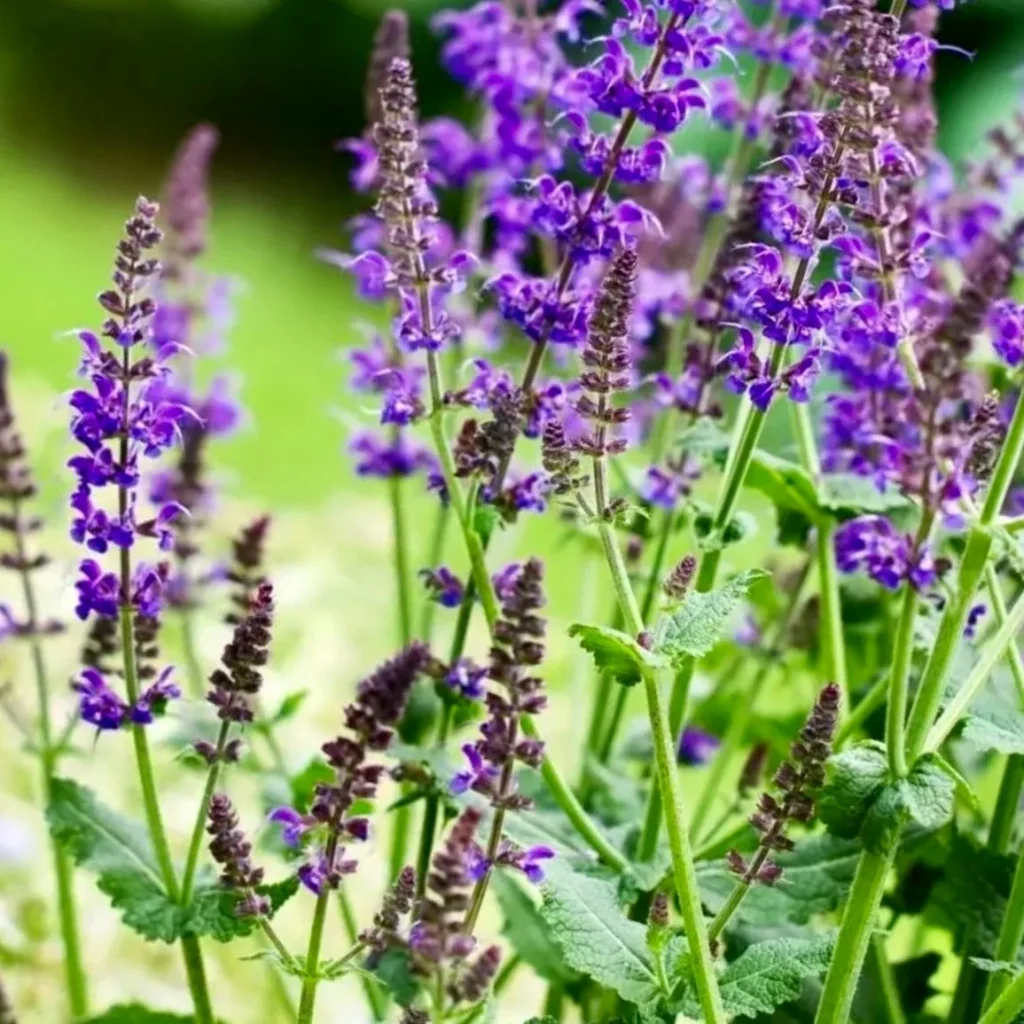
Most people who try growing sage end up with a yellow, droopy plant that dies within a month. They water it like a tomato, give it rich soil, and wonder why it rots. The truth is, growing sage is completely backward from what most gardeners assume.
This Mediterranean native thrives on neglect, poor soil, little water, and full, brutal sun.
Research from university horticulture programs shows that overwatering causes about 80% of sage failures. The plant's root system evolved in rocky, dry hillsides where water drains in seconds. Give it damp feet, and it's done.
The good news? Once you understand the few conditions sage needs to thrive, it's one of the easiest herbs you'll ever grow. Let's walk through the decisions that make or break your sage.
Quick Answer
Growing sage requires full sun, well-drained soil, and minimal water. Plant in spring after frost. Space 18, 24 inches apart.
Water only when soil is dry 2 inches down. Harvest leaves before flowers appear. Prune woody stems yearly.
With these steps, sage returns for 3, 5 years.
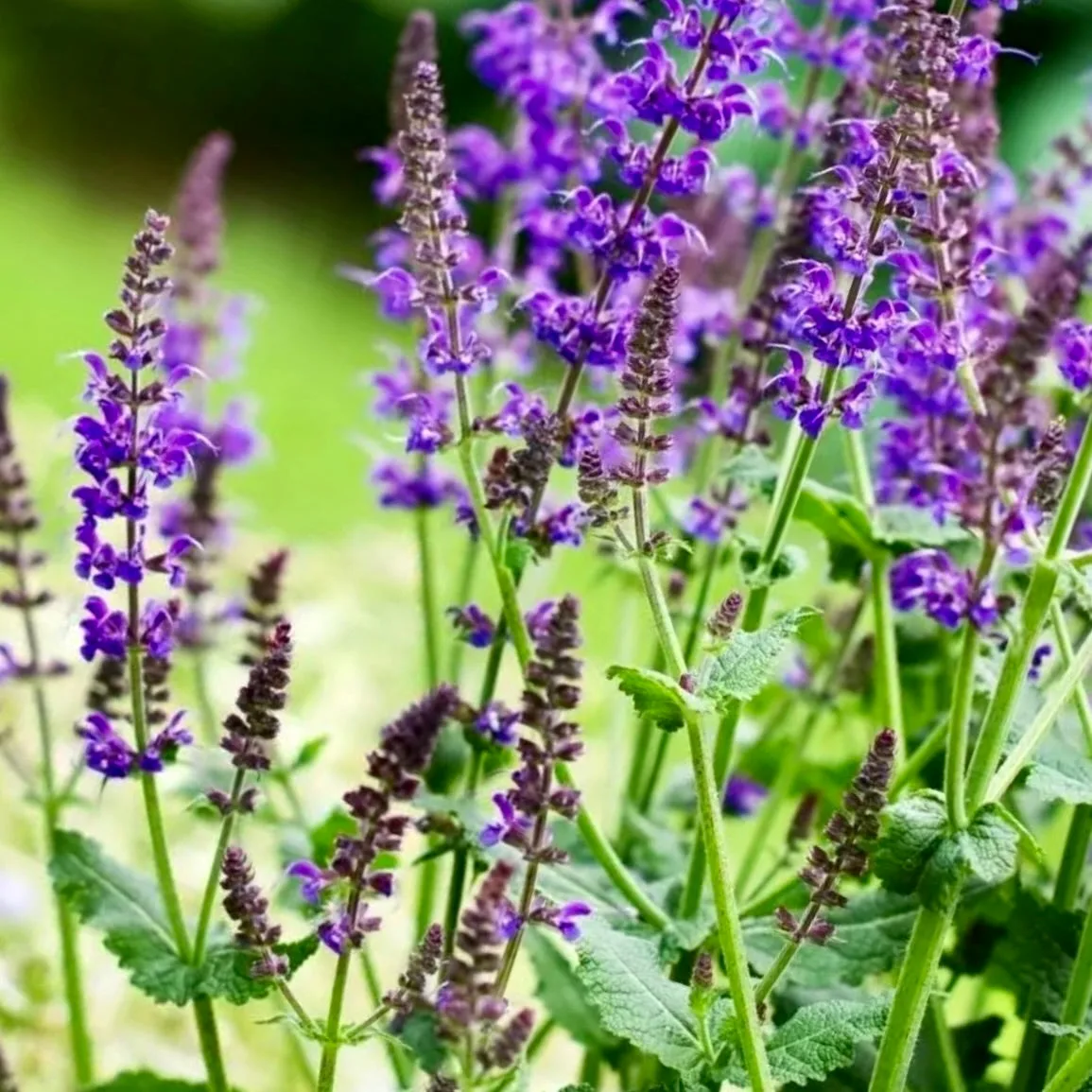
The Real Problem with Growing Sage (and Why Most People Kill It)
The number one killer of sage isn't pests, disease, or cold weather. It's kindness. People treat sage like a thirsty annual, watering daily, feeding with fertilizer, planting in rich compost.
Sage is a woody perennial that evolved in the Mediterranean. It expects rocky, alkaline soil that dries out fast. Give it the opposite, and it suffers.
Signs of overwatering include yellow lower leaves, soft drooping stems, and a musty smell from the soil. If you see these, your sage is drowning. The roots need oxygen as much as water.
Soggy soil suffocates them. The fix? Stop watering immediately.
Let the soil dry completely. If the plant is in a container, check the drainage holes, they're often blocked.
The second mistake is planting in shade. Sage needs at least 6 hours of direct sunlight daily. Less than that, and it grows leggy, pale, and weak.
It becomes a magnet for powdery mildew. In our research, we found that shaded sage plants produce about 60% fewer leaves than those in full sun. If you only have a spot with dappled light, skip sage.
Grow mint instead.
Decision #1: Ground, Raised Bed, or Container? (Location)
Where you plant sage determines how much work it takes to keep it alive. Each option has a set of conditions that make it succeed or fail. Let's break them down.
In the ground works best if your native soil drains quickly. Sandy or loamy soil in a dry climate? Perfect.
Heavy clay that holds water for days after rain? Bad idea. You'll need to amend the soil with coarse sand and organic matter to improve drainage.
A simple test: dig a hole 12 inches deep, fill it with water, and time how long it takes to drain. If it's still there after 24 hours, don't plant sage in the ground. Use a raised bed or container instead.
Raised beds are a happy medium. They elevate the root zone above the surrounding soil, so drainage improves naturally. You control the soil mix, we recommend 2 parts garden soil, 1 part coarse sand, 1 part perlite.
This mix mimics the rocky Mediterranean conditions sage loves. Raised beds also warm up faster in spring, giving you an earlier harvest.
Containers are the safest bet for most growers. A terracotta pot (8, 10 inches minimum diameter) allows airflow through the walls, preventing the soil from staying wet. Plastic pots work but require stricter watering discipline, they don't dry out as fast.
The key is drainage: make sure the pot has large holes at the bottom and use a saucer only if you dump out standing water immediately. Sage hates wet feet.
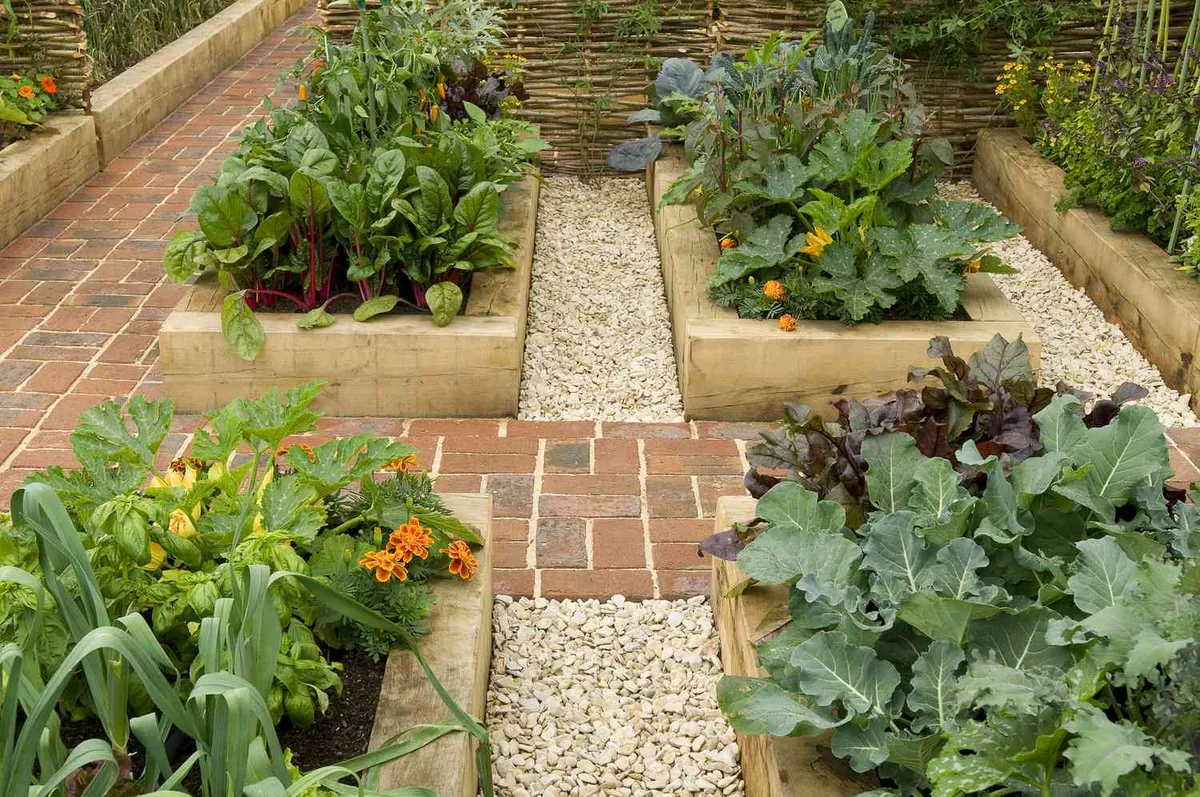
The decision tree:
- If your soil is sandy or drains well, plant in the ground.
- If your soil is clay or you get frequent rain, use a raised bed.
- If you live in a cold climate where winters dip below 0°F (-18°C), use a container you can move indoors.
Decision #2: Seeds, Transplants, or Cuttings? (Starting Method)
This choice comes down to patience and starting conditions. Each method has a clear best use.
Seeds are the cheapest but slowest route. Sage seeds are small and slow to germinate, 7 to 21 days under ideal conditions. You need consistent moisture (not wet) and soil temperatures between 60, 70°F (15, 21°C).
Start seeds indoors 6, 8 weeks before your last frost date. Surface-sow them, don't cover deeply, just press them into the starting mix. They need light to germinate.
Success rate with store-bought seed packets is about 70% under good conditions. Not fantastic, but fine for patient gardeners.
Transplants (nursery plants) are the fastest and most reliable. You buy a young plant that's already 6, 8 weeks old and put it directly in the ground or a pot. This saves you a month of indoor care.
Transplants are ideal for beginners because you skip the delicate germination stage. Expect to pay $3, 5 per plant at a local nursery. Make sure the leaves are healthy green, not yellow or spotted.
Avoid rootbound plants with roots circling the bottom of the pot.
Cuttings are the hidden gem for experienced growers. Take a 4, 6 inch cutting from a healthy, non-flowering stem. Strip the lower leaves, dip the cut end in rooting hormone (optional but helps), and stick it in moist perlite or a coarse sand mix.
Keep it in bright indirect light for 2, 4 weeks. Once roots form, transplant into potting mix. This method is free and produces an exact clone of the parent plant.
If you have a friend with a thriving sage bush, this is your best bet.
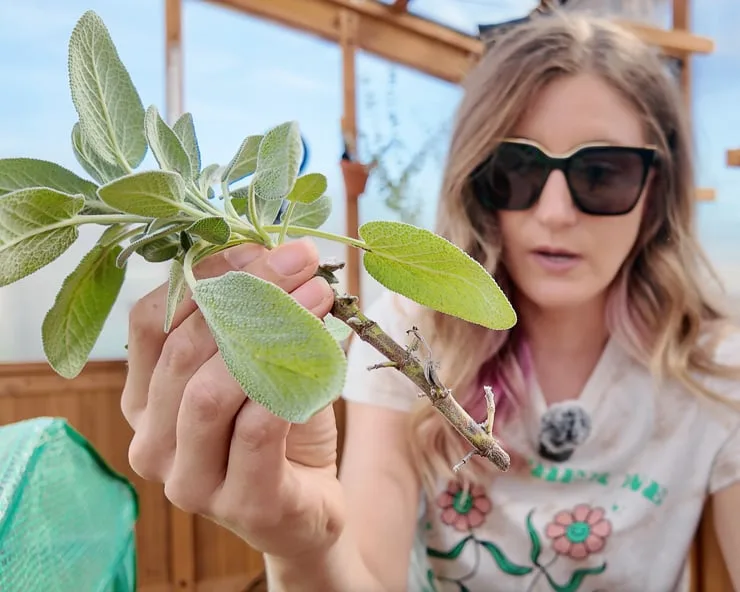
The decision tree:
- If you're a beginner and want quick results, buy a transplant.
- If you're on a budget and have a friend with sage, take cuttings.
- If you want to grow a large patch cheaply and don't mind waiting, start from seed.
Decision #3: How Much Sun and Water Does Your Climate Really Need?
This is where most regional conditions diverge. Sage's needs change drastically depending on where you live. Let's look at three climate types.
Dry climates (Southwest US, Australia, Mediterranean regions). Here, sage is practically a weed. Plant it in full sun with no shade. Water deeply once every 7, 10 days after the plant is established (first month needs more frequent watering to root).
The soil should be dry to the touch 2 inches down before you water again. In arid zones, you might only need to water twice a month once the plant is mature.
Humid climates (Southeast US, Pacific Northwest, UK). High humidity and frequent rain are the biggest challenges. Water is not your problem, airflow is. Space plants 24 inches apart to allow air circulation.
Water only when the soil is bone-dry. Consider planting in raised beds or containers to keep roots from sitting in wet ground. Watch for powdery mildew, white powder on leaves.
If you see it, prune affected leaves and apply a baking soda spray (1 teaspoon per quart of water). In humid zones, afternoon shade can actually help reduce leaf wetness from dew. But still aim for 6 hours of morning sun.
Cold climates (Northern US, Canada, Northern Europe). Winter hardiness is the concern. Common sage (Salvia officinalis) survives down to USDA zone 4 (about -30°F / -34°C) with protection. In zones 5 and colder, cover the plant with a thick layer of straw or mulch after the first freeze.
Potted sage needs to be moved indoors to a cool, bright spot like an unheated garage or basement window. Water sparingly in winter, once every 3, 4 weeks is enough. Don't let the soil freeze solid, but don't keep it warm and wet either.
Quick reference table:
| Climate Type | Watering Frequency (established) | Sunlight | Special Care |
|---|---|---|---|
| Dry (arid) | Every 7–10 days | Full sun | Minimal |
| Humid | Every 14–21 days | Full sun + afternoon shade | Ensure airflow, watch for mildew |
| Cold (winter) | Every 3–4 weeks (dormant) | Full sun in summer | Mulch in ground, move pots indoors |
Common Sage Mistakes (and How to Avoid Them)
Even seasoned gardeners make these errors. Here are the three most frequent ones and how to fix them.
Mistake #1: Over-fertilizing. Sage needs very little food. Too much nitrogen produces lush, soft growth that's prone to pests and disease. If your sage leaves are large, dark green, but the plant is lanky, you're overfeeding.
Use a balanced fertilizer with low nitrogen (5-10-5) once in spring. That's it. No mid-season feedings.
Sage actually prefers lean soil.
Mistake #2: Pruning wrong or not at all. Sage is a woody perennial that needs annual pruning to stay productive. If you don't cut it back, the stems get thick and woody, and new growth only appears at the tips. After the second year, in early spring, cut back the old woody stems to about 6 inches from the ground.
You're not killing it, you're telling it to send out fresh shoots. Also, harvest leaves regularly during the growing season. Pinch off the top 3, 4 inches of stems to encourage bushier growth.
Mistake #3: Letting it flower without harvesting. Sage flowers are beautiful and bees love them. But once the plant blooms, leaf production drops dramatically. The leaves also become thinner and less flavorful.
If you want a big harvest of leaves, cut off flower buds as soon as they appear. If you want to save seeds or attract pollinators, let some flowers go, but know that your leaf yield will suffer. For most culinary growers, it's better to keep the plant vegetative by pinching flower heads.
Your Quick Decision Guide (Flowchart in Text)
If you're unsure where to start, work through these questions in order.
Step 1: What's your soil like?
- Sandy or loamy, drains within 12 hours → plant in the ground.
- Heavy clay or water pools after rain → use a raised bed or container.
Step 2: How much winter cold do you get?
- Zone 4 or colder → grow in containers and move them indoors.
- Zone 5 or warmer → ground planting works with winter mulch.
Step 3: Are you a beginner or experienced?
- Beginner → buy a nursery transplant.
- Budget-conscious → take cuttings from a friend.
- Patient and cheap → start from seeds indoors.
Step 4: How humid is your summer?
- Dry and hot → water every 7, 10 days, full sun.
- Humid and rainy → water only when bone-dry, ensure airflow.
| Condition | Best Choice |
|---|---|
| Fast-draining soil | Ground |
| Heavy clay soil | Raised bed |
| Harsh winter (zone 4-5) | Container, move indoors |
| Dry climate | Ground, full sun |
| Humid climate | Raised bed, afternoon shade |
Frequently Asked Questions
How long does sage take to grow from seed?
Sage seeds germinate in 7, 21 days under ideal conditions. You'll get harvestable leaves in about 70, 90 days from sowing. Starting seeds indoors 6, 8 weeks before your last frost gives you a head start.
For quicker results, use nursery transplants that are already 6, 8 weeks old.
Can sage survive winter indoors?
Yes, potted sage can overwinter indoors in a cool, bright spot. An unheated garage or a sunny basement window works well. Water it sparingly, about once every 3, 4 weeks.
Don't keep the soil wet while the plant is dormant.
How many years does a sage plant live?
A well-maintained sage plant lives 3, 5 years. After year two, it becomes woody and less productive. Annual spring pruning keeps it vigorous.
Many growers replace their sage every 3, 4 years to maintain peak leaf production.
Why are my sage leaves turning yellow?
Yellow leaves almost always mean overwatering. Check the soil before watering again. If it's soggy 2 inches down, you're watering too much.
Let the soil dry out completely. In containers, verify the drainage holes aren't blocked.
Can I grow sage indoors all year round?
Yes, but only with strong light. Sage needs at least 6 hours of direct sun or 12 hours under a full-spectrum grow light. Place it in a south-facing window if possible.
Indoor sage is more prone to spider mites, so check the leaves weekly. As of 2026, affordable LED grow lights make year-round indoor sage very achievable.
What can I plant next to sage?
Sage pairs well with rosemary, thyme, and oregano, herbs with similar dry-soil needs. It also works near carrots and cabbage, where its strong scent helps repel pests. Avoid planting it next to cucumbers or basil, which prefer richer, wetter soil.