Growing peppers seems simple enough. You stick a plant in the ground, water it, and wait for the harvest. But if you've ever ended up with tall, leafy plants that produced exactly zero fruit, you know there's more to it.
Getting it right means making a few smart decisions upfront based on your specific situation.
The reality is that pepper plants are pickier than tomatoes. They need warm soil, consistent watering, and the right balance of nutrients to set fruit. As of 2025, USDA hardiness zone maps show that even reliable bell pepper varieties like 'California Wonder' need 70, 80 days of temperatures above 60°F to produce well.
Your climate, space, and patience level will determine which path works best for you.
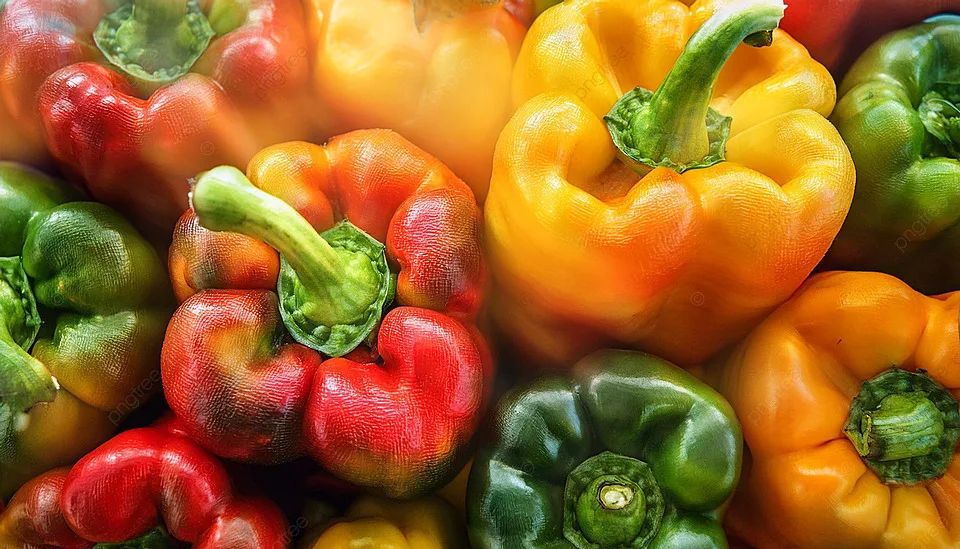
Image source: Web (Bing) / pngtree.com (Web image (fair-use with source credit))
Quick Answer
Start pepper seeds indoors 8 to 10 weeks before your last frost date. Transplant seedlings after soil reaches 60°F. Give plants full sun and consistent water.
Use a low-nitrogen fertilizer once flowers appear. Harvest when fruits reach full color.
What Kind of Pepper Grower Are You? (Your Starting Point)
Before you buy a single seed or transplant, pause and answer three questions. They change everything about how you'll grow.
How much space do you have? If you've got a sunny balcony or a small patio, you're growing in containers. That limits what varieties work well and how many plants you can support. If you've got a yard with a raised bed or an in-ground plot, your options open up significantly.
How much direct sun does your spot get? Peppers need at least six to eight hours of direct sunlight per day. Less than that, and you'll get lots of leaves but very few peppers. If your only sunny spot is a west-facing balcony, container growing still works.
If your garden is shaded by trees, consider grow bags you can move to follow the sun.
How patient are you? Some pepper varieties mature in 60 days. Others take 120 days or more. If you want quick results, stick with early-maturing sweet peppers like 'King of the North' or 'Gypsy'.
If you're excited about ghost peppers or Carolina Reapers, expect to wait.
Why your climate beats the calendar
Your local climate matters more than what the seed packet says. A packet might claim 70 days to maturity, but that count starts when the plant is in warm soil with consistent temperatures. If your nights stay below 55°F, those 70 days can stretch to 90 or more.
Check your USDA hardiness zone and your average last frost date. Then add two weeks for soil to warm up. That's your real start date.
Peppers stop setting fruit when daytime temperatures climb above 90°F. In hot southern climates, that means you get a spring harvest and a fall harvest, with a summer slump in between. In cooler northern areas, you might only get one solid harvest window.
Plan your variety choice around your local reality.
Seeds vs. Transplants: The First Real Decision
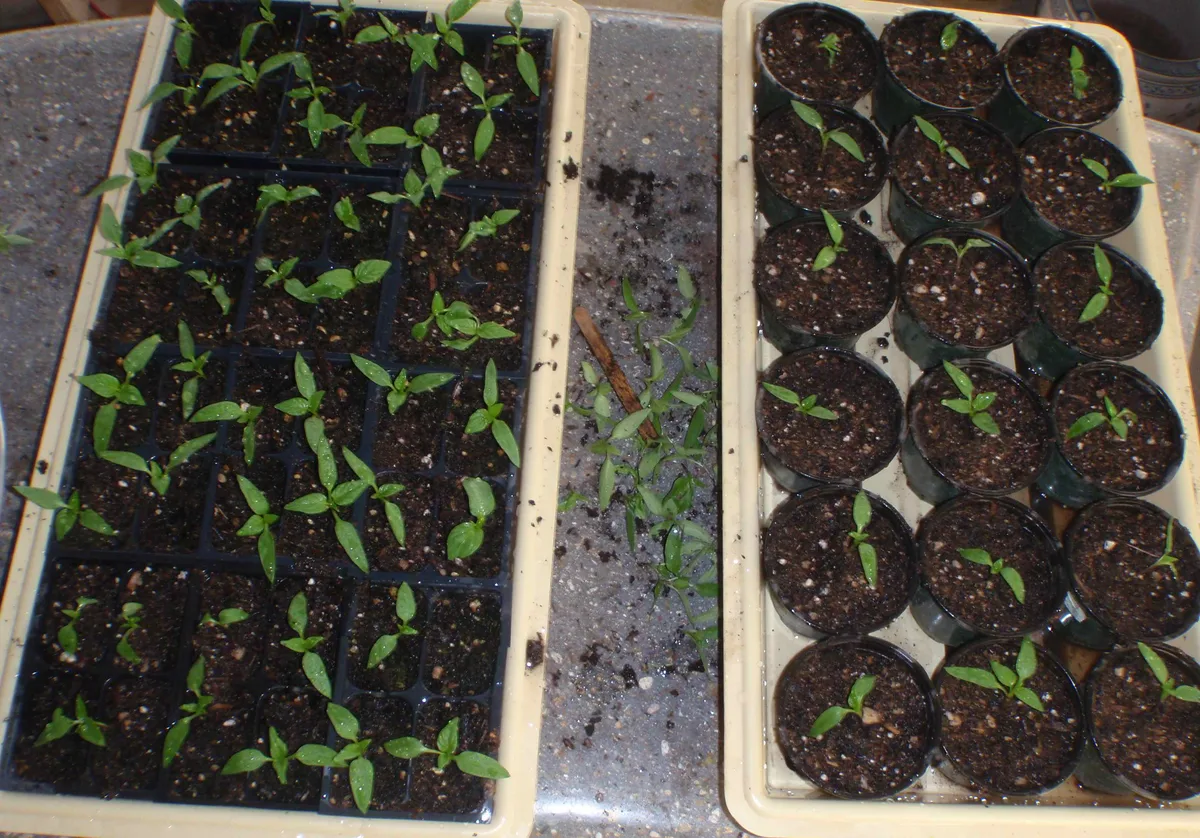
Image source: Web (Bing) / dailyimprovisations.com (Web image (fair-use with source credit))
This is the fork in the road that determines most of your growing season. Both paths work, but they serve different situations.
When starting from seed makes sense
Starting from seed gives you variety choice. Nurseries carry maybe a dozen pepper types. Seed catalogs offer hundreds.
If you want unusual varieties like 'Fish' peppers (a historic African American heirloom) or 'Aji Charapita' (tiny but explosively flavorful), you need to start from seed.
Seed starting also saves money if you're planting many plants. A packet of 25 seeds costs about the same as one transplant at the garden center.
But seed starting requires equipment and attention. You need grow lights, heat mats, seed trays, and the discipline to water daily. You also need to start 8 to 10 weeks before your last frost date.
Miss that window and your plants won't have enough time to mature before fall.
How to pick healthy transplants
If you buy transplants, look for plants that are stocky and dark green. Avoid tall, leggy plants with pale leaves. Check for yellowing lower leaves, which can indicate overwatering or disease.
Inspect the undersides of leaves for aphids or whiteflies. A healthy transplant has a strong stem and multiple sets of true leaves.
The best time to buy is when daytime temperatures are consistently above 60°F. Buying too early means you'll need to keep plants indoors under lights, which defeats the purpose of buying transplants.
Timing your start
Count backward from your average last frost date. For seeds indoors, count back 8 to 10 weeks. For transplanting, wait two weeks after the last frost date.
Soil temperature should be at least 60°F. If you're not sure, use a soil thermometer. Cold soil stunts peppers and leads to purple-tinged leaves.
Choose Your Growing Setup: Containers, Raised Beds, or In-Ground
Each setup has strengths and weaknesses. Match yours to your space and your pepper choice.
Container growing
Containers work best for small spaces and cooler climates. You can move pots to follow the sun or bring them indoors when frost threatens. Use pots at least 5 gallons in size.
Larger is better. A 5-gallon pot holds one pepper plant. A 10-gallon pot gives roots more room and requires less frequent watering.
Use potting mix, not garden soil. Garden soil compacts in containers and blocks drainage. Add a slow-release fertilizer at planting time.
Water daily in hot weather. Fabric grow bags breathe better than plastic pots but dry out faster. Plastic pots retain moisture longer, which helps if you tend to forget watering.
Best for: Balconies, patios, cooler climates, small yards, growers who want mobility.
Raised beds
Raised beds give you the best control over soil quality and drainage. Fill them with a mix of topsoil, compost, and perlite or vermiculite. The soil warms faster in spring, which helps peppers get an early start.
Raised beds also reduce weed pressure and make it easier to manage pests.
A 4×4-foot raised bed holds 4 to 6 pepper plants depending on spacing. Space plants 18 to 24 inches apart. Tall varieties like 'Anaheim' need more room.
Compact determinate types like 'Patio' can go closer.
Best for: Gardeners with yard space who want consistent soil quality and easier maintenance.
In-ground planting
In-ground planting is cheapest for big harvests. You don't need to buy soil or build beds. But in-ground soil can be unpredictable.
Compacted clay drains poorly. Sandy soil dries out fast. Test your soil pH first.
Peppers prefer 6.0 to 6.8. Amend as needed with compost or lime.
In-ground plants need wider spacing. Give each plant 18 to 24 inches in rows spaced 24 to 36 inches apart. Mulch around plants to retain moisture and suppress weeds.
Drip irrigation works well here because it delivers water directly to roots.
Best for: Large gardens, growers with good native soil, anyone planting many plants.
Matching your setup to your pepper variety
Small-fruited peppers like jalapeños, serranos, and Thai chilies grow well in containers. Large bell peppers and poblano varieties need more root space. Raised beds or in-ground work better for them.
Super-hot varieties like habaneros can grow in containers but need larger pots. Compact ornamental peppers are perfect for windowsills or small pots.
The Step-by-Step Growing Plan (From Transplant to Harvest)
Once you've chosen your path, follow this sequence to avoid the most common mistakes.
Hardening off and transplanting
One week before transplanting, start hardening off your seedlings. Set them outside in a shaded spot for two hours on day one. Increase exposure by one hour each day, gradually introducing more direct sun.
By day seven, plants should tolerate full sun all day.
Transplant on an overcast day or in late afternoon to reduce transplant shock. Dig a hole deep enough to bury the stem up to the first set of true leaves. Roots will sprout from the buried stem, creating a stronger plant.
Water thoroughly after transplanting. Space plants according to your setup.
Watering, feeding, and mulching
Water deeply and less frequently rather than giving plants a light sprinkle every day. Deep watering encourages roots to grow downward, making plants more drought-tolerant. Let the top inch of soil dry between waterings.
Overwatering causes yellow leaves and root rot.
Fertilize at transplanting with a balanced fertilizer, 10-10-10 or similar. Once flowers appear, switch to a low-nitrogen fertilizer like 5-10-10. Too much nitrogen produces big leaves and zero peppers.
Apply fertilizer according to package rates. Side-dress with compost midway through the season for a slow nutrient release.
Mulch with straw, shredded leaves, or wood chips. A 2-inch layer keeps soil cool, retains moisture, and blocks weed growth. Avoid fresh grass clippings, which can heat up and damage stems.
Staking and pruning
Stake or cage peppers that grow tall or produce heavy fruit. Bell peppers and large sweet varieties often need support. Insert stakes at planting time to avoid damaging roots later.
Use soft plant ties or strips of fabric to secure stems.
Prune selectively. Remove the first set of flowers that appear after transplanting. This directs energy into root development and produces stronger plants.
Remove lower leaves that touch the soil to reduce disease risk. Don't over-prune. Peppers need leaves for photosynthesis.
Harvesting at the right time
Harvest peppers when they reach full size and color. Green bell peppers are immature. Let them turn red, orange, or yellow for peak sweetness and vitamin content.
Hot peppers increase in heat as they ripen. Jalapeños turn red when fully ripe. Habaneros go from green to orange to red.
Use sharp scissors or pruners to cut peppers from the plant. Pulling can damage stems and reduce future yields. Harvest regularly to encourage more fruit production.
At the end of the season, pull entire plants and hang them indoors to ripen any remaining green peppers.
Common Pepper Problems and How to Fix Them Fast
Even experienced growers run into issues. Here's what to look for and how to respond.
Blossom end rot
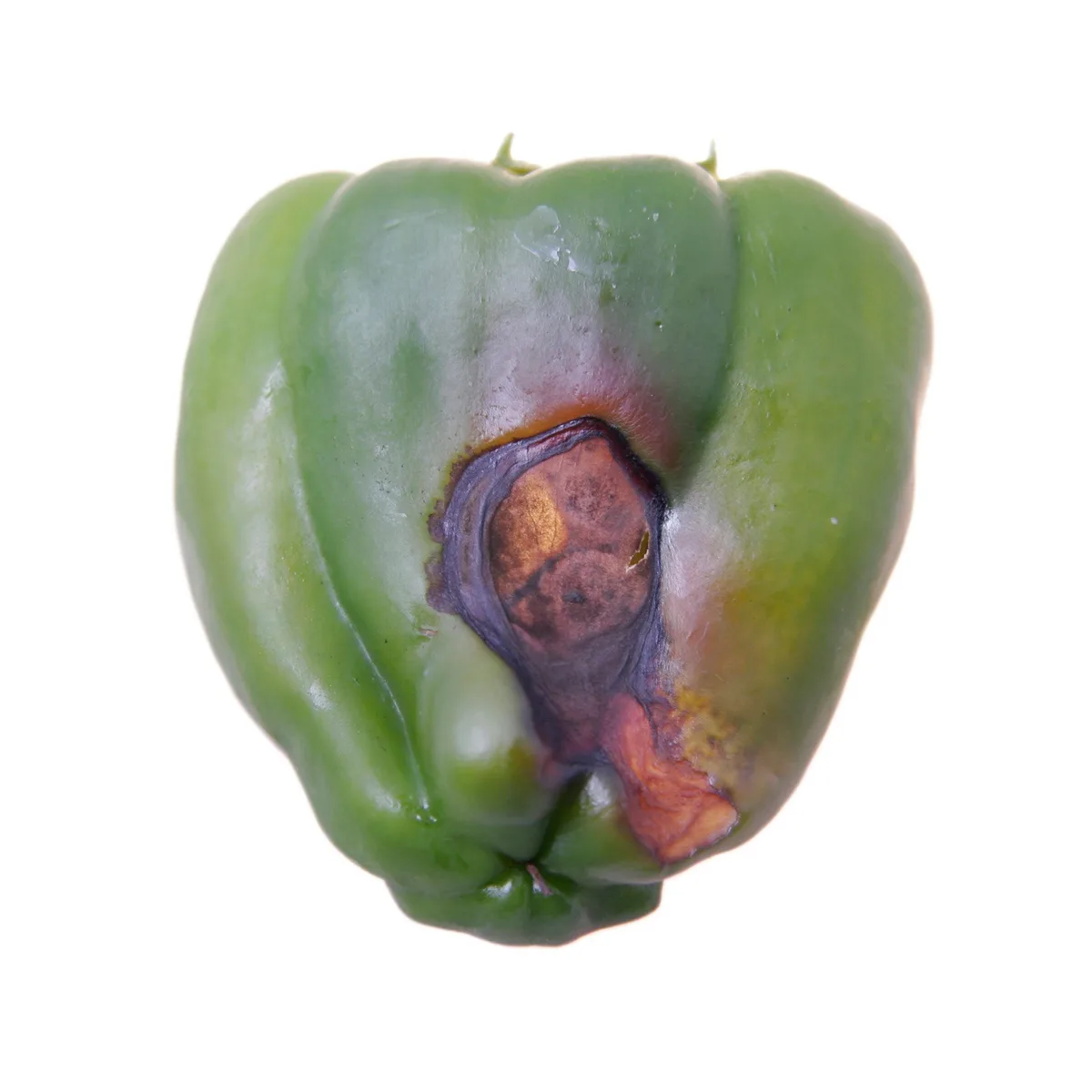
Image source: Bing (Web (fair-use with source credit))
This looks like a dark, sunken spot on the bottom of the pepper. It's not a disease. It's a calcium deficiency caused by inconsistent watering.
The plant can't absorb calcium when the soil goes from wet to dry to wet again.
Fix it by watering consistently. Use mulch to maintain even soil moisture. Avoid over-fertilizing with high-nitrogen products.
Adding crushed eggshells or calcium supplements helps long-term but won't fix existing fruit. Remove affected peppers and adjust your watering schedule.
Flower drop and sunscald
Flowers fall off without setting fruit when daytime temperatures exceed 90°F or nights stay above 70°F. Stress from inconsistent watering also causes flower drop. Provide shade cloth during extreme heat.
Water consistently. Use a fan for container plants on hot balconies.
Sunscald appears as white or tan patches on exposed fruit. It happens when leaves are too sparse to shade peppers. Prevent it by not over-pruning and by providing some afternoon shade in hot climates.
Affected fruit is still edible after cutting off the damaged area.
The "lots of leaves, no fruit" mystery
This is the most common question from new pepper growers. The plant is lush and green but produces no fruit. The usual cause is too much nitrogen.
High-nitrogen fertilizers push leaf growth at the expense of flowers and fruit. Switch to a bloom booster fertilizer, 5-10-10 or similar. Check that plants are getting enough direct sun.
Peppers need at least six hours. Less than that and they won't set fruit.
Pests
Aphids cluster on new growth and leaf undersides. Blast them off with a strong stream of water. Repeat every few days until they're gone.
For heavy infestations, use insecticidal soap according to label directions.
Hornworms are large green caterpillars that eat leaves and fruit. Pick them off by hand. Look for dark droppings on leaves as a sign they're present.
Bacillus thuringiensis (Bt) kills caterpillars without harming beneficial insects.
Spider mites cause stippled yellow leaves and fine webbing. They thrive in hot, dry conditions. Increase humidity by misting plants.
Rinse leaves with water. Neem oil works for persistent infestations.
The 60-Second Pepper Decision Guide
Here's the whole process boiled down into a quick decision path. Find your situation and follow the branch.
If you have 6+ hours of direct sun:
- Small space. Use a 5-gallon container with a compact variety like 'Patio' or 'Jalapeño'.
- Large space. Use a raised bed or in-ground plot. Choose full-size varieties like 'California Wonder' or 'Poblano'.
If you get less than 6 hours of sun:
- Use containers you can chase around the patio.
- Pick fast-maturing varieties like 'Gypsy', which produce in about 60 days.
For the seed-versus-transplant fork, use this table.
| Your situation | Best start method |
|---|---|
| Want rare or unusual varieties | Seeds indoors, 8 to 10 weeks before last frost |
| Short on time or equipment | Nursery transplants after soil reaches 60°F |
| Planting more than five plants | Seeds, because they cost less per plant |
| Planting one or two plants | Transplants, because they skip the setup |
For the growing setup, match your space to the right container or bed.
| Setup | Best for | Key spec |
|---|---|---|
| Container | Balconies, patios, cool climates | 5-gallon pot per plant minimum |
| Raised bed | Soils that need amending | 4×4 bed holds 4 to 6 plants |
| In-ground | Large harvests and wide rows | 18 to 24 inch spacing between plants |
The biggest mistake we see is over-fertilizing with nitrogen. Too much leaf growth means few or no peppers. Once flowers appear, switch to a low-nitrogen feed.
That single change solves most "why won't it fruit" complaints.
Frequently Asked Questions About Growing Peppers
How many peppers will one plant produce?
A healthy bell pepper plant yields 5 to 10 full-size fruits in good conditions. Hot varieties like jalapeños produce more, often 20 to 40 pods per plant. Super-hots such as habaneros also give dozens of small peppers.
Container plants typically yield about half of in-ground counts.
Can I grow peppers indoors year-round?
Yes, if you provide intense light. Peppers need 12 to 16 hours of grow light daily. Use a south-facing window plus grow lights for the best results.
Expect slower winter growth and fewer fruits. Hand-pollinate by gently tapping the flowers each day.
Why are my pepper plants turning yellow?
Yellow leaves usually mean overwatering or nutrient deficiency. Check the soil first. If it's soggy, let it dry out.
If drainage is fine, the plant may lack nitrogen or magnesium. Apply a balanced fertilizer and monitor new growth.
Do I need more than one plant for pollination?
No. Pepper flowers are self-pollinating. Each flower has both male and female parts.
Wind or a gentle shake moves the pollen. Outdoors, bees handle the job. Indoors, tap the stems or use a small fan.
A single plant will set fruit just fine.