Growing parsley seems simple until you're staring at a seed tray with zero green for three weeks. That slow germination is the first hurdle most people hit, but it's not the only one. The real question is whether you even need to start from seed at all, or if you should buy transplants and skip the waiting game entirely.
Our research shows that parsley seeds germinate best when soil temperature sits between 50 and 75°F. Even under ideal conditions, expect 14 to 30 days before you see sprouts. The right choice depends on your setup, your climate, and how much patience you have.
Let's walk through the decisions that make this herb actually work for your home.
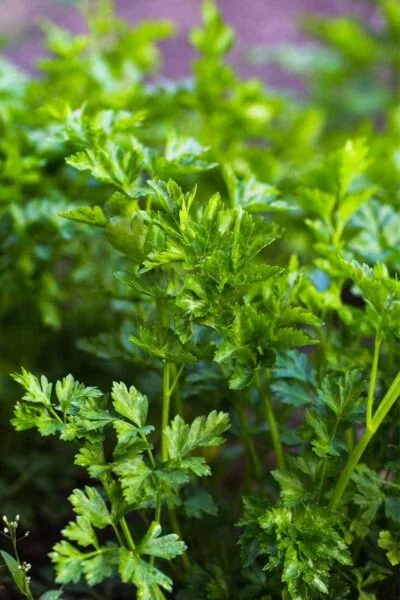
Image source: Web (Bing) / growfully.com (Web image (fair-use with source credit))
Quick Answer
Grow parsley in partial sun with rich, well-draining soil. Keep the soil consistently moist. Start seeds indoors 3 to 4 weeks before the last frost.
Thin seedlings to 6 to 8 inches apart. Harvest outer leaves once the plant has 10 to 12 stems.
The Decision Tree: Choose Your Parsley Growing Path
Most guides give you one set of instructions for everyone. That's a mistake. Your growing conditions change everything.
Let's break it down into three simple decisions.
Indoor vs. Outdoor
If you have a sunny windowsill or grow lights, indoor growing works year-round. Parsley needs at least 4 to 6 hours of direct light indoors. South-facing windows are best.
Supplement with a basic grow light during winter months when daylight drops below that threshold.
If you have garden space, outdoor growing is easier in cool seasons. Parsley prefers temperatures between 50 and 70°F. It handles light frost but bolts quickly when summer heat arrives.
In hot climates (zones 8 and above), plant it in fall or early spring and give it afternoon shade.
Pot vs. Ground
If you want mobility and control over soil, use a pot at least 8 to 10 inches deep. Parsley develops a taproot that needs room to grow. Wider pots work better than narrow ones because they hold moisture longer.
Drainage holes are non-negotiable.
If you want to plant in bulk, go with a garden bed or raised bed. In-ground growing gives roots unlimited space and more stable soil temperatures. The trade-off is less control over soil quality and drainage.
Seed vs. Transplant
If you want the lowest cost and a wider variety selection, start from seed. A single seed packet costs less than one transplant and gives you dozens of plants. The downside is the waiting game and the risk of failed germination.
If you want instant greens and less patience, buy transplants. They are ready to harvest in half the time. The cost is higher per plant, and you are limited to whatever varieties your local nursery carries.
| Your Situation | Best Choice | Why |
|---|---|---|
| Limited space indoors | Pot + transplant | Faster results, easier to manage |
| Large garden, cool climate | Ground + seed | Bulk harvest, lower cost |
| Hot climate, small balcony | Pot + afternoon shade + seed | Control over heat exposure |
| First-time gardener | Pot + transplant | Higher success rate, less frustration |
Step-by-Step: From Seed to First Harvest
Once you've chosen your path, here is the exact process. Follow these steps and you will have parsley within three months.
1. Soak seeds overnight. This step cuts germination time by roughly a week. Place seeds in a bowl of warm water for 8 to 12 hours.
Drain them before planting. Do not skip this step if you want quicker results.
2. Sow at 1/4 inch deep. Parsley seeds need light to germinate, so do not bury them deep. Press them gently into the soil surface and cover with a thin layer of seed-starting mix.
Water gently from the bottom to avoid washing seeds away.
3. Cover with plastic wrap. Create a humidity dome by draping clear plastic wrap over the container. This keeps moisture consistent during germination.
Remove it once you see the first sprouts.
4. Keep soil consistently moist. During germination, the soil must never dry out completely. Check moisture daily.
Use a spray bottle to mist the surface if it looks dry. After sprouting, water when the top inch of soil feels dry.
5. Thin to 6 to 8 inches apart. Once seedlings develop their second set of true leaves, thin them out. Snip the weakest ones at soil level.
Do not pull them out, as that can disturb nearby roots.
6. Harden off before transplanting outdoors. Start with 1 hour of outdoor shade, then increase by 1 hour daily over a week. This prevents transplant shock and sunburn.
7. Harvest outer leaves first. Wait until the plant has at least 10 to 12 stems. Pick the outermost leaves near the base, leaving the inner rosette to keep growing.
A healthy plant can be harvested every week or two.
Mistakes That Mess Up Parsley (and How to Fix Them)
Even experienced gardeners run into problems with parsley. Here are the most common ones and how to avoid them.
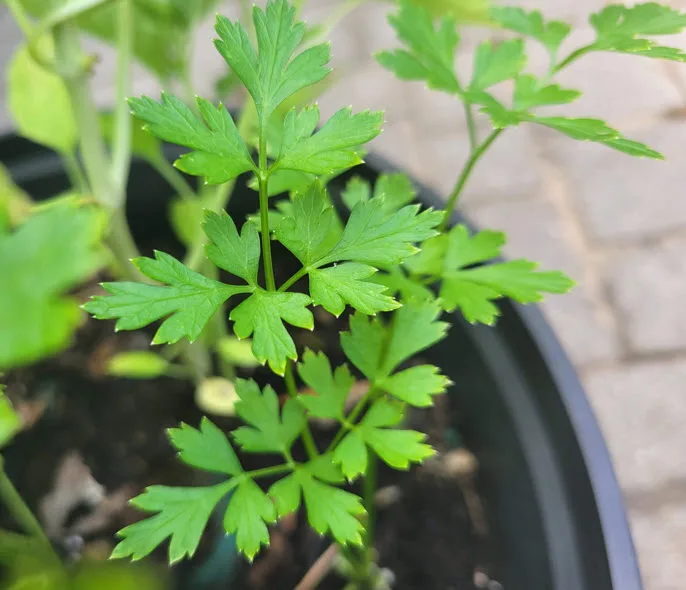
Image source: Bing (Web (fair-use with source credit))
Slow or no germination. This is the number one complaint. Old seeds lose viability quickly. Parsley seeds remain viable for about 2 years if stored in a cool, dry place.
Soak them overnight before planting. Keep soil temperature between 60 and 70°F for best results.
Damping-off disease. Seedlings suddenly collapse at the soil line. This happens when soil stays too wet and air circulation is poor. Use sterilized seed-starting mix.
Water from the bottom. Provide air movement with a small fan set on low.
Bolting (going to seed early). Parsley bolts when temperatures climb above 80°F or when the plant is stressed by inconsistent watering. Harvest frequently to delay bolting. Pinch off flower stalks as soon as they appear.
Provide afternoon shade in hot climates.
Yellowing leaves. This usually means overwatering or poor drainage. Check that your pot has drainage holes. Let the top inch of soil dry between waterings.
Yellow leaves can also indicate nitrogen deficiency. Apply a diluted liquid fertilizer every 2 to 4 weeks during the growing season.
Stunted growth. If your plant stays small and compact, the pot is likely too shallow. Parsley's taproot needs at least 8 to 10 inches of soil depth. Repot into a deeper container.
Alternatively, check that it is getting enough light. Move it to a sunnier spot.
Success Guide: Choosing Varieties and Setting Up Your Space
Not all parsley is the same. The variety you choose affects flavor, texture, and how you use it in cooking.
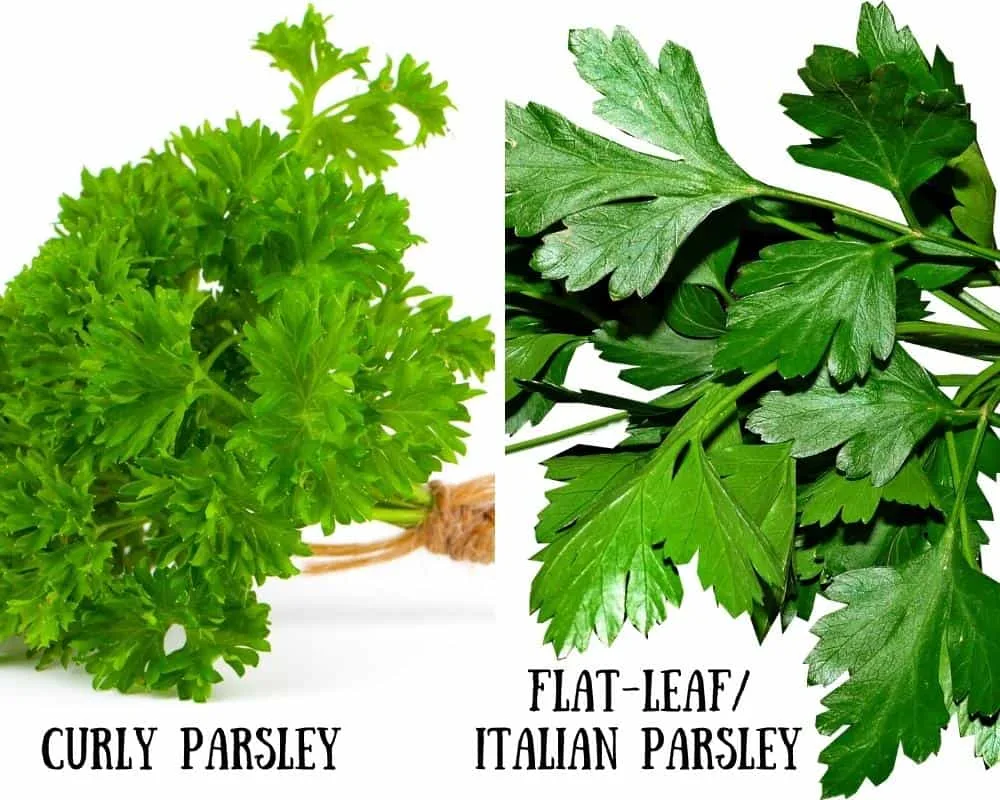
Image source: Web (Bing) / storage.googleapis.com (Web image (fair-use with source credit))
Flat-leaf (Italian) parsley is the standard for cooking. It has a stronger, more robust flavor than curly parsley. The flat leaves are easier to chop and work well in sauces, soups, and salads.
Most chefs prefer this variety.
Curly parsley is more decorative. It holds up better as a garnish and has a milder, slightly peppery taste. The crinkled leaves trap moisture, so they are harder to wash thoroughly.
Use this variety when appearance matters more than flavor.
Both varieties have the same growing requirements. Choose based on how you plan to use the herb.
Setting up your space correctly from the start makes everything easier.
- Light: Place your parsley where it gets 4 to 6 hours of direct sun. Morning sun with afternoon shade works well in warmer climates. Indoors, use a grow light if your window does not provide enough light.
- Soil: Mix in compost or aged manure before planting. Parsley prefers rich, loamy soil with a pH between 6.0 and 7.0. Per the University of Minnesota Extension's herb gardening guidelines, well-draining soil with organic matter gives the best results.
- Water: Keep the soil consistently moist but not waterlogged. A layer of mulch around outdoor plants helps retain moisture and keeps roots cool.
- Fertilizer: Apply a balanced liquid fertilizer (10-10-10) diluted to half strength every 2 to 4 weeks during active growth. Stop fertilizing once temperatures drop below 50°F in fall.
Long-Term Care: Harvesting, Overwintering, and Keeping It Productive
Parsley keeps producing for months if you handle it right. The key is harvesting correctly and knowing when to start fresh.
Harvest outer leaves only. Never cut the center rosette. That's where new growth comes from. Snip stems at the base using sharp scissors.
Leave at least one third of the plant intact so it can regrow. A well-maintained plant gives you harvests every 7 to 14 days.
Overwintering indoors extends the season significantly. If you live in zones 7 and colder, parsley will die back once temperatures drop below 20°F. Dig up a healthy plant before the first hard frost. Pot it in a container with fresh potting mix.
Place it on a sunny windowsill or under a grow light. Water sparingly during winter and expect slower growth. It will bounce back in spring.
When to replant. Parsley is a biennial. In its second year, it shifts energy to flowering and seed production. The leaves become tougher and more bitter.
Most gardeners treat it as an annual and replant each year. If you let it flower, you can collect seeds for next season and attract swallowtail butterflies to your garden.
Frequently Asked Questions
How long does parsley take to grow from seed?
Expect 14 to 30 days for germination and 70 to 90 days total from seed to first harvest. Soaking seeds overnight cuts germination time by roughly a week.
Can parsley survive winter outdoors?
In zones 8 and warmer, parsley survives winter with a thick layer of mulch. In colder zones, it dies back at freezing temperatures. Bring it indoors or start fresh each spring.
Why is my parsley turning yellow?
Yellow leaves usually mean overwatering or poor drainage. Let the top inch of soil dry out between waterings. If the soil drains well, the cause may be a nitrogen deficiency.
Apply diluted liquid fertilizer.
Does parsley need full sun or shade?
Parsley grows best with 4 to 6 hours of direct sun daily. In hot climates, afternoon shade prevents bolting. Indoors, south-facing windows or grow lights work well.
How often should I water parsley?
Keep the soil consistently moist but not soggy. Water when the top inch of soil feels dry. In hot weather, that could mean every day.
In cooler conditions, every 2 to 3 days is enough.
Can I grow parsley indoors year-round?
Yes, as long as it gets enough light. Place it on a sunny windowsill or under a grow light for 12 to 14 hours daily. Use a pot at least 8 inches deep and fertilize monthly during active growth.
Final Verdict: Is Growing Parsley Worth Your Time?
Yes, with the right approach. Parsley is one of the easiest herbs for beginners, but it punishes impatience. The first month is the hardest part.
Once you get past that slow germination window, it grows steadily with minimal fuss.
Start with transplants if you want quick results. Start from seed if you want variety selection and lower cost. Either way, you get fresh herbs for months from a single plant.
Fresh parsley costs roughly $2 to $3 per bunch at the store. One well-grown plant gives you that much every week for an entire season.
The small investment in a pot, some seeds, and consistent watering pays for itself quickly. Give it a try and see what works in your space.