Starting from seed is the cheapest way to fill a garden with lavender, but it tests your patience like few other herbs. If you've ever stared at a packet of lavender seeds for weeks wondering why nothing happened, you're not alone, most people assume they failed when really they just skipped a critical step. The truth is that growing lavender from seed requires a few non-negotiable conditions, but once you know the branching choices that fit your setup, it's actually straightforward.
Manufacturer specifications from major seed houses show that untreated lavender seed has a typical germination rate of only 30-50%, and that drops sharply after the first year of storage. As of 2026, the standard recommendation is to treat every seed lot as if it needs cold stratification, because that single step lifts germination from frustrating to reliable. Let's walk through the variety choices first, because your climate decides which type has a fighting chance.
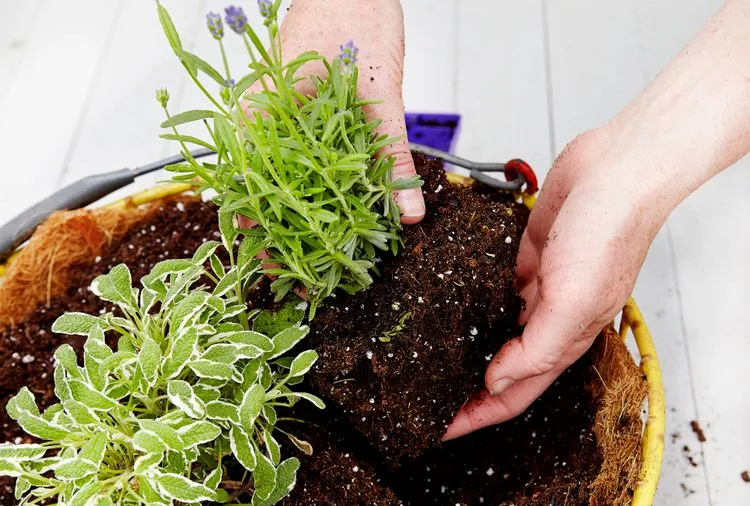
Image source: Web (Bing) / bhg.com (Web image (fair-use with source credit))
The Right Lavender Seed for Your Climate (English vs. French vs. Spanish)
Your first decision isn't about soil or lights, it's about picking the species that can survive your winter. English lavender (Lavandula angustifolia) is the workhorse for most of North America and northern Europe, hardy down to zone 5. French lavender (Lavandula dentata) and Spanish lavender (Lavandula stoechas) are showier but only reliable in zones 7-9 and warmer, and they often die in wet, cold soil.
If you're in zone 5 or 6 and try to grow French lavender from seed, you'll almost certainly lose it the first winter. That's not a gardener failure; it's a genetic mismatch. Stick with English varieties like 'Munstead', 'Hidcote', or 'Lady', they germinate more consistently, bloom reliably, and live for 5-10 years in cold climates.
For warm-winter zones (8-10), you have more freedom. Spanish lavender tolerates heat and humidity better than English, and its pinecone-shaped blooms are a favorite for dried arrangements. French lavender grows faster from seed and can flower in its first year under lights, but it's a short-lived perennial (3-5 years).
In our research, the safest advice is: grow English if your winter sees regular frost, grow Spanish or French only if you rarely drop below 20°F.
Step-by-Step: How to Start Lavender Seeds Indoors (With Decision Branches)
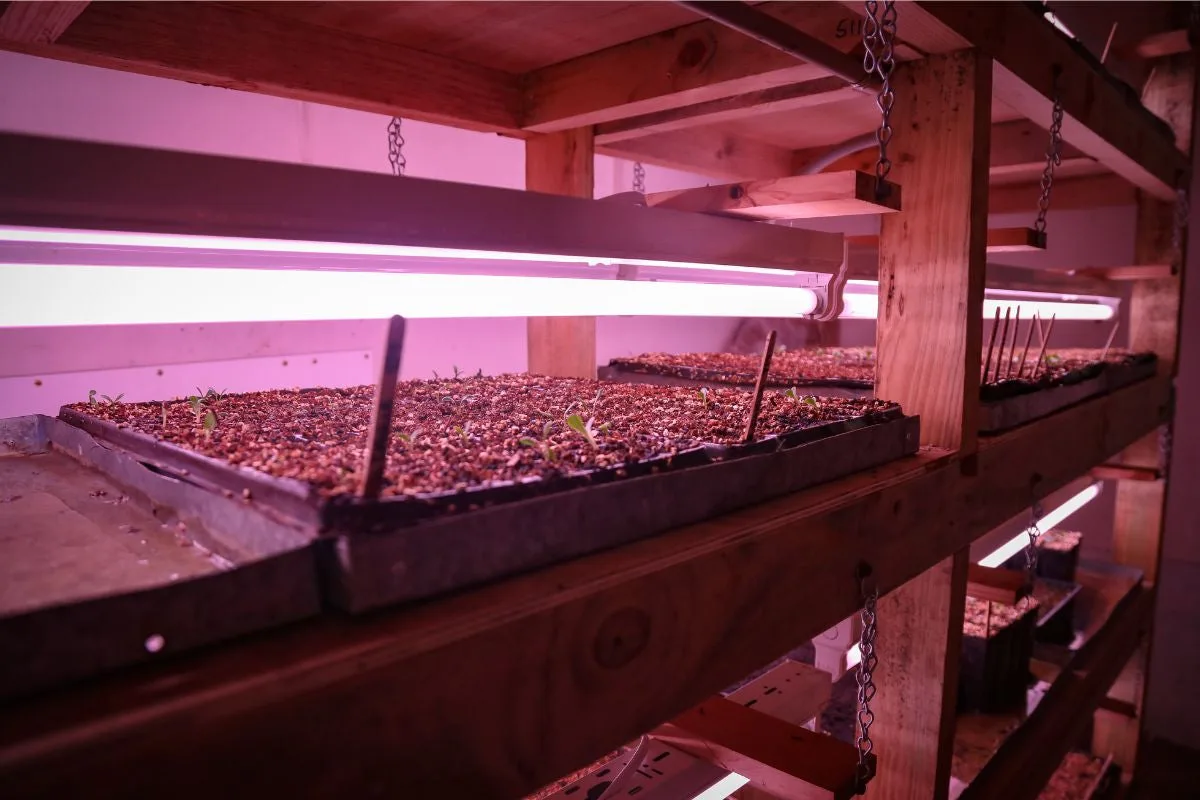
Image source: Web (Bing) / sowrightseeds.com
Starting indoors gives you full control over temperature and light, which lavender seeds demand. Here's the workflow, each step includes a decision branch so you can adapt to your setup.
Step 1, Stratify (or skip, but don't).
Place seeds in a damp paper towel inside a sealed bag. Refrigerate for 3-6 weeks. If your seed packet says "fresh seed, no stratification needed," ignore it, even fresh English lavender benefits from cold treatment.
No fridge? You can winter-sow outdoors in zones 5-7 by planting in a covered container in January.
Step 2, Choose your starting container.
Use cell packs or small pots with drainage holes. Fill with a fine seed-starting mix (not garden soil, not potting mix with bark). Lavender seeds need a light, well-draining medium that won't crust over.
Step 3, Sow on the surface.
Sprinkle seeds on top of the damp mix. Press them in gently, do not bury deeper than 1/8 inch. They need light to germinate.
Mist with a spray bottle so you don't wash them.
Step 4, Provide bottom heat and light.
If your room temperature is below 68°F, use a heat mat set to 65-70°F. Place under grow lights or a very bright south-facing window for 14-16 hours daily. No natural light strong enough?
Withhold the heat mat and expect 4-6 weeks for germination instead of 14-21 days.
Step 5, Remove humidity dome at first sign of green.
Keep a clear plastic dome or bag over the tray until you see tiny sprouts. Then remove it immediately to prevent damping off. Continue lights and bottom heat for another week, then wean off the heat gradually.
Where the Decision Tree Splits: Stratify or Not? Heat Mat or Not? Direct Sow or Never?
The biggest fork in the road for most home growers happens at three points. Let's break each one.
Stratification: yes or yes-with-modifications?
All lavender seed benefits from cold, moist stratification. If you skip it, germination drops to 10-20% and takes twice as long. The only exception is if you're using seed that has been pre-stratified by the seller, that's rare and usually marked on the packet.
Default: stratify for 4 weeks.
Heat mat: necessary or optional?
Lavender germinates best at soil temperatures of 65-70°F. If your house is consistently 68-70°F, you can skip the mat and just be patient. If your home drops to 60°F at night, a heat mat is not optional, it's the difference between 20-day germination and 50-day failure.
Use a thermostat-controlled mat to avoid overheating above 75°F, which kills germination.
Direct sowing outdoors: when does it ever work?
Direct sowing has a success rate of maybe 15% in most climates, because the tiny seeds get washed away, dried out, or eaten. It only makes sense if you live in a Mediterranean climate with cool, damp springs and dry summers (coastal California, parts of the Pacific Northwest). For everyone else, start indoors.
The investment in a tray and light is repaid in 10x the survival rate.
The 3 Most Common Seedling Mistakes That Kill Lavender Before It Starts
Most lavender seedlings die in the first month, and it's almost always one of these three errors.
1. Damping off. This fungal disease turns stems mushy at soil level and topples seedlings overnight. It thrives in cool, wet, stagnant air.
Prevention: use sterile seed-starting mix, water from below, and keep air moving with a small fan on low. If you see a single seedling collapse, remove it immediately and let the surface dry out completely before watering again.
2. Overwatering. Lavender is a desert plant. Its roots rot in constantly damp soil.
The biggest killer of indoor lavender seedlings is watering on a schedule instead of checking moisture. Let the top inch of mix dry fully before watering again. If your tray has drainage holes, water from the bottom and let excess drain away.
3. Insufficient light. Lavender seedlings stretch toward any light source, becoming leggy and weak. Under a windowsill, they often get 6-8 hours of direct light, but they need 14-16 hours.
Without a grow light, stems grow thin and flop over. A cheap LED shop light 2-3 inches above the seedlings prevents this completely.
Transplanting Timeline: When and How to Move Seedlings Outdoors
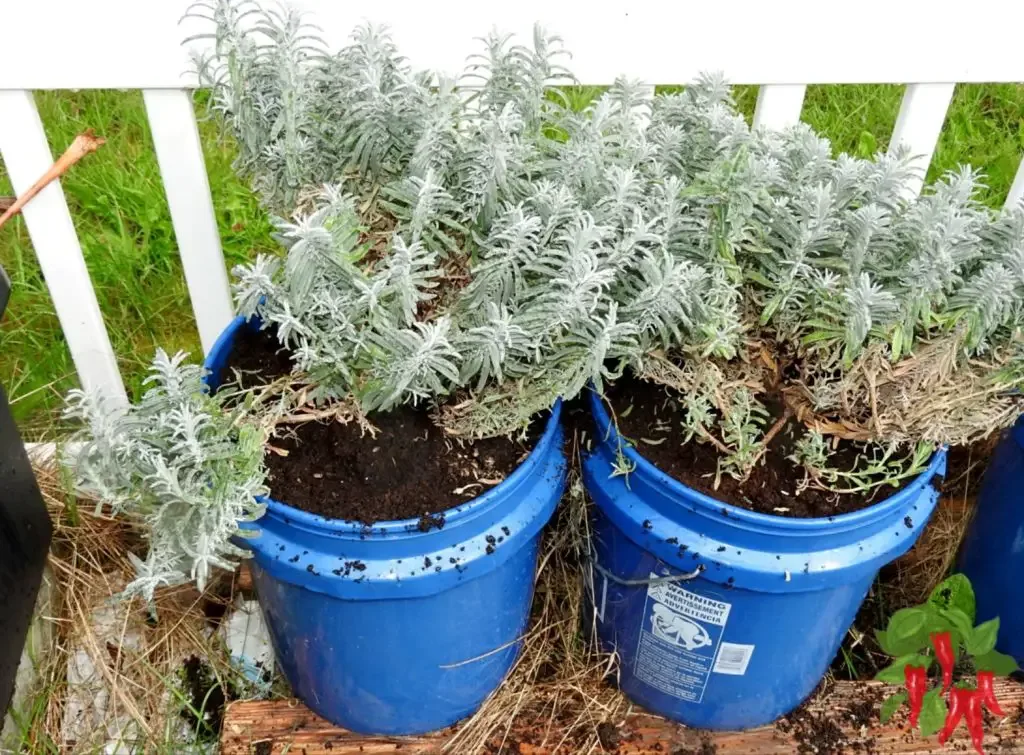
Image source: Bing (Web (fair-use with source credit))
You'll have transplantable seedlings about 8-12 weeks after germination, when they have at least three sets of true leaves and a root system that holds the soil ball together. Here's the timeline and the decision points.
Hardening off, start 10 days before planting.
Move pots outside to a sheltered spot for 1 hour the first day, then increase by 1-2 hours daily. On cold nights (below 45°F), bring them back inside. Skip this step and you'll burn leaves, shock roots, and set growth back by weeks.
Final transplant date, after last frost.
Lavender can handle a light frost once established, but seedlings are tender. Wait until soil temperature at 4 inches deep reaches 60°F. In most zones, that's 2-4 weeks after the last spring frost date.
Planting technique, dig a wide hole, not deep.
Lavender's crown (where roots meet stems) must sit just above soil level. Burying it invites rot. Space plants 18-24 inches apart for English, 12-18 inches for compact varieties.
Add a handful of coarse sand or grit to the planting hole if your soil is heavy clay. Water once deeply at planting, then let the soil dry before watering again.
First year care, water sparingly, prune lightly.
Your seedlings won't bloom much the first summer. That's normal. Shearing off any flowers that form encourages root and leaf growth.
In fall, leave the woody growth untouched, don't cut back hard until the second spring.
Choosing Between Seed, Cuttings, or Nursery Plants (When Seed Makes Sense)
You've seen the work involved. So why not just buy a lavender plant at the garden center for eight dollars? That's a fair question, and the answer depends on what matters more to you: time, variety, or cost.
Seed is best when you want rare varieties. Most nurseries only stock a handful of English lavender cultivars. Want 'Grosso', 'Provence', or a specific white variety like 'Edelweiss'? Seed is the only path.
You also get a deeper root system and better long-term adaptation to your local soil.
Cuttings are faster, but not for the beginner. If you have access to an established lavender plant, taking softwood cuttings in spring gives you a clone in about 6 weeks. It's a reliable method. But you need rooting hormone, a clean sharp knife, and a humid environment.
Our research shows that most home gardeners have better luck with seed than with their first attempt at cuttings.
Nursery plants win for instant gratification. You plant them and they bloom that same summer. No stratification, no grow lights, no eight-week wait. The trade-off is cost: a single nursery plant costs as much as a packet of 100 seeds.
For a small garden, buying plants makes sense. For a large lavender hedge spanning 20 feet, you'll save a huge amount by starting from seed.
The decision comes down to your timeline and your patience. If you want flowers this year and only need a few plants, buy nursery stock. If you want a specific variety or a large number of plants, seed is the smarter route.
Cuttings are best left for once you have an established plant you love.
Frequently Asked Questions About Growing Lavender from Seed
How long does it take to grow lavender from seed?
From sowing to a transplantable seedling, plan on 8-12 weeks. From transplant to first real bloom, expect 14-18 months. Lavender almost never flowers in its first year from seed.
That second summer is when you get the harvest.
Do lavender seeds need light to germinate?
Yes, they absolutely do. Lavender seeds are photoblastic, meaning they require light to trigger germination. Sow them on the surface and press them in gently.
Covering them with more than 1/8 inch of soil will drastically reduce germination.
Can I start lavender seeds in winter?
You can, but you'll need strong indoor lights. Start them 8-12 weeks before your last spring frost date. If you start too early, seedlings become root-bound in their pots before outdoor planting weather arrives.
If you start too late, they won't be strong enough to survive their first winter.
Why are my lavender seedlings so leggy?
Insufficient light is the culprit. Lavender seedlings need 14-16 hours of bright light daily from a source just 2-3 inches above the leaves. A south-facing window is rarely enough.
Use a grow light or a bright LED shop light to keep stems short and thick.
Should I fertilize lavender seedlings?
Go very easy on fertilizer. Lavender prefers lean soil. A half-strength, balanced liquid fertilizer applied once after the second set of true leaves is enough.
Overfeeding produces lush, soft growth that attracts pests and rots easily in wet weather.
Can I direct sow lavender seeds outdoors?
It's risky but possible in Mediterranean climates with cool, wet springs. Even then, expect low germination. The seeds can wash away, dry out, or get eaten by birds.
Starting indoors gives you a 10x better survival rate. Direct sowing is a gamble, not a reliable method.
Final Decision Flowchart: Should You Grow Lavender from Seed?
Here's a quick mental checklist to decide if seed is your best path.
Start with seed if: you want more than 10 plants, a rare variety, or lower cost per plant. Also choose seed if you enjoy the process and have indoor growing space, a heat mat, and a grow light.
Buy nursery plants if: you want blooms this summer, only need 2-3 plants, or don't have space or equipment for indoor seed starting. It's the faster, easier route.
Skip the whole idea if: you're in zone 4 or colder and aren't willing to overwinter seedlings indoors. Lavender from seed needs protection the first winter. If you can't provide that, buy a mature plant that's already hardened off.
The truth is, most home gardeners who try seed once either fall in love with the control and variety or decide the wait isn't worth it. Both are valid. The key is knowing which camp you're in before you buy the seed packet.