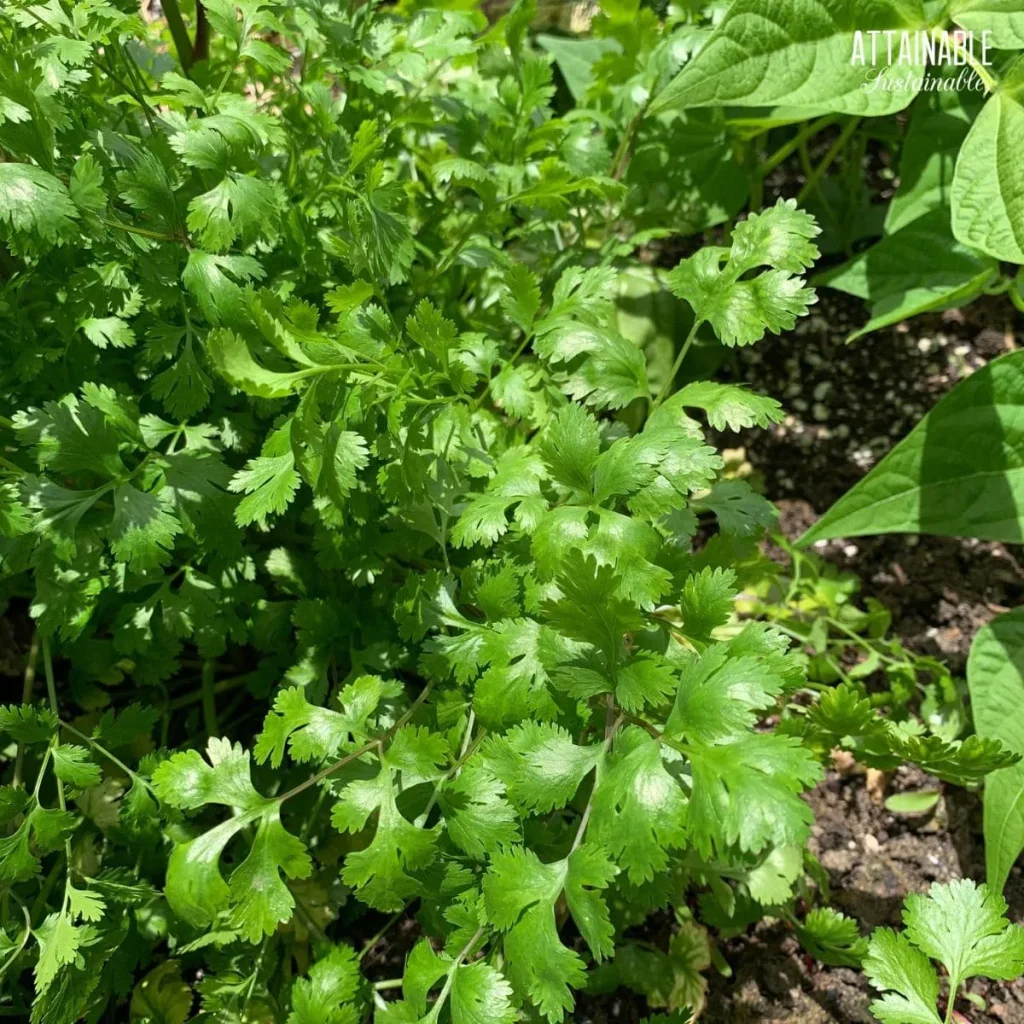
If you've ever planted cilantro and watched it go from leafy to a spiky flower bundle in a week, you already know the struggle. Growing cilantro is less about a green thumb and more about timing and temperature. The plant wants to bolt, but you can outsmart it.
In our research, cilantro germinates best in soil temps between 55, 68°F (12, 20°C) and goes to seed rapidly once heat climbs past 85°F (30°C). As of 2026, the USDA hardiness map still lists it as a cool-season annual for most zones. So the real trick is matching your planting window to your local climate.
Let's break it down step by step.
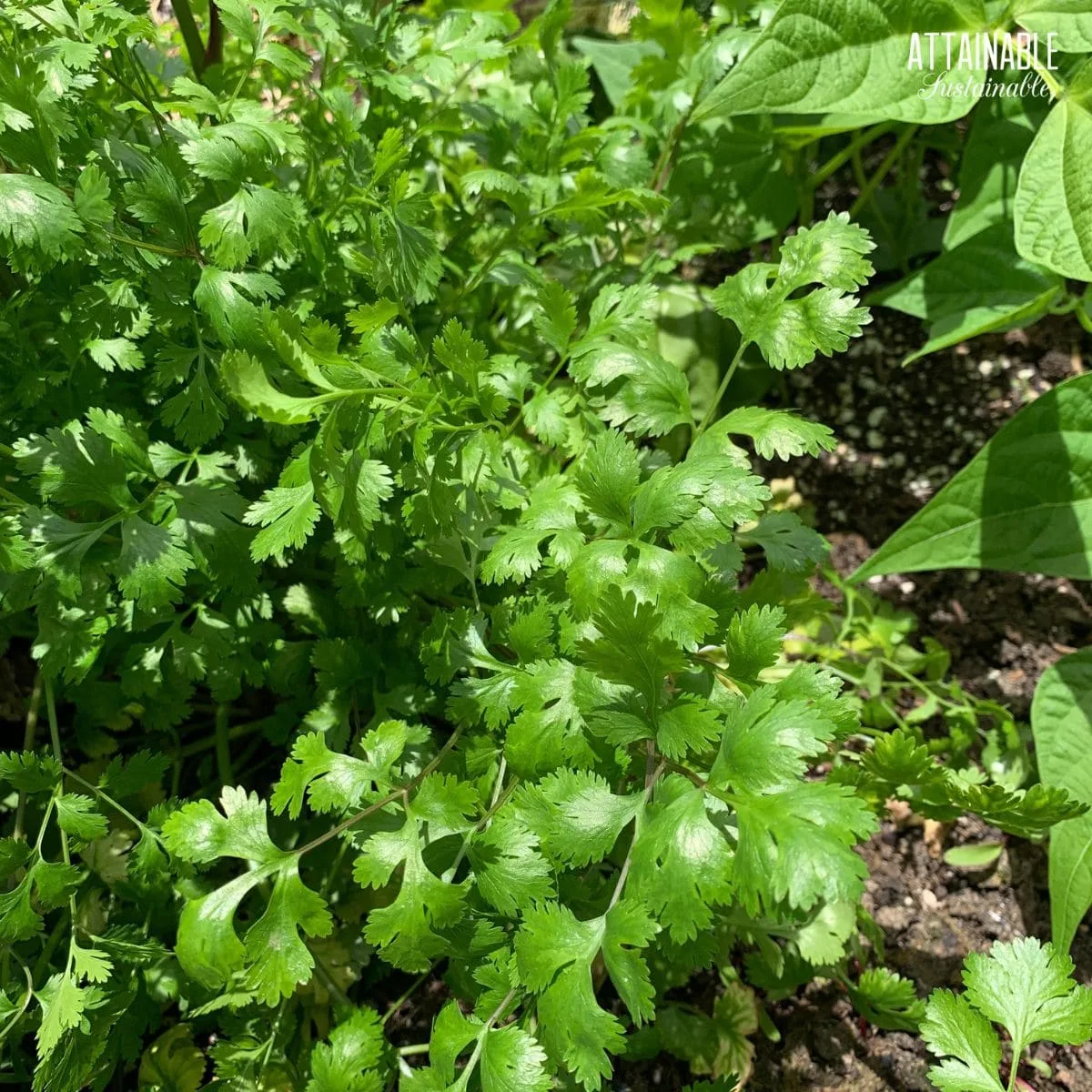
Image source: Web (Bing) / attainable-sustainable.net (Web image (fair-use with source credit))
Quick Answer
Cilantro is a cool-season herb. Sow seeds directly in loose soil. Plant in early spring or late summer.
Keep soil moist and cool. Harvest leaves before flowers appear.
Why Cilantro Acts Like a Drama Queen (and How to Handle It)
Cilantro is genetically programmed to flower and set seed as quickly as possible. The trigger is heat, but also long daylight hours and any sudden stress like drought or root disturbance. Once those conditions hit, the plant shifts from leaf production into reproduction mode.
You can't fully stop it, but you can delay it.
Think of bolting as a survival switch. At 85°F (30°C) or above, the plant decides it's too hot to keep growing leaves, so it rushes to make seeds. If you live in a warm region, your biggest enemy is the summer sun.
The fix is to grow cilantro in the shoulder seasons or in a spot with afternoon shade.
Here's a quick breakdown of how temperature affects behavior:
| Temperature | Cilantro's Response |
|---|---|
| Below 55°F (13°C) | Slow growth, little bolting |
| 55–75°F (13–24°C) | Ideal leaf production |
| 75–85°F (24–30°C) | Leaves stay edible but growth speeds up |
| Above 85°F (30°C) | Bolts within days |
That's why a little shade cloth or a north-facing balcony can be a game-changer. Also, crowding stresses the plants. Thin seedlings to at least 2 inches apart so air flows and each plant gets enough moisture.
Stress reduction is your first line of defense.
Start Here: Your Growing Conditions (Climate, Space, and Season)
Before you plant a single seed, answer three questions: How hot is your summer? Where will you grow it? And what time of year is it right now?
Those answers determine every decision that follows.
First, know your climate. If your summer regularly hits 90°F (32°C), cilantro is a spring and fall crop, period. If you're in a mild coastal area, you might grow it year-round.
For hot regions, focus on the fall window, when soil cools down and day length shortens. Spring is still workable, but you'll need to harvest fast.
Second, choose your space. Containers work great because you can move them to shade on hot afternoons. In-ground beds stay cooler naturally but have less flexibility.
A 6-inch deep pot is the minimum for a single plant, though an 8-inch pot lets roots spread better. Indoors with grow lights, you can grow cilantro year-round, but you'll need to keep the soil temperature below 75°F (24°C).
Third, check the season. Plant cilantro after your last frost in spring, or 6 to 8 weeks before your first frost in fall. In warm climates, that means sowing in October or November.
If you're in a short-season area, start seeds indoors 4 weeks before the last frost, but be gentle when transplanting. Cilantro hates root disturbance, so use peat pots or direct sow.
The Big Decision: Leaves or Seeds? (Because You Can’t Max Both)
Here's the honest truth: cilantro gives you one or the other at full quality, not both. The leaves are the plant's immature growth, and the seeds (called coriander) only form after it bolts. So you must pick a primary goal from the start.
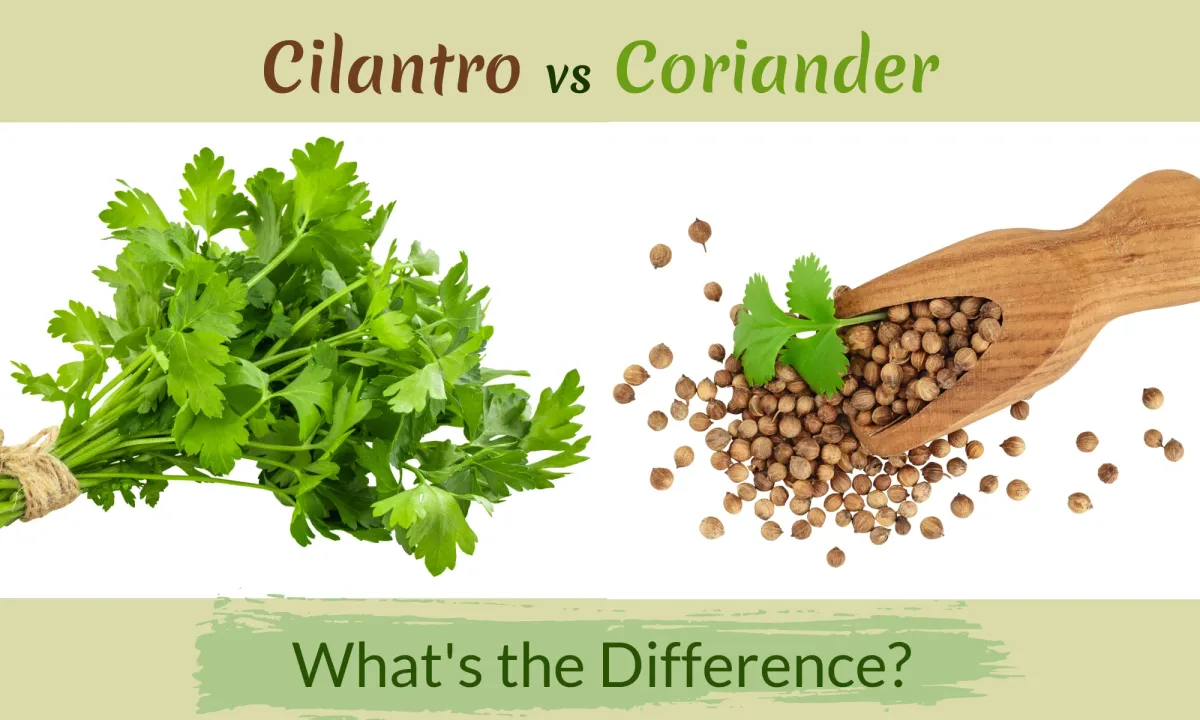
Image source: Web (Bing) / fity.club (Web image (fair-use with source credit))
If you want a steady supply of fresh leaves, you'll cut the plant down before it flowers. That means no coriander seeds, at least not from that batch. If you want seeds for cooking or replanting, you let the plant grow tall, flower, and dry out.
That sacrifices the leaf harvest in that plant's final weeks.
The good news? You can do both if you dedicate separate plants. Many gardeners sow one patch for leaves and one patch for seeds.
The leaf patch gets trimmed often, keeping it in vegetative mode. The seed patch gets left alone, even after it bolts.
Here's the tradeoff in a nutshell:
- Leaf focus: Harvest at 6, 8 weeks, replant every 2 weeks, never let flowers form.
- Seed focus: Wait 90, 120 days, let plants flower, then collect the dried seed heads.
- Both: Plant twice as much, harvest leaves from half, let the other half go to seed.
Coriander seeds are ready when they turn brown and the seed heads start to crumble. Cut them, hang them in a paper bag, and shake out the seeds. Store them in a jar and you've got spice for months.
Your Workflow Based on Climate + Goal (Step-by-Step for Each Branch)
Let's match your situation to a specific plan. Pick the branch that fits you, and follow the steps directly.
Branch 1: Cool climate, leaf-focused (zones 2, 6)
- Sow seeds directly outdoors 2 to 4 weeks before your last expected frost.
- Plant them ¼ inch deep, 2 inches apart, in rows 6 inches apart.
- Water gently and keep the soil evenly moist.
- Thin to 4 inches apart once seedlings reach 2 inches tall.
- Harvest outer leaves starting at week 6.
- Resow every 2 weeks through late spring, then pause for summer heat.
Branch 2: Hot climate, leaf-focused (zones 7, 10)
- Wait until soil temps drop below 75°F (24°C) in early fall.
- Choose a slow-bolt variety like 'Santo' or 'Calypso'.
- Plant in partial shade, or use shade cloth for 40% sun blockage.
- Mulch heavily to keep soil cool and retain moisture.
- Harvest leaves quickly, before the first heat spike in spring.
Branch 3: Seed-focused (any climate)
- Plant in full sun in spring, after the last frost.
- Space plants 6 inches apart so they can branch out.
- Water consistently, but reduce water once flower stalks appear.
- Let the umbels (seed clusters) turn brown.
- Cut the whole stem and dry it upside down in a paper bag.
For a quick visual check, here's the decision matrix:
| Your situation | Best move | Timing |
|---|---|---|
| Cool, want leaves | Direct sow in spring/fall | Soil at 55°F (13°C) |
| Hot, want leaves | Fall sowing, shade | Soil below 75°F (24°C) |
| Any climate, want seeds | Spring sowing, full sun | After last frost |
Succession Planting: The Only Way to Steady Harvests
Cilantro doesn't regrow from the same stem after a full harvest. That's why a single sowing gives you one or two cuts, then it declines. Succession planting fixes that by putting a new batch in the ground every few weeks.
You get a rolling supply instead of a single glut.
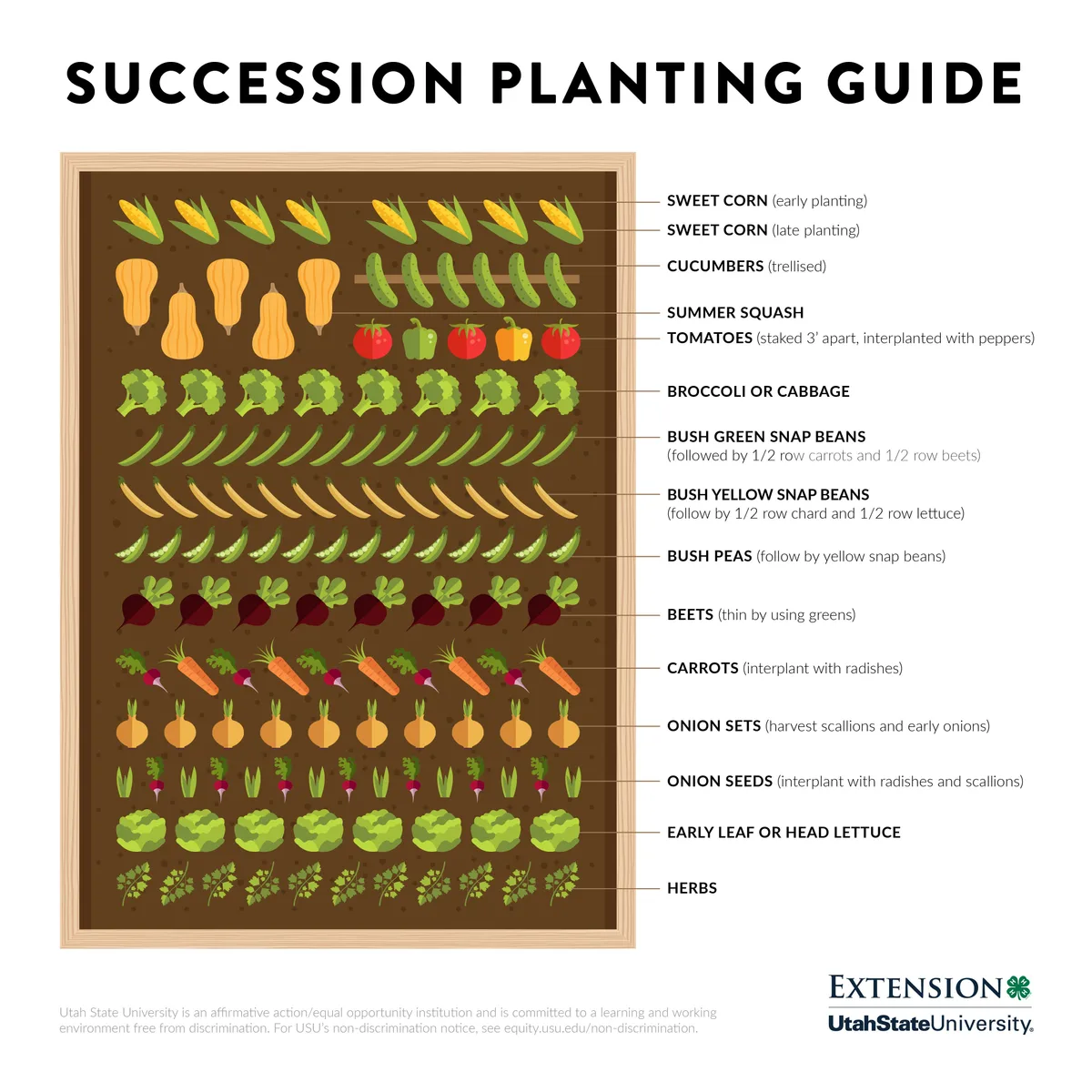
Image source: Web (Bing) / storage.googleapis.com (Web image (fair-use with source credit))
Here's the classic schedule for a cool-season window of 12 weeks:
- Week 0: Sow first batch.
- Week 2: Sow second batch.
- Week 4: Sow third batch.
- Week 6: Harvest batch 1, sow fourth batch.
- Week 8: Harvest batch 2, sow fifth batch.
- Week 10: Harvest batch 3.
Each batch lasts about 3 harvests with the cut-and-come-again method. That's where you snip the outer leaves at ground level, leaving the central growing point intact. The plant rebounds with new leaves from the center.
Once the stalk stretches and flowers appear, that plant is done, so pull it and replace it with a new seedling.
In practice, most gardeners don't need more than three batches at once. A 2-foot by 2-foot bed holding six plants per batch gives you a handful of cilantro every week. For container growers, just rotate pots as you reseed.
Keep the soil surface moist during germination, since dry soil is the number one reason seeds fail to sprout. With a steady cycle, you'll never run out of fresh cilantro for salsas, curries, or garnishes.
5 Mistakes That Make Cilantro Bolt Overnight
1. Sowing Too Late in Spring
If soil temperature climbs above 75°F (24°C), germination drops fast. And once heat arrives, the plants bolt before you get a single good harvest. Sow as soon as the soil is workable in early spring.
2. Overcrowding the Seedlings
Crowded plants compete for water and light. That stress triggers early flowering. Thin seedlings to 2, 4 inches apart so each plant has room to grow.
3. Letting the Soil Dry Out
Cilantro needs consistent moisture. One missed watering during a heat wave can signal the plant to bolt. Mulch around the base and water whenever the top inch of soil is dry.
4. Harvesting Too Little, Too Late
If you only snip a leaf here and there, the plant keeps pushing toward seed. Instead, cut a third of the outer leaves at each harvest. That keeps the plant producing new growth instead of flowers.
5. Choosing the Wrong Variety for Your Climate
Standard cilantro bolts quickly in warm zones. Slow-bolt cultivars like 'Santo' or 'Calypso' give you extra weeks of leaves. Seed catalogs list them as bolt-resistant, so pick those for hot regions.
Frequently Asked Questions
How much sun does cilantro need?
Cilantro prefers 4, 6 hours of direct morning sun with afternoon shade in warm climates. In cool climates, full sun works fine. Too much intense heat triggers bolting.
Can I grow cilantro indoors?
Yes, you can grow cilantro indoors under grow lights. Use a pot at least 8 inches deep, keep the soil below 75°F (24°C), and provide 12, 14 hours of light daily. One plant will thrive but plan for small harvests.
How long does cilantro take to grow?
Cilantro leaves are ready to harvest in 40, 55 days from seed. Seeds for coriander take 90, 120 days. You can also cut microgreens in as little as 3 weeks.
Do you cut cilantro or pull it up?
Cut the outer leaves at soil level and leave the central growing tip intact. That gives you three or four harvests from one plant. Pull the plant only once it bolts.
Why is my cilantro flowering so fast?
Heat above 85°F (30°C), long daylight hours, or dry soil all trigger flowering. Those are the plant's survival signals. Grow cilantro in cooler seasons, provide afternoon shade, and keep the soil evenly moist to delay it.