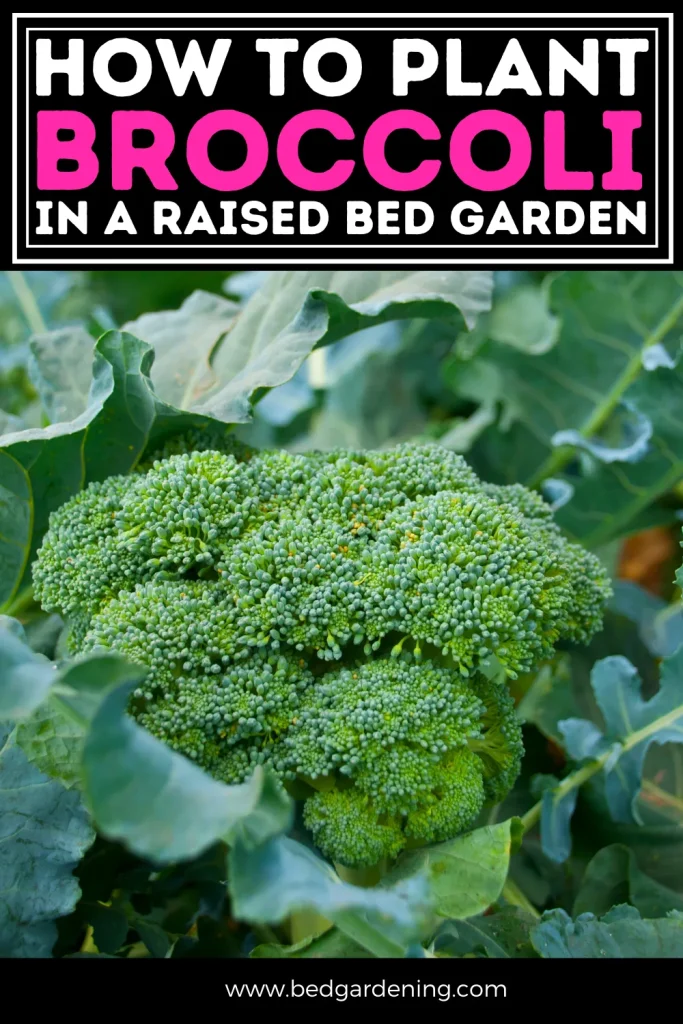
If you've spent weeks babying a broccoli plant only to watch it bolt into a skinny, bitter stalk, you're not alone. The problem with growing broccoli is that most of the advice out there assumes you have perfect cool weather, no pest pressure, and the patience of a saint. In reality, broccoli rewards gardeners who understand its timing, climate, and a few key decision points.
Gardeners who treat all varieties the same way often end up with button-sized heads or a jungle of yellow flowers. In our research across USDA zone guides and university extension resources, the single biggest mistake is planting too late in spring or too early in fall. Get the window wrong, and nothing else matters.
Let's walk through what actually works.
Quick Answer
Broccoli is a cool-season crop that needs 60, 70°F days. Plant in early spring or late summer. Use transplants for a head start or seeds for fall crops.
Space plants 18 inches apart. Water deeply. Harvest heads while buds are tight.
Side shoots follow.

Image source: Web (Bing) / pinterest.com (Web image (fair-use with source credit))
Why Your Broccoli Keeps Bolting, Buttoning, or Just Giving Up
If you've ever pulled up a broccoli plant with a head the size of a golf ball, you've experienced buttoning. Buttoning happens when young plants get stressed by cold, heat, or drought before they're big enough to form a decent head. The plant says "I'm dying, better reproduce now" and makes a tiny head that never expands.
Bolting is the other heartbreaker. That's when your plant sends up a flower stalk and the head opens into yellow blossoms. It usually happens when temperatures spike above 80°F for several days.
Once broccoli bolts, the flavor turns sharp and bitter. You can still eat the stems, but the head is toast.
What's the fix for both? Timing. You need to match the plant's growth to the cool part of your season.
Broccoli needs about four to six weeks of temperatures below 75°F after transplanting to form a good head. If you plant too late in spring, heat arrives before the head is ready. If you plant too early in fall, the heat of late summer stresses young transplants.
The other hidden cause is inconsistent watering. Broccoli is a heavy drinker. If the soil dries out and then floods, the plant panics.
In our review of extension guides, the recommendation is consistent: 1 to 1.5 inches of water per week, and never let the top inch of soil dry out completely during head formation. Mulch helps enormously.
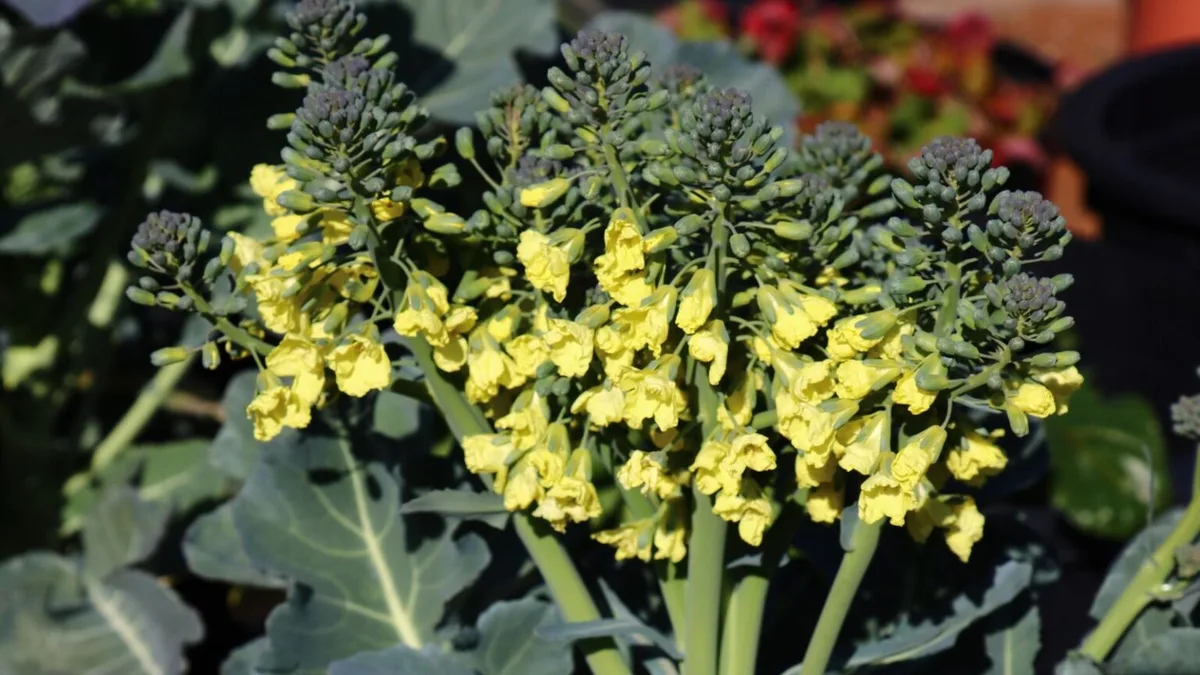
Image source: Bing (Web (fair-use with source credit))
Spring or Fall: The Timing Decision That Changes Everything
Here's the fork in the road. You can grow broccoli in spring, fall, or both. But you can't grow it through a hot summer unless you live in a coastal or high-altitude area.
Let's look at each option.
Spring broccoli: Start seeds indoors 6 to 8 weeks before your last frost date. Harden off seedlings and transplant them 2 to 3 weeks before that last frost. Your goal is to get the plants big enough to form heads before daytime highs regularly hit 80°F.
For most of the US, that means the harvest window is May to early June. The downside? Spring weather is unpredictable.
A late frost can kill transplants, and a sudden heatwave can ruin a crop that's almost ready.
Fall broccoli: This is the safer bet for many gardeners. You plant in mid-to-late summer so the broccoli matures during the cooling days of autumn. The secret is to count backward from your first fall frost date.
Most varieties need 60 to 80 days from transplant. So if your first frost is October 15, transplant in early August. Seeds can be direct-sown in July.
Fall broccoli often tastes sweeter because the cooler weather concentrates sugars.
How do you decide? If your summers are mild (July highs below 80°F), you can plant both. If you live where summers cook, skip spring and focus on fall.
In zones 7, 9, broccoli is a winter crop, plant in September for harvest in December through February.
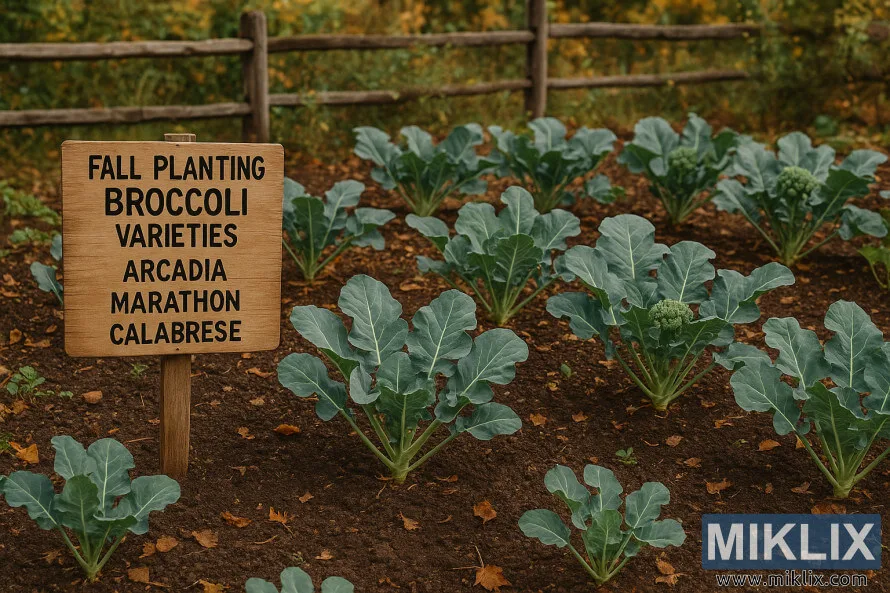
Image source: Bing (Web (fair-use with source credit))
Seeds or Transplants: Which Route Is Right for You
Seeds are cheaper. A $3 packet of seeds holds enough for dozens of plants. Transplants from a nursery cost $3 to $5 each.
But seeds take longer and need more attention.
Use transplants if you have a short spring window. They give you a 3-to-4-week head start. If your spring heats up fast, every day counts.
Transplants are also easier if you struggle with damping off (a fungal disease that kills seedlings) or if you don't have indoor seed-starting space.
Use seeds if you're planting in fall. Summer soil is warm enough for direct seeding, and you avoid the hassle of indoor lights and hardening off. Seeds also let you choose from a wider variety of cultivars.
Nurseries only sell a handful of popular hybrids.
One condition: if you start seeds indoors, you must give them strong light. A sunny window usually isn't enough. Use a grow light or a south-facing window with supplemental light.
Otherwise, you'll get leggy seedlings that flop over and struggle to recover.
If you buy transplants, look for thick stems, dark green leaves, and no roots circling the bottom of the pot. Avoid tall, pale, stretched plants. They will struggle.
Pick the Best Broccoli Variety for Your Garden
Not all broccoli is the same. The variety you choose affects head size, side shoot production, and how well it handles heat or cold. Here's a quick table of popular types and what they're good for.
| Variety | Days to Maturity | Best For | Notes |
|---|---|---|---|
| Calabrese | 60–70 days | Home gardens, side shoots | Classic supermarket type; produces large main head then side shoots |
| Belstar | 65–75 days | Heat tolerance | Hybrid, good for late spring, resists bolting better than most |
| Waltham 29 | 75–85 days | Fall harvest | Heavy yield, cold tolerant until hard freeze |
| De Cicco | 50–65 days | Early harvest, side shoots | Heirloom; small main head but excellent side shoots for weeks |
| Purple Sprouting | 180–240 days | Overwintering | Planted in fall, harvested in early spring; tender purple heads |
If you're a beginner, go with a hybrid like Belstar or Calabrese. They're forgiving. If you want a steady supply of side shoots after the main head, De Cicco or Waltham 29 are great picks.
For us in colder zones, overwintering purple sprouting broccoli is a game changer, you plant in August and harvest in March.
The Complete Growing Workflow From Soil to Harvest
Here's the step-by-step process that works for both spring and fall plantings. Follow this and you'll dodge most problems.
Test and amend your soil. Broccoli needs a pH between 6.0 and 7.0. Our research shows that adding 2 to 3 inches of compost before planting increases yields by 20 percent. If you have heavy clay, work in organic matter to improve drainage.
Prepare the bed. Broccoli needs full sun (6+ hours a day). Plant in raised beds if your soil is poor. Space plants 18 inches apart with 24 to 36 inches between rows. Closer spacing works if you want smaller heads.
Transplant or direct-sow. For transplants, dig a hole deep enough to bury the stem up to the first set of leaves. That encourages more root growth. Water immediately after transplanting.
Water consistently. Provide 1 to 1.5 inches of water per week. Drip irrigation is best because it keeps leaves dry and reduces fungal disease. During hot spells, check soil moisture daily.
Side-dress with nitrogen. Three to four weeks after transplanting, apply a balanced fertilizer or fish emulsion. Broccoli is a heavy feeder, and nitrogen deficiency shows as yellowing lower leaves.
Mulch. A layer of straw or shredded leaves around the base keeps soil cool, retains moisture, and blocks weeds.
Monitor for pests. Check undersides of leaves weekly. Cabbage worms and aphids are the main enemies. Handpick or use Bt (Bacillus thuringiensis) for caterpillars. Neem oil works for aphids.
Harvest the main head. Cut the head with 4 to 6 inches of stem when the buds are tight and dark green. Don't wait until they start to separate or turn yellow. After cutting, leave the plant in place, side shoots will sprout from the leaf axils.
Harvest side shoots. Keep watering and fertilizing. You'll get smaller heads for 3 to 6 more weeks.
Follow the USDA Plant Hardiness Zone Map to nail your planting dates. That one resource is worth more than any garden hack.
7 Mistakes That'll Wreck Your Broccoli (Even If You Do Everything Else Right)
You can nail the timing, choose the perfect variety, and water like a pro. But these small missteps will still sabotage your harvest.
Mistake 1: Planting too shallow. Broccoli roots need depth. If you set transplants or seeds too close to the surface, the plant sits on top of dry soil. Bury transplants up to the first true leaves.
That buried stem grows new roots.
Mistake 2: Ignoring soil pH. Broccoli is picky. A pH below 6.0 locks up nutrients, especially boron. Without boron, stems crack and heads hollow out.
Test your soil a month before planting. Add lime if needed.
Mistake 3: Overcrowding. Crowded plants compete for light and water. Heads stay small. Airflow drops, inviting fungal disease.
Stick to 18-inch spacing minimum. Thinner plants produce bigger heads.
Mistake 4: Letting weeds win. Weeds steal moisture and nutrients fast. Broccoli's shallow roots can't compete. Mulch or hand-pull every week until the canopy shades the soil.
Mistake 5: Harvesting too late. The head looks perfect one day. Two days later, the buds loosen and separate. That's the point of no return.
Cut early in the morning while heads are tight.
Mistake 6: Cutting the stem too high. Leave more stem than you think you need. A 4 to 6 inch stem gives you extra edible material. It also helps the plant produce bigger side shoots.
Mistake 7: Giving up after the main head. The plant keeps producing. Side shoots will come for weeks if you keep watering and fertilizing. Don't yank the plant until it sends up flowers.
Frequently Asked Questions
How much water does broccoli need each week?
Broccoli needs 1 to 1.5 inches of water per week. This includes rainfall. During hot weather, increase to 2 inches.
Consistent watering prevents stress and helps heads form fully.
Can I grow broccoli in containers?
Yes. Use a container at least 12 inches deep and 12 inches wide per plant. Choose a compact variety like De Cicco.
Keep the soil consistently moist. Containers dry out faster than garden beds.
Why are my broccoli leaves turning yellow?
Yellow leaves on the bottom of the plant usually mean nitrogen deficiency. Apply a balanced fertilizer or fish emulsion. If yellowing spreads to the top, check for overwatering or root rot.
How do I know when to harvest the main head?
Harvest when the head is dark green, tight, and about 4 to 7 inches across. The buds should be densely packed with no gaps. If you see yellow petals, you waited too long.
What is the best way to store harvested broccoli?
Rinse and dry the heads. Store them in a plastic bag in the refrigerator. They stay fresh for 5 to 7 days.
For longer storage, blanch and freeze within 4 hours of harvest.
Will broccoli grow back after cutting the main head?
Yes. Most varieties produce side shoots from leaf axils after the main head is cut. Keep watering and fertilizing.
You'll get smaller secondary heads for several more weeks.