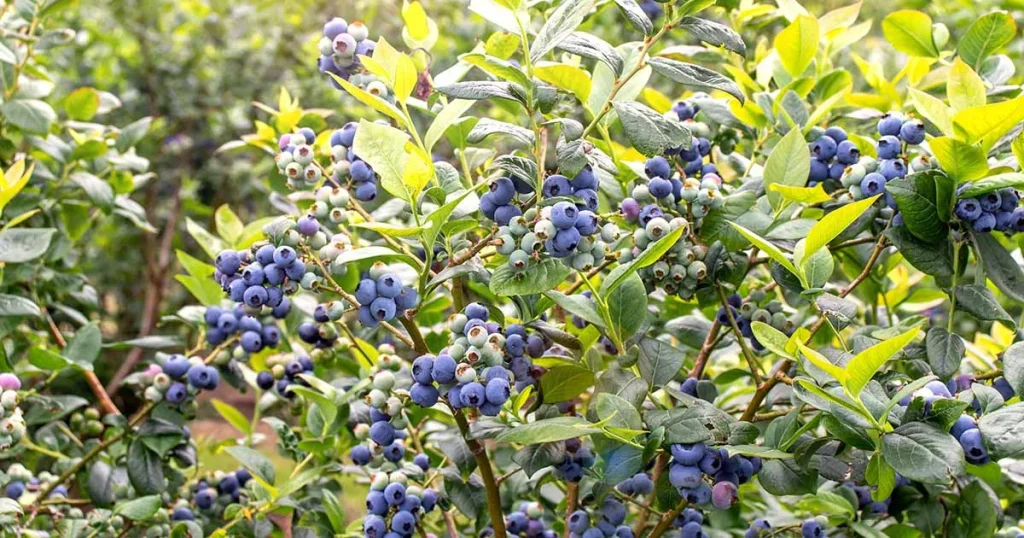
Growing blueberries sounds simple enough. Plant a bush, water it, pick berries. But if you've ever tried it, you know the reality is different.
The bushes survive, but they just sit there. Or worse, they turn yellow and never produce anything worth picking. The difference between a thriving blueberry patch and a frustrating failure almost always comes down to two things you do before you ever put a shovel in the ground.
Chill hours and soil pH. These two numbers determine whether your blueberry bushes will spend the next twenty years pumping out fruit or slowly starving to death in your backyard. Per the USDA Agricultural Research Service, the wrong variety for your climate zone is the single most common reason blueberry plantings fail.
Let's break down what you need to know before you buy your first bush.
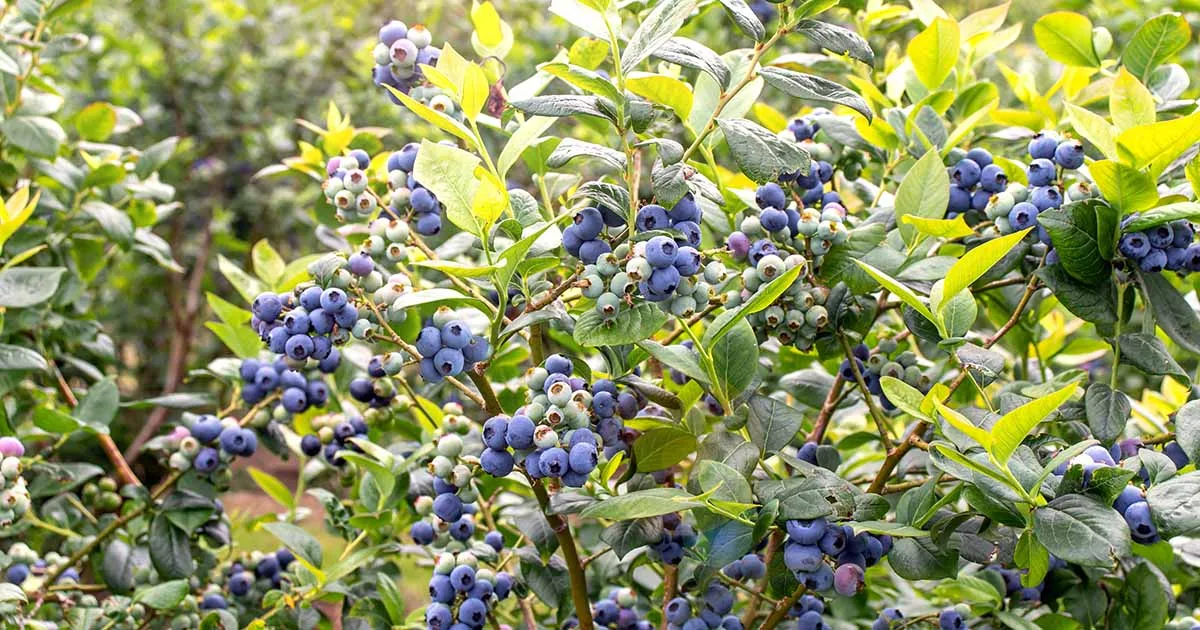
Image source: Bing (Web (fair-use with source credit))
Quick Answer
Start with a soil pH test. Your soil needs to read between 4.5 and 5.5. Pick a blueberry type matched to your climate's chill hours.
Plant in full sun with good drainage. Water deeply and consistently. Mulch with pine bark or peat moss.
Prune in late winter. Expect berries by year three.
Why Blueberry Bushes Die Before You Even Get Berries
Most blueberry failure stories follow the same pattern. Someone buys a plant from a garden center, digs a hole, and hopes for the best. The bush survives the first season but never really takes off.
By year two, the leaves are pale yellow between the veins. The plant produces a handful of tiny, sour berries. Then it slowly declines until the owner gives up and digs it out.
The cause is almost never pests or disease. It's almost always a mismatch between the plant's needs and the growing conditions you gave it.
Blueberries evolved as understory plants in acidic, sandy, peat-based soils. They have a shallow, fibrous root system with no root hairs. That means they can't reach deep for water or nutrients the way a tomato plant can.
They depend entirely on the top few inches of soil being right. If the pH is off by half a point, the plant can't access iron. If the soil dries out for three days straight, the fine roots die back.
If you plant a northern highbush variety in a zone that only gets 300 chill hours, the buds never break dormancy properly.
Here's the good news. None of these problems are hard to fix. You just need to know which decision fork applies to you.
That is what this guide covers.
Decision 1: Pick the Right Blueberry Type for Your Chill Hours
Your first and most important decision has nothing to do with soil. It is choosing the right species for your climate. Blueberries are not interchangeable.
A variety that thrives in Michigan will struggle in Georgia and vice versa.
The key number is chill hours. That is the cumulative time the temperature stays between 32°F and 45°F during winter. Blueberry bushes need a certain amount of cold exposure to break dormancy and set fruit buds.
Too few chill hours and the plant wakes up late, blooms erratically, and yields poorly. Too many is rarely an issue because northern varieties handle cold fine.
| Blueberry Type | Chill Hours Required | Best For | Mature Height |
|---|---|---|---|
| Northern Highbush | 800–1000+ | Zones 4–7, colder winters | 5–8 feet |
| Southern Highbush | 150–600 | Zones 7–10, mild winters | 4–6 feet |
| Rabbiteye | 350–700 | Zones 7–9, hot summers | 6–10 feet |
| Lowbush | 1000+ | Zones 3–6, extreme cold | 1–2 feet |
| Half-High | 800–1000 | Zones 3–5, snow cover areas | 3–4 feet |
Highbush: The Standard for Most Backyards
Northern highbush is what most people picture when they think of blueberries. These are the large, sweet berries you find in grocery stores. Varieties like 'Bluecrop', 'Duke', and 'Elliott' are reliable producers across most of the northern US.
They need consistent chill hours and prefer cooler summers.
Rabbiteye: The Choice for Southern Heat
If you live in the Southeast, rabbiteye is your best bet. These plants tolerate heat and humidity that would kill a highbush. 'Tifblue', 'Powderblue', and 'Brightwell' are solid choices.
One catch. Rabbiteye varieties are not fully self-fertile. You need at least two different varieties that bloom at the same time to get good pollination.
Lowbush and Half-High: Built for Cold Zones
Lowbush blueberries are the wild ones that grow in fields and along roadsides in Maine and Canada. They spread by underground runners and stay low to the ground. Half-high varieties were bred by crossing highbush with lowbush.
They stay compact and survive harsh winters with snow cover. 'Northblue' and 'Northland' are good options for cold climates.
Container Dwarf Varieties: The Small-Space Option
If you only have a patio or balcony, look for dwarf varieties bred for pots. 'Top Hat' and 'Sunshine Blue' stay under three feet tall. They still need the same soil acidity and chill hours as full-size plants.
Container growing actually makes the pH control easier because you control the potting mix completely.
Decision 2: Fix Your Soil pH or Skip It with Raised Beds and Containers
This is where most people get tripped up. Blueberries need soil pH between 4.5 and 5.5. That's acidic.
Most garden soil in the US sits between 6.0 and 7.5. The difference between 6.5 and 5.0 is a hundred times more acidity on the pH scale. You can't just sprinkle some coffee grounds and hope.
Reading Your Soil Test: What the Numbers Mean
You need a real soil test before you plant anything. A home test kit works fine for pH. But a lab test from your state cooperative extension gives you the full picture: pH, organic matter, and nutrient levels.
If your soil tests between 5.0 and 6.0, you can lower it to the target range with elemental sulfur. Plan six to twelve months ahead. Sulfur works slowly because soil bacteria need to convert it into sulfuric acid.
It takes about 0.5 to 1 pound of sulfur per 100 square feet to lower pH by one full point on sandy soil. Double that for clay.
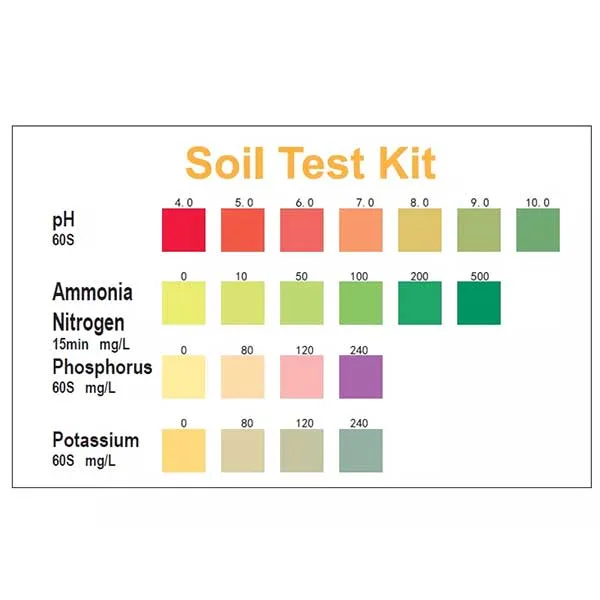
Image source: Web (Bing) / storage.googleapis.com (Web image (fair-use with source credit))
If your soil tests above 6.5, lowering it enough for blueberries is a serious project. You will need large amounts of sulfur and peat moss, repeated applications, and regular retesting. In our research, most home gardeners in this situation get better results by switching to raised beds or containers where they control the entire soil mix.
Amending In-Ground Soil with Sulfur and Peat Moss
The standard approach for in-ground planting is to dig a hole wider than it is deep. Mix the native soil with equal parts sphagnum peat moss. Peat moss has a natural pH around 3.5 to 4.5, which helps acidify the root zone.
Add elemental sulfur according to your soil test results.
Work the amendments into the top 8 to 10 inches of soil. Blueberry roots stay shallow. There is no point amending deeper than that.
The Zero-Till Container Route: When It Makes Sense
Here's a shortcut that works well for many people. Skip the in-ground battle entirely. Plant blueberries in large containers or raised beds filled with an acid-loving plant mix.
Use a blend of peat moss, pine bark fines, and perlite. You get instant pH control and perfect drainage.
The trade-off is that containers dry out faster and need more frequent watering. And in cold climates, container roots are more exposed to winter freezing. But for small spaces or terrible soil, this route removes the biggest headache.
Planting Blueberries: Step-by-Step from Soil Test to First Water
Once you have the right variety and the soil is ready, planting is straightforward. The details matter more than you might think.
Choosing Between Bare-Root and Potted Plants
Bare-root plants are cheaper and available in early spring. They need to go in the ground while still dormant. Soak the roots in water for one to two hours before planting.
Potted plants are more expensive but can go in any time during the growing season, as long as you water them well.
Digging the Hole, Amending the Backfill, and Setting the Crown
Dig a hole about 18 to 20 inches wide and 10 to 12 inches deep. Make it wider than the root ball. Blueberry roots spread outward, not deep.
Mix the soil you removed with equal parts peat moss.
Set the plant at the same depth it was growing in the nursery pot. The crown, where the roots meet the stems, should be just above the soil line. Burying the crown is a common mistake that leads to rot.
Backfill gently and water thoroughly to settle the soil around the roots. Do not press down hard. You want air pockets to drain, not compacted mud.
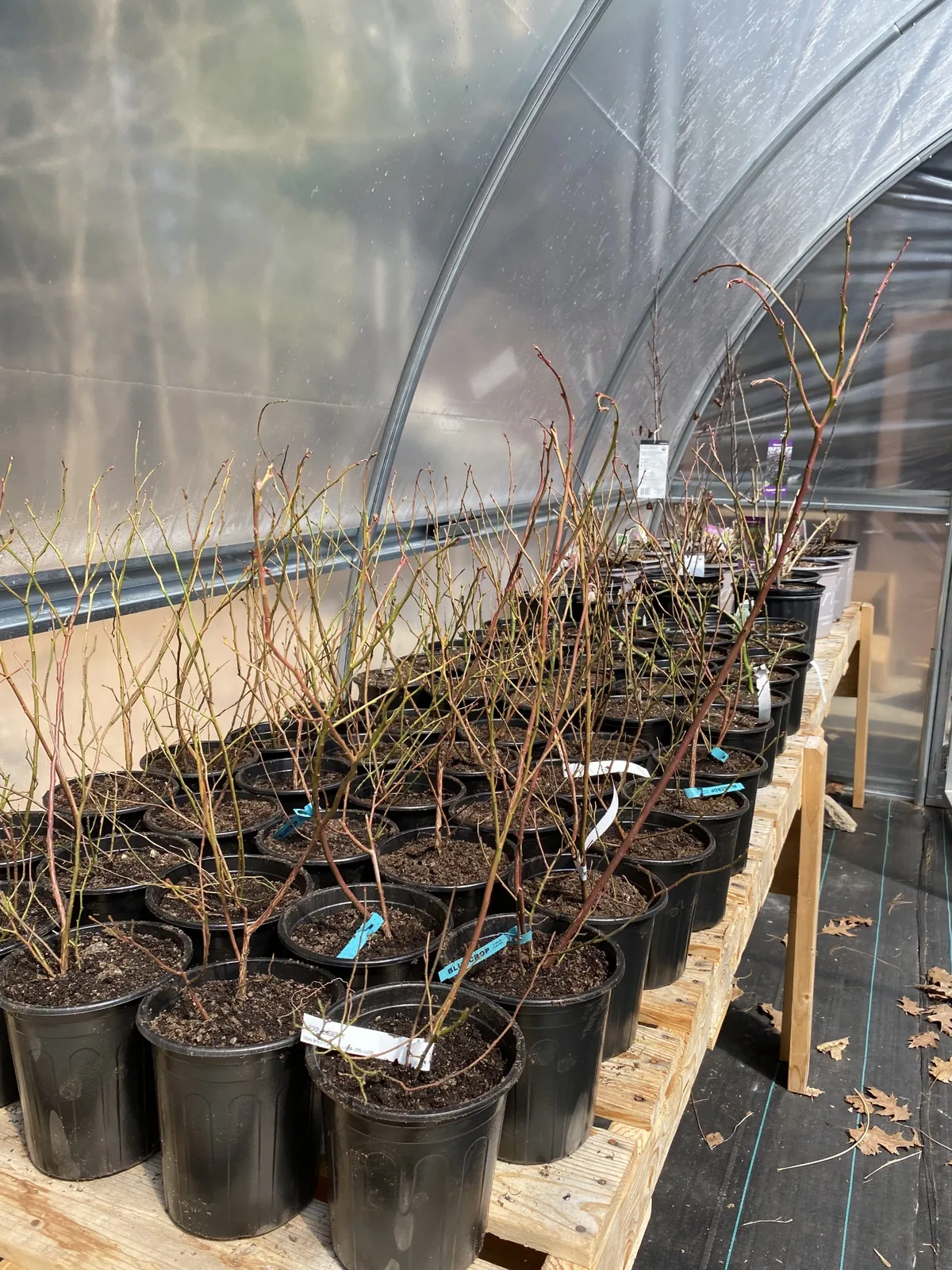
Image source: Bing (Web (fair-use with source credit))
The Right Mulch and First-Week Watering Plan
Apply a 2 to 4 inch layer of mulch immediately after planting. Pine bark nuggets, pine straw, or peat moss all work well. These materials are naturally acidic and help maintain the low pH.
Keep the mulch a few inches away from the main stem to prevent rot.
Water deeply every other day for the first week. Then taper to two to three times per week for the first month. Blueberries need about 1 to 2 inches of water per week during the growing season.
A soaker hose or drip irrigation is ideal because it keeps the shallow root zone consistently moist without wetting the leaves.
The First Three Years: Watering, Mulching, and Pruning the Right Way
The first three years are about building a strong root system and a productive framework of canes. Your goal is not maximum berry production. It is plant health.
Year 1: Establishing Roots and Removing Early Fruit
In the first year, your blueberry bush needs to put all its energy into root growth. Letting it fruit in year one stunts the plant for years. When you see flower buds forming, pinch them off.
This is hard to do when you are excited for berries. But it is the single best thing you can do for long-term production.
Keep the mulch layer topped up. Pull any weeds that pop through. Weeds compete for water and nutrients in the shallow root zone.
Year 2–3: Shaping the Bush for Future Yield
By year two, you can let some fruit develop. But keep the pruning focus on structure. In late winter while the plant is still dormant, remove any dead, diseased, or crossing branches.
Leave 5 to 7 strong healthy canes.
In year three, you can allow a full crop. The plant should be established enough to handle it. A well-cared-for blueberry bush in its fourth year can yield 5 to 10 pounds of fruit.
The Seasonal Fertilizing Schedule and When to Stop
Blueberries are light feeders compared to vegetables. Over-fertilizing, especially with nitrogen, can burn the shallow roots.
Apply a fertilizer formulated for acid-loving plants in early spring, just before new growth starts. Look for products with ammonium sulfate as the nitrogen source. Avoid nitrate-based fertilizers.
Blueberries cannot use nitrate nitrogen efficiently.
Do not fertilize after midsummer. Late growth pushes tender new shoots that winter frost will kill. One application per year in early spring is sufficient for established bushes.
Blueberry Mistakes That Are Easy to Make and Hard to Undo
Even experienced gardeners make these errors. The good news is that they are all avoidable once you know what to watch for.
Over-Pruning and Under-Pruning (Both Steal Berries)
Blueberries produce fruit on one-year-old wood. That means the canes that grew last summer will bear this season. Cut them off and you lose the whole crop.
Over-pruning is common for new growers who want to "clean up" the bush. The result is a beautiful, compact plant with almost no berries. Under-pruning is just as bad.
Dense, unpruned bushes develop poor air circulation. Diseases like mummy berry and botrytis thrive in the shade and moisture.
The right approach is selective. Each winter, remove only the oldest, thickest canes that are six years or older. Those are the ones with declining production.
Leave the younger, smooth-barked canes. Aim to keep 6 to 8 healthy canes per mature bush.
Fertilizing Late and Waking Up to Dead Wood
Nitrogen pushes tender new growth. If you fertilize in late summer or early fall, that growth has no time to harden off before frost. The tips die back.
The whole plant enters winter weakened and stressed.
Stick to one early spring application. If you use a slow-release acid-loving plant food, that single dose carries the bush through the whole season. No second feeding.
Skipping Bird Netting at Peak Ripening
Birds can strip a mature blueberry bush in two days. They seem to know exactly when the berries hit peak sweetness. You will watch your entire crop disappear if you do not protect it.
Netting is not optional. Drape it over the bush after the flowers are pollinated and the green berries start to swell. Use a lightweight bird netting with half-inch mesh.
Secure the edges to the ground with rocks or garden staples. Birds will find any gap.
Letting the pH Drift Back to Alkaline
Soil pH does not stay low forever. Irrigation water, rainfall, and decomposing mulch all push pH back up over time. A soil test every two years is your early warning system.
If the pH climbs above 5.5, top-dress with elemental sulfur or use an acidifying fertilizer. A thin layer of fresh peat moss each spring also helps maintain the acidic conditions blueberry roots depend on.
Blueberry Growing FAQs
Do you need two blueberry bushes to get fruit?
Most highbush and rabbiteye varieties produce more berries with cross-pollination. Some are labeled self-fertile, but the yield is lower. Planting two different varieties that bloom at the same time is the best practice.
How long does it take for a blueberry bush to produce fruit?
You can expect a small harvest in year three. Full production starts around year six or seven. A mature bush in good conditions yields 10 to 15 pounds of berries per season.
Can you grow blueberries in pots?
Yes. Container growing is actually easier for many people because you control the soil mix. Use a pot at least 18 inches wide and fill it with a peat and pine bark blend.
Dwarf varieties like Top Hat are ideal for containers.
What is the best mulch for blueberries?
Pine bark nuggets, pine straw, and sphagnum peat moss are the top choices. They are naturally acidic and help maintain the low pH blueberries need. Avoid shredded hardwood bark, which decomposes into alkaline compounds.
Why are my blueberry leaves turning yellow?
Yellow leaves with green veins indicate iron deficiency caused by high soil pH. Test your soil immediately. If the pH is above 5.5, apply elemental sulfur or an iron chelate supplement to correct it quickly.
When should you prune blueberry bushes?
Prune in late winter while the plant is still dormant. January through March is ideal for most climates. Pruning during active growth stresses the plant and reduces the next season's fruit.
Final Blueberry Decision Guide
You have all the pieces now. Here is the shortest path to a successful harvest, decision by decision.
Start with your chill hours. Look up your USDA hardiness zone and average winter temperatures online or through your state cooperative extension. Match that number to the blueberry type from the table earlier in this guide.
Test your soil pH. If it falls below 6.0, amend with sulfur and peat moss. If it is above 6.5, skip the in-ground battle and plant in containers or raised beds with an acid mix.
Choose two compatible varieties for better pollination. Plant them in full sun with wide holes and generous spacing. Mulch with pine bark.
Water consistently through the season.
Prune selectively in late winter. Remove wood older than six years. Keep 6 to 8 productive canes.
Net the bushes before the berries turn blue. Re-test your soil pH every two years.
Follow these steps and you will have a blueberry patch that produces for decades. The first few years take patience. But that first bowl of warm, sun-ripened berries from your own bushes makes every bit of effort worth it.