Do you ever wonder if mulching your vegetable garden is really worth the effort? You’re not alone.
Many gardeners ponder over this seemingly small decision that can have a big impact on their garden’s health and productivity. Imagine your garden flourishing with vibrant vegetables, free from weeds, and retaining just the right amount of moisture. Sounds like a dream, right?
The secret ingredient to achieving this could be mulching. We will uncover why mulching might just be the key to a thriving vegetable garden. Keep reading, and you’ll discover how this simple technique can transform your gardening experience and yield results that will make your neighbors green with envy.
Benefits Of Mulching
Mulching a vegetable garden conserves soil moisture and suppresses weeds. It enriches the soil as it decomposes, providing nutrients for plants.
Mulching offers valuable benefits for vegetable gardens. It enhances soil quality, retains moisture, suppresses weeds, and regulates temperature. This simple practice can lead to healthier plants and more abundant harvests. Let’s explore these benefits in detail.Improved Soil Health
Mulching enriches soil over time. Organic mulch decomposes, adding nutrients. It improves soil structure and promotes microbial activity. This leads to stronger plant growth and increased yields.Moisture Retention
Mulch helps soil retain moisture. It reduces evaporation, keeping roots hydrated. This is crucial during hot months, preventing plant stress and dehydration. Less frequent watering is needed, saving time and resources.Weed Suppression
Mulch acts as a barrier against weeds. It blocks sunlight from reaching the soil. This hinders weed germination and growth. Less competition for nutrients and water means healthier vegetables.Temperature Regulation
Mulch stabilizes soil temperature. It keeps soil cooler in summer and warmer in winter. This protects plants from extreme conditions. Consistent temperatures support optimal growth and development.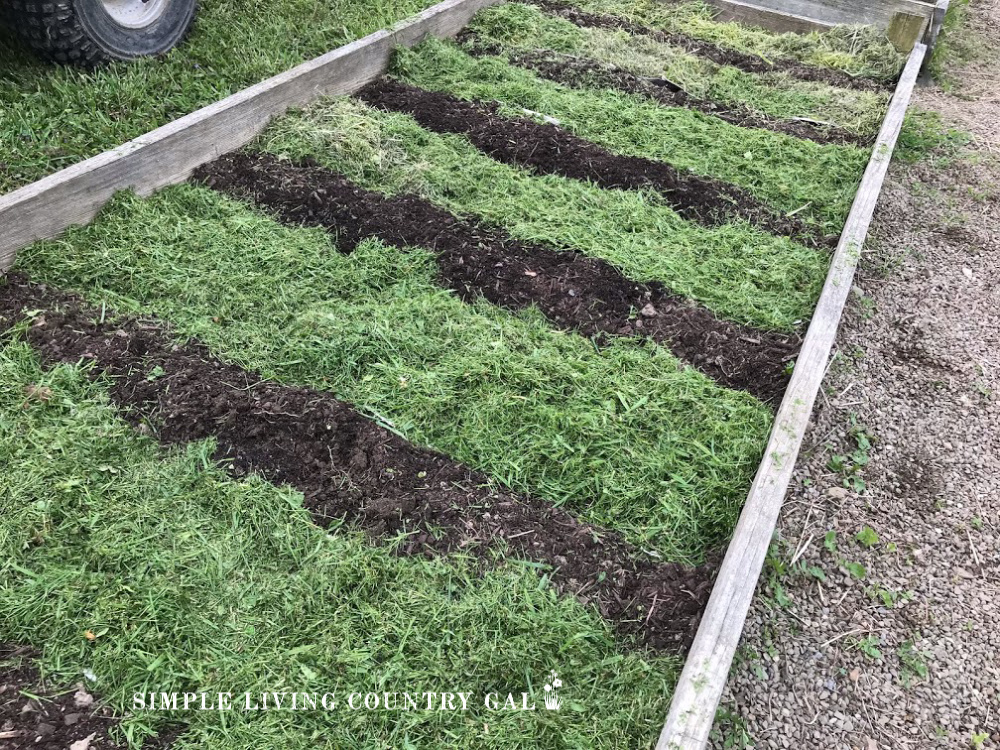
Credit: simplelivingcountrygal.com
Types Of Mulch For Vegetable Gardens
Mulching a vegetable garden offers various benefits. Organic options like straw, grass clippings, and wood chips enrich the soil. Inorganic mulches, such as plastic sheeting, help retain moisture and control weeds. Each type serves a unique purpose, aiding plant growth and enhancing garden health.
Mulching is a vital practice for vegetable gardens. It conserves moisture, suppresses weeds, and enhances soil health. Choosing the right mulch can make a big difference in your garden’s success. Explore the different types of mulch suitable for vegetable gardens.Organic Mulch Options
Organic mulch improves soil fertility as it breaks down. Here are popular choices:- Straw:Straw is lightweight and easy to spread. It decomposes quickly, enriching the soil.
- Grass Clippings:Grass clippings are readily available. They provide nitrogen and help retain soil moisture.
- Compost:Compost adds nutrients and improves soil structure. It’s rich in organic matter.
- Wood Chips:Wood chips provide long-lasting cover. They suppress weeds effectively.
- Leaf Mold:Leaf mold enriches soil and retains moisture. It’s excellent for soil conditioning.
Inorganic Mulch Choices
Inorganic mulch doesn’t decompose but offers other benefits. Consider these options:- Plastic Sheets:Plastic sheets control weeds and conserve moisture. They’re easy to lay down.
- Landscape Fabric:Landscape fabric allows water and air to penetrate. It effectively blocks weeds.
- Gravel:Gravel provides excellent drainage. It’s suitable for paths and non-plant areas.
- Rubber Mulch:Rubber mulch is durable and long-lasting. It’s made from recycled materials.
How To Apply Mulch
Mulching a vegetable garden helps retain moisture and suppress weeds. Spread organic mulch around plants, leaving space near stems for air circulation. Use materials like straw, wood chips, or compost for best results.
Applying mulch to a vegetable garden boosts growth and protects plants. Mulch keeps soil moist, suppresses weeds, and regulates temperature. Follow these simple steps to apply mulch effectively for a thriving garden.Preparation Steps
Before applying mulch, clear the garden of weeds and debris. Ensure the soil is moist but not waterlogged. Gather your chosen mulch material like straw, wood chips, or shredded leaves. Consider the specific needs of your plants and garden layout.Application Techniques
Spread mulch evenly around the base of each plant. Avoid piling mulch directly against stems to prevent rot. Use a rake or hands for a gentle distribution. For large gardens, section off areas and tackle them one by one.Optimal Mulch Depth
Aim for a mulch layer between two and four inches thick. This depth retains moisture and blocks sunlight from reaching weeds. Adjust thickness based on the type of mulch and climate conditions. Regularly check mulch levels and replenish as needed.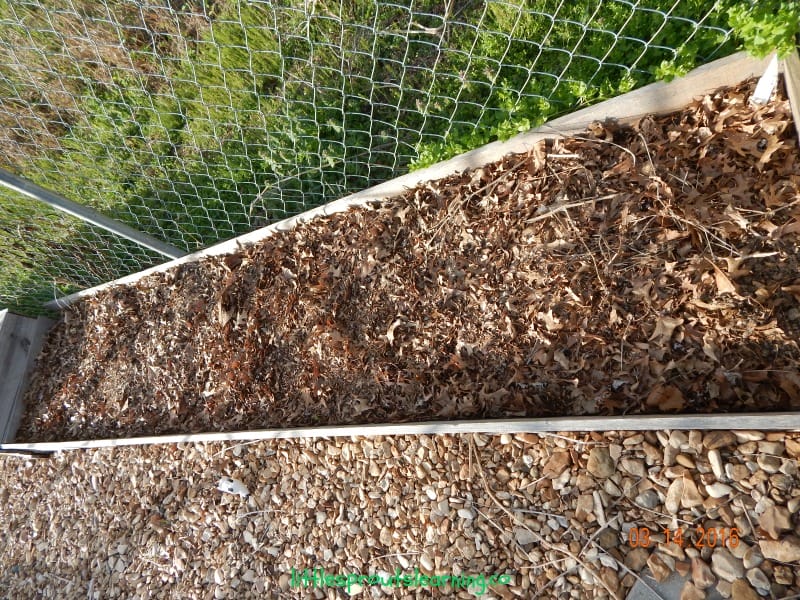
Credit: littlesproutslearning.co
Best Practices For Mulching
Mulching a vegetable garden can enhance growth and health. It conserves moisture, suppresses weeds, and adds nutrients. But to reap these benefits, follow best practices. Understanding the timing, placement, and seasonal needs is crucial.
Timing Considerations
Choose the right time for mulching. Early spring is ideal for most gardens. This helps retain soil moisture before the summer heat. Avoid mulching in late fall. It can invite pests during winter.
Mulching Around Seedlings
Be gentle with young seedlings. Use a light layer of mulch around them. Keep the mulch an inch away from stems. This prevents rot and ensures healthy growth. As plants grow, add more mulch gradually.
Seasonal Adjustments
Adjust your mulch with seasons. In summer, increase the mulch thickness. This protects plants from heat. In winter, a thicker layer insulates roots from frost. During rainy seasons, ensure good drainage to prevent waterlogging.
Common Mulching Mistakes
Avoid piling mulch too high in vegetable gardens. Excess mulch can suffocate plants and hinder growth. Ensure proper aeration by keeping mulch at a moderate depth.
Mulching a vegetable garden can be a game-changer for thriving plants, but common mistakes can turn this gardening practice into a headache. It’s not just about throwing any mulch you have onto the soil. The way you mulch can impact your garden’s health and productivity. Let’s explore some common mulching mistakes that you should avoid to keep your vegetable garden flourishing.Over-mulching Risks
Applying too much mulch can suffocate your plants. When you pile it on thick, it creates a barrier that prevents water and air from reaching the roots. This can lead to root rot and other diseases. You might think more mulch means better weed control, but it can backfire. Excessive mulch can cause the soil to become too wet, creating the perfect environment for fungal growth. Stick to a 2-3 inch layer to allow your plants to breathe and thrive.Mulch And Pest Issues
Mulch can inadvertently invite pests. Some types of mulch, like wood chips, can attract insects such as termites and beetles. These pests may then find their way to your plants. You also want to be cautious with organic mulches that can harbor snails and slugs. If you’ve noticed these pests, consider switching to a different type of mulch like straw or shredded leaves. Regularly check under the mulch for any unwanted guests.Improper Mulch Selection
Not all mulches are created equal. Choosing the wrong type can hinder your garden’s growth. For example, using fresh grass clippings can introduce too much nitrogen, which might harm your plants. Consider the needs of your specific plants when selecting mulch. Some plants prefer acidic mulch like pine needles, while others do better with neutral options like straw. Researching your plant’s preferences can lead to a more fruitful harvest. Are you using the right mulch for your garden? The answer might surprise you and lead to a bountiful season.
Credit: www.facebook.com
Choosing The Right Mulch
Selecting the appropriate mulch for a vegetable garden enhances soil health and conserves moisture. Organic options like straw or wood chips improve nutrients and suppress weeds effectively.
Choosing the right mulch for your vegetable garden is crucial. Mulch helps retain moisture, suppress weeds, and enhance soil health. Selecting the best mulch depends on plant needs, cost, and availability. Each type offers unique benefits. Understanding these can maximize your garden’s success.Matching Mulch To Plant Needs
Different plants require different mulch types. Organic mulch, like straw, suits vegetables needing rich nutrients. It breaks down, enriching the soil. Plastic mulch is ideal for warm-season crops. It retains heat and prevents weed growth. Wood chips work well for perennial vegetables. They last longer and help retain soil moisture. Choose mulch based on plant types to support growth.Evaluating Cost And Availability
Cost and availability influence mulch choice. Straw and hay are affordable options. They are readily available in rural areas. Wood chips can be found at local garden centers. They may be more expensive. Plastic mulch is widely available but can be costlier. Local resources often offer sustainable mulch options. Compare costs and check availability to fit your budget.Environmental Impact Of Mulching
Mulching a vegetable garden conserves moisture, reduces weeds, and enriches the soil. It decreases the need for chemical fertilizers and irrigation. This sustainable practice enhances plant health while minimizing environmental impact.
Mulching in vegetable gardens carries significant environmental benefits. It plays a crucial role in sustainable gardening practices. Mulch helps conserve water, reduce weeds, and protect soil health. Understanding its environmental impact can guide eco-friendly gardening decisions.Sustainability Considerations
Mulching promotes sustainability by reducing water usage. It covers the soil, minimizing evaporation and retaining moisture. This reduces the need for frequent watering. Organic mulches, like straw or wood chips, are biodegradable. They enrich the soil as they decompose. Using local organic materials for mulch reduces transportation emissions. This practice supports a sustainable garden ecosystem.Effect On Soil Biodiversity
Mulching enhances soil biodiversity. It provides a habitat for beneficial organisms. These organisms include earthworms and microorganisms. They play a vital role in soil health. Mulch breaks down over time, adding nutrients to the soil. This process enriches the soil and promotes plant growth. Healthy soil biodiversity ensures a balanced ecosystem. This supports healthy vegetable production.Frequently Asked Questions
What Vegetables Should You Not Mulch?
Avoid mulching around vegetables like potatoes, carrots, and onions. Mulch can retain moisture, leading to rot. Mulching brassicas can encourage pests. Keep mulch away from seedlings to prevent stunted growth. Ensure airflow and sunlight for healthy vegetable growth.
What Vegetables Should Be Mulched?
Mulch tomatoes, peppers, cucumbers, squash, and eggplants to retain moisture and prevent weeds. Leafy greens like lettuce and spinach also benefit from mulching. Use organic mulch like straw or wood chips for best results. Mulching improves soil health and boosts vegetable growth.
What Is A Major Downside To Mulching?
Mulching can retain excess moisture, leading to root rot or fungal growth. It may also attract pests. Ensure proper thickness and material choice to minimize risks. Regular monitoring helps maintain plant health and prevent these issues.
Do Tomatoes Like To Be Mulched?
Yes, tomatoes benefit from mulching. Mulch helps retain soil moisture, regulate temperature, and suppress weeds. Organic mulch, like straw or wood chips, is ideal. It also improves soil quality as it decomposes. Ensure the mulch is spread evenly around the base, avoiding direct contact with the stem.
Conclusion
Mulching a vegetable garden offers many benefits. It conserves moisture, reduces weeds, and improves soil health. With mulch, vegetables grow better and yield more. Choose organic mulch like straw or leaves for best results. Apply mulch evenly around plants for full coverage.
Regularly check and refresh mulch as needed. Enjoy the rewards of a thriving garden. Your vegetables will thank you with fresh, tasty produce. Remember, a little effort goes a long way. Happy gardening!