Are your garden vegetables mysteriously disappearing overnight? You may have a sneaky culprit on your hands—squirrels.
These little critters are more than just cute faces with bushy tails; they can be quite the opportunists when it comes to finding their next meal. If you’ve ever wondered whether squirrels are the ones nibbling away at your hard-earned produce, you’re not alone.
This curiosity might be the first step in solving your garden woes. We’ll explore whether squirrels have a taste for your garden veggies and what you can do about it. Stay with us, and you’ll discover how to protect your plants while keeping peace with nature’s acrobatic tricksters. Your thriving garden is just a few scrolls away!
Squirrel Dietary Habits
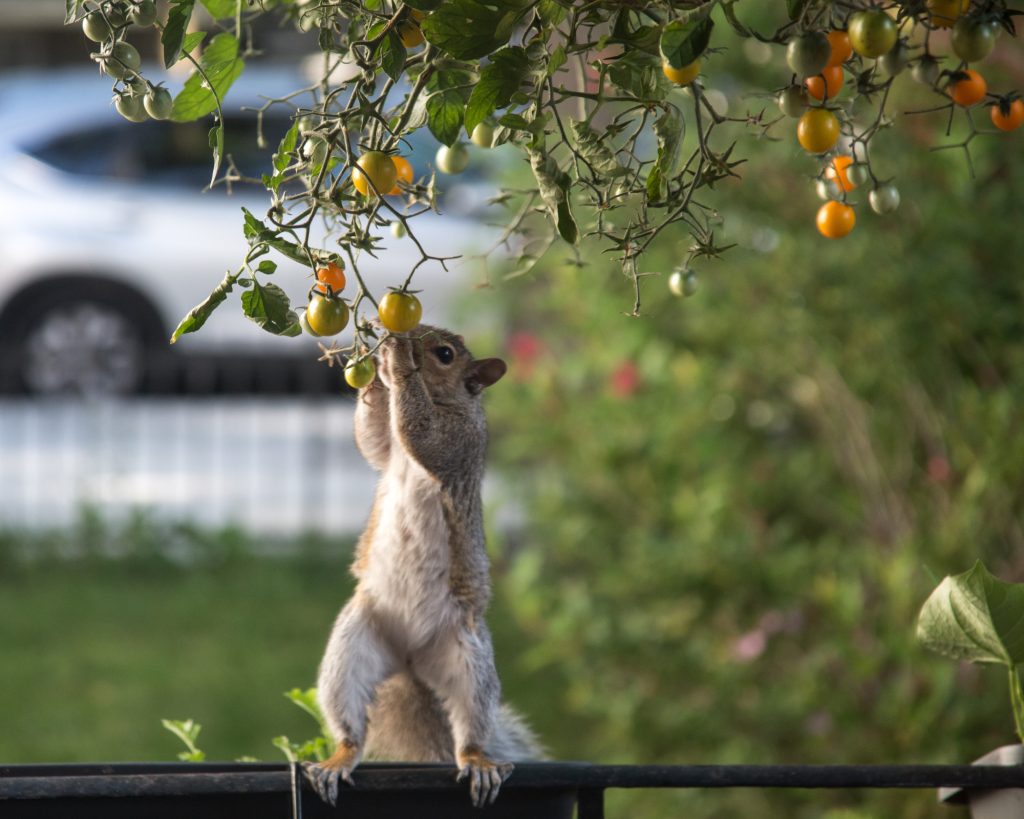
Squirrels often munch on garden vegetables, treating them as a delightful snack. They particularly enjoy nibbling on tomatoes, lettuce, and beans. These curious creatures use their sharp teeth to access the juicy insides, much to the gardener’s dismay.
Squirrels, with their bushy tails and quick movements, often captivate our attention. Their dietary habits vary significantly. Squirrels adapt to their environments. They are opportunistic eaters. This means they eat whatever is available. While they enjoy nuts and seeds, their diet includes much more.Understanding The Squirrel’s Natural Diet
Squirrels primarily feast on nuts. Acorns, walnuts, and pecans are favorites. They also consume seeds and fruits. Berries and apples frequently feature in their diet. Mushrooms and fungi sometimes make their list. This diversity ensures they survive various seasons.Why Squirrels Target Your Garden Vegetables
Garden vegetables attract squirrels when food is scarce. They seek out ripe tomatoes, cucumbers, and corn. These vegetables provide moisture. Squirrels need this during hotter months. The taste of fresh vegetables also lures them. Your garden becomes a buffet.The Role Of Environmental Factors
Weather affects squirrel feeding habits. During dry spells, gardens become vital food sources. Urban areas limit natural food options. Here, squirrels rely more on gardens. They adapt quickly to these changes. Their survival instincts are strong.Adapting To Seasonal Changes
In autumn, squirrels gather nuts. They prepare for winter scarcity. Spring and summer see varied diets. They eat more fruits and vegetables. This variety helps them store energy. Nature ensures their survival through seasons.Impact Of Human Habitation
Urbanization changes squirrel diets. Human food waste becomes accessible. Squirrels raid trash bins for leftovers. Gardens provide more nutritious options. This shift is crucial for their health. Adapting helps them thrive amidst humans.Common Garden Vegetables
Squirrels find garden vegetables like tomatoes, cucumbers, and zucchini quite appetizing. These agile creatures often nibble on tender plants. Protecting your garden with fences or nets can help keep them away.
Gardening is a rewarding hobby, but it often comes with challenges, especially when it comes to protecting your crops from hungry wildlife. Among the most notorious garden intruders are squirrels, who seem to have an insatiable appetite for a variety of vegetables. Understanding which vegetables are most at risk can help you safeguard your garden effectively.Tomatoes
Squirrels are known to nibble on tomatoes, often leaving them half-eaten on the vine. This can be particularly frustrating when you’re eagerly waiting for them to ripen. To deter squirrels, consider using mesh or netting around your tomato plants.Peppers
While not all squirrels are fans of spicy foods, they may still munch on bell peppers. They can be attracted by the moisture content and the smell. Placing hot pepper flakes around your garden can sometimes help keep these critters at bay.Squash
Squirrels often go for the seeds in squash, leaving you with hollowed-out shells. If you notice this happening, it might be time to install some protective fencing. Covering the plants at night can also reduce the risk of damage.Carrots
Root vegetables like carrots are not immune to squirrel invasions. You might find the tops bitten off or partially unearthed carrots. Planting them deeper or using underground fencing can help protect your carrots from becoming squirrel snacks.Lettuce
Lettuce is an easy target for squirrels due to its accessibility and refreshing taste. If you see nibble marks, consider planting your lettuce in raised beds or containers to make it harder for squirrels to reach. Protecting your vegetables from squirrels requires a bit of strategy and sometimes trial and error. Have you tried any unique methods to keep these furry intruders away? Share your tips in the comments!Signs Of Squirrel Activity
Squirrels are adorable, but they can wreak havoc in gardens. Spotting their activity helps protect your vegetables. Observing signs can lead to effective solutions.
Tracks And Footprints
Squirrels leave tiny footprints in soft soil. Look for small, four-toed marks. These prints often appear near damaged plants.
Chewed Vegetables
Nibbling marks on vegetables indicate squirrel visits. They prefer young, tender produce. Check for jagged bites on leaves and fruits.
Scattered Debris
Squirrels leave behind messes after feasting. Find shells and husks scattered around. These remnants show where they’ve been dining.
Missing Plants
Missing plants are a clear sign. Squirrels dig up bulbs and roots. They often leave holes in the soil.
Unusual Holes
Squirrels dig holes to hide food. These holes appear near garden beds. Check for small, shallow pits in the dirt.
Broken Branches
Look for snapped branches in shrubs. Squirrels climb and break them. This damage occurs while they search for food.
Increased Noise
Squirrels are noisy creatures. Listen for rustling and scampering sounds. These noises often mean squirrels are nearby.
Presence Of Nests
Squirrel nests resemble messy clusters. Look in trees near your garden. These nests signify nearby squirrel populations.

Credit: www.gardeningknowhow.com
Impact On Garden Health
Squirrels can be charming creatures, adding life to your garden with their playful antics. Yet, their love for garden vegetables can have significant impacts on garden health. By nibbling away at your plants and digging into the soil, squirrels can transform your thriving garden into a battleground of survival for your precious vegetables.
Plant Damage
Squirrels have a penchant for sampling vegetables, often leaving behind half-eaten tomatoes or gnawed zucchini. This damage not only affects the yield but can also invite diseases to your plants. A cucumber with bite marks might not seem like a big deal, but it could lead to rot, affecting the entire plant’s health. Have you ever found your lettuce patch looking like it hosted a squirrel party overnight? Such incidents can lead to frustration and a need for constant vigilance.
Soil Disturbance
Beyond nibbling on plants, squirrels can wreak havoc by digging into the soil. They often bury nuts and seeds, leading to soil disruption. This activity can uproot young seedlings, making it difficult for them to establish a strong root system. Imagine waking up to find your freshly planted carrots tossed aside like an afterthought. The constant churn can also affect soil aeration, impacting nutrient flow and water retention.
Consider introducing deterrents like mesh covers or ultrasonic repellents to safeguard your garden. Have you thought about how garden health impacts your overall well-being? Protecting your vegetables not only preserves your hard work but also ensures a fresh supply of healthy produce.
Preventive Measures
To protect garden vegetables from squirrels, use wire mesh or garden nets. Plant strong-smelling herbs like mint nearby. Motion-activated sprinklers can also deter these critters effectively.
Preventive Measures Are you tired of watching squirrels feast on your garden vegetables? While these little critters can be entertaining, they can also wreak havoc in your vegetable patch. Fortunately, there are effective ways to protect your garden without resorting to harmful methods.Physical Barriers
Physical barriers are a straightforward approach to keep squirrels at bay. Consider installing a wire mesh or chicken wire around your vegetable beds. Ensure the mesh is buried a few inches into the ground to prevent digging. Another option is to build raised beds with protective covers. This approach works wonders, especially for smaller gardens. Using netting can also safeguard taller plants like tomatoes. The key is to ensure it’s securely fastened to prevent squirrels from sneaking underneath.Natural Deterrents
Natural deterrents offer a humane way to deter squirrels without causing harm. Planting strong-scented herbs such as mint or rosemary around your vegetables can help. These scents are unappealing to squirrels, encouraging them to look elsewhere. You can also use homemade sprays made from vinegar or garlic. Simply mix these ingredients with water and spray the solution around your garden. It’s a simple, cost-effective method that can make a noticeable difference. Consider placing owl decoys or reflective objects in your garden. They can create a visual distraction that squirrels find unsettling. Have you tried any of these methods? It’s incredible how a few adjustments can change the dynamics in your garden. Protecting your vegetables is not only satisfying but also ensures you enjoy the fruits of your labor.
Credit: www.housedigest.com
Attracting Beneficial Wildlife
Squirrels can nibble on garden vegetables, especially if they are hungry. They might target tomatoes, beans, or squash. Keeping these critters away can be a challenge for gardeners.
Attracting beneficial wildlife to your garden can be a delightful endeavor. Not only does it create a vibrant ecosystem, but it also helps in maintaining the balance between nature and your gardening efforts. While squirrels nibbling on your vegetables might seem like a nuisance, their presence can attract other beneficial creatures, adding life and diversity to your garden.Understanding The Role Of Squirrels
Squirrels are often seen as pests, but they play a crucial role in the ecosystem. Their activities help in seed dispersal, which contributes to plant growth. Observing squirrels in your garden might even attract birds and other wildlife that thrive alongside them. This can lead to a dynamic garden environment where various species coexist.Creating A Wildlife-friendly Habitat
Consider planting native plants that provide food and shelter for squirrels and other wildlife. Add shrubs and trees that offer nuts or berries, attracting squirrels naturally. This approach not only feeds them but also invites other creatures into your garden, enhancing biodiversity.Utilizing Water Features
Water is a magnet for wildlife. Installing a small fountain or birdbath can encourage squirrels and birds to visit your garden. Watching them interact with water can be a source of joy, and it helps creatures survive during dry spells. Ensure the water is fresh and clean to keep them coming back.Incorporating Natural Shelter
Squirrels and many other wildlife appreciate natural shelters. Create brush piles or leave fallen logs around your garden to provide hiding spots and homes. This encourages squirrels to stay, while also attracting beneficial insects and ground-dwelling animals.Monitoring And Adjusting Your Approach
Every garden is unique. Monitor how squirrels and other wildlife interact with your garden, and adjust your strategies accordingly. You might find that certain plants or features work better than others. Keep experimenting to find the balance that suits your garden’s needs. By fostering an environment that attracts beneficial wildlife, you’re not only creating a sanctuary for nature but also enriching your own gardening experience. What unexpected benefits will you discover by welcoming wildlife into your space?Balancing Wildlife And Gardening
Squirrels often nibble on garden vegetables, especially when they’re hungry. They enjoy tomatoes, corn, and beans most. Protect your plants with nets or scare devices to keep them safe.
Balancing the needs of wildlife with the desire for a thriving garden can be a rewarding yet challenging endeavor. Squirrels, with their curious nature and love for fresh produce, often find their way into gardens, nibbling on vegetables and leaving gardeners frustrated. However, creating a harmonious space where both your plants and local wildlife can coexist is possible with a few thoughtful strategies.Understanding Squirrel Behavior
Squirrels are naturally drawn to gardens because they provide an easy source of food. They are particularly fond of vegetables like tomatoes, beans, and peas. Observing their patterns can help you devise a plan to protect your garden.Implementing Squirrel-resistant Measures
You can employ various methods to deter squirrels without harming them. Consider installing mesh netting over vulnerable plants. Planting strong-scented herbs like mint or rosemary can also act as a natural repellent.Creating A Squirrel-friendly Zone
Designate a specific area of your garden where squirrels can freely explore and forage. Offering them nuts or seeds in this spot might keep them occupied and away from your vegetables. This approach not only protects your garden but also supports local wildlife.Reflecting On Your Garden’s Ecosystem
Think about the role squirrels play in your garden’s ecosystem. They contribute to seed dispersal and can help aerate the soil. Encouraging their presence, in moderation, can actually benefit your garden’s health.Engaging With Your Local Community
Connect with fellow gardeners in your area to share tips and experiences. Community gardens often have insights into dealing with local wildlife. Working together can lead to creative solutions that benefit everyone. Balancing wildlife and gardening requires patience and experimentation. By understanding squirrel behavior and implementing strategic measures, you can enjoy a flourishing garden while also appreciating the wildlife around you. How do you plan to balance the needs of your garden with the natural habits of squirrels?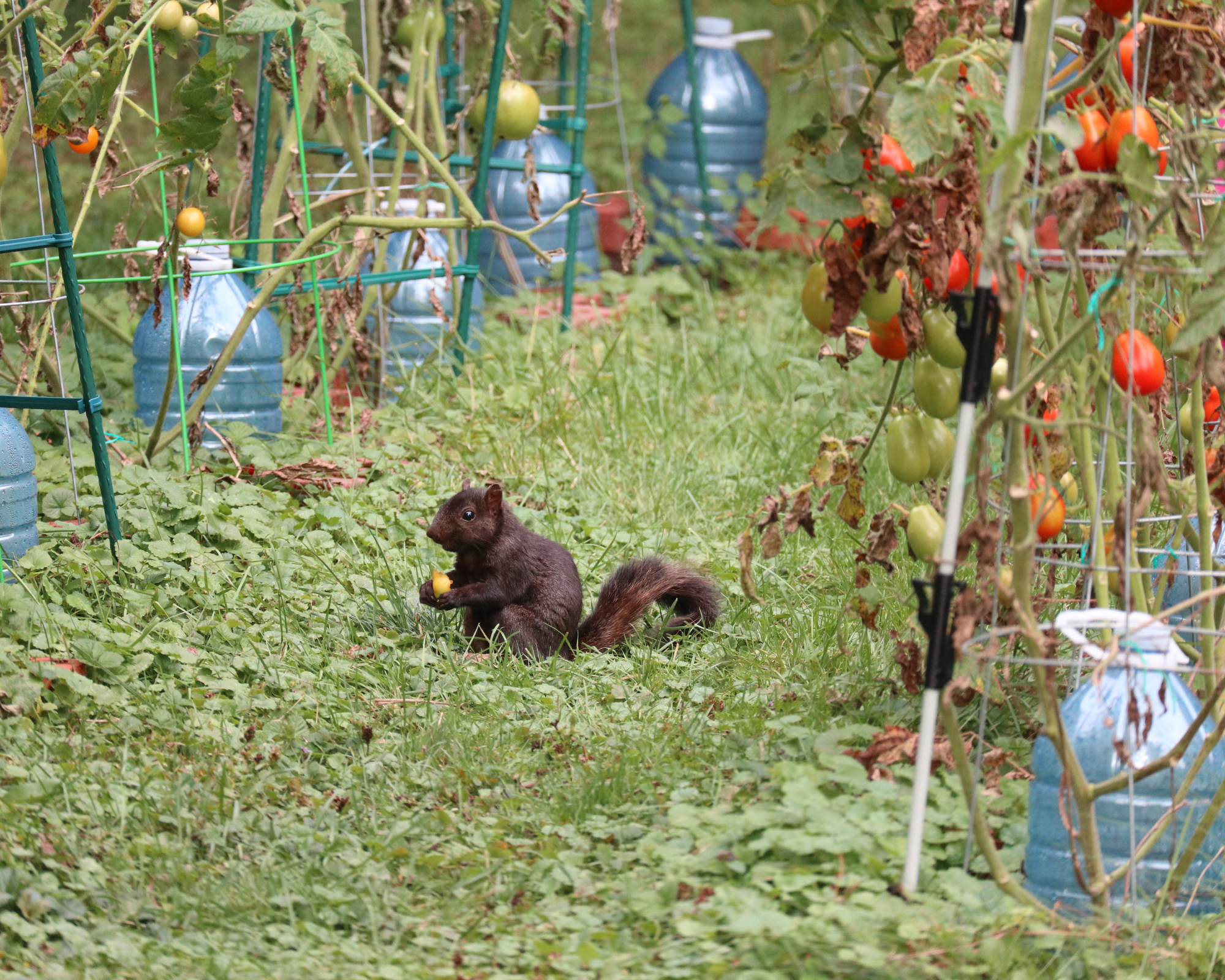
Credit: www.gardeningknowhow.com
Frequently Asked Questions
What Garden Vegetables Do Squirrels Not Eat?
Squirrels typically avoid vegetables like onions, garlic, leeks, hot peppers, and marigolds. These have strong scents or tastes that deter them. Planting these can help protect your garden from squirrels.
Do Squirrels Ruin Vegetable Gardens?
Squirrels can damage vegetable gardens by eating plants and digging up seeds. Protect gardens with barriers and deterrents. Using mesh or netting can help safeguard your vegetables from these pests. Consider planting squirrel-resistant plants to reduce their impact. Regular garden maintenance can also minimize squirrel intrusion.
Will A Squirrel Eat A Tomato Plant?
Yes, squirrels may eat tomato plants. They often nibble on ripe tomatoes and young plants. Gardeners should use deterrents like nets or fences to protect their crops. Squirrels are attracted to the moisture and nutrients in tomatoes, making them a common target in gardens.
How To Keep Squirrels Away From Raised Garden Beds?
Use mesh or chicken wire to cover beds. Sprinkle cayenne pepper or use squirrel repellent sprays. Install motion-activated sprinklers. Plant mint or marigold around beds. Create a distraction with a squirrel feeder away from the garden.
Conclusion
Squirrels nibble on garden veggies, but solutions exist. Try fencing or netting. Plant deterrent crops like mint or marigolds. Use motion-activated sprinklers to keep them away. Remember, squirrels seek easy food. So, remove fallen fruits and seeds. Planting in raised beds helps too.
Protect your vegetables and enjoy a thriving garden. With patience, you can manage these furry visitors. Embrace nature’s challenges and savor your harvest. Your garden can flourish even with squirrels around. Keep experimenting and find what works best for your space.
Happy gardening!