Imagine stepping outside your door, reaching down, and picking fresh, ripe tomatoes or crisp lettuce straight from your very own garden. There’s something truly magical about growing your own vegetables.
It’s not just about the food; it’s about the joy of nurturing life and the satisfaction of eating what you’ve grown with your own hands. A do-it-yourself vegetable garden is more than just a hobby; it’s a way to reconnect with nature, save money, and eat healthier.
Whether you have a sprawling backyard or just a tiny balcony, creating your vegetable garden is within reach. In this guide, you’ll discover the simple steps to get started, tips for selecting the best vegetables for your space, and insider secrets to ensure your garden thrives. Ready to transform your space and enjoy the freshest produce imaginable? Let’s dig in!
Benefits Of A Diy Vegetable Garden
Growing your own vegetables offers fresh produce and saves money. Enjoy the satisfaction of nurturing plants while reducing environmental impact. Plus, it provides a relaxing outdoor activity that promotes well-being.
Growing your own vegetables can transform your backyard into a lush green paradise. The benefits of a DIY vegetable garden are endless, from saving money to boosting your health. Imagine picking fresh tomatoes for your salad or pulling out carrots for a stew, all grown by you!Save Money On Groceries
Planting vegetables in your garden can significantly reduce your grocery bills. Instead of buying expensive organic produce, you can grow your own. With a packet of seeds costing just a few dollars, the savings add up quickly.Improve Your Health
Gardening is a fantastic way to get some exercise. Digging, planting, and weeding can help you burn calories and keep you active. Plus, consuming fresh vegetables is a great way to ensure you’re getting essential nutrients.Environmental Benefits
A DIY vegetable garden reduces your carbon footprint. By growing your own food, you cut down on the pollution caused by transporting produce from farms to stores. Plus, fewer pesticides and chemicals are used, benefiting the earth.Enjoy Fresh Flavors
The taste of home-grown veggies is unmatched. Store-bought produce often loses flavor during transportation. Freshly picked vegetables retain their full flavor, giving your meals a delightful boost.Connect With Nature
Gardening allows you to spend time outdoors and connect with nature. Watching your plants grow from seeds to harvest can be incredibly rewarding. You might find that spending time in your garden becomes a cherished hobby.Learn New Skills
Starting a vegetable garden is a great opportunity to learn. You’ll gain knowledge about plant care, soil health, and pest control. These skills can be useful in other areas of life, and it’s satisfying to watch your expertise grow along with your garden.Encourage Family Bonding
Invite your family to join in the gardening process. Planting, watering, and harvesting together can strengthen bonds. It’s a wonderful way to teach children about nature and the importance of healthy eating. Are you ready to experience these benefits firsthand? The journey to starting your own vegetable garden is just a few steps away. Grab some seeds, get your hands dirty, and watch your garden flourish!Selecting The Right Location
Choosing the right spot for your vegetable garden is vital. Ensure the area gets plenty of sunlight and has good drainage. A location close to water access makes maintenance easier.
Selecting the right location for your DIY vegetable garden is crucial. The chosen spot impacts plant health and productivity. Consider several factors to ensure your garden thrives. Let’s explore these in detail.Sunlight And Shade
Vegetables need sunlight to grow well. Select a location that gets at least 6 hours of sunlight daily. Check for any structures or trees that may cast shade. Morning sun is ideal for most plants. If full sun is not possible, choose shade-tolerant vegetables.Soil Quality
Good soil is vital for a healthy garden. Test the soil for nutrients and pH balance. Rich, well-drained soil with organic matter is best. If the soil is poor, consider raised beds or containers. Adding compost can improve soil fertility.Water Accessibility
Easy access to water makes gardening easier. Choose a spot near a water source. A hose should reach all parts of the garden. Consistent watering is key for plant health. Ensure the area has good drainage to prevent waterlogging.Choosing The Best Vegetables
Choosing the right vegetables for your DIY garden involves understanding your local climate and soil conditions. Opt for hardy varieties like tomatoes, carrots, and lettuce, which thrive in diverse environments. Consider your space; compact plants like peppers and radishes suit small gardens well.
Choosing the right vegetables for your DIY garden is essential. It ensures a bountiful harvest and makes gardening more enjoyable. Different factors influence your choice, like the climate, available space, and ease of cultivation. By understanding these aspects, you can grow a thriving vegetable garden tailored to your needs.Seasonal Considerations
Plant vegetables that suit your region’s climate. Warm-season crops, like tomatoes and peppers, thrive in summer. Cool-season vegetables, such as lettuce and spinach, prefer spring and fall. Know your area’s growing seasons for optimal results.Space Requirements
Consider how much space each vegetable needs. Large plants like squash require extensive room. Compact vegetables like radishes fit well in small spaces. Plan your garden layout to accommodate different plant sizes.Easy-to-grow Options
Begin with vegetables that are simple to cultivate. Carrots, beans, and zucchini are ideal for beginners. They demand less attention and produce reliably. Choose these options for a stress-free gardening experience.
Credit: www.extraspace.com
Preparing Your Garden Space
Creating a vegetable garden yourself begins with choosing a sunny spot. Ensure the soil is rich and well-drained. Remove weeds and rocks to prepare your garden space efficiently.
Creating your own vegetable garden is a rewarding endeavor that offers fresh produce right at your doorstep. But before you plant those seeds, it’s crucial to prepare your garden space properly. A well-prepared garden can lead to healthier plants and a more bountiful harvest. Let’s dive into the essentials of getting your garden space ready for planting.Clearing And Tilling
Begin by selecting a sunny spot in your yard. Vegetables thrive with at least 6-8 hours of sunlight daily. Remove any debris, weeds, and rocks to create a clean slate for your garden. Tilling the soil is the next step. This process aerates the soil, making it easier for roots to spread. Use a garden fork or a tiller to break up compacted soil. Keep in mind, tilling should be done when the soil is moist but not wet.Building Raised Beds
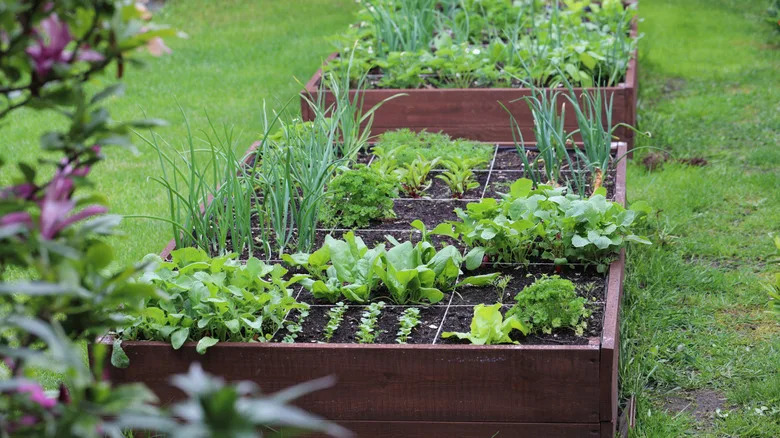
Raised beds can be a game-changer, especially if your soil quality is poor. They offer better drainage and can extend your growing season. Wooden planks or bricks can be used to construct the borders of your raised beds. Consider the height and width of your raised beds. A height of 12-18 inches is ideal for most vegetables. Ensure they are narrow enough that you can reach the center without stepping on the soil.Improving Soil Health
Healthy soil is the foundation of a successful vegetable garden. Start by testing your soil’s pH and nutrient levels. This can guide you on what amendments to add. Compost is a gardener’s best friend. It enriches the soil with nutrients and improves its texture. Add a layer of compost to your garden beds and mix it into the top layer of soil. Consider adding organic fertilizers like bone meal or fish emulsion. These provide essential nutrients that promote strong plant growth. Remember, healthy soil leads to healthy plants. Have you thought about the type of vegetables you want to grow? Different plants may require specific soil conditions, so plan accordingly. Preparing your garden space thoughtfully sets the stage for a thriving vegetable garden.Planting Techniques
Growing your own vegetable garden is simple and rewarding. Choose a sunny spot and prepare the soil. Plant seeds in rows, keeping space for growth. Water regularly and watch your garden thrive.
Planting techniques are essential for a successful DIY vegetable garden. These techniques help you grow healthy plants. They ensure your garden thrives. From selecting seeds to transplanting seedlings, each step matters. Understanding companion planting also boosts your garden’s productivity.Seed Selection And Sowing
Choosing the right seeds is crucial. Opt for seeds suited to your climate. Read seed packets for planting details. Sow seeds at the right depth. Use a ruler or stick for accuracy. Water gently to keep the soil moist. Avoid overwatering, which can harm seeds.Transplanting Seedlings
Transplanting seedlings requires care. First, prepare the soil in advance. Dig small holes slightly larger than seedlings. Gently remove seedlings from containers. Handle them by the leaves, not stems. Place them in holes and cover roots. Water immediately to settle the soil.Companion Planting
Companion planting benefits your vegetable garden. Some plants grow better together. Tomatoes and basil are good companions. They enhance each other’s growth. Carrots and onions deter pests. Plan your garden layout wisely. This strategy improves yield and plant health.Caring For Your Garden
Growing your own vegetable garden is a rewarding activity. Choose a sunny spot and prepare the soil well. Regular watering and care ensure healthy plants and abundant harvests.
Caring for your garden is the heart of your DIY vegetable venture. It’s where the magic happens and where your efforts bear fruit—literally! Ensuring your plants thrive involves a bit more than just planting seeds. You need a strategy to nurture them. Let’s dive into the essentials of keeping your garden flourishing.Watering Strategies
Watering is an art, not a science. Too much water can drown your plants, while too little can leave them thirsty and stressed. Aim for consistency. A good rule of thumb is to water early in the morning. This gives your plants a chance to absorb moisture before the sun becomes too intense. Consider using a drip irrigation system. It’s efficient and ensures water goes directly to the roots. This method saves time and conserves water. Do you know your soil type? Sandy soils drain quickly, while clay can hold moisture. Tailor your watering schedule accordingly.Weed Management
Weeds are the uninvited guests in your garden. They compete for nutrients and can stifle your plant growth. Regularly inspect your garden for these intruders. Mulching is your best friend. A layer of mulch not only retains soil moisture but also suppresses weed growth. Organic options like straw or wood chips add nutrients to the soil as they break down. Embrace the hoe! A simple hoeing once a week can keep weeds at bay. It’s a physical activity that gets you closer to nature.Pest Control
Pests can be a gardener’s nightmare. From aphids to caterpillars, these critters can wreak havoc on your vegetables. Are you prepared to fight back? Consider natural remedies. Introduce beneficial insects like ladybugs, which feast on aphids. Or use neem oil as a natural pesticide. Keep your garden clean. Remove debris and dead leaves, as they can harbor pests. Regularly check the undersides of leaves for any signs of infestation. By being proactive and attentive, you can ensure your garden remains a vibrant and bountiful oasis. What’s your secret weapon in the battle against pests?Harvesting And Storage
Harvesting vegetables at peak ripeness ensures the best flavor and nutrition. Store them in a cool, dry place to maintain freshness. Proper storage extends the life of your garden produce.
Harvesting and storing your homegrown vegetables can be a rewarding experience. It ensures your hard work in the garden translates into fresh meals. Knowing the right time and method to harvest is crucial. It keeps the produce fresh and flavorful. Proper storage methods also extend the life of your vegetables. This helps reduce waste and maximizes your garden’s bounty.Identifying Harvest Time
Recognizing when vegetables are ready to pick is important. Each type has its own signs. Tomatoes turn bright red and feel slightly soft. Carrots show maturity when their tops are at least an inch in diameter. For leafy greens, pick when leaves are tender and vibrant.Proper Harvesting Methods
Use clean tools to harvest your vegetables. This prevents disease spread. Cut leafy greens at the base, leaving some leaves for regrowth. Gently twist and pull root crops like carrots. For fruits like tomatoes, use scissors to snip the stem. Avoid pulling them off by hand.Storing Fresh Produce
Store your harvested vegetables correctly to prolong their freshness. Keep root vegetables in a cool, dark place. Wrap leafy greens in damp paper towels. Place them in a breathable bag in the fridge. Tomatoes store best at room temperature, away from direct sunlight.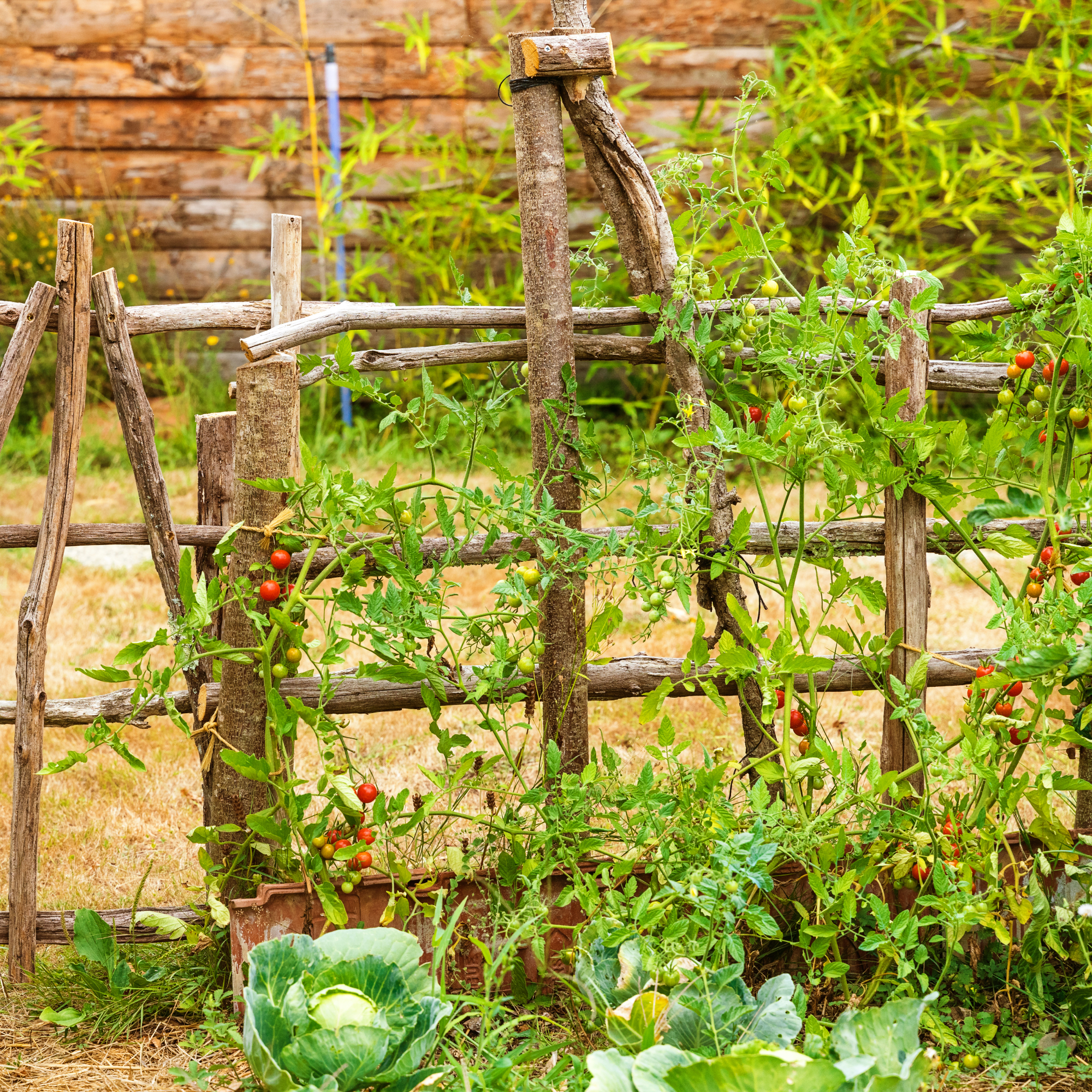
Credit: www.gardeningknowhow.com
Troubleshooting Common Issues
Solving common vegetable garden issues can be simple. Address pest problems with natural remedies like garlic spray. Ensure proper drainage to avoid root rot. Adjust sunlight exposure to prevent wilting. Regularly check soil nutrients for healthy growth. Keep your garden thriving with these straightforward solutions.
Creating a DIY vegetable garden is a rewarding endeavor, but it doesn’t come without its challenges. As you nurture your garden, you may encounter a few bumps along the way. Knowing how to troubleshoot common issues is key to maintaining a healthy and productive garden. Whether you’re dealing with pests, plant diseases, or nutrient deficiencies, being proactive and informed can make all the difference.Dealing With Pests
Pests can quickly become the bane of any vegetable gardener’s existence. You might notice tiny holes in your lettuce leaves or find your tomatoes disappearing overnight. Start by regularly inspecting your plants for signs of unwanted visitors. Consider introducing natural predators like ladybugs, which feast on aphids, or planting companion herbs like basil to deter them. If you prefer a more hands-on approach, a simple mixture of water and mild soap can help wash away pests without harming your plants.Overcoming Plant Diseases
Plant diseases can be sneaky, often creeping in when you least expect them. Yellowing leaves or wilting stems can indicate trouble. It’s essential to act fast and identify the problem. Rotate your crops annually to prevent disease buildup in the soil. Make sure your plants have good air circulation and avoid watering their leaves to reduce the risk of fungal infections.Addressing Nutrient Deficiencies
Nutrient deficiencies can stunt your plant growth and reduce yield. If your plants are looking a little lackluster, the soil might be missing key nutrients like nitrogen, phosphorus, or potassium. A soil test can provide valuable insight into what your garden needs. Adding organic compost can enrich your soil, ensuring your vegetables have the nutrients they need to thrive. Keep an eye on your plants and adjust your feeding schedule as needed. By staying vigilant and proactive, you can tackle these common garden issues head-on. What challenges have you faced in your garden, and how have you overcome them?
Credit: www.yahoo.com
Frequently Asked Questions
What Is The Easiest Vegetable Garden For Beginners?
Beginner-friendly vegetable gardens often include tomatoes, lettuce, radishes, and zucchini. These plants require minimal care and thrive easily. Choose a sunny spot, water regularly, and use quality soil for best results. Starting small with these vegetables ensures a successful and rewarding gardening experience.
How Do I Make My Own Vegetable Garden?
Begin by selecting a sunny spot with good soil drainage. Clear the area of weeds and debris. Enrich the soil with compost. Choose vegetables suitable for your climate. Plant seeds or seedlings, water regularly, and keep weeds at bay. Harvest vegetables when ripe for best flavor.
What Month Should You Start A Vegetable Garden?
Start your vegetable garden in early spring, around March or April. Timing varies by region. Check local frost dates for precision. Begin planting cool-season vegetables first. Ensure soil is prepared and frost risk is minimized. This helps ensure healthy growth and a successful harvest.
What Is The Most Common Mistake Of First Time Gardeners?
Overwatering is the most common mistake first-time gardeners make. New gardeners often assume plants need constant watering. This can lead to root rot and other issues. Always check soil moisture before watering. Proper drainage and understanding each plant’s water needs are essential for a thriving garden.
Conclusion
Creating your own vegetable garden is rewarding. Fresh produce at home. Save money. Improve your health. Enjoy gardening. It’s a fun hobby. Anyone can start. Simple steps lead to success. Choose the right vegetables. Plan your layout. Use quality soil.
Water regularly. Control pests naturally. Harvest when ready. Share with family and friends. Feel proud of your hard work. Gardening connects you with nature. It teaches patience and responsibility. Experience joy in every growth stage. Start today. See your garden flourish.
Happy gardening!