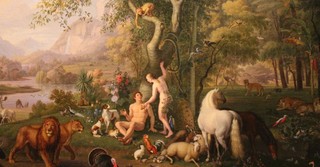
Imagine walking in a garden where the air is filled with the scent of blossoms, and every creature around you seems to have a story to tell. You might wonder if this is a magical place where animals could speak.
The Garden of Eden, a place of harmony and mystery, often sparks this curious question: Did animals talk there? As you delve into this fascinating topic, prepare to explore age-old tales and captivating theories that may change the way you see the world.
Your curiosity might lead you to discover truths hidden in ancient texts or theories that challenge conventional thinking. Let’s unravel the secrets of Eden together, and perhaps you’ll find answers that resonate with your imagination.
Credit: www.youtube.com
Biblical Accounts And Interpretations
The question of whether animals talked in the Garden of Eden is intriguing. Biblical accounts provide insights that spark curiosity and debate among scholars. Interpretations vary, offering different perspectives on the narrative found in Genesis.
Genesis Narrative
The Book of Genesis sets the stage for the Garden of Eden. Adam and Eve lived in harmony with nature. The text describes a paradise where humans and animals coexisted. The narrative mentions Adam naming all the animals. This suggests a unique connection between humans and creatures. However, it does not explicitly state that animals could speak.
Some interpretations argue that the garden was a place of divine communication. In this view, animals might have had a special ability to converse. Others believe the focus is on the relationship between God and humans. This perspective sees the garden as symbolic, rather than literal.
Role Of The Serpent
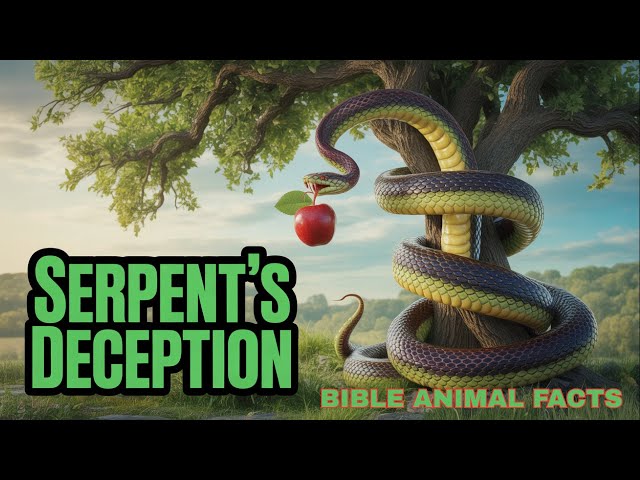
The serpent plays a pivotal role in the Eden story. It is the only animal depicted as speaking. The serpent converses with Eve, leading her to eat from the forbidden tree. This interaction raises questions about the serpent’s nature. Was it unique among animals, or did others also have the power to talk?
Many scholars interpret the serpent as a symbol of temptation and deceit. Its ability to speak may represent the influence of evil. This interpretation suggests the serpent’s speech is metaphorical. It highlights the moral challenges faced by humans in the garden.
Other views consider the serpent as a literal talking creature. This perspective sees it as a sign of the garden’s mystical qualities. The serpent’s conversation with Eve is central to the narrative. It sets in motion events that change the course of humanity.

Credit: metamorfosecrista.wordpress.com
Symbolism In Ancient Texts
Symbolism in ancient texts holds significant meaning and depth. The Garden of Eden story is rich in symbolic elements. Animals in these texts often represent more than their literal existence. Their roles can help us understand deeper meanings within the narrative.
Animals As Symbols
Animals in ancient stories often symbolize human traits or divine messages. For example, a serpent might symbolize cunning or temptation. Lions are often seen as symbols of strength and courage. In the Garden of Eden, the serpent plays a pivotal role. Its interaction with Eve carries symbolic weight, influencing interpretations of the story.
Interpretative Approaches
Different cultures and religions have their own interpretative approaches. Some see the talking animals as literal, while others see them as metaphorical. The symbolism might reflect the moral or spiritual lessons intended by the text. Understanding these approaches can offer insights into ancient beliefs and values.
Cultural Beliefs And Traditions
The Garden of Eden’s story has intrigued cultures worldwide. Many traditions discuss animals speaking in sacred gardens. This idea appears in ancient myths and legends. Let’s explore these fascinating cultural beliefs.
Mythologies Worldwide
Across the globe, ancient mythologies depict talking animals. In Egyptian myths, gods often took animal forms and communicated with humans. The Native American tales speak of wise animals guiding tribes. These stories illustrate animals bridging human and divine realms.
Folklore And Legends
Folklore and legends often feature animals with human-like abilities. In European folktales, animals deliver messages or predict events. Asian legends include animals imparting wisdom to heroes. These narratives emphasize animals as important cultural symbols.
Credit: www.youtube.com
Linguistic Capabilities In Animals
The Garden of Eden sparks curiosity about animal communication. Did animals speak to humans there? This idea connects human-animal interactions to biblical stories. Understanding animal language in such contexts offers fascinating insights.
Linguistic capabilities in animals have long intrigued humans, sparking curiosity about whether animals once communicated like us. The Garden of Eden story raises fascinating questions about the potential for dialogue between humans and animals. While we can’t verify ancient tales, examining modern animal communication offers insights into this age-old mystery.Modern Animal Communication
Today, animals showcase impressive communication skills that may surprise you. Dolphins use clicks and whistles to share information about their environment. Bees perform intricate dances to guide their hive mates to nectar sources, showcasing a sophisticated form of non-verbal communication. Birds, with their varied songs, demonstrate the complexity of avian language. Parrots, for example, can mimic human speech, suggesting a potential for understanding beyond simple repetition. These examples suggest that animals possess unique ways to convey messages, even if they don’t “talk” in human terms.Historical Perspectives
Looking back, historical texts often attribute anthropomorphic qualities to animals. Ancient myths and legends frequently depict animals engaging in verbal conversations with humans. This raises questions about how our ancestors perceived animal intelligence. In some cultural narratives, animals served as messengers or wise beings, bridging the gap between the divine and mortal realms. Such stories may reflect a deep-seated recognition of animal communication, albeit in a symbolic form. Could these tales hint at a time when humans felt more connected to the natural world? Reflecting on these perspectives, it’s intriguing to consider how our understanding of animal communication has evolved. How do you think our ancestors might have interpreted the complex interactions we observe in animals today?Theological Implications
Theological implications of talking animals in the Garden of Eden spark intriguing debates. Some interpretations suggest animals had unique roles in biblical narratives. Exploring these ideas may offer insights into ancient beliefs and symbolism.
The concept of animals talking in the Garden of Eden sparks intriguing theological debates. It challenges our understanding of biblical texts and what they mean for our faith today. Did Adam and Eve really converse with animals, or is this a metaphorical narrative intended to convey deeper truths? The theological implications are vast, impacting how different religions interpret sacred texts and how believers perceive the divine.Views In Different Religions
Religions offer diverse perspectives on the possibility of animals speaking in the Garden of Eden. In Christianity, some view the serpent’s speech as symbolic, representing temptation and sin. Others take a literal approach, suggesting that pre-fall Eden was a place of extraordinary harmony, where communication with animals was possible. Judaism often interprets these events with a focus on allegory and moral lessons. The serpent in the Eden story is seen as a metaphor for internal struggles and moral choices. Islam doesn’t emphasize the talking serpent as much but focuses on the broader lessons of obedience and temptation. These varying interpretations highlight how religious traditions shape our understanding of biblical stories.Impacts On Faith And Belief
How you interpret the story of talking animals can significantly impact your faith. A literal belief in talking animals might lead you to view the Bible as a historical account, influencing your approach to other biblical narratives. For some, viewing the story as allegory can enrich their faith by focusing on the moral and spiritual lessons. It allows for a deeper exploration of themes like temptation, innocence, and the human condition. The story invites believers to question and reflect. Does it challenge or reinforce your belief system? How does it shape your understanding of divine communication? These questions can lead to a more personalized and profound faith journey.Philosophical And Ethical Considerations
Philosophical and ethical questions arise about animals talking in the Garden of Eden. This topic explores morality and communication in ancient narratives. It challenges our understanding of language and human-animal relationships in mythological contexts.
Philosophical and ethical considerations about animals talking in the Garden of Eden invite deep reflection. This topic stirs curiosity about human-animal relationships and the moral lessons it holds. Understanding these aspects can offer insights into ancient narratives and their impact on our worldview.Human-animal Relationships
In the Garden of Eden, animals and humans interacted closely. This relationship suggests a bond beyond mere companionship. Imagine a world where animals expressed thoughts and feelings. Such communication could deepen mutual respect and understanding. Humans might view animals as equal partners in creation. This perspective could alter how we treat animals today. It raises questions about animal rights and their place in our world. Understanding this bond can teach us empathy and respect for all living beings.Moral Lessons
The idea of talking animals presents moral lessons. It challenges us to think about responsibility and stewardship. If animals shared wisdom, what lessons could they teach us? Perhaps about harmony, peace, or the consequences of actions. These stories remind us of the importance of making ethical choices. They encourage reflection on how our actions affect the environment and other creatures. Embracing these lessons can guide us toward a more harmonious existence with nature.Popular Culture And Media
Did Animals Talk in the Garden of Eden? This question intrigues many, sparking debates and curiosity in popular culture. Ancient texts and stories often depict animals with the ability to communicate.
Popular culture and media have long been fascinated by the idea of talking animals in the Garden of Eden. This concept has sparked imaginations and inspired countless stories. Writers, filmmakers, and artists explore this theme, bringing creative interpretations to life. Through literature, movies, and TV shows, the notion of vocal animals continues to captivate audiences around the world.Representations In Literature
Many authors weave this idea into their narratives. Classic tales often feature animals with human-like conversations. These stories are rich with symbolism and moral lessons. In some books, animals serve as wise counselors or mischievous tricksters. Their words can guide protagonists or lead them astray. This literary device invites readers to reflect on deeper meanings and truths.Movies And Tv Shows
Films and TV series also embrace talking animals. Animated movies frequently depict creatures with voices. These characters often steal the spotlight, bringing humor and wisdom. Television shows explore this theme through fantasy and adventure. Audiences witness interactions that challenge perceptions of reality. Talking animals become beloved icons, shaping popular culture and media narratives.Scholarly Perspectives
The idea that animals could talk in the Garden of Eden fascinates many. Scholars have pondered this concept for years. They explore ancient texts and interpretations. Some believe the serpent’s speech suggests talking animals. Others view it as symbolic or metaphorical.
Academic Debates
In academic circles, debates thrive on interpretation. The biblical narrative is complex. Some scholars argue for literal understanding. They point to the serpent’s conversation with Eve. Others suggest allegory, where animals symbolize deeper meanings. These discussions spark curiosity and differing viewpoints.
Research Findings
Research dives into ancient languages and contexts. Biblical scholars examine Hebrew texts. They look for clues about animal speech. Findings vary, with some supporting the idea. Others find no concrete evidence. The serpent remains central to these discussions. Its role is pivotal in the narrative.
Frequently Asked Questions
Did Any Animals Talk In The Bible?
Yes, two animals spoke in the Bible. A serpent talked to Eve in Genesis, and Balaam’s donkey spoke in Numbers. These instances are rare and significant in biblical narratives.
What Language Did They Speak In The Garden Of Eden?
The Bible doesn’t specify the exact language spoken in the Garden of Eden. Scholars often suggest it might be a pre-Babel language, but opinions vary. Hebrew is a common speculation due to its biblical significance. The true language remains unknown and is subject to theological debate.
What Animal Spoke To Eve In The Garden?
The serpent spoke to Eve in the Garden of Eden. This encounter is described in the Book of Genesis. The serpent is often associated with temptation and deceit, playing a pivotal role in the biblical story of the Fall of Man.
Did Adam Communicate With The Animals?
Adam named the animals in Genesis, suggesting communication. The Bible doesn’t specify how he communicated with them. Interpretations vary among scholars regarding this aspect.
Conclusion
The Garden of Eden holds many mysteries. Animal communication is one of them. Did animals really talk? Some believe they did. Others think it’s symbolic. Different cultures offer various interpretations. The serpent’s story adds intrigue. People wonder about its words.
Was it unique? Or normal in Eden? The Bible leaves questions open. It’s a topic for endless debate. Stories blend history and imagination. The magic of Eden captivates minds. Its tales endure through time. Whether animals spoke or not, the garden sparks curiosity.
It invites exploration of ancient wonders.


