
Are you thinking about building a garden bed and wondering if treated wood is a safe option? You’re not alone.
Many garden enthusiasts face this very question. Using the right materials can mean the difference between a thriving garden and one that struggles to grow. The idea of treated wood might be tempting due to its durability and resistance to pests and rot.
But is it the best choice for your plants and your health? You’ll discover the pros and cons of using treated wood in your garden beds. You’ll learn what experts say about its safety and explore alternative materials that could offer peace of mind and a bountiful harvest. Stay with us as we dig into the details that every gardener needs to know.
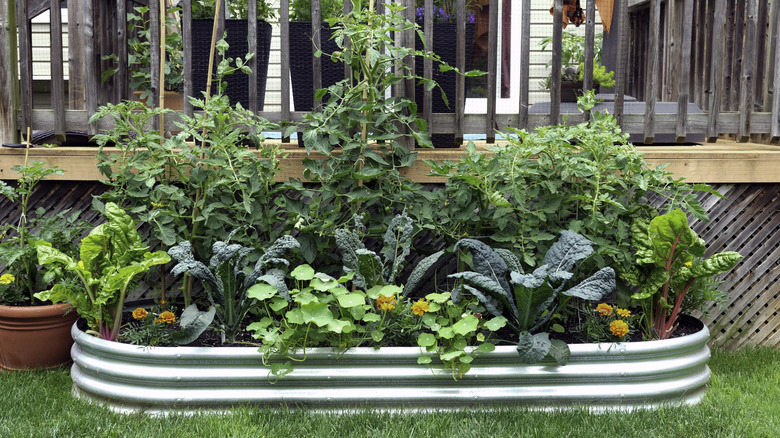
Credit: www.housedigest.com
Treated Wood Basics
Understanding the nuances of treated wood is crucial if you’re considering it for your garden beds. Treated wood is often used in construction due to its durability and resistance to decay. However, its chemical treatments raise concerns when used near edible plants. These chemicals, designed to protect the wood, can potentially leach into the soil.
What Makes Wood Treated?
Treated wood undergoes a process where chemicals are infused to prevent rot and insect damage. This is typically done using pressure to ensure deep penetration into the wood fibers. The treatment extends the wood’s lifespan significantly, making it a popular choice for outdoor projects.
While the treatment process sounds beneficial, it’s important to understand what chemicals are used. Common preservatives include copper compounds and synthetic chemicals. Their presence is what sparks the debate around using treated wood for garden beds.
Common Types Of Treated Wood
- CCA-treated wood:Historically, Chromated Copper Arsenate (CCA) was widely used, but its arsenic content raised health concerns, leading to reduced use in residential areas.
- ACQ-treated wood:Alkaline Copper Quaternary (ACQ) emerged as a safer alternative, reducing the risk of harmful leaching.
- CA-treated wood:Copper Azole (CA) is another modern option, favored for its low environmental impact and effectiveness.
Understanding these types helps you make informed decisions about what’s suitable for your garden beds.
Is Treated Wood Safe For Your Garden?
The safety of treated wood in gardens hinges on the chemicals used. While newer treatments have reduced toxicity, skepticism remains about chemical leaching. This leaching can affect plant health and potentially impact food safety.
Consider the proximity of treated wood to your edible plants. Are the benefits of durability outweighing the risks to your garden’s health? Using untreated alternatives or protective barriers between the wood and soil can mitigate these risks.
Personal Experience: Weighing The Pros And Cons
I once faced the dilemma of using treated wood for my garden beds. The prospect of longevity was tempting, but concerns about chemical exposure made me pause. Instead, I opted for untreated cedar, knowing it might require more maintenance but offered peace of mind.
What would you choose for your garden? Can the lure of durability sway you despite the chemical concerns? It’s a decision that requires careful thought, balancing practicality with safety.
Chemical Composition
The chemical composition of treated wood for garden beds is a crucial consideration for any gardener. Understanding what chemicals are used in the treatment process can help you make informed decisions about the safety and sustainability of your garden. While treated wood is designed to resist decay and pests, the chemicals involved can potentially leach into the soil, affecting plant health and safety.
Understanding The Chemicals Used
One of the most common chemicals in treated wood is chromated copper arsenate (CCA), which includes arsenic. Arsenic is toxic and can be harmful if it leaches into the soil. Newer treatments use less harmful chemicals, such as alkaline copper quaternary (ACQ) and copper azole (CA), which are safer for garden use.
Impact On Soil Health
It’s essential to consider how these chemicals impact soil health. Some gardeners worry about chemical leaching affecting soil pH and nutrient levels. If you’re concerned, you can opt for untreated wood or use a protective liner within your garden beds to minimize contact between the treated wood and the soil.
Personal Experience In Garden Management
I’ve used treated wood in my garden beds before, and I found that using a liner helped me feel more secure about the chemicals not affecting my plants. This simple step can be a practical solution for those who prefer the durability of treated wood but worry about chemical exposure.
Questions To Consider
Have you ever thought about the long-term effects of using treated wood in your garden? What measures can you take to ensure your plants remain healthy? These are important questions that can guide your choices and enhance your gardening practices.
Safer Alternatives
If you’re still uncertain, consider alternative materials like cedar or redwood, which naturally resist decay without chemical treatments. These options can provide peace of mind while still offering durability and longevity for your garden beds.
Benefits Of Treated Wood
Treated wood offers durability against decay and pests, making it suitable for garden beds. Its resistance to weather ensures long-lasting support for plants.
Treated wood is a popular choice for garden beds. It offers several advantages that make it an attractive option for gardeners. Understanding these benefits can help you decide if treated wood is right for your garden.Durability And Longevity
Garden beds made from treated wood last longer. The treatment process strengthens the wood, making it less prone to warping and cracking. This durability means your garden beds stay in good condition for years. You can trust treated wood to withstand weather changes without deteriorating quickly.Cost-effectiveness
Treated wood is often more affordable than other materials. It provides good value for money because of its longevity. You spend less on repairs and replacements over time. This cost-effectiveness makes it a smart investment for budget-conscious gardeners.Resistance To Pests And Rot
Treated wood is resistant to pests and rot. Chemicals used in the treatment process protect it from insects and fungal decay. Your plants remain safe from harmful pests. This resistance ensures your garden beds maintain their structure and appearance longer.
Credit: www.yahoo.com
Concerns With Treated Wood
Treated wood in garden beds raises concerns about chemical leaching into soil. Chemicals used can affect plant health and soil quality. Consider alternatives like cedar or redwood for safer gardening.
If you’re considering using treated wood for your garden beds, it’s essential to weigh the potential risks. Treated wood can be appealing due to its durability and resistance to rot. However, concerns about chemical exposure, soil health, and environmental impact need careful consideration.Chemical Leaching Risks
Treated wood often contains chemicals designed to resist decay and pests. Over time, these chemicals can leach into the surrounding soil. This leaching may pose health risks to you and your plants, especially if you’re growing edibles. Have you considered how these chemicals might affect your family?Impact On Soil And Plants
The chemicals from treated wood can alter the soil composition. This change might affect plant growth and health, potentially leading to reduced yields. Using untreated alternatives could preserve the natural balance of your garden’s ecosystem.Environmental Considerations
The production and disposal of treated wood contribute to environmental pollution. Chemicals used can contaminate water sources and harm wildlife. Opting for sustainable materials could reduce your garden’s ecological footprint. Have you thought about how your choices impact the planet? Reflect on these aspects as you plan your garden beds, and consider eco-friendly options that align with your values.Alternatives To Treated Wood
Exploring garden bed options? Treated wood might not be safe for vegetables. Consider cedar or redwood as alternatives. These woods resist rot naturally and are safer for growing food.
When considering alternatives to treated wood for garden beds, you’re opening a door to a world of materials that are both safe and sustainable. Treated wood, with its chemicals and preservatives, often raises concerns about leaching into the soil, potentially affecting the plants you lovingly nurture. But fear not, as the garden bed journey can be just as fruitful with other options. Explore these alternatives to maintain a safe and thriving garden environment.Natural Wood Options
Natural woods, such as cedar and redwood, offer a charming and organic appeal for your garden beds. These types of wood are naturally resistant to rot and pests, making them a reliable choice without the need for chemical treatments. Imagine the rustic beauty of a cedar bed, gracefully weathering over time yet retaining its integrity. Using natural wood also supports eco-friendly practices. You can even opt for reclaimed wood, adding a unique character to your garden while reducing waste. Have you ever stumbled upon an old piece of wood and envisioned its potential in your garden? It’s a satisfying way to blend creativity with sustainability.Composite Materials
Composite materials are a modern alternative that combines recycled wood fibers with plastics to create durable and long-lasting garden beds. These materials often mimic the appearance of wood but come with added benefits such as resistance to decay, moisture, and insects. Wouldn’t it be great to have garden beds that require minimal maintenance? Composite materials can provide that ease, allowing you more time to focus on planting and nurturing. They’re also available in various colors and textures, giving you flexibility in design.Metal And Stone Alternatives
Metal and stone offer robust and stylish alternatives for garden beds. Metals like galvanized steel or corten steel provide a sleek, modern look while being incredibly durable. Have you ever considered how the industrial charm of metal could complement the greenery of your plants? Stone, on the other hand, brings a timeless and elegant aesthetic. Think about the grandeur of a stone-bordered garden bed, seamlessly integrating with the natural landscape. Stones are naturally durable and weather-resistant, offering a low-maintenance solution for your gardening needs. Each alternative presents unique advantages, and choosing the right one depends on your garden’s style, budget, and environmental considerations. Which option resonates with your vision for a flourishing garden bed?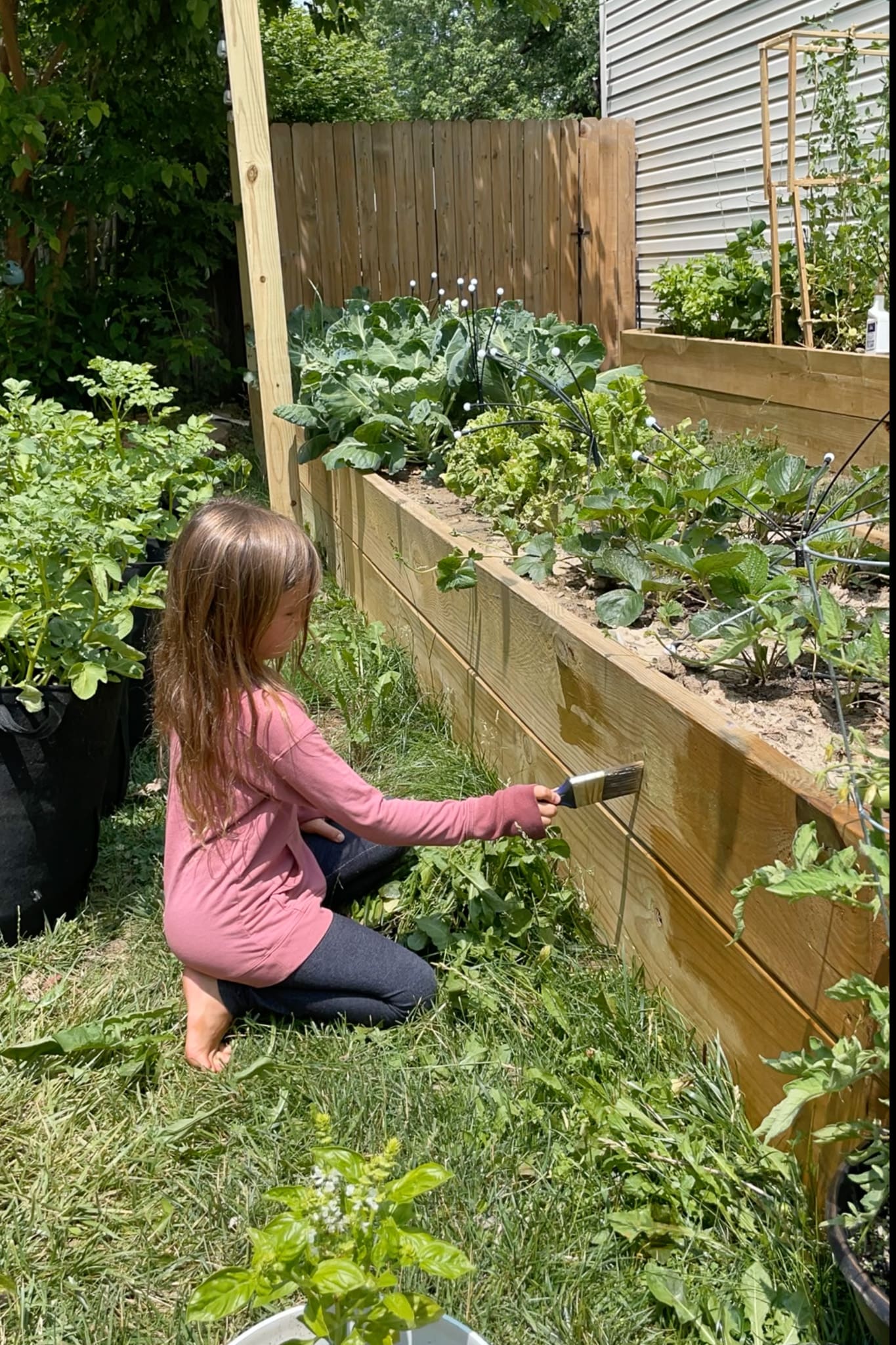
Credit: crystelmontenegrohome.com
Safety Tips For Using Treated Wood
Treated wood can be safe for garden beds if precautions are taken. Use a liner to prevent chemical leaching into soil. Always wear gloves and a mask when handling treated wood to avoid inhaling dust or splinters.
When using treated wood for garden beds, safety is key. Treated wood can contain chemicals that may leach into the soil. These chemicals can potentially affect plant growth or health. To minimize risks, follow these safety tips. They help ensure a safe and productive garden environment.Sealing And Lining
Applying a sealant can limit chemical leaching. Choose a non-toxic sealant designed for outdoor use. This creates a barrier between the wood and soil. Another effective method is lining the wood. Use thick plastic or landscape fabric. Secure it well to prevent soil contact. This extra layer adds protection.Proper Installation Practices
Install the wood with care. Ensure proper drainage to avoid water buildup. Water can increase chemical leaching. Leave space between boards for air circulation. Position beds away from edible plants to reduce risk. Follow manufacturer guidelines for treated wood. They provide important safety instructions.Monitoring And Maintenance
Regularly inspect garden beds for damage. Replace any damaged wood promptly. Keep an eye on plants for signs of distress. Healthy plants indicate safe conditions. Maintain the sealant and lining over time. Reapply sealant as needed to maintain protection. Proper upkeep ensures long-lasting safety.Expert Opinions
Treated wood can be used for garden beds, but experts suggest caution. Chemicals in treated wood may leach into soil. Consider alternatives like cedar or untreated wood for safer gardening.
When considering materials for garden beds, treated wood often sparks debate. Many gardeners wonder if it’s safe, given its chemical treatment. Expert opinions can provide valuable insights into this common concern. Let’s examine what the experts say about using treated wood in your garden.What Do Environmental Scientists Say?
Environmental scientists often caution against using older forms of treated wood. Wood treated with chromated copper arsenate (CCA) can leach arsenic into the soil, posing risks to plants and humans. However, newer treatments like alkaline copper quaternary (ACQ) are considered safer. Still, they recommend considering the type of plants you are growing. For vegetables and herbs, erring on the side of caution is often advised.Insights From Horticulturists
Horticulturists tend to focus on the benefits of treated wood, such as its durability and resistance to rot. They often suggest using a barrier, like a plastic liner, between the soil and wood. This reduces the risk of chemicals leaching into the soil. Have you ever thought about how the longevity of your garden beds impacts your gardening budget? Treated wood can be a cost-effective solution in the long run.Wood Treatment Experts Weigh In
Experts in wood treatment emphasize understanding the type of treatment used. They point out that most modern treatments are designed to be environmentally friendly. However, they stress the importance of sourcing wood from reputable suppliers. This ensures that the wood adheres to safety standards. Would you trust just any supplier with your garden’s health?Personal Experiences From Gardeners
Many experienced gardeners share mixed feelings. Some have used treated wood successfully for years without issues. Others prefer alternative materials like cedar or recycled plastic for peace of mind. One gardener shared that after switching to untreated wood, they noticed no difference in plant health. Are the benefits of treated wood worth the potential risks for your garden? By analyzing these expert opinions, you can make an informed decision about using treated wood for your garden beds. Always consider the specifics of your situation and the type of garden you’re cultivating.Making An Informed Decision
Choosing materials for garden beds requires understanding their impact. Treated wood offers durability but may leach chemicals into the soil. Consider alternatives for safer planting environments.
Making an Informed Decision Deciding whether to use treated wood for garden beds can be perplexing. You might be drawn to its durability, but concerned about potential chemical leaching. Understanding the pros and cons will help you make a confident choice.Understanding Treated Wood
Treated wood is chemically enhanced to resist rot and insects. This makes it appealing for outdoor use, including garden beds. However, it’s crucial to know what chemicals were used in the treatment process.Potential Chemical Risks
Some treated woods contain chemicals like arsenic, which may leach into the soil. This could be problematic, especially if you’re growing edible plants. It’s wise to research the specific type of treated wood you intend to use.Environmental Considerations
Consider the environmental impact of using treated wood. These chemicals might affect not only your garden but also the local ecosystem. Are the benefits of durability worth the potential risks? If you’re concerned about chemicals, explore alternatives. Cedar or redwood are naturally resistant to decay and pests. They might be more costly, but they offer peace of mind.Personal Experience And Insights
I once used treated wood for a small herb garden. Initially, I was pleased with its sturdiness. But over time, I worried about chemical leaching. Switching to cedar gave me confidence in the safety of my plants.Making The Best Choice For Your Garden
Ultimately, the decision depends on your priorities. Do you value longevity over potential chemical exposure? Or is peace of mind more important? Carefully weigh these factors before proceeding.Final Thoughts
Your garden should be a sanctuary, not a source of stress. Take the time to assess your options. What aligns best with your values and gardening goals? Remember, the choice is yours.Frequently Asked Questions
Is Treated Wood Safe For Vegetable Gardening?
Treated wood is generally safe for vegetable gardening if it meets modern safety standards. Use wood labeled as safe for food contact. Consider using untreated wood or lining beds with plastic for extra precaution. Always wash vegetables thoroughly before consumption.
What Wood Should Not Be Used In A Raised Garden Bed?
Avoid using treated wood in raised garden beds. Chemicals can leach into the soil, harming plants and health. Opt for natural woods like cedar or redwood for durability and safety. Regularly check for rot, ensuring wood remains safe for gardening.
Always prioritize untreated options for a healthy garden environment.
Does Treated Wood Leach Chemicals Into Soil?
Treated wood can leach chemicals into soil, affecting plant health. Use caution with food-producing gardens. Choose safer alternatives like untreated wood or plastic for gardening projects. Regularly monitor soil quality to ensure safe plant growth. Consider using liners or barriers to minimize chemical exposure from treated wood.
What Type Of Wood Is Best For A Raised Garden Bed?
Cedar and redwood are ideal choices for raised garden beds. They resist rot and insects naturally. These woods are durable, ensuring long-lasting garden structures. Untreated pine can be a budget-friendly alternative, though less durable. Always choose untreated wood to avoid chemicals leaching into the soil.
Conclusion
Choosing treated wood for garden beds involves careful thought. Consider safety and environmental impact. Treated wood can offer durability. But chemicals in it may harm plants. Always check for safe treatment options. Research local guidelines for better understanding. Opt for safer alternatives if uncertain.
Cedar or redwood might be good choices. These woods naturally resist decay. Prioritize plant health and soil safety. Your garden thrives with mindful choices. Share insights with fellow gardeners. Healthy gardens start with informed decisions. Enjoy nurturing your green space responsibly.


