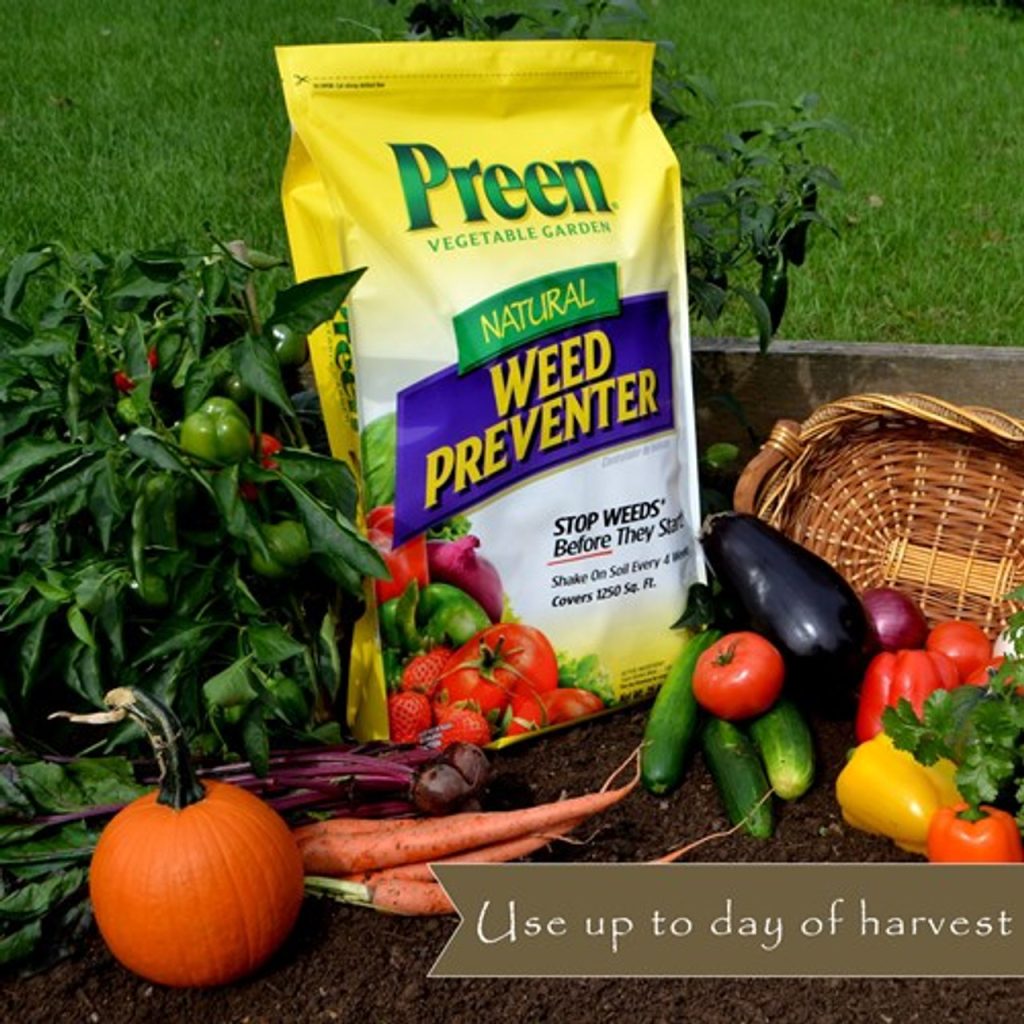
Growing your own vegetables is an incredibly rewarding experience. There’s nothing quite like biting into a juicy tomato or crisp cucumber fresh from your garden.
But as you might know, maintaining a vegetable garden can sometimes feel like a never-ending battle against weeds. You’ve probably heard about Preen, a popular weed preventer, and might be wondering, “Can you use Preen in a vegetable garden? ” This question is crucial because using the wrong product can harm your plants or even make your veggies unsafe to eat.
You want to keep your garden thriving and your produce healthy, right? We’ll uncover the truth about using Preen in your vegetable garden. We’ll explore its effects, benefits, and potential drawbacks so you can make an informed decision. Stick around to discover how you can enjoy a weed-free garden without compromising the safety and quality of your homegrown vegetables.
Using Preen In Vegetable Gardens
Preen can be used in vegetable gardens to control weeds effectively. Ensure that it is applied before planting to avoid harming the vegetables. Always read the label for safety instructions and compatibility with specific vegetable types.
Using Preen in Vegetable Gardens Maintaining a vegetable garden can be challenging. Weeds often compete with vegetables for nutrients. Preen, a popular weed control product, can help manage this. It’s essential to know how to use it correctly in vegetable gardens. Understanding Preen’s benefits and limitations ensures healthy plants and a bountiful harvest.What Is Preen?
Preen is a pre-emergent weed preventer. It stops weeds from growing by targeting seeds before they sprout. It doesn’t kill existing weeds. It’s safe for many garden plants if used properly.Benefits Of Using Preen
Using Preen in gardens offers several advantages. It reduces the need for manual weeding. This saves time and effort. Preen helps keep your garden looking neat. It also supports healthy vegetable growth by reducing competition for nutrients.How To Apply Preen Safely
Read the label before applying Preen. Follow the instructions closely. Apply it around established plants, avoiding direct contact with seeds. Use it after planting your vegetables. Water your garden after application to activate Preen.Vegetables Compatible With Preen
Not all vegetables are safe with Preen. Established vegetables like tomatoes and peppers are usually fine. Avoid using it near seedlings or newly planted seeds. Consult the product guide for a complete list of compatible plants.Precautions And Considerations
Consider the timing of application. Only use Preen after plants are well-established. Avoid using it on leafy greens directly. Monitor your garden for any signs of plant distress. Adjust usage as needed to ensure plant health. Manual weeding is always an option. Mulching can also help reduce weeds. Organic weed preventers are available for those preferring chemical-free gardening. Explore different methods to find what works best for your garden.
Credit: www.tractorsupply.com
Preen Product Varieties
Exploring Preen’s variety reveals options for different garden needs. Some Preen products are safe for vegetable gardens. Always check labels to ensure suitability for edible plants.
Preen Product Varieties Preen offers various products for gardens. Each is designed to help keep weeds at bay. It’s important to know the types available. This allows you to choose the best option for your vegetable garden.Organic Vs. Synthetic Options
Preen provides both organic and synthetic choices. Organic Preen uses natural ingredients. These include corn gluten and plant oils. They are eco-friendly and safe for vegetables. Synthetic Preen uses chemicals for weed control. It may work faster but can affect soil health. Consider your garden needs and environmental impact.Choosing The Right Preen
Choosing the best Preen depends on your garden’s requirements. Think about the type of vegetables you grow. Organic Preen is suitable for sensitive plants. It keeps the garden safe from harmful chemicals. Synthetic Preen suits larger gardens needing robust weed control. Evaluate your garden size and weed issues. Select a product that aligns with your gardening goals.Safety Considerations
Using Preen in a vegetable garden raises important safety considerations. Understanding these factors helps protect both plants and the environment. Let’s explore how Preen impacts soil health and pollinators.
Impact On Soil Health
Preen can affect soil composition. It may alter nutrient balance, impacting plant growth. Prolonged use can lead to soil compaction. This restricts air and water flow, essential for healthy roots. Some gardeners notice reduced soil fertility. This happens when beneficial organisms are disrupted.
Organic matter decomposition slows down. This affects nutrient availability. Careful application is crucial. Following guidelines helps minimize negative effects. Consider testing soil regularly. Adjust practices based on test results.
Effects On Pollinators
Pollinators are vital for vegetable gardens. Preen contains chemicals that can harm them. Bees and butterflies may avoid treated areas. This reduces pollination rates. Fewer pollinators means fewer fruits and vegetables.
Protecting pollinators is essential. Consider using Preen sparingly. Choose alternative methods that are pollinator-friendly. Encourage natural pollination by planting flowers. This attracts beneficial insects, enhancing garden productivity.

Credit: www.tractorsupply.com
Application Techniques
Preen can be used in vegetable gardens to prevent weeds. Apply it before planting seeds. Ensure the soil is evenly moist for best results.
Applying Preen in your vegetable garden can keep unwanted weeds at bay, but it’s crucial to use the right techniques to ensure the safety and productivity of your plants. Proper application can make all the difference between a thriving garden and one that struggles. Understanding the timing, frequency, and dosage is key to using Preen effectively and safely in your vegetable garden.Timing And Frequency
Applying Preen at the right time is essential. Ideally, you should apply it after planting your vegetables but before weeds start to germinate. If you wait too long, weeds may already take hold, making Preen less effective. Consider the growth cycle of your vegetables. You might need multiple applications throughout the season, but ensure there’s enough time between them to avoid harming your plants. Always read the product instructions to understand the recommended frequency for your specific garden setup.Proper Dosage
Using the right amount of Preen is critical. Too little, and it won’t prevent weeds; too much could harm your vegetables. Measure the area of your garden to calculate the correct amount needed. It’s helpful to use a spreader for an even application, ensuring that Preen covers the soil surface uniformly. Avoid clumping by spreading it in dry conditions and watering the garden afterward to activate the product. Have you ever applied too much fertilizer and seen your plants suffer? The same caution applies here. Always err on the side of caution and measure carefully to protect your vegetable garden’s health.Alternatives To Preen
Considering Preen’s chemical nature, many gardeners explore natural alternatives for vegetable gardens. Options like mulch, vinegar, and manual weeding offer safer, organic methods to control weeds effectively.
When considering alternatives to Preen for your vegetable garden, you open a world of possibilities for natural and sustainable gardening. Not only do these methods protect your produce, but they also promote a healthier ecosystem. Let’s delve into some practical strategies that can keep your garden thriving without resorting to chemical herbicides.Natural Weed Control Methods
Embrace natural weed control by using mulch. A thick layer of straw, grass clippings, or wood chips can suppress weeds and retain soil moisture. This method not only reduces weeds but also enhances soil health. Another option is hand-pulling weeds. Though labor-intensive, it’s highly effective and allows you to target specific areas. Consider dedicating a few minutes daily to this task, transforming it into a meditative gardening routine. You might also try boiling water. Pouring it over weeds can kill them instantly, though caution is needed to avoid harming nearby plants. This method is particularly useful for weeds growing between garden rows.Companion Planting Strategies
Companion planting is a fascinating strategy where certain plants support each other’s growth. Basil, for instance, can deter pests when planted alongside tomatoes. This not only reduces weeds but also enhances flavor. Consider planting marigolds around your vegetable garden. They release a scent that repels many pests, acting as a natural barrier. Plus, their vibrant flowers add a splash of color to your garden. Experiment with intercropping, where you grow fast-growing crops like lettuce between rows of slower-growing plants. This maximizes space and reduces weed growth by shading the soil. Could this be the key to a more efficient garden setup? By exploring these alternatives, you’re not only avoiding chemicals but also fostering a more vibrant and resilient garden ecosystem. Which method will you try first?
Credit: www.amazon.com
Expert Tips For Success
Using Preen in a vegetable garden requires caution, as it can prevent seed germination. Opt for organic alternatives or apply Preen only between established plants to keep weeds at bay without harming your veggies. Always follow package instructions for safe use.
If you’re considering using Preen in your vegetable garden, you’re not alone. Many gardeners wonder if this popular weed preventer can fit into their gardening strategy. The key to success lies in understanding how to maximize its effectiveness while maintaining organic standards. Let’s dive into some expert tips that can help you make the most of Preen without compromising the integrity of your garden.Maximizing Effectiveness
To get the best results from Preen, timing is crucial. Apply it before weeds have a chance to sprout, ideally after planting your vegetables but before they start growing. This proactive approach can significantly reduce weed competition. Consider the type of Preen you use. Some versions are specifically designed for use in vegetable gardens. These formulations are often safer and won’t harm your edible plants when used correctly. Keep an eye on the weather. Rain can wash away Preen, reducing its effectiveness. If you’re expecting heavy rainfall, delay application until conditions are dry and stable.Maintaining Organic Standards
If you’re committed to organic gardening, you might be worried about the chemicals in Preen. The good news is there are organic versions available. These alternatives use natural ingredients to prevent weed growth, keeping your garden chemical-free. Read labels carefully. Ensure that the Preen you choose is certified for organic use. This guarantees you’re not introducing unwanted elements into your garden. Reflect on your gardening goals. Do you prioritize organic standards above all else, or are you willing to compromise slightly for convenience? Your answer will guide your choice in using Preen. Your garden is a reflection of your values and priorities. By carefully considering how you use Preen, you can enjoy a thriving vegetable garden while staying true to your principles. What other strategies do you use to keep your garden healthy and vibrant? Share your thoughts and tips below!Frequently Asked Questions
Is Preen Safe On Vegetable Gardens?
Preen is generally not safe for vegetable gardens as it can harm edible plants. It’s best suited for non-edible plants and ornamental gardens. Always check the label for specific usage instructions to ensure safety.
Is Preen Safe For Tomato Plants?
Preen is not safe for use on tomato plants. It can harm seedlings and inhibit growth. Always read labels and choose a product specifically safe for vegetables. Consider organic alternatives to ensure the health of your tomato plants.
Where Should You Not Use Preen?
Avoid using Preen on flower seeds, vegetable seeds, and areas where seeds are actively germinating. Don’t apply near water bodies, as it may harm aquatic life. Keep away from desired plants and roots, as it can prevent growth. Always read the label for specific restrictions and safety guidelines.
How Do You Apply Preen To A Vegetable Garden?
Apply Preen after planting vegetables and before weeds grow. Spread evenly over soil, avoiding direct contact with plants. Water the area to activate the product. Follow the instructions on the packaging for best results. Ensure soil is free of weeds before application for optimal effectiveness.
Conclusion
Using Preen in a vegetable garden has pros and cons. Carefully consider its impact on plants. It’s important to follow instructions closely. Preen can help reduce weeds, but it might affect seedlings. Choosing the right product is key. Organic options might be safer for edible plants.
Always test in a small area first. This ensures safety for your vegetables. A little planning goes a long way. Enjoy a weed-free garden with thoughtful care. Your vegetables deserve the best treatment. Make informed choices for a healthy harvest.
Happy gardening!


