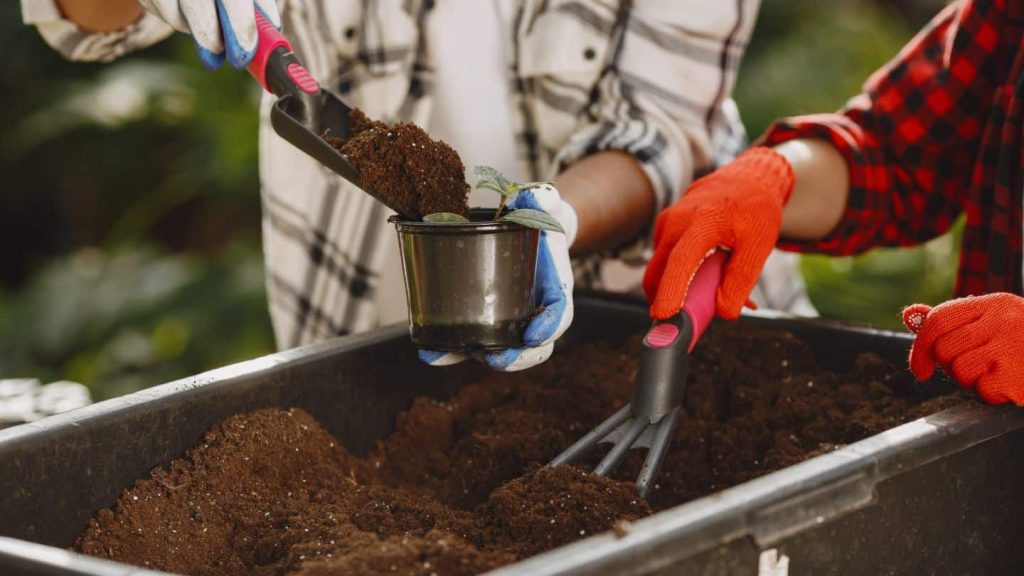
Are you tempted to use the soil from your garden for your potted plants? It seems like a convenient and cost-effective solution, doesn’t it?
After all, it’s right there, and it’s free! But before you dig in and fill your pots, let’s pause for a moment. The choice of soil can make or break your plants. The wrong decision might lead to wilting leaves, stunted growth, or worse, the demise of your beloved greenery.
You’ll discover the truth about using garden soil for pots. We’ll explore whether it’s a viable option or a horticultural faux pas. Stay with us to ensure your plants thrive and flourish!

Credit: savvygardening.com
Garden Soil Vs. Potting Mix
Using garden soil in pots can lead to poor drainage. Potting mix is specifically designed for container gardening, ensuring healthy plant growth. It’s lightweight and retains moisture well.
Understanding the difference between garden soil and potting mix is crucial for successful container gardening. Garden soil is the earth from your garden, full of nutrients and microorganisms. Potting mix is a specially formulated medium designed for potted plants. Choosing the right one can make or break your plant’s health.Garden Soil Characteristics
Garden soil is dense and rich in organic matter. It holds moisture well, which is great for outdoor plants. It contains minerals and nutrients from decomposed materials. But it can compact in pots, limiting air flow. Compaction restricts root growth, affecting plant health.Potting Mix Features
Potting mix is lightweight and airy. It’s designed to drain well, preventing root rot. It often contains peat, perlite, or vermiculite. These ingredients help maintain proper moisture levels. Potting mix offers a sterile environment, reducing pests and diseases.Pros And Cons Of Garden Soil
Garden soil is cost-effective and natural. It’s perfect for outdoor gardens. But in pots, it can cause drainage issues. Poor drainage leads to waterlogged roots. It may also carry weeds or insects.Benefits Of Using Potting Mix
Potting mix is ideal for container plants. It’s free from weeds and pathogens. It ensures proper air circulation. This promotes healthy root development. While more expensive, it’s worth the investment for potted plants.Choosing The Right Option For Your Plants
Consider plant type and location when choosing. For outdoor beds, garden soil works well. For indoor and container plants, opt for potting mix. Evaluate the specific needs of your plants. Ensure they have the best medium to thrive.
Credit: homefortheharvest.com
Components Of Garden Soil
Can You Use Garden Soil for Pots Garden soil contains essential components like sand, silt, and clay, providing nutrients and structure. It often lacks proper drainage and aeration for potted plants. Mixing with potting soil improves drainage and nutrient availability for container gardening.
Garden soil is a rich mix of natural elements. It’s what makes plants thrive in your garden. But what exactly is in garden soil? Understanding its components can help you decide if it’s right for your pots.Soil Particles
Garden soil contains a mix of particles. These include sand, silt, and clay. Sand particles are the largest. They help with drainage. Silt particles are medium-sized. They hold nutrients well. Clay particles are the smallest. They retain water and nutrients effectively.Organic Matter
Organic matter is a vital component. It comes from decomposed plants and animals. This matter enriches the soil. It provides nutrients essential for plant growth. Organic matter also improves soil structure. It helps retain moisture and supports beneficial microbes.Minerals
Minerals play a crucial role. They originate from rock particles in the soil. Essential minerals like potassium, calcium, and magnesium aid plant health. They help in various plant functions. These minerals are often naturally present in garden soil.Microorganisms
Microorganisms are abundant in garden soil. These include bacteria, fungi, and other tiny organisms. They break down organic matter. This process releases nutrients into the soil. Microorganisms also help protect plants from diseases.Air And Water
Air and water fill the spaces between soil particles. They are key for plant survival. Roots need air to breathe. Water is vital for nutrient transport. The right balance of air and water is crucial for healthy plant growth.Characteristics Of Potting Mix
Garden soil is often too dense for pots, lacking proper drainage and aeration. Potting mix is lighter and designed for containers, ensuring plants get the right nutrients and airflow. Using garden soil in pots can lead to poor plant growth due to compactness and water retention issues.
Potting mix is a crucial element for successful container gardening. It offers unique characteristics that make it suitable for pots. Unlike garden soil, potting mix is tailored to provide the right environment for plants in confined spaces.Lightweight Composition
Potting mix is lighter than garden soil. This helps with drainage and aeration. Plants in pots need less weight to thrive. Lightweight materials in the mix prevent compaction. This ensures roots have room to grow.Enhanced Drainage
Good drainage is vital in pots. Potting mix often includes materials like perlite or vermiculite. These materials improve water flow. This prevents waterlogging and root rot. Proper drainage keeps plants healthy.Nutrient-rich
Potting mix is often enriched with nutrients. These nutrients support plant growth. Fertilizers are mixed in to sustain plants. Nutrient-rich mixes promote vigorous growth. Garden soil may lack these added nutrients.Disease-free
Potting mix is usually sterilized. Sterilization removes harmful pathogens. This reduces the risk of disease. Garden soil may carry pests or diseases. Using potting mix keeps plants safe from these risks.Consistent Texture
Potting mix has a uniform texture. This consistency aids root development. It ensures even water distribution. A consistent texture supports plant stability. Garden soil can vary, affecting plant growth. Potting mix offers many advantages for container gardening. It is designed to meet the needs of plants in pots. Understanding these characteristics can help you choose the right mix for your plants.
Credit: reddirtramblings.com
Suitability For Container Gardening
Garden soil is often too dense for pots, leading to poor drainage. Opt for potting mix instead. Potting mixes provide better aeration and nutrients for container plants.
Container gardening is an excellent way to bring nature into your living space, whether you have a sprawling backyard or a small balcony. But not all soil is created equal when it comes to filling your pots. You might wonder if garden soil is a suitable choice for your containers. Let’s dive into its suitability and what you should consider before making that choice.Understanding Garden Soil Composition
Garden soil is typically rich in organic matter and minerals. It’s great for garden beds, where it benefits from earthworms and natural aeration. However, in a pot, garden soil can become compacted, leading to poor drainage and root growth. Using garden soil alone in containers can result in waterlogged roots. This might stress your plants and stunt their growth.Drainage And Aeration Challenges
Pots and containers lack the natural drainage that garden beds provide. Garden soil tends to compact over time, blocking water flow. Poor drainage can suffocate plant roots, causing root rot. To improve aeration, consider mixing garden soil with other materials.Amending Garden Soil For Pots
You can make garden soil more suitable for pots by amending it. Mix it with potting mix or perlite to improve drainage. Adding compost can boost nutrient content, providing a healthier environment for your plants.Benefits Of Potting Mix
Potting mix is specifically designed for container gardening. It offers excellent drainage and aeration, preventing root problems. Unlike garden soil, potting mix is lightweight, making it easier to move your pots around.Personal Experience With Container Gardening
When I first started container gardening, I used garden soil, thinking it was the same as potting mix. My plants struggled, and I quickly learned the importance of proper soil. Switching to a potting mix transformed my container garden. My plants thrived, and I enjoyed a lush, green space on my balcony.Making The Right Choice For Your Plants
Consider the specific needs of your plants when choosing soil. Some plants may tolerate garden soil better than others. Research the best soil type for each plant to ensure healthy growth. Would you risk your plant’s health by using unsuitable soil? Choose wisely to create a thriving container garden.Challenges Of Using Garden Soil In Pots
Garden soil can compact in pots, restricting root growth and drainage. It may also contain pests and weeds, disrupting plant health. Mixing garden soil with potting mix can enhance aeration and nutrient retention.
Using garden soil for pots might seem like a convenient option, but it presents several challenges that can impact your plants’ health and growth. Understanding these challenges is crucial to making informed decisions about your gardening practices. Let’s delve into the specific hurdles you may face when opting for garden soil in container gardening.Drainage Issues
Garden soil is often dense and compact, which can lead to poor drainage in pots. Unlike the ground, pots have limited space for water to move around. Excess water can accumulate, suffocating roots and leading to root rot. Have you ever noticed your plants looking soggy and lifeless? This might be due to inadequate drainage. Consider adding materials like perlite or sand to improve soil aeration and water flow.Nutrient Imbalance
Garden soil may not provide the balanced nutrients your potted plants need. In the ground, plants can access a vast array of nutrients, but in pots, they’re confined to what’s available in the limited soil. This imbalance can result in stunted growth or discolored leaves. You might need to supplement with fertilizers to ensure your plants receive the necessary nutrients.Pest And Disease Risks
Garden soil can be a breeding ground for pests and diseases. Unlike potting soil, which is often sterilized, garden soil can harbor unwanted organisms that thrive in the enclosed pot environment. Have you ever had a plant suddenly wilt despite your best care? It could be due to hidden pests or diseases brought in with garden soil. Regular inspection and treatment are vital to prevent infestations and maintain plant health. Addressing these challenges can mean the difference between thriving plants and those struggling to survive. Are you willing to take these risks, or is it time to consider alternatives?Improving Garden Soil For Pots
Garden soil can be used in pots, but it requires amendments for optimal plant growth. Mixing it with compost improves drainage and nutrients. Adding perlite or sand can enhance aeration, preventing root rot.
Improving garden soil for pots can transform your container gardening experience. Using garden soil directly in pots often leads to poor drainage and compacted roots. The good news is that with a few amendments, you can enhance its structure and nutrient content, making it ideal for potted plants.Amending With Perlite Or Vermiculite
Adding perlite or vermiculite is a game-changer for potting soil. These materials improve aeration and drainage, crucial for healthy root growth. Perlite is a lightweight, volcanic rock that keeps soil loose and prevents compaction. Vermiculite, on the other hand, retains moisture, making it perfect for plants that prefer consistently damp soil. Consider a mix of about 20-30% perlite or vermiculite with your garden soil. This ratio provides a balanced environment for most potted plants.Incorporating Organic Matter
Organic matter enriches garden soil, boosting its fertility and moisture retention. Compost or well-rotted manure are excellent choices. By adding organic matter, you increase the nutrient content, providing a slow release of essential elements over time. This is especially beneficial for long-term plant health. Mixing in organic matter also enhances soil texture, promoting better root development and plant growth. A simple blend of one part garden soil to one part organic matter can make a significant difference. Have you tried adding organic matter to your garden soil for pots? If not, it’s time to see how your plants thrive with this simple improvement.When To Consider Potting Mix
When you’re deciding between garden soil and potting mix for your pots, there are certain situations where potting mix is the better option. Potting mix is specifically designed to provide the ideal environment for potted plants, ensuring proper aeration, drainage, and nutrient content. Understanding when to choose potting mix over garden soil can make all the difference in the health and growth of your plants.
For Seed Starting
Starting seeds is a delicate process that requires the right balance of moisture and nutrients. Potting mix is often lighter and more aerated than garden soil, which helps seeds germinate effectively. Garden soil can be too dense, potentially stifling young roots. Using potting mix gives your seeds the best chance to thrive, leading to healthier seedlings.
For Indoor Plants
Indoor plants have specific needs that garden soil may not meet. Potting mix is designed to retain moisture while also providing adequate drainage, essential for indoor environments. Garden soil might harbor pests or fungi, which can be detrimental indoors. Potting mix ensures your indoor plants remain healthy, vibrant, and free from unwanted pests.
Expert Advice For Healthy Potted Plants
Transforming your garden into a lush paradise often involves the strategic use of pots and containers. While the temptation to use garden soil for these pots is strong, experts caution against it. To ensure your potted plants thrive, it’s crucial to follow expert advice on various aspects from container choice to watering and fertilization.
Choosing The Right Container
The type of container you choose can significantly impact plant health. Opt for containers with drainage holes to prevent waterlogging, a common pitfall in potted gardening. Material also matters; terracotta pots are breathable but dry out quickly, while plastic retains moisture better but may overheat in direct sunlight.
Consider the size of the pot relative to the plant’s root system. A pot too small will stunt growth, while an overly large one can lead to root rot. Choose a container that allows for growth, yet offers stability and proper drainage.
Ensuring Proper Watering
Watering potted plants can be tricky. Unlike garden soil, potting mixes dry out faster, demanding more frequent watering. Stick your finger an inch into the soil; if it feels dry, it’s time to water.
Avoid overwatering by ensuring excess water can escape through drainage holes. Consider using self-watering pots or adding a layer of gravel at the base to aid drainage. Remember, consistent watering schedules promote healthy root systems.
Fertilization Tips
Potted plants have limited access to nutrients, making fertilization essential. Use a balanced, water-soluble fertilizer every few weeks during the growing season. This ensures your plants receive essential nutrients for growth and flowering.
Avoid over-fertilizing, which can lead to nutrient burn. It’s better to under-fertilize than overdo it. Keep an eye on your plant’s leaves for signs of nutrient deficiency or excess—yellowing can indicate a lack, while browning tips often signal too much.
Have you ever tried using garden soil in pots? What challenges did you face, and how did you overcome them? Sharing your experiences might help others avoid similar pitfalls.
Frequently Asked Questions
Can I Use Garden Soil Mix In Pots?
Using garden soil mix in pots isn’t recommended. It may compact, leading to poor drainage and root issues. Opt for potting soil designed for containers, which ensures better aeration and nutrient balance. This choice promotes healthier plant growth and prevents potential problems associated with garden soil in confined spaces.
What Kind Of Soil Do You Use For Pots?
Use well-draining potting soil rich in organic matter for pots. Choose soil with peat, perlite, or vermiculite. Ensure it retains moisture but drains excess water efficiently. Avoid garden soil, which can compact and hinder plant growth. Prioritize high-quality potting mixes for optimal plant health.
Can You Use Garden Soil For Regular Plants?
Garden soil isn’t ideal for potted plants. It can compact easily, affecting drainage and root health. Use potting mix instead for better aeration and nutrients. Potting mix helps plants thrive in containers.
Is Garden Soil Suitable For Pots?
Garden soil is not ideal for pots as it can compact easily. This can restrict root growth and drainage. Potting soil is lighter and designed for container gardening. It allows better aeration and moisture retention. Consider mixing garden soil with potting mix for improved results.
Conclusion
Using garden soil in pots can lead to problems. It may compact, reducing air and water flow. Pests and diseases might invade. Potting mix is better for containers. It provides proper nutrients and drainage. You can mix garden soil with potting mix.
This offers balance. Plants thrive with good soil conditions. Choose wisely for healthy growth. Always consider your plant’s needs first. A little effort ensures your plants flourish. Happy gardening!


