Imagine this: you’ve spent countless hours planning, planting, and nurturing your vegetable garden. The anticipation of fresh produce is almost tangible.
But then, the unwelcome sight of weeds starts to take over your little patch of paradise. It’s frustrating, isn’t it? You want a solution that’s effective yet safe for your precious veggies. That’s where the question arises: Can you put Preen in a vegetable garden?
With so many products claiming to keep weeds at bay, it’s crucial to know what works best for your garden without compromising the health of your plants. This question stirs curiosity because choosing the wrong product could mean the difference between a bountiful harvest and a garden gone wrong. We will dive into the specifics of using Preen in your vegetable garden. You’ll learn about its benefits, potential risks, and how to use it effectively if it’s suitable for your needs. By the end, you’ll have a clear understanding of whether Preen is the right choice for your garden, empowering you to make informed decisions and keep your garden thriving. Keep reading to uncover the secrets to a weed-free vegetable paradise.

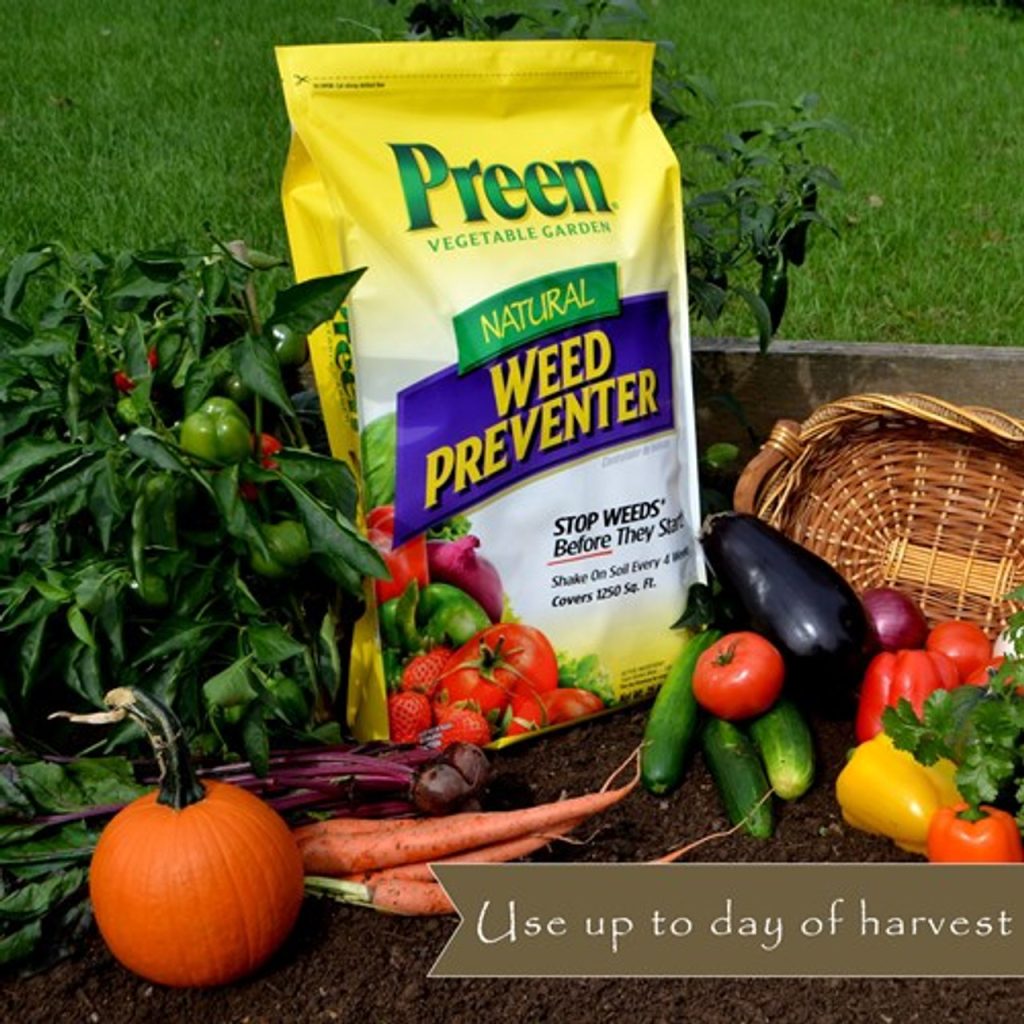
Credit: www.tractorsupply.com
Preen And Its Uses
Preen is a popular garden weed preventer, but using it in vegetable gardens requires caution. It’s essential to check the label for safe use around edible plants to avoid harming your vegetables.
Preen and Its Uses Gardening enthusiasts often seek ways to manage weeds effectively. Preen is a popular choice for controlling unwanted plants. It offers a solution to keep gardens neat and tidy. Understanding its uses can help maximize its benefits.What Is Preen?
Preen is a pre-emergent weed preventer. It stops seeds from sprouting by creating a barrier in the soil. This prevents weeds from growing without affecting established plants. It’s easy to apply and works well in various garden settings.Common Applications Of Preen
Preen is versatile in its use. It can be applied to flower beds, pathways, and around shrubs. Many gardeners use it to maintain clean landscapes. It helps reduce the time spent on weeding. With proper application, Preen keeps gardens weed-free.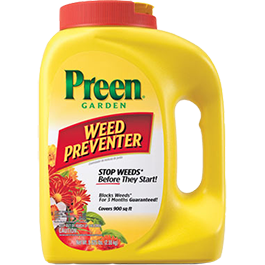
Credit: gardencenterexpress.com
Preen In Vegetable Gardens
Preen is a popular weed preventer used in many gardens. People wonder if it’s safe for vegetable gardens. This section explores the potential risks and benefits of using Preen in vegetable gardens.
Potential Risks Of Using Preen
Preen can affect seed germination. It might stop vegetable seeds from sprouting. The chemical can linger in the soil. This can harm future plantings. Some vegetables may be sensitive to Preen. It’s crucial to check the label for safe usage. Using too much can damage plants. Always follow the application guidelines. Overuse could lead to soil imbalance. This can affect plant growth negatively.
Benefits Of Using Preen
Preen helps prevent weeds. This reduces competition for nutrients. It saves time on manual weeding. Less weeds mean healthier crops. Preen can improve garden aesthetics. A weed-free garden looks tidy. It supports better vegetable growth. Preen allows more focus on caring for vegetables. It simplifies garden maintenance significantly.
Safety Tips For Preen Application
When it comes to maintaining a healthy vegetable garden, knowing how to safely apply Preen can be crucial. Preen is a popular pre-emergent herbicide used to prevent weeds, but you need to be cautious to ensure it doesn’t affect your vegetables. Safety tips can help you harness its benefits without compromising your garden’s health.
Proper Timing For Application
Timing is everything when applying Preen. You should apply it after planting your vegetables and before weeds start to appear. This prevents the unwanted growth before it has a chance to sprout.
Consider the specific needs of your plants. Some vegetables might be sensitive to herbicides at certain growth stages. A gardener once shared how applying Preen too early affected their seedlings adversely. Avoid this by waiting until your plants are established.
Correct Dosage And Method
Accuracy in dosage is key. Over-application can harm your plants, while under-application might not prevent weeds effectively. Follow the instructions on the Preen package carefully.
Using a spreader can ensure even distribution. A friend of mine learned the hard way when hand application led to patchy results, with weeds thriving in untreated areas. Do you want to spend extra time weeding later?
Think about your garden layout. Applying Preen directly to soil where seeds are planted can hinder their growth. Instead, focus on areas between rows and around established plants.
Alternatives To Preen
While Preen might be a popular choice for weed control, many gardeners seek alternatives that are more natural and eco-friendly. You might be among those who prefer methods that don’t involve synthetic chemicals, especially in a vegetable garden where the produce ends up on your table. Let’s explore some effective alternatives that can keep your garden weed-free while maintaining its health and productivity.
Natural Weed Control Methods
One of the simplest natural methods is mulching. A thick layer of organic mulch, like straw or wood chips, can prevent sunlight from reaching weed seeds, inhibiting their growth. Not only does this keep weeds at bay, but it also retains soil moisture and adds nutrients as it decomposes.
Hand weeding, though labor-intensive, is another effective approach. It allows you to remove weeds completely, roots and all, reducing the chance of them growing back. Consider it a peaceful routine, perhaps while listening to your favorite podcast or enjoying the morning sun.
Companion planting is an innovative method that uses plants to suppress weeds. By planting ground covers or fast-growing crops alongside your vegetables, you can create a natural barrier against unwanted plants. Ever tried planting nasturtiums or marigolds? They not only fend off pests but also crowd out weeds.
Homemade Solutions
Looking for a DIY approach? Vinegar is a household staple that doubles as a weed killer. Its acetic acid content makes it an effective solution for targeting young weeds. Simply spray it directly on the leaves, but be cautious—it’s non-selective and can harm your veggies if misapplied.
Another easy homemade remedy is a mixture of salt and water. This solution dehydrates weeds, causing them to wither away. Just remember, salt can affect soil quality, so use it sparingly and avoid your vegetable plants.
Corn gluten meal is a byproduct of corn processing that acts as a pre-emergent weed control. It prevents weed seeds from germinating, making it a proactive choice. Spread it on your garden beds early in the season for best results.
Do these alternatives sound appealing to you? Experimenting with different methods could lead to discovering what works best for your garden. After all, every gardener develops their own rhythm and style over time.
Maintaining A Healthy Vegetable Garden
Preen can be used in a vegetable garden with caution. It’s essential to choose the right type, as some Preen products can harm edible plants. Always read labels and ensure compatibility with vegetables to maintain a healthy garden.
Maintaining a healthy vegetable garden requires a blend of knowledge, patience, and a touch of creativity. The choices you make can significantly impact the quality and productivity of your garden. Let’s explore some crucial aspects of nurturing your vegetable garden, starting with soil health and fertility, and then moving on to companion planting techniques.Soil Health And Fertility
The foundation of a thriving vegetable garden lies in its soil. Healthy soil is rich in nutrients and teeming with beneficial microorganisms. Regularly test your soil to understand its composition and nutrient levels. Consider adding organic matter like compost or well-rotted manure to boost fertility. These additions improve soil structure, promote drainage, and supply essential nutrients. Crop rotation is another strategy to maintain soil health. By changing the location of your plants each year, you prevent nutrient depletion and reduce the risk of diseases.Companion Planting Techniques
Companion planting is a smart way to enhance growth and deter pests naturally. Some plants, when grown together, can boost each other’s growth or repel harmful insects. For example, planting marigolds near tomatoes can help keep nematodes at bay. Similarly, basil planted next to tomatoes can enhance flavor and growth. Consider the space and sunlight needs of each plant. Choose companions that complement each other’s growth patterns and resource requirements. Are there certain plants you love growing together? Experiment and observe how different combinations influence your garden. This hands-on approach can lead to delightful discoveries and a more resilient vegetable garden.
Credit: www.amazon.com
Frequently Asked Questions
Is Preen Safe In A Vegetable Garden?
Preen is not safe for all vegetable gardens. It contains chemicals harmful to some edible plants. Check the product label for specific usage guidelines. Organic versions of Preen are available and safer for use in vegetable gardens. Always follow instructions carefully to ensure plant safety.
How Do You Apply Preen To A Vegetable Garden?
Apply Preen after planting your vegetables. Spread it evenly over the soil surface. Water the area to activate the product. Avoid disturbing the soil after application. Reapply every 9-12 weeks for continuous weed prevention. Always follow the instructions on the label for best results.
Is Preen Safe For Tomato Plants?
Preen is not safe for tomato plants. It can harm seedlings and hinder plant growth. Use caution when applying Preen near tomatoes. Always read the label for specific plant safety guidelines. Consider alternative weed control methods for tomato gardens to ensure healthy growth and yield.
What Is The Best Defense Against Weeds In Your Vegetable Garden?
The best defense against weeds is regular mulching and hand weeding. Use organic mulch to suppress weed growth. Plant crops densely to limit space for weeds. Consistent monitoring helps catch weeds early. Maintain healthy soil to prevent weed proliferation. These practices ensure a clean, productive vegetable garden.
Conclusion
Using Preen in a vegetable garden needs careful thought. It controls weeds but may impact young plants. Always read product labels. Understand how it works before applying. Consider alternatives if unsure. Organic methods could be safer for edible plants. Each garden is unique.
Test in small areas first. Monitor plant growth and health closely. Your garden’s success depends on informed choices. Make decisions based on your garden’s needs. Protect your vegetables while managing weeds effectively. Happy gardening!