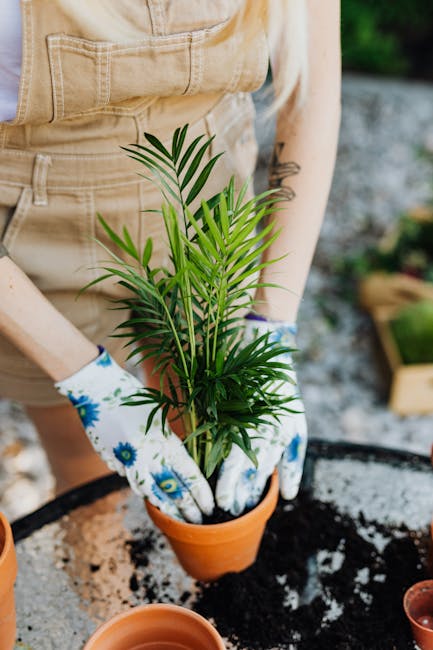
Have you ever found yourself staring at that bag of potting soil, wondering if it could be the secret ingredient your garden needs? You’re not alone.
Many gardening enthusiasts like you grapple with the same question: can you put potting soil in the garden? It’s a tempting thought, isn’t it? After all, that rich, dark soil seems like it could work wonders for your plants. But before you start sprinkling it around, let’s delve into what potting soil really is and whether it belongs in your outdoor garden.
This might just be the game-changing tip your garden has been waiting for. Keep reading to uncover the truth and make the best choice for your garden’s success.
Potting Soil Vs. Garden Soil
When deciding whether to use potting soil or garden soil for your plants, understanding the difference between them can make a world of difference. While both serve to nurture your plants, they have distinct characteristics and functions. Choosing the right soil can be the key to a thriving garden.
Composition Differences
Potting soil is typically a blend of peat moss, vermiculite, and perlite. These ingredients ensure good aeration and drainage, making it ideal for container plants. You might notice that potting soil feels lighter and fluffier, which is perfect for potted plants that need space for roots to breathe.
Garden soil, on the other hand, is denser and richer in natural elements like clay, silt, and sand. It is designed to work in tandem with the earth’s natural soil. This makes it better suited for in-ground planting, where plants can tap into the broader ecosystem.
Nutrient Content
Potting soil often comes fortified with added nutrients and fertilizers. These are essential for container plants, which rely solely on the soil for nourishment. However, these nutrients can deplete quickly, so regular replenishment may be necessary.
Garden soil usually contains organic matter from decomposed plants and animals, providing a more sustained release of nutrients. If you’re gardening directly in the ground, your plants can benefit from the nutrients found in the surrounding soil. But remember, not all garden soil is created equal, and testing your soil’s nutrient levels can help you understand what amendments it might need.
Have you ever wondered why some plants thrive in pots while others seem to struggle? Understanding these composition and nutrient differences is crucial. It might just be the secret to achieving that lush, vibrant garden you’ve always dreamed of. Are you ready to make the right choice for your garden?
Benefits Of Potting Soil In Gardens
Potting soil enriches gardens by improving soil structure and enhancing drainage. It provides essential nutrients for plant growth.
Potting soil isn’t just for your potted plants; it can be a game-changer in your garden too. It’s packed with nutrients and has a texture that can improve your garden soil. But how exactly does potting soil benefit your garden? Let’s dive into the specifics.Improved Drainage
Using potting soil in your garden can significantly enhance drainage. Unlike regular garden soil, potting soil is specially formulated to allow water to pass through easily. This prevents waterlogging and reduces the risk of root rot. Have you ever faced the frustration of stagnant water after a heavy rain? A layer of potting soil can be the solution. It ensures that excess water drains away, keeping your plants healthy and thriving.Enhanced Aeration
Potting soil also boosts aeration, which is crucial for plant roots. The airy structure of potting soil allows oxygen to reach the roots more effectively. This is especially important for root development and overall plant health. Think of the times your plants seemed stunted despite your best efforts. The issue might have been poor aeration. By mixing potting soil into your garden, you create an environment where roots can breathe and expand. Adding potting soil to your garden isn’t just about improving soil quality; it’s about creating the best possible conditions for your plants to flourish. Have you considered how this simple change could transform your garden’s productivity?Potential Drawbacks
Using potting soil in a garden might seem beneficial, but there are drawbacks. Understanding these potential issues can save time and money.
Cost Considerations
Potting soil often costs more than garden soil. It is designed for container plants, making it less economical for large garden areas. Purchasing potting soil in bulk can be expensive, especially for extensive gardens. Garden soil is usually more affordable for larger spaces.
Nutrient Imbalance
Potting soil might contain nutrients not suitable for all garden plants. It is often rich in nutrients for potted plants, which can lead to imbalance in garden soil. Garden plants may require different nutrient levels for optimal growth. Over-fertilization from potting soil can affect plant health negatively.

Credit: www.marthastewart.com
Best Practices For Using Potting Soil Outdoors
Potting soil can be used in gardens, but it’s best for containers. It offers good drainage and nutrients. Mixing it with garden soil enhances the soil structure, benefiting plant growth outdoors.
Using potting soil in your garden can be a game-changer, but knowing how to do it right is key. Potting soil is specially formulated for container plants, but it can also benefit your outdoor garden when used properly. Here are some best practices to help you make the most of potting soil in your outdoor space.Mixing Ratios
Getting the right mix is crucial for your garden’s success. Typically, mixing potting soil with your native garden soil at a 1:1 ratio works well. This balance ensures that your plants get the benefits of potting soil’s aeration and drainage while still connecting with the local ecosystem. Consider your garden’s unique needs. If your soil is heavy clay, add more potting soil to improve drainage. If it’s sandy, a smaller amount of potting soil can help retain moisture.Seasonal Considerations
The time of year can affect how you use potting soil outdoors. In spring, when plants are starting to grow, mixing potting soil with your garden soil can give them a nutrient boost. During hotter summer months, potting soil can help retain moisture, reducing the frequency of watering. In autumn, it can prepare your soil for winter by improving structure and nutrient content. Think about your climate. In areas with harsh winters, extra potting soil can protect roots from extreme cold. For warmer regions, it can help manage soil temperature and moisture levels throughout the year. By following these best practices, you can enhance your garden’s health and productivity, making every season a success.Alternatives To Potting Soil
Potting soil is often the go-to choice for container gardening, but when it comes to garden beds, there are plenty of alternatives that can enrich your garden more effectively. Why limit yourself to potting soil when you have options that can boost soil health and plant growth? Exploring these alternatives can make your gardening experience more rewarding and sustainable.
Compost Integration
Compost is a fantastic alternative to potting soil for your garden. It’s rich in nutrients and improves soil structure, providing a perfect environment for plant roots. You can create your own compost pile by collecting kitchen scraps, yard waste, and other organic materials.
Mix it into your garden soil to enhance fertility and moisture retention. A friend once shared how she transformed her garden by integrating compost, leading to a dramatic increase in vegetable yield. Imagine how nutrient-rich soil can transform your gardening success!
Consider asking yourself, what organic materials are readily available in your home that could contribute to compost creation? Utilizing compost not only recycles waste but also enriches your soil naturally.
Using Mulch
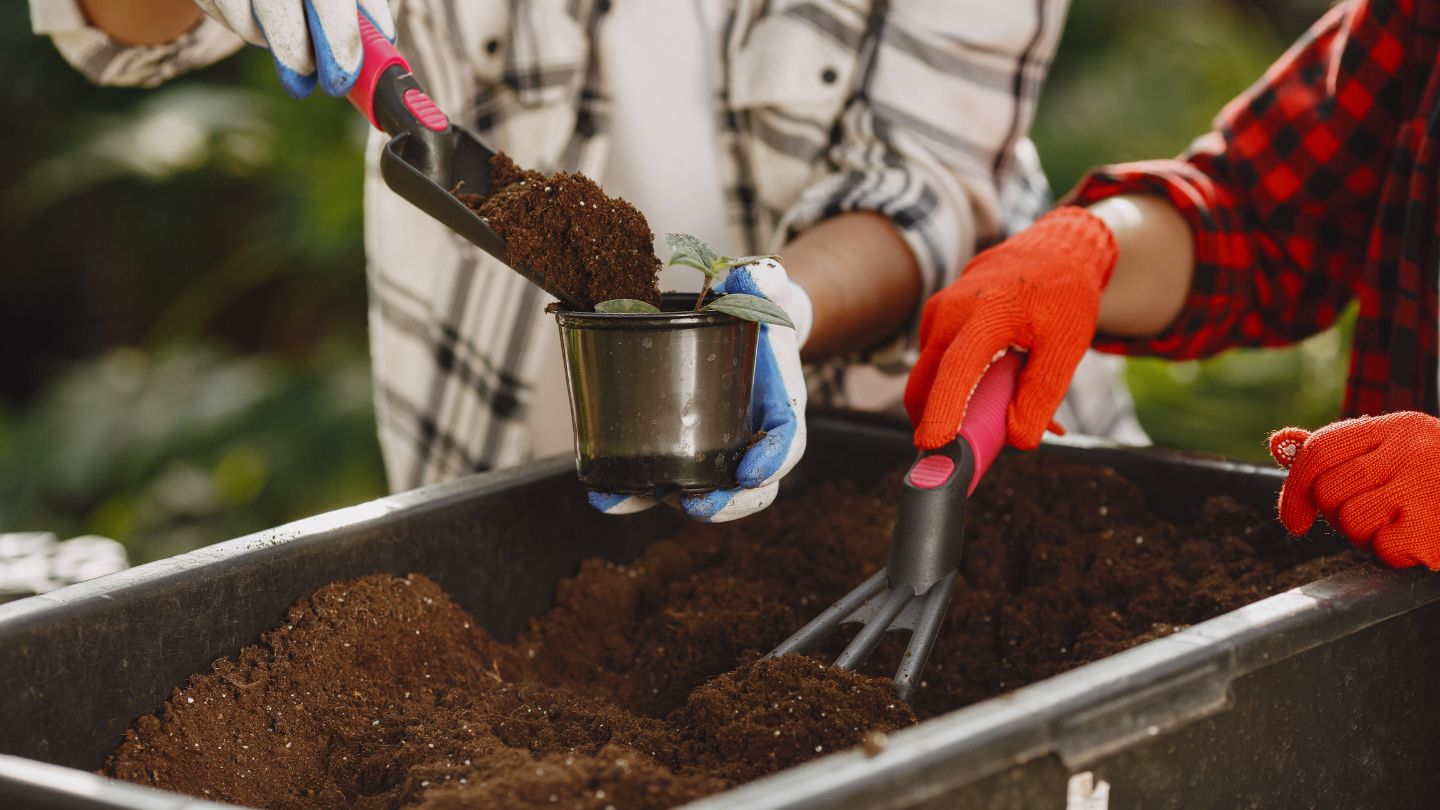
Mulch is another valuable alternative that offers multiple benefits beyond just replacing potting soil. It helps retain moisture, reduces weed growth, and keeps the soil temperature stable. You can use organic mulch like straw, wood chips, or leaves to cover the garden bed.
Applying mulch is simple—spread a layer around your plants. This method was recommended by a seasoned gardener who found that mulch significantly reduced her water usage during hot summers. Why not explore how mulch can help your garden thrive?
Think about the materials you have access to; perhaps fallen leaves in your yard could be repurposed as mulch. It’s about using what you have to create a healthier garden environment.
Credit: mulchpros.com
Expert Tips For Garden Success
Potting soil can enhance garden beds, improving drainage and nutrient availability. Blend it with native soil for best results. This mix supports plant growth and boosts overall garden health.
Gardening is both an art and a science, and getting it right can be incredibly rewarding. If you’ve ever wondered whether you can use potting soil in your garden, you’re not alone. While potting soil is great for containers, gardens require a slightly different approach. To ensure your garden thrives, understanding a few expert tips can make all the difference. Let’s dive into some practical advice that will help transform your garden into a lush oasis.Soil Testing Methods
Before adding potting soil to your garden, it’s crucial to know what your current soil lacks or has in abundance. A simple soil test can reveal a wealth of information about your soil’s pH levels, nutrient content, and composition. You can easily purchase a home soil testing kit online or from a local garden center. These kits offer step-by-step instructions, allowing you to get results quickly. Alternatively, sending a sample to a local extension service or lab can provide a more detailed analysis. This data will guide you in amending your soil accurately, ensuring your plants get exactly what they need.Tailoring To Plant Needs
Different plants have different needs, and understanding these can help you decide how to use potting soil effectively. Some plants prefer well-drained, sandy soil, while others thrive in rich, loamy mixtures. Take the time to research the specific requirements of the plants in your garden. This knowledge allows you to tailor the soil mix, adding components like compost or sand when needed. For instance, if you’re growing tomatoes, they prefer a slightly acidic, nutrient-rich environment. Adding potting soil that is already balanced for these needs can give your tomatoes a head start. By customizing your approach, you ensure each plant is set up for success from the very beginning. Consider what unique requirements your garden plants have and adjust the soil accordingly to create an optimal growing environment.
Credit: homefortheharvest.com
Frequently Asked Questions
Can I Put Potting Soil In My Garden?
Yes, you can use potting soil in your garden. It improves soil texture and drainage. Mix it with native soil for best results. Avoid using potting soil alone, as it might lack essential nutrients. Ensure the potting soil is free from chemicals that could harm garden plants.
Is Regular Potting Soil Ok For Vegetables?
Regular potting soil works for vegetables but might lack nutrients. Choose soil enriched with organic matter for best growth. Ensure it has good drainage to prevent root rot. Consider adding compost or fertilizer to boost nutrients for healthy vegetable plants.
Is Potting Mix Ok For Garden Beds?
Potting mix can be used in garden beds, but it’s not ideal. Garden soil is better for nutrients and stability. Potting mix is lighter and drains faster, which may require more watering. Mixing it with garden soil can improve texture and nutrient content.
Choose based on plant needs and climate conditions.
Can You Mix Potting Soil With Garden Soil For Vegetables?
Yes, you can mix potting soil with garden soil for vegetables. This combination improves drainage, aeration, and nutrient availability. Ensure the mix is well-balanced to support healthy vegetable growth. Avoid using garden soil with pests or diseases.
Conclusion
Potting soil can be used in gardens with care. It’s best for small areas and potted plants. It holds moisture well, helping roots stay hydrated. But, it lacks nutrients needed for bigger garden spaces. Mixing it with garden soil can improve its quality.
Always check the soil condition before use. Adding compost enhances nutrient levels. This helps plants grow strong and healthy. Remember, each garden has unique needs. Test your soil first. Adapt your approach for the best results. Keep an eye on plant growth and adjust as needed.
Happy gardening!