Imagine stepping into your garden and seeing lush, thriving vegetables popping up everywhere. You might wonder if there’s a secret to achieving such vibrant growth.
Here’s a hint: it could be as simple as mulch. Yes, mulch isn’t just for your flower beds; it can be a game-changer for your vegetable garden too. But, can you really mulch your vegetable garden? And if so, how does it work?
You’ll discover the surprising benefits of mulching your vegetable garden, learn how to do it effectively, and find out why it might just be the missing piece to your gardening success. Stay with us, and uncover the potential that mulch holds for your garden’s bounty.
Benefits Of Mulching
Mulching a vegetable garden keeps weeds at bay and retains soil moisture. It enriches the soil as it decomposes, providing essential nutrients for plants. Mulch also regulates soil temperature, creating a stable environment for healthy growth.
Mulching your vegetable garden can transform your gardening experience. Whether you’re a seasoned gardener or just starting out, the benefits of mulching can make a significant difference in the health and productivity of your garden. Let’s delve into the key advantages that mulching brings to the table.Moisture Retention
Mulching acts as a protective barrier that locks in moisture in the soil. This means less frequent watering, saving you time and effort. Imagine going on vacation without worrying about your plants drying out. By conserving water, your vegetables can thrive even during dry spells.Weed Suppression
Tired of battling weeds? Mulch is your ally. It covers the soil, blocking sunlight that weeds need to grow. This reduces the need for constant weeding, allowing you to focus more on nurturing your plants. As a result, you’ll have a cleaner garden with minimal competition for nutrients.Temperature Regulation
Mulch helps maintain consistent soil temperatures, crucial for healthy plant growth. It keeps the soil cooler in summer and warmer in winter. Have you ever noticed plants struggling with extreme temperatures? Mulching provides a more stable environment, enhancing plant resilience.Soil Health Improvement
Over time, mulch breaks down and enriches the soil with organic matter. This boosts soil fertility and structure, promoting robust plant growth. Think of it as feeding your soil with nutrients that enhance its vitality. Your plants will benefit from improved root systems and increased yields. Mulching is not just a gardening technique; it’s a game-changer. How will you incorporate these benefits into your garden routine?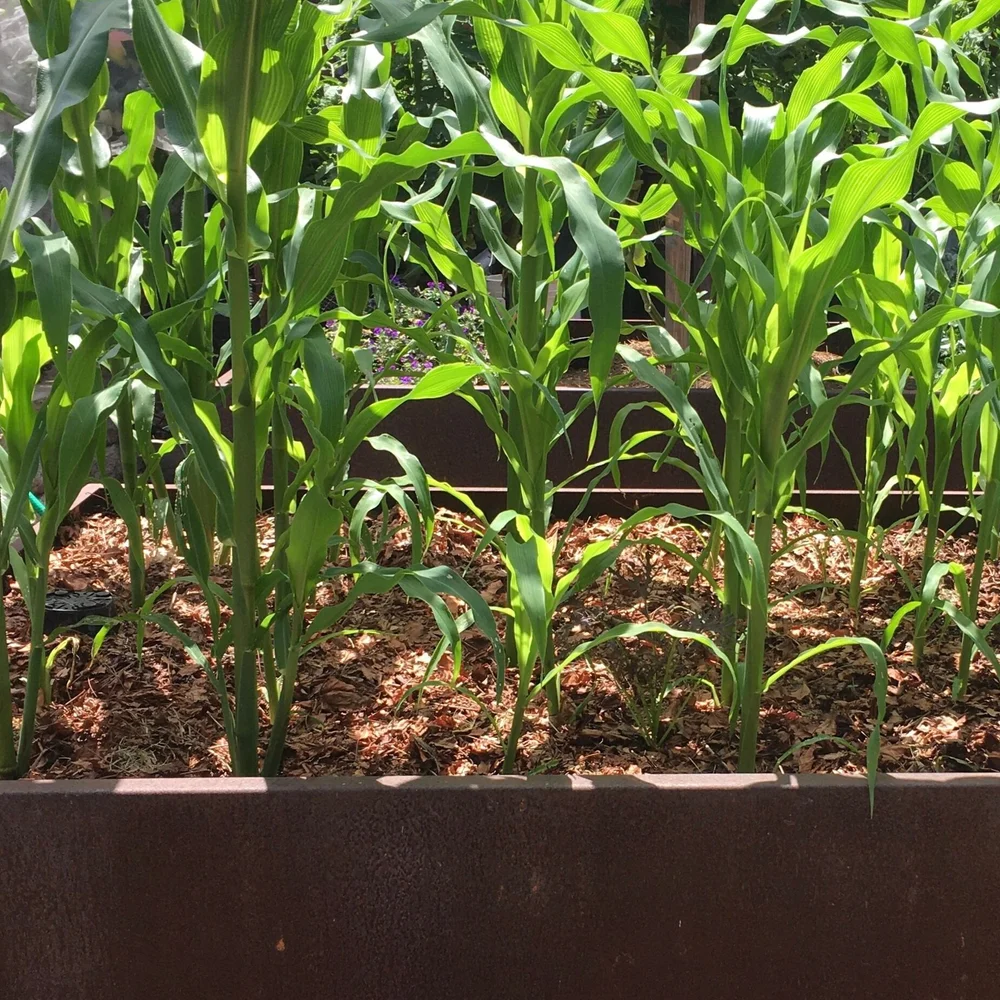
Credit: www.ediblegardens52.com
Types Of Mulch For Vegetable Gardens
Mulching vegetable gardens can boost soil health and reduce weeds. Organic options like straw, grass clippings, and shredded leaves enrich the soil. Inorganic types such as landscape fabric and plastic mulch offer weed control and moisture retention. Choose based on your garden’s needs and climate.
Mulching your vegetable garden can be a game-changer for maintaining soil moisture, suppressing weeds, and improving soil health. Choosing the right type of mulch can make all the difference in your garden’s productivity. Let’s dive into the various types of mulch you can use to give your vegetables the best environment to thrive.Organic Mulch Options
Organic mulches are derived from natural materials and can decompose over time, enriching the soil. Straw is a popular choice for vegetable gardens because it’s lightweight and easy to spread. It keeps the soil cooler in the summer and warmer in the winter, providing a stable environment for your plants. Grass clippings from your lawn can be a cost-effective and efficient mulch option. They decompose quickly and add nutrients back into the soil. However, ensure they are free from pesticides to avoid contaminating your garden. Wood chips offer a long-lasting mulch option, slowly breaking down and releasing nutrients. They are excellent for pathways and areas between vegetable rows. While they may take longer to decompose, they significantly improve soil structure over time.Inorganic Mulch Choices
Inorganic mulches, unlike organic ones, do not decompose and therefore require less frequent replenishment. Plastic mulch is a popular choice for its ability to warm up the soil in cooler climates, which can extend your growing season. It also does an excellent job of suppressing weeds and conserving soil moisture. Landscape fabric is another effective inorganic option. It allows water and air to penetrate while keeping weeds at bay. It’s durable and can be reused season after season, making it a sustainable choice for long-term garden planning. Gravel or stone mulch can add an aesthetic appeal to your garden while providing excellent drainage. They are ideal for pathways and areas where you need to control erosion. However, they don’t contribute nutrients to the soil, so pairing them with a nutrient-rich organic mulch might be beneficial. What type of mulch have you found most effective in your vegetable garden? Experimenting with different types can lead you to the perfect solution that suits both your gardening style and your climate conditions.How To Apply Mulch
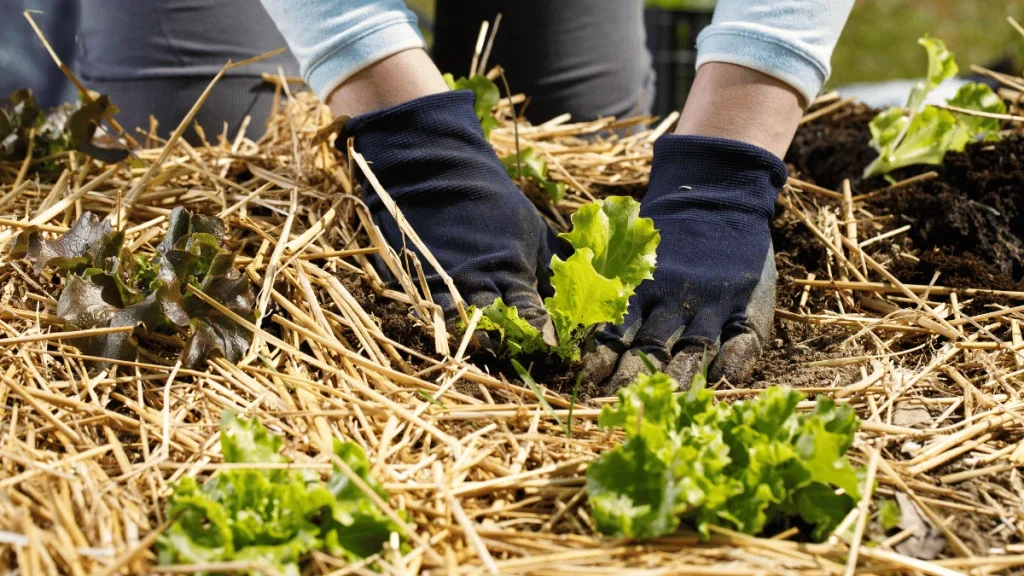
Mulching a vegetable garden helps retain moisture, reduce weeds, and enrich the soil. Spread organic mulch like straw or grass clippings around plants, keeping it a few inches away from stems to prevent rot. Regularly check the mulch layer to ensure it remains effective throughout the growing season.
Applying mulch to your vegetable garden is a strategic step that can enhance growth and yield. It not only helps retain moisture but also suppresses weeds and keeps your plants healthy. Whether you’re a seasoned gardener or a newbie, understanding the process of applying mulch can make a significant difference in your garden’s productivity. Let’s dive into how to effectively apply mulch to your vegetable garden.Preparing The Garden Bed
Before you start mulching, clear your garden bed of any debris and weeds. This ensures the mulch lays evenly and efficiently suppresses new weed growth. Make sure your soil is moist but not wet. Consider raking the soil to break any clumps and allow for better mulch coverage. You might notice how the soil seems to breathe better, giving your plants a healthier foundation.Optimal Mulch Thickness
How thick should your mulch layer be? A layer of 2-4 inches is ideal for most vegetable gardens. This thickness provides ample coverage without suffocating your plants. Too much mulch can prevent water from reaching the roots, while too little won’t adequately suppress weeds. Strike a balance that works best for your garden’s needs.Timing For Application
Timing is crucial when applying mulch. The best time to apply mulch is after planting your vegetables and when the soil is warm and moist. This helps to conserve moisture and maintain the optimal temperature for your plants. Applying mulch too early can delay soil warming, while applying too late can miss the chance to retain early spring moisture. Consider the climate of your region to decide the perfect time.
Credit: littlesproutslearning.co
Common Mulching Mistakes
Mulching a vegetable garden can lead to common mistakes. Using too much mulch suffocates plants and blocks sunlight. Choosing the wrong mulch type may attract pests or alter soil pH. Ensure proper mulch thickness and materials for healthier growth.
Mulching your vegetable garden can be a game-changer, enhancing soil health and retaining moisture. However, it’s easy to stumble into common mulching mistakes that can hinder rather than help your plants. Avoid these pitfalls by understanding what not to do when mulching.Over-mulching
Applying too much mulch can suffocate your plants. Excessive layers may prevent air and water from reaching the soil, creating an environment ripe for disease. Aim for a thickness of 2-3 inches. One summer, I piled on mulch, thinking more was better. My tomatoes suffered, struggling for sunlight and air. A simple adjustment restored their vigor.Using Unsuitable Materials
Not all mulch materials suit every garden. Some can introduce pests or diseases, while others may alter soil pH. Avoid grass clippings treated with chemicals or pine needles that acidify the soil. I once used hay, but it sprouted weeds, creating more work. Choose wisely and know the material’s impact on your garden.Ignoring Plant Needs
Different plants have different mulching needs. Some prefer a cooler soil, while others thrive with warmth. Research your vegetable’s requirements before applying mulch. My zucchini plants floundered under heavy mulch, longing for warmer soil. Tailor your approach to each plant’s unique needs to maximize growth. Do you see these mistakes in your garden? Correcting them might just be the key to a healthier harvest.Seasonal Mulching Tips
Mulching a vegetable garden is crucial for plant health. It helps retain moisture, suppress weeds, and regulate soil temperature. Different seasons require different mulching strategies. Here’s how to mulch your garden throughout the year.
Spring And Summer Considerations
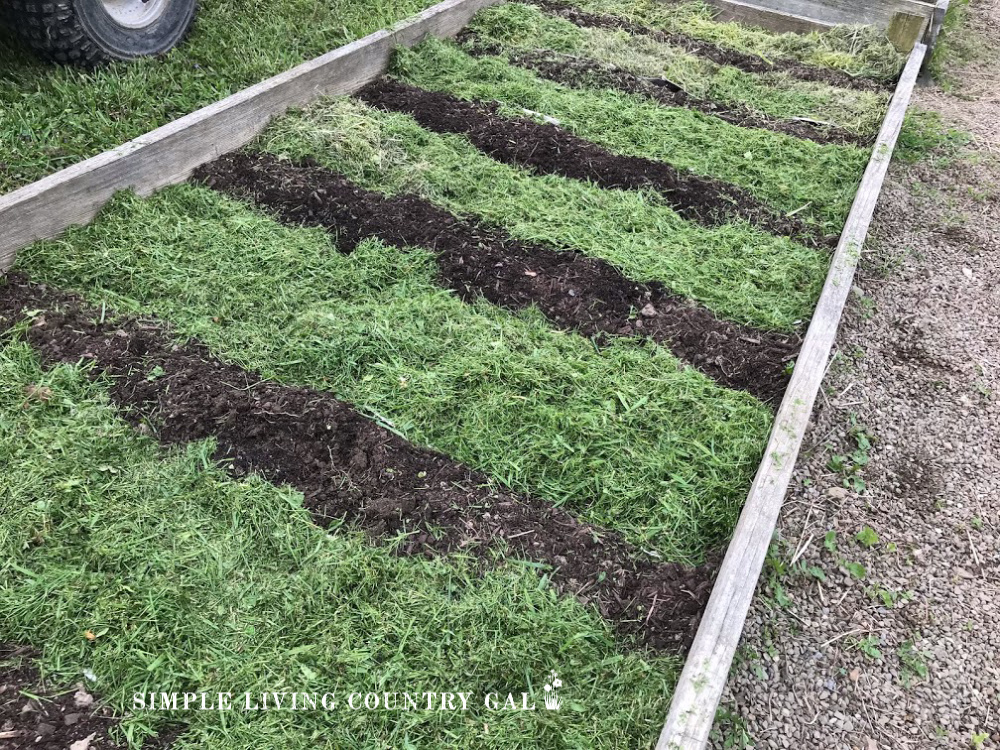
In spring, mulch helps soil warm up quickly. Use a thin layer of straw or grass clippings. This allows sunlight to penetrate and heat the soil. As summer arrives, increase the mulch thickness. Protect plants from heat and conserve water. Organic mulches like shredded leaves work well. They decompose and enrich the soil.
Fall And Winter Strategies
Fall is the time to prepare for winter. Apply a thick layer of mulch after the first frost. This insulates the soil and protects roots. Use materials like wood chips or bark. They break down slowly and provide long-term benefits. In winter, mulch helps prevent soil erosion. It also keeps the ground temperature stable. Remove excess mulch in early spring.
Credit: simplelivingcountrygal.com
Environmental Impact Of Mulching
Mulching vegetable gardens reduces water loss, controls weeds, and enhances soil health. It provides vital nutrients, benefiting plant growth. Also, it helps maintain consistent soil temperature, supporting healthier vegetables.
Mulching a vegetable garden has significant environmental impacts. It acts as a protective layer for soil, conserving moisture and reducing erosion. Mulching can help improve the health and productivity of your garden. Understanding its environmental impact is crucial for sustainable gardening practices.Sustainability Of Mulching Materials
Sustainable mulching materials are environmentally friendly. They minimize waste by using organic matter. Common materials include straw, grass clippings, and leaves. These materials decompose, enriching the soil naturally. Choose local and readily available materials. This reduces transportation emissions and supports local ecosystems. Avoid synthetic mulches as they can harm the soil.Effects On Local Ecosystems
Mulching influences local ecosystems positively. It provides habitats for beneficial insects. These insects help with pest control naturally. Mulch can also support biodiversity. It creates a more balanced environment in your garden. Be cautious with the type of mulch used. Some can introduce invasive species or disrupt native plant life. Consider the impact of your mulch choice on nearby wildlife.Expert Tips For Effective Mulching
Mulching a vegetable garden can boost plant growth and retain soil moisture. Use organic materials like straw or grass clippings for best results. Keep mulch away from plant stems to prevent rot.
Mulching your vegetable garden is not just about aesthetics; it’s a powerful tool that can enhance plant growth, improve soil health, and save you time. But how do you mulch effectively? Here are some expert tips that will help you make the most out of mulching and keep your vegetable garden thriving.Choosing The Right Mulch
Selecting the correct type of mulch is crucial. Organic mulches like straw, grass clippings, or shredded leaves are excellent choices for vegetable gardens. They break down over time, enriching the soil with nutrients. Consider your climate and the needs of your specific plants. In cooler regions, a heavier mulch layer may be beneficial to retain warmth. On the other hand, in hotter climates, lighter mulches can prevent overheating while still conserving moisture. Think about availability and budget. Sometimes, the best mulch is what you already have at hand. Recycled materials, such as newspaper or cardboard, can work wonders and are cost-effective.Maintaining Mulch Layers
Once you’ve chosen your mulch, maintaining the right depth is key. A layer of 2-3 inches is typically sufficient to suppress weeds and retain moisture. However, too much mulch can suffocate plants, so keep an eye on how your garden responds. Regularly check the condition of your mulch. It can compact or decompose faster than expected. Fluff it up with a rake every few weeks to ensure air circulation and prevent mold. Observe how your plants are growing. If you notice wilting or yellowing, your mulch might be too dense or retaining too much water. Adjust accordingly to strike the perfect balance. What challenges have you faced with mulching in your garden? Embrace these expert tips and experiment to find the perfect mulching strategy for your vegetable garden. Your plants will thank you with a bountiful harvest.Frequently Asked Questions
Is It Safe To Use Mulch In A Vegetable Garden?
Mulch is safe for vegetable gardens. It conserves moisture, prevents weed growth, and improves soil health. Choose organic mulches like straw or wood chips for best results. Avoid using dyed or treated mulch to prevent chemical contamination. Properly applied, mulch promotes healthy vegetable growth and increases yield.
What Vegetables Should You Not Mulch?
Avoid mulching around vegetables like squash, zucchini, and cucumbers. These vegetables are prone to rot and fungal diseases. Ensure proper air circulation and sunlight to prevent moisture retention. Proper care enhances plant health and yield.
When Should You Mulch A Vegetable Garden?
Mulch your vegetable garden after planting when soil is warm and moist. Use organic materials like straw or wood chips. Mulching helps retain moisture, suppress weeds, and regulate soil temperature. Ensure mulch is spread evenly, avoiding direct contact with plant stems to prevent rot.
Regularly check and refresh mulch as needed.
What Kind Of Mulch Should I Use In A Vegetable Garden?
Use organic mulches like straw, grass clippings, or shredded leaves for vegetable gardens. They enrich soil and retain moisture. Avoid dyed or chemically treated mulches. Organic options improve soil health and prevent weeds. Ensure mulches are free from weed seeds or contaminants for best results.
Conclusion
Mulching benefits your vegetable garden. It conserves moisture, saves water. Weeds struggle to grow. Soil stays cooler and healthier. Mulch breaks down, enriching soil. Organic mulches add nutrients. Your plants thrive. Mulching protects roots. Reduces erosion. Simple method to improve your garden.
Choose mulch wisely. Consider your plants’ needs. Experiment with options. Discover what works best. Enjoy a fruitful harvest. Mulching is easy and effective. Create a healthier garden environment. Improve yields without much effort. Mulching is valuable for every gardener. Start today.
Your garden will thank you. Watch your vegetables flourish with mulch.