Are you planning to start a raised bed garden? You might be wondering if you can simply use garden soil for this purpose.
It’s a common question that many gardeners, both newbies and veterans, ask when setting up their raised beds. Your choice of soil is crucial because it directly affects the growth and health of your plants. But before you start shoveling soil into those beds, you need to know the potential risks and benefits involved.
Discovering the right soil mix can make or break your gardening efforts. So, should you use garden soil in your raised beds? Let’s dive in and explore the facts, so you can make the best choice for your garden’s future.
Benefits Of Raised Beds
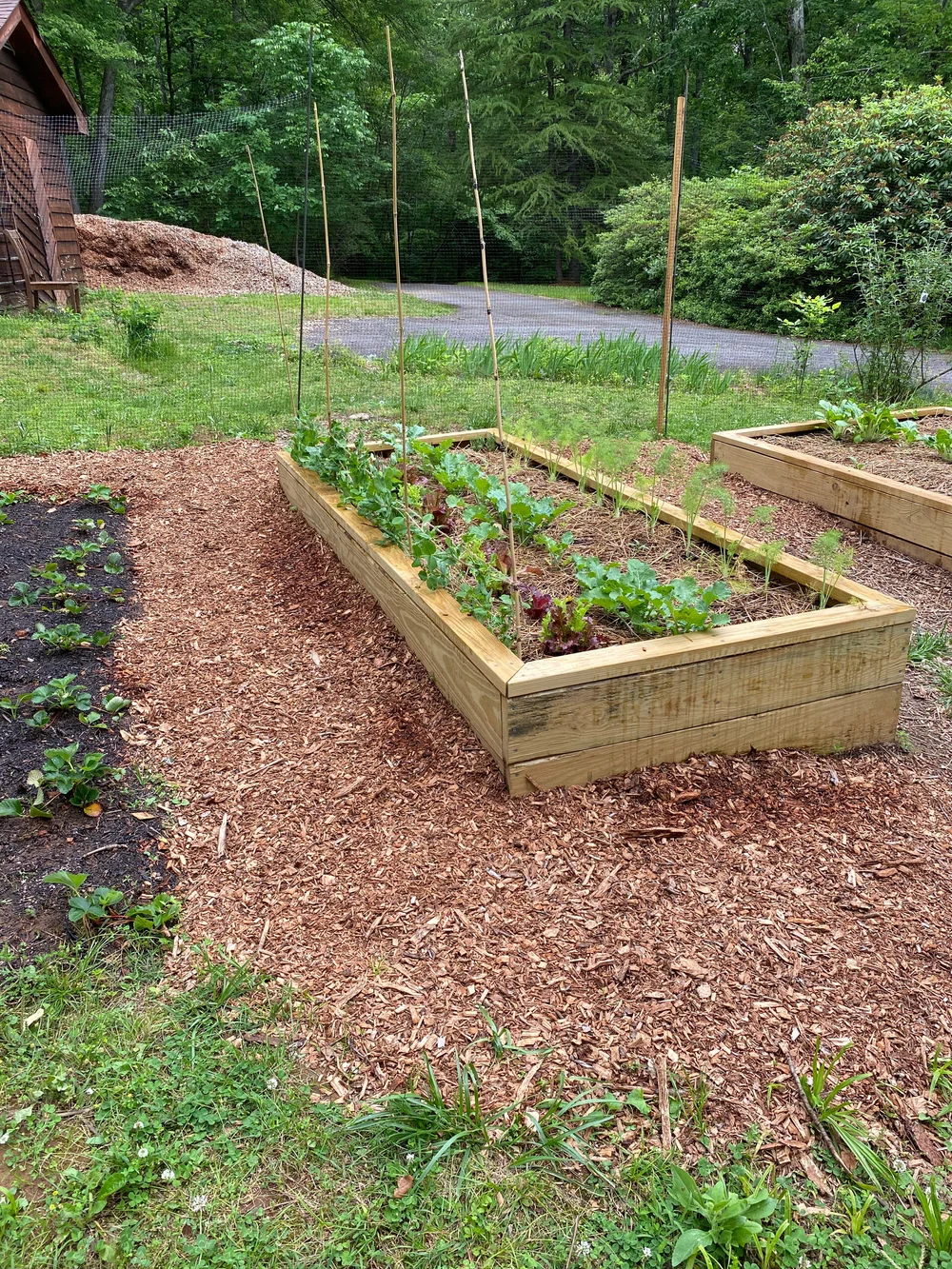
Benefits of Raised Beds Raised beds enhance soil drainage and keep pests away. They also allow gardeners to control soil quality. Garden soil can be used, but it’s often improved with compost for better results.
Raised beds offer numerous advantages for gardeners, transforming the way you cultivate plants. They can elevate your gardening game to a new level, providing a more controlled environment for your plants to thrive. Let’s delve into some of the compelling benefits that raised beds bring to your garden.Enhanced Drainage
Raised beds naturally promote better drainage compared to traditional garden beds. This is crucial, especially if your garden soil tends to hold too much water. With improved drainage, your plants are less likely to suffer from root rot and other water-related issues. You can adjust the soil mix to ensure optimal water flow, making it perfect for growing vegetables and flowers that require specific moisture levels.Improved Soil Quality
One of the biggest perks of raised beds is the ability to control and enhance the soil quality. You can start with a clean slate, mixing top-quality soil tailored to your plants’ needs. This means fewer weeds and pests, and more nutrients where they matter most. Imagine the lush growth you can achieve by blending compost, organic matter, and garden soil in just the right proportions.Ease Of Access
Gardening becomes a breeze with the accessibility that raised beds offer. You won’t need to bend or stoop as much, reducing strain on your back and knees. This makes gardening more enjoyable and less physically demanding. Whether you’re planting, weeding, or harvesting, raised beds bring everything within easy reach, allowing you to focus on nurturing your plants without discomfort. Consider how raised beds could transform your gardening experience. What changes could they bring to your garden, not just in terms of plant health, but also in the ease and enjoyment of the gardening process?Characteristics Of Garden Soil
Garden soil can be used in raised beds if it is rich, well-draining, and free from weeds. Mixing it with compost improves nutrient content and structure. Avoid clay-heavy soil as it may hinder root growth and drainage.
Garden soil can be a wonderful resource for growing plants. But using it in raised beds requires careful consideration. Understanding its characteristics is crucial. This includes its composition, texture, nutrient content, and potential contaminants.Composition And Texture
Garden soil consists of a mix of sand, silt, and clay. Its texture affects water drainage and root growth. Sandy soil drains quickly but holds fewer nutrients. Clay soil holds water but drains poorly. A balanced mix supports healthy plant growth.Nutrient Content
Garden soil contains essential nutrients for plants. Nutrient levels vary based on soil type and location. Regular testing helps determine nutrient needs. Enriching soil with compost improves nutrient availability.Potential Contaminants
Garden soil may contain contaminants like chemicals or heavy metals. These can harm plants and humans. Testing soil for contaminants ensures safety. Using clean soil or adding organic matter reduces risks.Differences Between Garden And Raised Bed Soil
When planning a raised bed garden, understanding the differences between garden soil and raised bed soil is crucial. Each has unique characteristics that affect plant growth and health. Knowing these differences can help you make informed decisions and optimize your gardening efforts.
Density And Compaction
Garden soil is typically denser and more prone to compaction due to the weight of foot traffic and natural settling. This can restrict root growth and reduce oxygen availability. Raised bed soil, on the other hand, is often lighter and more aerated, promoting healthier root systems.
Have you ever noticed your plants struggling in compacted garden soil? In raised beds, soil is typically mixed with organic materials, making it more friable and easier for roots to penetrate.
Water Retention
Water retention differs significantly between garden and raised bed soil. Garden soil can hold water longer due to its denser nature, but it may lead to waterlogging. Raised bed soil often has improved drainage, preventing excess water from drowning roots.
Think about those rainy days; raised beds can save your plants from getting too soggy. The added organic matter in raised bed soil helps balance water retention and drainage, giving your plants just what they need.
Nutrient Availability
Garden soil can be nutrient-rich, but these nutrients may not be readily available due to compaction. Raised bed soil, mixed with compost and other organic matter, provides a more accessible nutrient supply.
Have you considered how easily your plants can access nutrients? Raised beds often allow for quicker nutrient uptake, supporting faster and healthier plant growth.
Would you rather have your plants thrive in a nutrient-rich, aerated environment? Raised beds might be your answer for a fruitful gardening experience.
Credit: www.thunderbirddisco.com
Challenges Of Using Garden Soil In Raised Beds
Garden soil in raised beds may lead to poor drainage and compacted roots. It often lacks nutrients needed for healthy growth. Mixing it with compost or using a raised bed mix can improve plant health.
Using garden soil in raised beds presents several challenges. These challenges can affect plant health and growth. Understanding these issues helps in making better gardening choices.Drainage Issues
Garden soil often retains too much moisture. This can lead to poor drainage. Raised beds need soil with good drainage. Excess water can cause root rot. It can also attract unwanted pests. Proper drainage is crucial for healthy plants.Weed And Pest Problems
Garden soil may contain weed seeds. These can quickly grow in raised beds. Weeds compete with plants for nutrients. They can hinder plant growth. Pests can also hide in garden soil. They can damage plants in raised beds. Keeping soil free of pests and weeds is vital.Soil Compaction
Garden soil tends to compact over time. Compacted soil reduces air flow to roots. It makes it hard for roots to grow. Plants need loose soil to thrive. Compaction can limit plant growth in raised beds. Loose soil is better for healthy plant development.Enhancing Garden Soil For Raised Beds
Garden soil can be used in raised beds, but it’s important to amend it for better drainage and nutrient retention. Mixing garden soil with compost and other organic matter creates a rich, healthy environment for plants. Adjusting the soil composition helps avoid compaction and ensures optimal growth in raised beds.
Enhancing garden soil for raised beds is an art that can transform your gardening experience. You might wonder, why not just use regular garden soil? The secret lies in optimizing the soil’s quality to boost plant growth and yield. With a few tweaks, you can create a thriving ecosystem in your raised beds.Incorporating Organic Matter
Organic matter is the backbone of healthy soil. Adding compost or well-rotted manure improves fertility, encourages beneficial microbes, and enhances water retention. Imagine your plants thriving in nutrient-rich soil, producing vibrant blooms and bountiful harvests. Consider using kitchen scraps, fallen leaves, or grass clippings as compost material. These everyday items can become a powerhouse of nutrients for your raised beds. Is there a more satisfying way to recycle and nourish your plants simultaneously?Balancing Soil Ph
The pH level of your soil can make or break your garden’s success. Most plants prefer a slightly acidic to neutral pH, around 6.0 to 7.0. Testing your soil’s pH is crucial to ensure your plants have the right environment to flourish. If your soil’s pH is off-balance, you can adjust it with natural amendments. Lime can raise pH levels, while sulfur or peat moss can lower them. Keep a close eye on your plants’ health; they will often signal their needs if something is amiss.Improving Texture With Amendments
The texture of your soil determines how well it drains and retains moisture. Sandy soil drains quickly but lacks nutrients, while clay holds water but can become compacted. Striking the right balance is key to creating an ideal growing medium. By adding amendments like perlite, vermiculite, or coconut coir, you can improve soil aeration and drainage. These additions create a loamy texture, offering plants the best of both worlds. Have you noticed how plants in loamy soil seem to spring to life with ease? Consider experimenting with different amendments to see what works best for your plants. Each adjustment can lead to a noticeable change in your garden’s vitality. Your raised beds can become a testament to the power of well-crafted soil.
Credit: www.vegega.com
Alternatives To Garden Soil
While using garden soil in raised beds might seem convenient, it often lacks the right balance of nutrients and drainage required for optimal plant growth. Fortunately, several alternatives can enhance your gardening experience, ensuring your raised beds thrive. These options can save you time and effort while delivering better results for your plants.
Commercial Soil Mixes
Commercial soil mixes are specifically formulated to cater to the needs of raised bed gardening. These mixes often contain a blend of peat moss, vermiculite, and compost, providing excellent aeration and moisture retention. When I started using commercial soil mixes, I noticed a significant improvement in plant health and yield. They are readily available at garden centers, making them a convenient choice for beginners and seasoned gardeners alike.
Creating Your Own Mix
Creating your own soil mix can be a rewarding endeavor, allowing you to tailor the composition to your garden’s specific needs. Start by combining equal parts of compost, peat moss, and perlite or sand. This custom blend enhances drainage while ensuring adequate nutrient content. Experimenting with different ratios can lead to a mix that perfectly suits your plants. Have you tried creating your own mix? It might be the key to unlocking your garden’s full potential.
Sourcing Quality Topsoil
Quality topsoil can be a valuable component in your raised bed mix. However, not all topsoil is created equal. It’s important to source topsoil from reliable suppliers to ensure it is free from contaminants and weed seeds. Ask around for recommendations or check reviews online to find trustworthy providers. Once you have quality topsoil, combine it with compost and other organic materials to enrich your raised beds. Are you aware of the difference quality topsoil can make?
Expert Recommendations
Garden soil is often too heavy and lacks nutrients for raised beds. Experts suggest using a mix of topsoil, compost, and organic matter. This combination improves drainage and supports plant growth effectively.
When setting up raised beds, many wonder about using garden soil. Expert recommendations can guide you in making informed decisions. It’s crucial to ensure your plants thrive in their new environment.Consulting Local Experts
Local experts provide valuable insights into soil types in your area. They understand the unique climate and conditions affecting soil quality. Their advice can help you choose the right soil for your raised beds.Testing Soil Quality
Testing soil quality is essential before use. Soil tests reveal nutrient levels and pH balance. This information helps you determine if the garden soil is suitable for your plants.Customizing Soil Mixes
Consider customizing soil mixes to improve quality. Combine garden soil with compost and other organic materials. This mix can provide better drainage and nutrient availability for raised beds. Ensuring the right soil mix promotes healthy plant growth. With these expert recommendations, your raised bed garden can flourish.
Credit: www.youtube.com
Frequently Asked Questions
What Is The Difference Between Garden Soil And Raised Bed Garden Soil?
Garden soil is denser and used for in-ground planting. Raised bed garden soil is lighter, providing better drainage and aeration. Raised bed soil often contains organic matter and nutrients, enhancing plant growth in confined spaces. Both soils support plants but differ in texture and nutrient composition.
What Not To Fill Raised Beds With?
Avoid filling raised beds with rocks, gravel, or heavy clay soil. These materials hinder drainage and root growth. Don’t use contaminated soil or non-composted organic matter. Stick to a mix of quality topsoil, compost, and organic materials for optimal plant health and growth.
Can I Use Miracle-gro Garden Soil In A Raised Bed?
Yes, you can use Miracle-Gro garden soil in raised beds. It’s rich in nutrients and supports plant growth. Mix it with other soil for better drainage and aeration. Ensure proper watering for optimal results.
Is Top Soil Or Garden Soil Better For Raised Beds?
Garden soil is better for raised beds. It offers nutrients and improved drainage, promoting healthier plant growth. Topsoil lacks essential organic matter, making garden soil the superior choice. Ensure the garden soil is well-mixed and rich in compost for optimal results in raised beds.
Conclusion
Raised beds offer many benefits for gardening. Garden soil can be used, but with caution. It’s often dense, affecting plant growth. Mixing it with compost improves drainage. This combination enhances nutrient availability. Proper soil balance supports plant health. Raised beds need soil that drains well.
Use quality soil mixes for best results. Healthy plants depend on good soil. Consider soil testing for nutrients. Adjust as needed for optimal growth. Happy gardening leads to abundant harvests. Enjoy nurturing your garden space. Always aim for vibrant and thriving plants.
Remember, healthy soil creates a flourishing garden.