Have you ever wondered if you can use garden soil for potting your plants? You’re not alone.
Many gardening enthusiasts face this question when starting their indoor or container gardens. It’s tempting to use what’s readily available in your backyard, but is it the best choice for your potted plants? Understanding the differences between garden soil and potting mix is crucial for the health and vitality of your plants.
Before you dig up your garden, let’s uncover the truth about using garden soil in pots. This insight could transform the way you nurture your green friends and help you avoid common pitfalls that might stunt their growth. Keep reading to discover what’s best for your plants and ensure they thrive in their new home.
Differences Between Garden Soil And Potting Mix
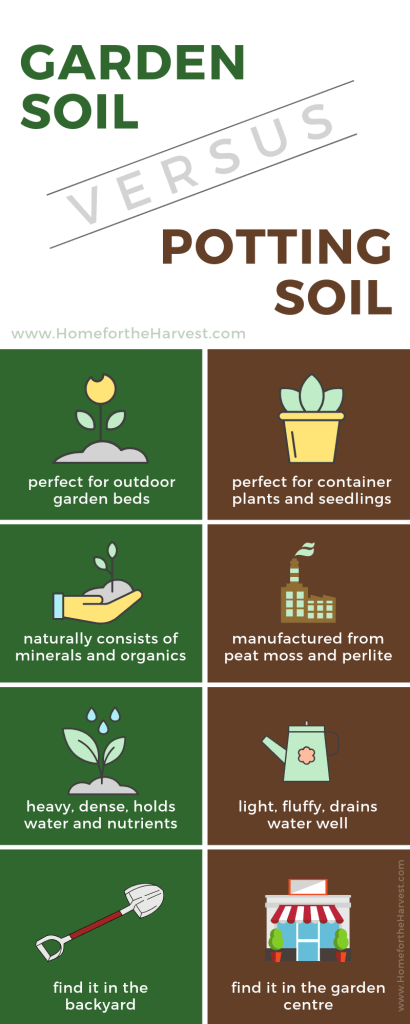
Garden soil and potting mix serve different purposes in gardening. Each has distinct characteristics suited to specific plant needs. Understanding their differences can help you make the right choice for your plants.
Composition And Texture
Garden soil is often dense and heavy. It contains organic matter, minerals, and soil organisms. This makes it suitable for outdoor beds. Potting mix, on the other hand, is light and airy. It typically includes peat, perlite, and vermiculite. These components provide a balanced structure for potted plants.
Nutrient Content
Garden soil is rich in natural nutrients. These nutrients come from decomposed plant material and mineral deposits. Potting mix is usually enhanced with added fertilizers. This ensures potted plants receive the nutrients they need to thrive.
Water Drainage And Retention
Garden soil may retain too much water. This can lead to root rot in containers. Potting mix is designed for better drainage. It retains enough moisture without waterlogging the roots. The balance of water retention and drainage is crucial for healthy potted plants.
Pros Of Using Garden Soil In Pots
Using garden soil in pots can offer several advantages. Many gardeners find it a practical and sustainable choice. It brings cost savings and a natural nutrient boost. Let’s explore these benefits further.
Cost-effectiveness
Garden soil is readily available. This makes it a budget-friendly option. You can dig it up from your garden without extra costs. Store-bought potting mixes can be expensive. By using garden soil, you reduce gardening expenses. It’s an economical solution for those on a tight budget.
Natural Nutrient Source
Garden soil is rich in natural nutrients. It contains organic matter and minerals. These elements support plant growth. Unlike some potting mixes, it doesn’t need added fertilizers. Plants get essential nutrients naturally from the soil. This helps them thrive with less effort from you.
Cons Of Using Garden Soil In Pots
Using garden soil in pots might seem easy. But it can cause several problems. Garden soil is not ideal for container gardening. It lacks the necessary qualities for healthy plant growth. Let’s explore some major drawbacks of using garden soil in pots.
Poor Drainage Issues
Garden soil often retains too much water. Pots need well-draining soil to prevent root rot. Excess water can suffocate plant roots. It leads to unhealthy plants and poor growth. Potting mix is designed for proper drainage. It allows water to move through efficiently.
Potential For Pests And Diseases
Garden soil may contain pests and diseases. These can harm your plants in pots. Pests like insects can invade the soil. Diseases may spread quickly in small spaces. Sterilized potting mix keeps your plants safe. It reduces the risk of unwanted bugs and infections.
Compaction And Aeration Problems
Garden soil tends to compact over time. Compacted soil restricts air flow to roots. This affects plant health and growth. Potting mix remains loose and airy. It ensures good root aeration. Healthy roots need oxygen to thrive. Compaction reduces nutrient absorption, hurting plants.
:max_bytes(150000):strip_icc()/PerliteinSoil-0bebf44ce6774e2aae89e08fc162e4b4.jpg)
Credit: www.marthastewart.com
When Garden Soil Might Work
Using garden soil for potting might seem like a convenient option, especially when you’re running low on commercial potting mix. While it’s not always the best choice due to its density and potential for pests, there are situations where garden soil can work for your potted plants. By understanding when and how to use it, you can make your gardening efforts more effective and budget-friendly.
Mixing With Other Components
To make garden soil suitable for pots, mixing it with other components can enhance its qualities. You can improve drainage and aeration by adding materials such as perlite, sand, or coconut coir. These additions help prevent root rot by allowing excess water to escape easily.
Consider creating a balanced mix by combining one part garden soil with equal parts of these components. This blend can provide the structure and nutrients your plants need without the heaviness that garden soil alone might bring. Have you ever noticed your potted plants looking a bit waterlogged? This method can be the solution.
Specific Plant Types
Some plants are more forgiving when it comes to soil conditions, making garden soil a viable option. Succulents, for instance, can thrive in a well-draining mix that includes garden soil. Their ability to store water means they don’t need frequent watering, reducing the risk of soil compaction.
Herbs like rosemary or thyme can also adapt well to garden soil, especially if you’re growing them outdoors. They tend to prefer a more natural soil environment, and the added weight can help stabilize taller plants in windy conditions. Have you tried using garden soil for specific plants before? It might be worth experimenting!
Alternatives To Garden Soil For Pots
Garden soil may not be ideal for pots. It often lacks proper drainage and can lead to root rot. Fortunately, there are several alternatives that provide better conditions for potted plants. These options ensure healthy growth and vibrant plants.
Commercial Potting Mix
Commercial potting mix is a popular choice for container gardening. It is specifically designed for pots. These mixes are lightweight, ensuring good drainage and aeration. They often contain essential nutrients to promote plant health. Many include ingredients like peat moss, perlite, and vermiculite. These components help retain moisture without waterlogging roots. This makes it an excellent option for a variety of plants.
Homemade Potting Blends
Creating a homemade potting blend is a cost-effective alternative. You can customize the mix to suit specific plant needs. Common ingredients include peat moss, coconut coir, and compost. Perlite or sand can be added for improved drainage. Mixing your own blend allows for control over nutrient content. It also ensures your plants receive the best care possible.
Hydroponic And Soilless Options
Hydroponic systems and soilless mixes are innovative choices. They offer unique growing environments without traditional soil. These systems use nutrient-rich water solutions to feed plants. Soilless mixes might include coco coir or perlite. These methods can yield faster growth and healthier plants. They are ideal for those wanting to experiment with new growing techniques.
Improving Garden Soil For Potting Use
Enhancing garden soil for potting involves mixing it with organic matter and sand. This blend improves drainage and nutrient content, making it suitable for potted plants. Properly prepared, it ensures healthy root growth and plant development.
Improving garden soil for potting use is a practical approach that can save both money and resources. While garden soil is often rich in nutrients, it may not always be suitable for potting plants directly. By enhancing its properties, you can create a thriving environment for your potted plants without the need for expensive commercial potting mixes.Sterilization Techniques
Sterilizing garden soil is crucial to eliminate harmful pathogens and pests. You can use the oven method by spreading soil on a baking sheet and heating it at 180°F for 30 minutes. Alternatively, the microwave method involves placing moistened soil in a microwave-safe container and heating it for about 90 seconds per kilogram.Enhancing Drainage
Good drainage prevents waterlogging, which can drown plant roots. To improve drainage, mix your garden soil with sand or perlite. A 1:1 ratio of soil to sand or perlite often works well, ensuring water can move freely through the soil while retaining necessary moisture.Adding Organic Matter
Organic matter enriches soil with nutrients and improves its structure. Compost, peat moss, or well-rotted manure are excellent choices to add to your soil mix. Aim for about 20-30% organic matter in your final potting mix to support robust plant growth and health. Have you ever thought about the magic a simple handful of compost can do for your plants? Adding organic matter not only boosts nutrient content but also enhances soil texture, making it more conducive for root development. By focusing on these techniques, you can transform your garden soil into a highly effective potting medium. What’s stopping you from giving your potted plants the best start?Expert Tips For Successful Container Gardening
Container gardening offers a charming and practical way to cultivate plants when space is limited. While you might be tempted to use garden soil for potting, understanding the nuances of container gardening can lead to flourishing plants. Let’s dive into some expert tips to ensure your container garden thrives, all while steering clear of common pitfalls.
Selecting The Right Container
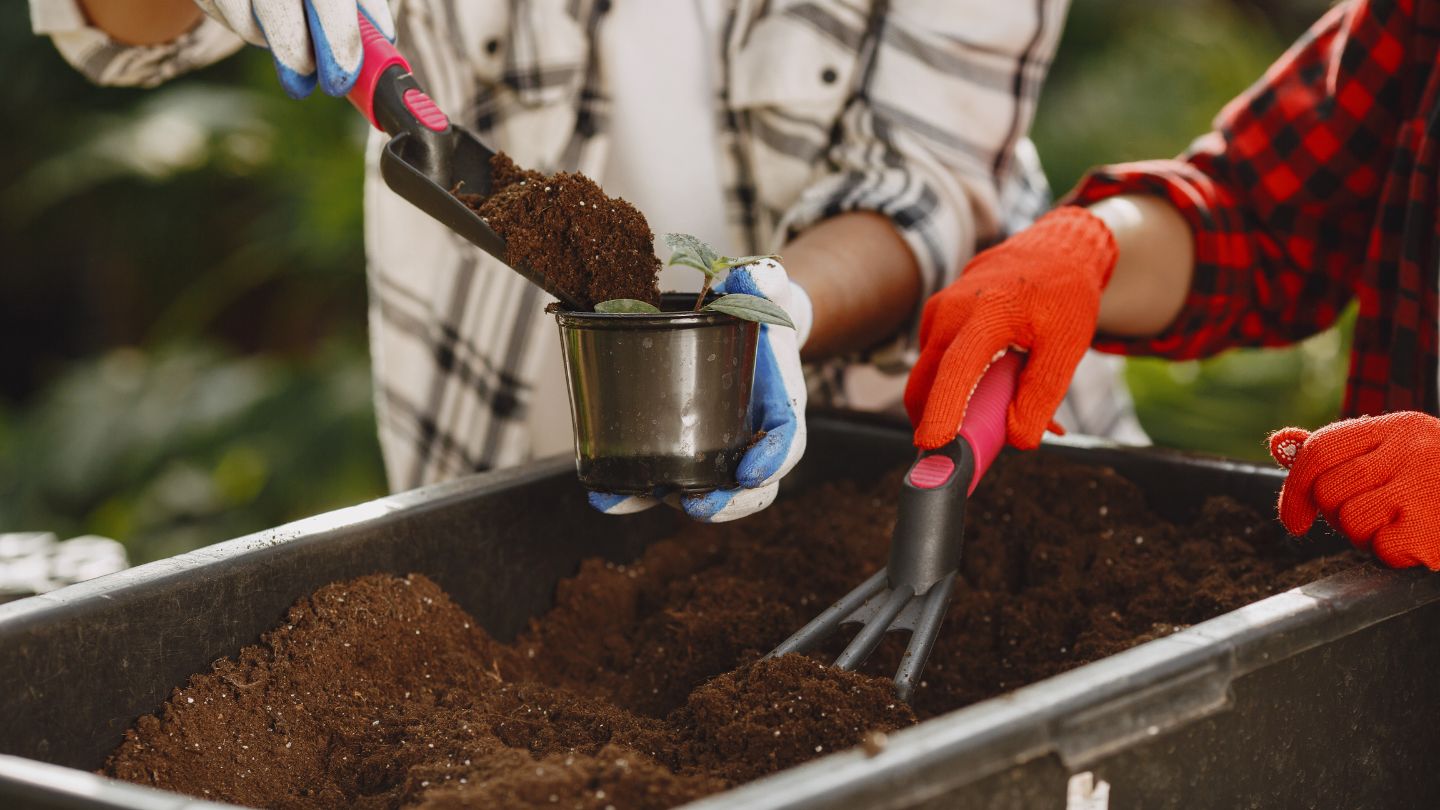
Choosing the right container is crucial for plant health. Consider the size and material of the container. A larger pot provides more room for roots to spread, enhancing growth. Materials like terra cotta offer breathability, but may dry out quickly. Conversely, plastic retains moisture better but may lead to root rot if not monitored.
Think about drainage. Ensure your container has adequate drainage holes to prevent waterlogging, which can suffocate roots and lead to disease. A simple way to enhance drainage is by adding a layer of pebbles at the bottom of the pot.
Regular Maintenance And Care
Once your container garden is set up, regular care ensures long-term success. Watering might be more frequent than with garden soil, especially during hot weather. Check moisture levels daily, particularly if you notice wilting or yellowing leaves.
Fertilization is another key aspect. Container plants deplete nutrients faster, so feeding them with a balanced fertilizer every few weeks can boost their health. Avoid over-fertilizing, as it might burn the plant roots.
Monitoring Soil Health
Garden soil often lacks the ideal structure for container gardening, so monitoring soil health is essential. Consider using a potting mix designed for containers, which offers improved aeration and nutrient retention.
How do you ensure the soil remains healthy? Conduct periodic checks for signs of compaction or poor drainage. If water pools on the surface, it might be time to refresh the soil or repot the plant. Healthy soil leads to robust plants, making your efforts worthwhile.
Credit: mulchpros.com
Credit: www.purplecoworganics.com
Frequently Asked Questions
Is It Okay To Use Garden Soil For Potted Plants?
Using garden soil for potted plants isn’t ideal. It can be too dense, causing poor drainage and root rot. Opt for potting mix instead. Potting mix is lighter and designed for container gardening, promoting healthy plant growth. Always ensure good drainage in pots.
Can I Turn Garden Soil Into Potting Soil?
Yes, you can transform garden soil into potting soil. Mix it with compost, perlite, and peat moss. Ensure proper drainage and aeration for healthy plant growth. Sterilizing the soil can prevent pests and diseases. Adjust the mixture based on plant needs for optimal results.
Is Garden Soil The Same As Potting Soil?
Garden soil and potting soil differ. Garden soil is denser and used for outdoor planting. Potting soil is lighter, designed for containers, and often includes ingredients like peat moss for better drainage. Use garden soil for outdoor beds and potting soil for potted plants to ensure optimal growth.
Can I Use Miracle-gro Garden Soil In My Pots?
Miracle-Gro garden soil is not ideal for pots. Use Miracle-Gro potting mix for better drainage and aeration in containers. Garden soil can compact in pots, hindering plant growth. Choose potting mixes designed for container gardening to ensure healthy plants.
Conclusion
Choosing the right soil matters for healthy plants. Garden soil might seem convenient for pots, but often lacks essential nutrients. Potting mix provides the right balance for plant growth. It ensures proper drainage and aeration. Consider your plant’s needs. Tailor your soil choice accordingly.
Experiment with different blends for best results. Healthy roots lead to vibrant leaves and blooms. Start with quality soil. Watch your plants thrive. Gardening should be enjoyable and rewarding. Keep learning. Explore options. Your garden will thank you. Happy planting!


