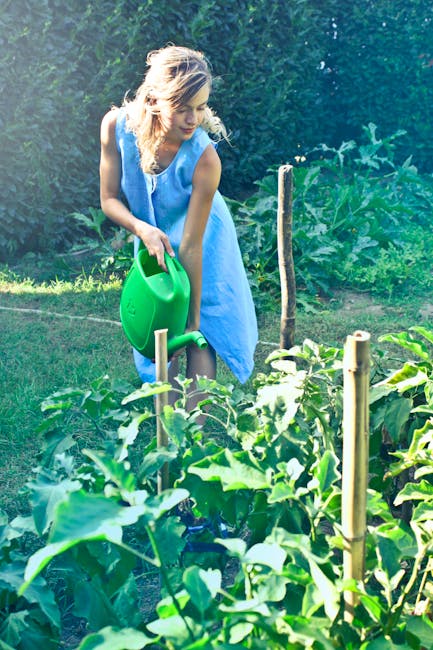
Are you staring at that pile of vegetable scraps on your kitchen counter, wondering if they could do more than just end up in the trash? If you’ve ever asked yourself, “Can I just throw vegetable scraps in my garden?”
You’re definitely not alone. You might be surprised to learn that those seemingly useless peels and cores could be your garden’s secret weapon. Imagine transforming your garden into a thriving oasis without spending a dime on fertilizers. Intrigued yet? This isn’t just about saving waste; it’s about empowering you to create a garden that flourishes naturally.
Let’s explore how those humble scraps can become the unsung heroes of your garden, boosting growth and enriching your soil. Stay with us to uncover the simple steps you can take right now to turn your kitchen waste into garden gold.
Benefits Of Using Vegetable Scraps
Tossing vegetable scraps directly into the garden enriches the soil naturally. These scraps decompose and provide essential nutrients, promoting plant growth. It’s a simple, eco-friendly way to recycle kitchen waste and enhance your garden’s health.
Using vegetable scraps in your garden can be a game-changer for your gardening routine. These kitchen leftovers are not just waste; they are a treasure trove of nutrients that can significantly benefit your garden. Let’s delve into the ways these scraps can enrich your soil, improve garden health, and save you money.Nutrient Enrichment
Vegetable scraps are packed with essential nutrients. When you add them to your garden, they break down and release nutrients that feed your plants. Imagine tossing carrot peels and broccoli stems into your garden. Over time, they decompose and add vital minerals back into the soil. This natural process can lead to healthier plants and more bountiful harvests.Soil Structure Improvement
Adding vegetable scraps can enhance soil structure. As the scraps decompose, they increase the organic matter in the soil. This leads to improved soil aeration and water retention. Better soil structure means your plants’ roots can spread out more easily, leading to stronger, healthier plants.Cost-effective Gardening
Using vegetable scraps is not just good for your garden; it’s also great for your wallet. Instead of buying expensive fertilizers, you can utilize what you already have. By recycling kitchen waste, you reduce the need for costly garden supplies. This approach not only saves money but also contributes to a more sustainable gardening practice. Have you ever thought about the amount you spend on fertilizers annually? By simply reusing your kitchen scraps, you can cut down on these expenses significantly.Types Of Vegetable Scraps Suitable For Gardening
Gardening with vegetable scraps is a smart way to enrich soil. It helps reduce waste and adds nutrients to your garden. Certain scraps work best when added to your garden. Let’s explore which vegetable scraps are suitable for gardening.
Fruit And Vegetable Peels
Fruit and vegetable peels are great for composting. Peels from bananas, potatoes, and carrots break down quickly. They enrich the soil with vital nutrients. Chop them into small pieces. This speeds up their decomposition process. Avoid citrus peels as they can be too acidic for some plants.
Herb Stems And Leaves
Herb stems and leaves can also benefit your garden. Mint, basil, and parsley stems add essential nutrients. They decompose easily and boost soil health. Just chop them up before adding to your garden. They are perfect for compost heaps or directly in the soil.
Coffee Grounds And Tea Leaves
Coffee grounds and tea leaves are valuable soil enhancers. They are rich in nitrogen, which plants love. Scatter them around plants or mix into compost. They also help deter pests like slugs and snails. Rinse tea leaves to remove any added sugars or flavors.
Methods For Incorporating Scraps
Incorporating vegetable scraps into your garden is a sustainable practice. It enriches the soil and reduces waste. There are several methods to do this effectively. Each method offers unique benefits. Choose one that suits your garden’s needs.
Direct Composting
Direct composting involves burying scraps directly in the soil. This method is simple and quick. Dig small holes or trenches near plants. Add scraps and cover them with soil. Scraps decompose, providing nutrients to nearby plants.
Trench Composting
Trench composting is an effective way to enrich large garden areas. Dig a trench about 12 inches deep. Place vegetable scraps at the bottom. Cover them with soil. Over time, the scraps break down. This enriches the soil with nutrients.
Compost Pile Or Bin
A compost pile or bin is a popular choice for many gardeners. Collect scraps in a bin or designated area. Layer them with brown materials like leaves or paper. Turn the pile regularly to speed up decomposition. This method produces rich compost for your garden.
Credit: www.gardenary.com
Common Mistakes To Avoid
Throwing vegetable scraps directly into the garden can attract pests and create odor issues. Proper composting or burying scraps ensures they decompose effectively. Avoiding these mistakes helps maintain a healthy and thriving garden environment.
Throwing vegetable scraps directly into your garden might seem like a convenient way to recycle and enrich the soil. However, it’s essential to be aware of some common mistakes that could hinder your garden’s health. Understanding these pitfalls can turn your garden into a thriving ecosystem.Avoiding Meat And Dairy
Including meat and dairy products in your garden scraps is a recipe for disaster. These items decompose differently than plant-based materials and can lead to foul odors. They also attract unwanted pests like rats and raccoons. Stick to plant-based scraps to maintain a healthy balance. Have you ever noticed a neighborhood garden plagued by pests? Often, meat and dairy are the culprits.Balancing Green And Brown Materials
A common mistake is neglecting the balance between green and brown materials. Green materials like vegetable scraps are rich in nitrogen, while brown materials like dried leaves and twigs are high in carbon. For effective composting, maintain a balance. Too much green can make your compost pile slimy, while too much brown can slow the decomposition process. Think of your compost like a recipe. A pinch of this, a dash of that, always striving for harmony.Preventing Pest Attraction
Vegetable scraps can attract pests if not managed correctly. Avoid leaving scraps exposed; instead, bury them under a layer of soil or mulch. This simple step acts as a natural deterrent. Consider using a compost bin or tumbler to keep pests at bay. Have you ever had a garden overrun by bugs? Properly managing scraps can prevent this. By being mindful of these common mistakes, you can ensure your garden thrives without unwanted pests or unpleasant odors. Each step you take is a step towards a flourishing garden.Enhancing Decomposition
Tossing vegetable scraps in the garden can enhance decomposition, enriching the soil naturally. These scraps break down, providing essential nutrients to plants while promoting healthier growth. Be mindful of pests by burying them under soil to prevent attraction.
Enhancing the decomposition of vegetable scraps in your garden is a simple yet effective way to enrich your soil. By understanding the science behind decomposition, you can speed up the process and make your garden thrive. A few practical adjustments can make a big difference in how quickly and effectively your scraps break down.Chopping Scraps
Chopping your vegetable scraps into smaller pieces can significantly boost the decomposition process. When I first started composting, I noticed that larger chunks of vegetables took longer to break down. Smaller pieces, however, provided more surface area for microbes to work their magic, accelerating decomposition. Why not give it a try? Next time you have a carrot or potato peel, chop it up before tossing it into your garden.Maintaining Moisture Levels
Keeping your compost moist is crucial for effective decomposition. Think of it like baking a cake – too dry, and it won’t rise; too wet, and it turns into a soggy mess. Your scraps need just the right amount of moisture to break down efficiently. Check your compost regularly. If it looks dry, sprinkle a little water over it. But be cautious; excess water can drown the beneficial organisms and slow down the process.Turning The Compost
Turning your compost is like giving it a breath of fresh air. It introduces oxygen, which is essential for the microbes breaking down your vegetable scraps. I remember the first time I turned my compost pile and was amazed at how the process sped up. Make it a habit to turn your compost every week or so. You’ll be surprised at how this simple action can enhance decomposition and lead to richer soil for your garden. Are you ready to turn your garden into a powerhouse of growth with these simple tips?Seasonal Considerations
When you’re considering throwing vegetable scraps in your garden, it’s essential to take into account seasonal variations. These changes can significantly impact how effectively your garden will absorb and benefit from the scraps. Understanding the dynamics of each season can help you optimize the process and ensure your garden thrives throughout the year.
Adapting To Weather Changes
Weather plays a crucial role in how your garden processes vegetable scraps. During warmer months, decomposition happens quickly, providing nutrients to your plants almost immediately. However, in colder seasons, the process slows down, and scraps might take longer to break down.
You might be wondering if there’s a way to accelerate decomposition in chilly weather. Try covering your scraps with a thin layer of soil or compost to insulate them. This can help maintain warmth and speed up the process. Have you noticed how a sudden frost can affect your garden’s health? It’s a reminder to adapt your approach based on the climate.
Adjusting For Plant Growth Cycles
Plants have their own growth cycles, and aligning your scrap distribution with these cycles can enhance their benefits. During the growing season, plants need more nutrients, making it a perfect time to add vegetable scraps to your soil. In contrast, during dormant periods, less frequent scrap additions are ideal.
Are you aware of your garden’s specific growth phases? Observing these cycles can help you time your scrap usage effectively. If your tomatoes are flourishing, it’s a sign to provide them with extra nourishment. Conversely, when your plants are resting, minimal intervention is best.
Environmental Impact
Tossing vegetable scraps in the garden enriches soil and reduces kitchen waste. Composting these scraps can improve plant growth and soil health.
The environmental impact of discarding vegetable scraps in your garden is significant. Composting these scraps can transform waste into a valuable resource, enriching the soil. This practice supports environmental sustainability and reduces the strain on landfills. It represents a simple step towards a healthier planet.Reducing Waste
Vegetable scraps make up a large portion of household waste. Throwing them in your garden minimizes trash sent to landfills. This reduction in waste helps decrease methane emissions. Methane is a potent greenhouse gas. Composting scraps also breaks the cycle of waste production. It turns trash into treasure for your plants.Promoting Sustainable Practices
Composting vegetable scraps encourages sustainable gardening. It naturally enriches the soil without chemical fertilizers. This practice improves soil health and plant growth. Sustainable gardening also conserves water. Healthy soil retains moisture better. It fosters a balanced ecosystem in your backyard. This simple act promotes environmental stewardship.Minimizing Carbon Footprint
Composting scraps lessens your carbon footprint. Transporting waste to landfills uses fuel and energy. By composting at home, you cut down on emissions. It reduces reliance on fossil fuels. Local composting supports a cleaner environment. Every little bit helps in the fight against climate change. Your garden can be a part of the solution.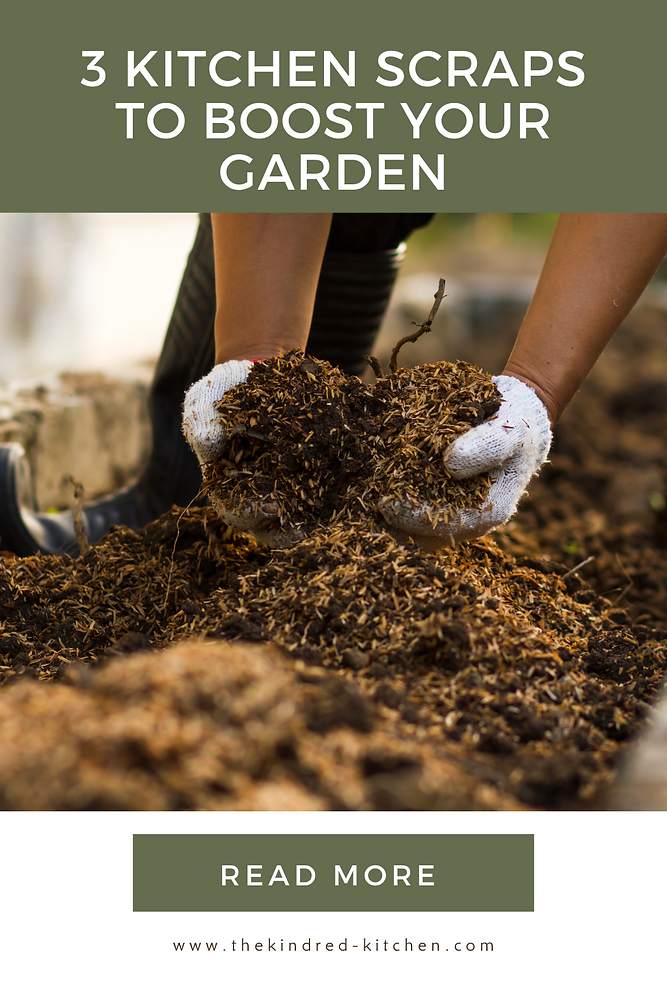
Credit: www.thekindred-kitchen.com

Credit: www.instagram.com
Frequently Asked Questions
Can I Put Veggie Scraps Straight Into The Garden?
Yes, you can put veggie scraps directly into the garden. Bury them to prevent pests and odors. This method enriches the soil and boosts plant growth. Composting beforehand can be more effective, but direct application works too. Ensure scraps are free from chemicals or diseased plants.
What Is The Laziest Way To Compost?
The laziest way to compost is trench composting. Dig a trench, add organic waste, and cover it with soil. This method requires minimal effort and maintenance. It enriches the soil as the waste decomposes naturally over time. Perfect for those seeking a no-fuss composting solution.
What Veggies Should Not Be Composted?
Avoid composting onions, garlic, and potatoes. They can attract pests and hinder decomposition. Citrus peels can slow down composting. Diseased plants may spread pathogens. Keep oily or cooked vegetables out to prevent odor. Always maintain a balanced compost mix for better results.
How To Get Rid Of Food Scraps Without Composting?
Dispose of food scraps by using a garbage disposal unit or grind them in the sink. Feed scraps to pets like chickens or dogs if safe. Consider using a waste collection service specifically for organic waste. Reuse scraps in creative ways like making broth or natural cleaners.
Conclusion
Vegetable scraps can enrich your garden. Composting is a smart choice. It boosts soil health naturally. Directly burying scraps helps too. But avoid attracting pests. Chop larger pieces for faster decay. Keep scraps away from plant roots. They can harm young plants.
Balance is key. Mix scraps with other compost materials. Monitor your garden’s response. Adjust methods if needed. Each garden is unique. Test different ways to find the best fit. Your garden can thrive with proper care. Enjoy the benefits of a sustainable garden.
Happy gardening!