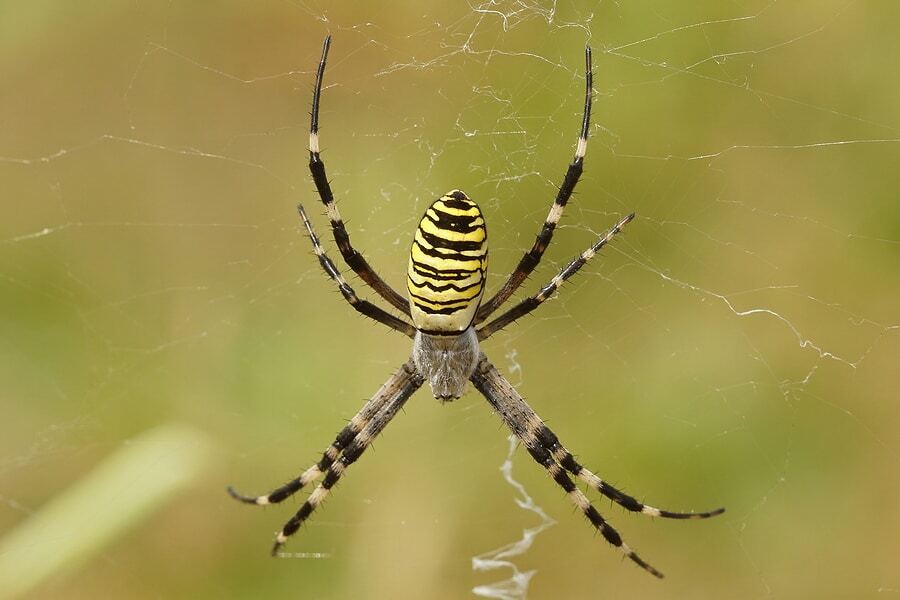
Imagine you’re enjoying a peaceful day in your garden, surrounded by vibrant plants and flowers. Suddenly, you spot a large, striking spider with a distinctive yellow and black pattern.
Your heart skips a beat. Is this beautiful creature dangerous? Are yellow garden spiders poisonous? Your curiosity is piqued, and you’re not alone. It’s natural to feel a mix of fascination and concern when encountering these eye-catching arachnids. But fear not! We’re here to unravel the mystery and provide you with the answers you need.
We’ll delve into the world of yellow garden spiders, exploring their characteristics, behavior, and the truth about their bite. Stick with us as we uncover the facts, helping you feel more at ease in your garden sanctuary. Get ready to transform your apprehension into understanding, and let your curiosity lead the way.

Credit: auth1.dpr.ncparks.gov
Yellow Garden Spider Identification
The Yellow Garden Spider is a fascinating arachnid, often spotted weaving intricate webs in gardens. Identifying these spiders can be straightforward if you know what to look for. Their unique markings and size make them distinctive. They play an important role in the ecosystem, controlling pest populations and ensuring a balanced environment.
Physical Characteristics
Yellow Garden Spiders have striking yellow and black markings. Their bodies are large and oval-shaped. Females are bigger than males, reaching up to 1 inch long. Males are smaller, with slender bodies. Their legs are long and striped, adding to their unique appearance. The cephalothorax is covered in silver hairs, providing a shiny look.
Habitat And Distribution
These spiders are commonly found in gardens and fields. They prefer sunny, open spaces where they can spin large webs. Their presence is widespread across North America. From Canada to Mexico, they adapt well to various climates. They thrive in areas with abundant insects, essential for their diet. Their webs are often seen in bushes, tall grass, and even on fences.
Behavior And Web Patterns
Yellow garden spiders, despite their striking appearance, are not poisonous to humans. They pose no significant threat. These spiders are harmless and play a vital role in controlling insect populations in gardens.
Yellow garden spiders, also known as Argiope aurantia, are fascinating creatures. Their behavior and web patterns intrigue many garden enthusiasts. These spiders are not only beautiful but also play a crucial role in controlling pests.
Hunting Techniques
Yellow garden spiders employ unique hunting techniques. They create intricate webs to trap prey. These spiders prefer areas with plenty of insects. They remain still, waiting for vibrations in their web. When an insect hits the web, they act quickly. They immobilize prey with venom, though harmless to humans. This efficient hunting helps maintain a balanced ecosystem.
Distinctive Web Features
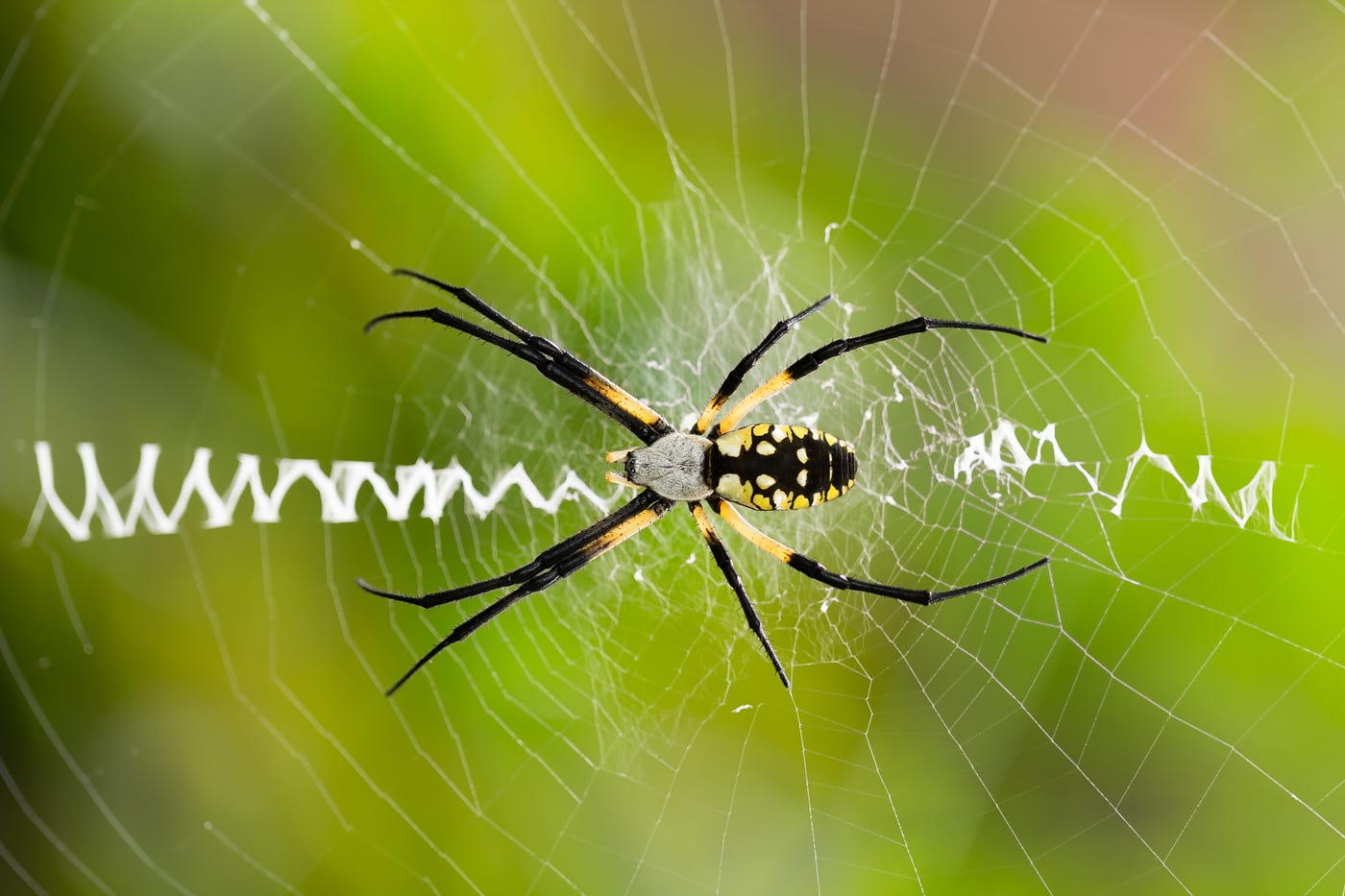
The web of a yellow garden spider is a work of art. It features a distinctive zigzag pattern, known as a stabilimentum. This pattern strengthens the web and attracts prey. The web is large, often spanning several feet. It is placed in open spaces to catch more insects. The silk is strong and sticky, ensuring prey cannot escape. These webs are rebuilt regularly, showcasing the spider’s dedication.
Venom Composition
Yellow garden spiders, known for their striking appearance, have a unique venom. Understanding its composition helps to dispel myths about their danger. Their venom is primarily used for subduing prey, rather than harming humans.
Chemical Components
The venom of yellow garden spiders contains proteins and enzymes. These components break down the prey’s tissues for easier consumption. Unlike some dangerous spiders, their venom lacks potent neurotoxins. This means it poses minimal risk to humans.
Comparison With Other Spiders
Compared to black widows, yellow garden spiders have milder venom. Black widows possess neurotoxins that can affect human health. In contrast, the yellow garden spider’s venom is less harmful. This makes them less of a threat to people.
Effects On Humans
Yellow garden spiders are not dangerous to humans. Their venom is mild and only causes slight irritation. Most people experience no serious effects from their bite.
Yellow garden spiders are fascinating creatures often found weaving intricate webs in gardens. Many wonder if these spiders pose any danger to humans. Understanding the effects of their bites can help ease concerns. Although their bright appearance might suggest danger, these spiders are not aggressive and rarely bite humans. When they do, their venom is usually harmless to people.
Symptoms Of Spider Bites
Most yellow garden spider bites cause mild symptoms. The bite might feel like a small pinch. Some people experience redness or slight swelling at the bite site. Itching may occur, similar to a mosquito bite. These symptoms typically resolve quickly. Most individuals recover without any special treatment.
Medical Implications
In rare cases, a person might be allergic to spider venom. This can lead to more severe symptoms. Watch for signs like difficulty breathing or severe swelling. If these occur, seek medical attention promptly. Generally, yellow garden spiders pose no serious health risks. Their venom lacks the potency to cause significant harm.
Misconceptions And Myths
The yellow garden spider, with its striking colors and web artistry, often sparks curiosity and concern in equal measure. Many people shy away from these eight-legged creatures, fearing their venomous bite. But how much of what we hear about yellow garden spiders is true, and what is simply myth?
Common Misunderstandings
One prevalent myth is that yellow garden spiders are highly venomous to humans. This misconception likely stems from their vivid coloration, which is often associated with danger in the animal kingdom. However, these spiders are harmless to humans, posing no significant threat with their bite.
Another misunderstanding is that these spiders are aggressive and prone to attack. In reality, yellow garden spiders are rather docile and only bite when provoked or threatened. They are more interested in capturing pests than engaging with humans.
Clarifying The Facts
It’s important to know that the venom of a yellow garden spider is intended for small prey like insects. In the unlikely event of a bite, the symptoms for humans are usually mild, akin to a bee sting. Consider this if you’re gardening and come across one of these spiders.
Yellow garden spiders are actually beneficial to your garden. They help control pest populations, making them an ally in maintaining a healthy garden ecosystem. By understanding their role, you can appreciate their presence rather than fear it.
Next time you see a yellow garden spider, remember that it’s more friend than foe. Could embracing these garden dwellers enhance your outdoor space and peace of mind?
Credit: medium.com
Role In Ecosystem
Yellow garden spiders play a vital role in the ecosystem. These spiders are part of a balanced environment, contributing to the health of gardens. They help maintain the ecological equilibrium by engaging in dynamic interactions with other species.
Predator And Prey Dynamics
Yellow garden spiders are efficient predators. They control insect populations, reducing pests in gardens. Their webs trap various insects like flies, mosquitoes, and moths. This natural pest control helps gardeners without using harmful chemicals.
These spiders are also prey for larger animals. Birds and reptiles often feed on them. This interaction supports the food web. It ensures energy flow through different trophic levels.
Environmental Benefits
Yellow garden spiders contribute to biodiversity. Their presence indicates a healthy ecosystem. They attract predators like birds, enhancing the habitat’s diversity.
Their webs provide shelter for other small creatures. This adds layers of complexity to the environment. Such intricacies support the ecosystem’s resilience.
Spiders’ hunting activities improve plant health. Fewer pests mean better growth for flowers and crops. This leads to more vibrant and productive gardens.
Safety Precautions
Yellow garden spiders are not poisonous to humans. They are harmless and rarely bite unless provoked. It’s still wise to observe them from a distance and avoid handling them.
Safety Precautions are essential when dealing with yellow garden spiders. While these spiders are not aggressive, understanding their nature helps prevent unwanted encounters. Educating yourself about these spiders can ease fears and promote a harmonious garden environment.
Preventing Spider Bites
To avoid spider bites, wear gloves when gardening. This reduces skin contact with spiders. Shake out clothing and shoes before wearing them. Spiders often hide in dark, undisturbed places. Keep garden areas tidy. Remove debris and clutter where spiders might nest. Install screens on windows and doors. This prevents spiders from entering your home.
Managing Garden Spiders
Manage garden spiders by observing their webs. Do not destroy their webs unless necessary. Spiders help control pests. Use natural repellents like essential oils. Peppermint and citrus oils deter spiders. Plant spider-repelling plants. Lavender and eucalyptus work well. Regularly prune and trim plants. This reduces spider habitats. Maintain a balanced garden ecosystem. Encourage beneficial insects to thrive.

Credit: doctorpest.net
Frequently Asked Questions
Should I Get Rid Of Yellow Garden Spiders?
Yellow garden spiders are beneficial for gardens. They control pest populations by eating insects. Removing them can lead to increased pests. It’s best to let them stay unless they pose a direct threat. They are non-aggressive and rarely bite humans.
Enjoy their presence and natural pest control benefits.
What Happens If A Yellow Garden Spider Bites You?
A yellow garden spider bite is harmless to humans. It might cause mild pain or redness, similar to a bee sting. Symptoms usually resolve quickly. Seek medical advice if you experience severe reactions. These spiders are not aggressive and bite only when provoked.
Can You Touch A Yellow Garden Spider?
Yes, you can touch a yellow garden spider, but it’s best to avoid handling them. They are not aggressive and rarely bite humans. Their bite is not harmful to humans, but it might cause mild irritation. Always handle spiders with care to avoid stress or injury to them.
Are Yellow Spiders Toxic?
Yellow spiders can be toxic, depending on the species. Most are harmless to humans, like the Yellow Sac Spider. Some species have venom that may cause mild reactions. Always consult an expert for identification and treatment if bitten. Avoid handling spiders without proper knowledge.
Conclusion
Yellow garden spiders are not poisonous to humans. Their bite feels like a bee sting. These spiders help control insect pests in gardens. They weave beautiful webs that catch sunlight. Many people enjoy watching them spin. Spiders play a vital role in the ecosystem.
They keep bug populations in check. So, there’s no need to fear them. They are more friends than foes. Encouraging their presence can benefit your garden. Next time you see one, observe it safely. Appreciate its unique beauty and role in nature.


