
Imagine stepping into your garden and finding it thriving, vibrant, and full of life. What if the secret to this lush paradise lies right beneath your feet?
Yes, we’re talking about leaves. As autumn sets in, your garden becomes a canvas of fallen leaves, and the question arises: Are leaves good for a garden? By the end of this article, you’ll discover how these natural gifts can transform your gardening experience.
You’ll learn how to harness their potential, turning them into powerful allies in your quest for a flourishing garden. Curious to unlock nature’s hidden treasure? Let’s delve into the world of leaves and uncover their surprising benefits for your garden.

Credit: www.tiktok.com
Benefits Of Leaves In Gardens
Leaves enrich garden soil by adding organic matter and nutrients as they decompose. They help retain moisture, reducing the need for frequent watering. Additionally, leaves offer protection to plants by insulating roots during cold weather.
Leaves are a valuable asset for gardens. They offer numerous benefits that enhance soil health and plant growth. These natural resources are abundant and cost-effective. Using leaves in gardens can transform the landscape into a thriving ecosystem.Improving Soil Fertility
Leaves enrich the soil with nutrients. As they decompose, they release essential elements like nitrogen. This process enhances soil fertility, promoting robust plant growth. Leaves also improve soil texture, making it easier for roots to spread.Retaining Moisture
Leaves act as a natural mulch. They cover the soil, reducing evaporation. This helps retain moisture, keeping plants hydrated. Moisture retention is crucial during dry seasons. Leaves ensure that plants receive consistent water supply.Suppressing Weeds
Leaves create a barrier that blocks sunlight. This prevents weeds from sprouting. Less sunlight means fewer weeds. Gardeners spend less time weeding, enjoying a more manageable garden.Providing Habitat
Leaves offer shelter for beneficial insects. These insects help pollinate plants and control pests. A garden with diverse insect life is healthier. Leaves contribute to this ecosystem balance.Enhancing Biodiversity
Leaves foster a rich biodiversity. They support various microorganisms. These tiny organisms break down organic matter. This process enriches the soil and supports plant life. A garden with high biodiversity is more resilient.Reducing Waste
Using leaves in gardens reduces waste. Instead of discarding them, gardeners recycle leaves. This practice minimizes yard waste and benefits the environment. Leaves are a sustainable resource for garden maintenance. Incorporating leaves into garden care is simple. Their benefits are significant and contribute to a flourishing garden environment.Nutrient-rich Leaf Compost
Leaves, often overlooked and tossed away, can be a treasure trove for your garden. As they break down, leaves transform into nutrient-rich compost that can significantly enhance soil health. This natural process not only recycles organic matter but also supports sustainable gardening practices. Embrace the power of leaf compost to create a thriving garden ecosystem.
Essential Nutrients Provided
Leaf compost is packed with essential nutrients that plants crave. It delivers nitrogen, potassium, and phosphorus, which are vital for plant growth. These nutrients improve soil structure, making it easier for roots to penetrate and access water and nutrients.
Additionally, leaves contain trace minerals like calcium and magnesium, which contribute to the overall health of your garden. These elements help build strong cell walls, promoting robust plant development. Imagine your garden flourishing with lush, vibrant plants, all thanks to the humble leaf.
Composting Methods
Creating leaf compost can be simple and rewarding. One method involves piling leaves in a designated area and letting nature do its work. You can speed up decomposition by shredding the leaves first. This creates more surface area for microbes to break down the material.
Another effective approach is using a compost bin. Mix leaves with other organic materials like kitchen scraps to balance the carbon-to-nitrogen ratio. Turning the pile occasionally aerates it, encouraging faster breakdown. Consider experimenting with different methods to see what works best for your garden.
Have you ever noticed how fallen leaves create a natural mulch in forests? This is a hint at the potential benefits of leaf compost for your garden. By harnessing this natural process, you not only enrich your soil but also contribute to a healthier environment.
Leaf Mulch For Moisture Retention
Leaf mulch is a secret weapon in the gardener’s toolkit, especially when it comes to moisture retention. Imagine having a natural sponge spread across your garden, soaking up rain and dew, and gradually releasing moisture to thirsty plants. This isn’t just a dream—it’s exactly what leaf mulch does. By layering fallen leaves over your garden soil, you create a protective barrier that helps maintain soil moisture and keep your plants thriving even during dry spells. But how does this process work, and how can you effectively apply leaf mulch in your garden?
How Mulch Retains Moisture
Mulch acts like a shield for your garden, reducing evaporation by blocking sunlight from directly hitting the soil. This means the water stays where it’s needed, nourishing the roots below. Imagine the leaves as a cozy blanket for your soil, keeping it cool and moist. Plus, as leaves decompose, they improve soil structure, making it easier for water to penetrate and stay locked in. This dual action of protection and enhancement makes leaf mulch an invaluable ally for moisture retention.
Application Techniques
- Choose the right leaves:Opt for leaves from trees like oak and maple, which decompose slowly and provide lasting cover.
- Layer it up:Apply a thick layer of leaves, about 2-3 inches deep, across the garden bed. Thinner layers may not effectively retain moisture.
- Keep it tidy:Ensure leaves are spread evenly to avoid clumping, which can lead to pests or fungal growth.
- Monitor and refresh:Regularly check the mulch layer for signs of thinning and add more leaves as needed to maintain its moisture-retaining benefits.
Using leaf mulch is not only practical but also a sustainable way to nurture your garden. Have you tried leaf mulch in your own garden? What results have you noticed?
Leaves As Natural Insulation
Leaves provide natural insulation for gardens, keeping soil warm and moist. They break down into nutrients, enriching the earth. This simple layer helps protect plants from harsh weather conditions.
Leaves as Natural Insulation Have you ever thought about how leaves, often considered yard waste, can be your garden’s unsung heroes? These natural materials can provide essential insulation for your garden. By using fallen leaves, you can maintain a healthier soil environment and protect your plants during colder months.Temperature Regulation
Leaves have the remarkable ability to regulate soil temperature. As they decompose, they create a warm blanket over the soil, keeping it from getting too cold in winter or too hot in summer. This consistent temperature helps maintain healthy root systems, allowing your plants to thrive. Imagine your garden soil snug under a cozy layer of leaves. This natural covering can reduce the need for artificial mulches and lessen your gardening workload. Plus, it’s a sustainable way to utilize what your garden already provides.Protection From Frost
Leaves act as a shield against frost, which is a common threat during colder months. A thick layer of leaves can insulate tender plants, protecting them from sudden temperature drops. This can be especially beneficial for perennials and young seedlings that are more susceptible to frost damage. Have you noticed frost damage in your garden before? Try covering your garden beds with a layer of fallen leaves. It’s a simple and effective method to prevent frostbite on your plants. By using leaves as insulation, you’re not only protecting your plants but also enriching the soil as they break down. This dual benefit is a win for both you and your garden. Why not give your plants the best natural protection they deserve?Leaf Litter And Soil Health
Leaf litter is more than just fallen leaves. It plays a vital role in garden soil health. Leaves decompose, returning nutrients to the earth. This natural process enhances soil quality, offering multiple benefits. Let’s explore how leaf litter improves soil health.
Enhancing Soil Structure
Leaves break down into small pieces over time. They mix with soil, improving its texture. This process creates a crumbly soil structure. A well-structured soil holds water better. It allows air to reach plant roots. Better soil structure supports healthier plant growth. This also reduces soil erosion, keeping nutrients in place.
Encouraging Beneficial Microorganisms
Leaf litter attracts useful microorganisms. These tiny creatures help break down organic material. They transform leaves into nutrient-rich compost. Microorganisms improve soil fertility. Healthy soil supports vibrant plant life. Leaf litter also attracts earthworms. Earthworms aerate the soil, enhancing its quality. Together, they create a thriving ecosystem.

Credit: www.youtube.com
Potential Drawbacks Of Using Leaves
Leaves can be a fantastic addition to your garden, offering nutrients and improving soil structure. However, their use isn’t without challenges. Knowing the potential drawbacks can help you make informed decisions and maintain a healthy garden ecosystem. Let’s explore some key concerns.
Risk Of Pests And Diseases
Leaves left on the ground can become a haven for pests. Moist environments under leaf piles are perfect for insects like slugs and snails. These critters love munching on tender plants, potentially harming your garden.
Diseased leaves can spread fungi and bacteria. If your trees suffered from ailments, those issues might transfer to your garden. Always check leaves for signs of disease before using them as mulch.
Are you willing to gamble with pests for the benefits of leaf mulch? Balancing risks is key to a thriving garden.
Managing Overaccumulation
Too many leaves can suffocate plants. A thick layer blocks sunlight and air, harming growth. You might end up with a stunted garden instead of a flourishing one.
Heavy leaf piles can cause drainage issues. Water retention may lead to root rot. Ensure leaves are spread evenly to prevent these problems.
How do you manage leaf accumulation effectively? Consider composting or regularly turning leaf mulch to maintain balance.
Best Practices For Leaf Utilization
Leaves are a natural treasure for gardeners, offering a wealth of nutrients that can enrich your soil and promote healthy plant growth. Whether you’re an experienced gardener or a novice, understanding the best practices for leaf utilization can transform your garden into a lush paradise. How can you make the most of this seasonal bounty?
Seasonal Considerations
Each season presents unique opportunities for leaf utilization. In autumn, the abundance of fallen leaves provides a perfect chance to enrich your soil. Collect and store them in a designated area to prepare for composting.
Winter is ideal for mulching with leaves. Spread a layer over your garden beds to protect plants from frost, conserve moisture, and suppress weeds.
As spring approaches, it’s time to use composted leaves to nourish your soil. This will kickstart the growing season, providing essential nutrients and improving soil structure.
Tips For Effective Use
Shredding leaves before use enhances their decomposition. Invest in a leaf shredder or simply mow over them. This process speeds up composting and prevents matting.
Layer leaves with other organic materials in your compost pile. Alternate between leaves, grass clippings, and kitchen scraps to maintain balance and ensure efficient decomposition.
Consider creating leaf mold. Pile leaves in a corner of your garden and let nature take its course. Over time, they break down into a rich, crumbly substance perfect for enriching your soil.
How do you currently utilize leaves in your garden? Experiment with these methods and observe the changes. Your garden’s health and productivity might surprise you!
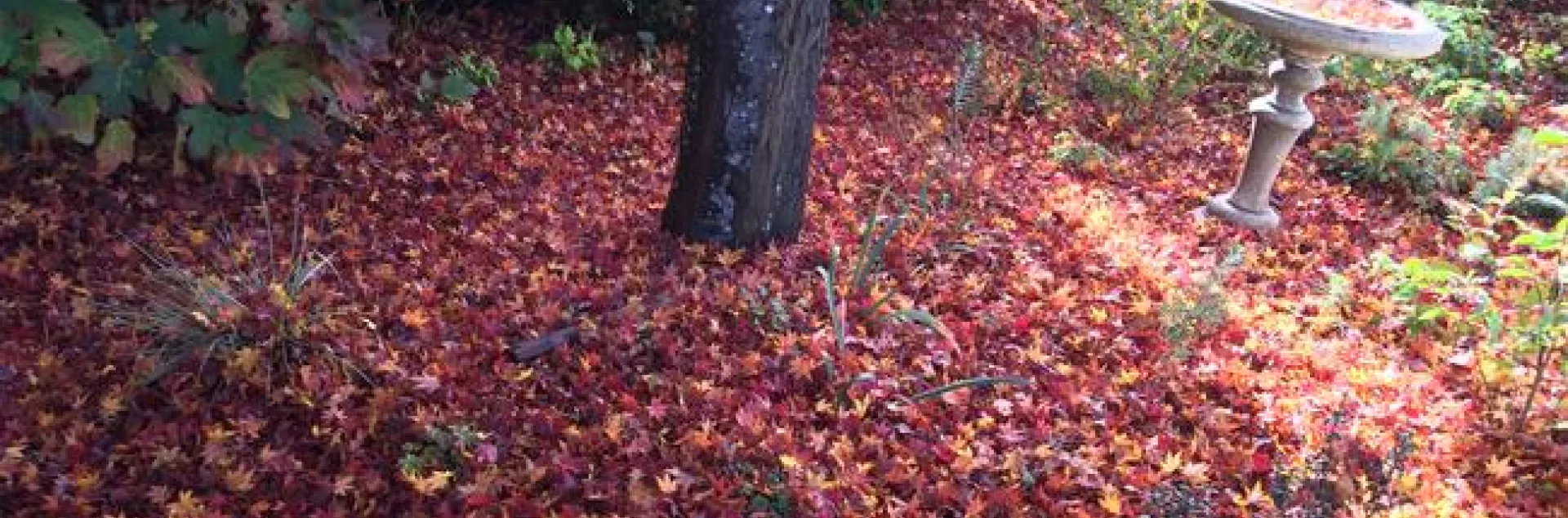
Credit: ucanr.edu
Alternatives To Leaf Fertilization
Leaves are often used as a natural fertilizer in gardens. They enrich the soil and promote plant growth. Yet, not everyone can utilize leaves for fertilization. In such cases, exploring alternatives becomes essential. Let’s delve into other organic options and understand when to choose them.
Comparing With Other Organic Options
Gardeners have various organic fertilizers to consider. Compost is a popular choice, made from kitchen scraps and yard waste. It improves soil structure and adds nutrients. Manure is another option, rich in nitrogen and organic matter. It boosts microbial activity in the soil.
Bone meal, made from ground animal bones, provides phosphorus. It aids in root development and flowering. Fish emulsion is a liquid fertilizer high in nitrogen. It encourages leafy growth and is fast-acting. Each option has unique benefits and can complement leaf fertilization.
When To Choose Alternatives
Some gardens may lack a steady supply of leaves. In urban areas, leaves might not be abundant. Allergies can make handling leaves difficult for some gardeners. In these cases, alternatives like compost or manure are practical choices.
For quick nutrient release, fish emulsion is ideal. It acts faster than decomposing leaves. When specific nutrients are needed, bone meal provides targeted supplementation. Choose alternatives based on your garden’s specific needs and limitations.
Frequently Asked Questions
Is It Good To Have Leaves In Your Garden?
Yes, leaves are beneficial in gardens. They enrich soil, retain moisture, and provide habitat for beneficial insects. Leaves also act as natural mulch, suppressing weeds and regulating soil temperature. Allowing leaves to decompose naturally enhances garden health and sustainability.
How Long Does It Take For Leaves To Decompose In A Garden?
Leaves decompose in a garden within 6 to 12 months. Factors include leaf type, moisture, and temperature. Regular turning and shredding speed up the process, enriching soil faster. Healthy decomposition supports garden growth and sustainability, making natural waste recycling a beneficial practice for gardeners.
Should You Remove Leaves From Your Garden?
Remove leaves from your garden to prevent mold and pests. Leaves can smother grass, affecting its growth. Use them as mulch or compost for recycling. Regular removal keeps your garden healthy and attractive. Consider leaving some leaves for wildlife habitat if desired.
What Happens If You Don’t Pick Up Fall Leaves?
Leaving fall leaves can lead to mold growth and dead grass. Leaves block sunlight and trap moisture, harming your lawn. Pests may thrive, and decomposing leaves can create slippery surfaces. Regularly removing leaves supports a healthy, vibrant yard and prevents potential hazards.
Conclusion
Leaves offer many benefits to your garden. They enrich the soil. They help plants grow stronger. Leaves also retain moisture. This reduces the need for frequent watering. Fallen leaves can act as natural mulch. This protects plants from harsh weather.
They create a habitat for beneficial insects. Leaves also add beauty to your garden. Their varied colors and shapes enhance the view. Remember to use them wisely. Too many leaves can suffocate plants. Balance is key. Enjoy the benefits of leaves in your garden.
They are nature’s gift for healthier growth. So, welcome leaves into your gardening routine.


