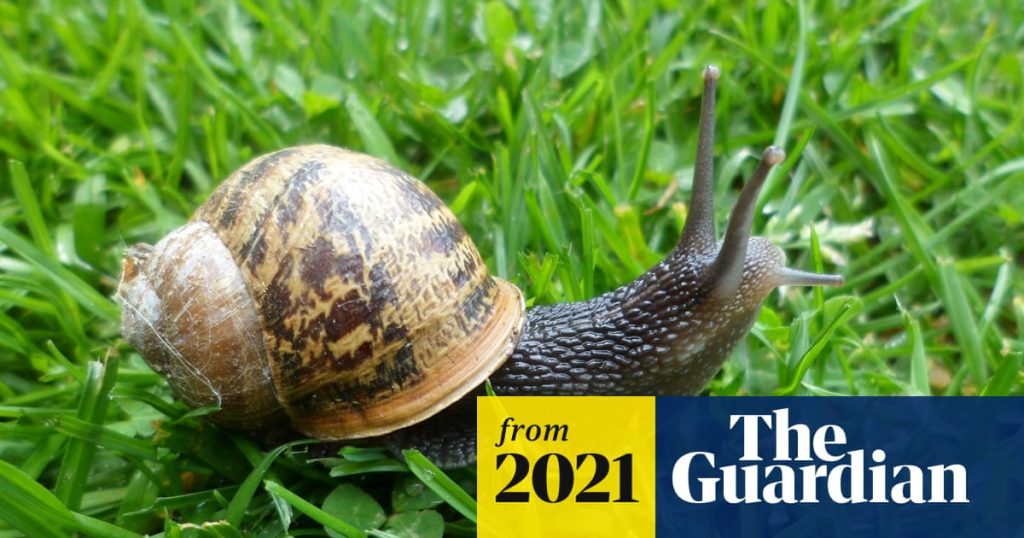
Have you ever noticed those slow-moving garden snails gliding gracefully across your backyard? At first glance, they seem harmless, almost charming in their leisurely strolls.
But have you ever wondered, “Are garden snails dangerous? ” This question may have crossed your mind, especially if you have a garden or young children who love to explore the outdoors. Understanding the truth about these seemingly innocent creatures can help ensure your garden’s health and your family’s safety.
We’ll unravel the mystery surrounding garden snails. We’ll explore whether they pose any threats and how you can manage their presence effectively. Stick around, and discover the surprising facts that might just change the way you see these little garden visitors forever!
Garden Snails At A Glance
Garden snails, often seen gracefully gliding across leaves and soil, are a common sight in gardens worldwide. These small creatures, with their spiral shells and slow movements, might seem harmless at first glance. However, their presence in your garden can have unexpected implications. Understanding their habits and effects on your garden is crucial for maintaining a healthy ecosystem.
What Are Garden Snails?
Garden snails belong to the mollusk family, characterized by their soft bodies and protective shells. They thrive in moist environments and are typically active during the night or after rain. Their diet primarily consists of plants, making them frequent visitors to gardens.
Impact On Your Plants
Though small, garden snails can have a big impact on your plants. They feed on leaves, stems, and flowers, often leaving behind ragged holes. This can stunt plant growth and, in severe cases, lead to plant death. If you’ve noticed your garden looking less lush, these snails might be the culprits.
Are They Harmful To Humans?
Garden snails are not directly harmful to humans. They don’t bite or sting and generally avoid human contact. However, they can carry parasites like rat lungworm, which can be transmitted to humans through ingestion. It’s always wise to wash your hands after handling them.
Natural Predators
Nature has its own way of controlling snail populations. Birds, frogs, and beetles are natural predators that help keep snail numbers in check. Encouraging these creatures in your garden can be a natural way to manage snails without resorting to chemical solutions.
Effective Control Methods
If snails have become a nuisance in your garden, there are several methods you can employ to reduce their numbers. Creating barriers with copper tape or eggshells can deter their movement. Handpicking them during their active hours can also help. For larger infestations, organic snail pellets are an effective solution.
Final Thoughts
Garden snails are a part of the intricate web of garden life. While they can be destructive, they also contribute to the ecosystem. By understanding their behavior and implementing control measures, you can maintain a balanced garden environment. Have you observed garden snails in your space? What strategies have you used to manage them?

Credit: uk.style.yahoo.com
Common Types Of Garden Snails
Garden snails are common visitors in backyards. They come in various types, each with unique characteristics. Some snails are more prevalent than others. Understanding these types can help manage your garden better.
Helix Aspersa
Helix Aspersa, or the common garden snail, is widespread. It has a brown shell with a spiral pattern. This snail is often found in moist environments.
Helix Pomatia
Known as the Roman snail, Helix Pomatia is larger. It features a creamy shell with brown bands. This type is often found in vineyards and gardens.
Cornu Aspersum
Cornu Aspersum is another name for the common garden snail. It thrives in various climates. Its adaptability makes it a frequent garden inhabitant.
Theba Pisana
Theba Pisana, also called the white garden snail, has a pale shell. It is often seen in coastal areas. This snail prefers sandy soils.
Otala Lactea
Otala Lactea, or the milk snail, has a distinctive shell. It features a milky white color with brown spots. This snail is often found in Mediterranean climates.
Monacha Cartusiana
Monacha Cartusiana has a small, rounded shell. Its shell is light brown with darker bands. This snail is common in Europe.
Ecological Role Of Garden Snails
Garden snails might seem like simple creatures, but they play a surprisingly vital role in the ecosystem. These tiny mollusks are more than just slow-moving inhabitants of your garden; they contribute significantly to the health and balance of their surroundings. Understanding their ecological role can offer insights into why they should be appreciated rather than feared.
Understanding The Snail’s Role In Nutrient Cycling
Garden snails are nature’s recyclers. They feed on decaying plant matter, breaking it down and returning nutrients to the soil. This natural process enriches the earth, making it more fertile and conducive for plant growth. By fostering healthier soil, garden snails indirectly support the lush growth of gardens.
Snails As Food For Other Wildlife
Garden snails are an essential food source for various predators. Birds, mammals, and even other insects rely on snails as part of their diet. By sustaining these predators, snails contribute to the biodiversity of the ecosystem. Their presence ensures a balanced food chain, supporting a wide array of species.
Snail Activity And Soil Aeration
As snails move, they inadvertently help aerate the soil. Their slow but persistent movements create tiny channels in the earth. These pathways allow air and water to circulate more freely, enhancing soil health. Have you ever noticed how vibrant plants can be after a rainy day? Snails play a subtle role in this transformation.
Potential Allies In Pest Control
While snails can nibble on plants, they also consume harmful insects and their larvae. By controlling pest populations, snails can indirectly protect your garden from more serious infestations. Could snails be a natural solution to your pest woes?
The next time you spot a garden snail, consider the ecological benefits they bring. Their quiet presence is a testament to the intricate balance of nature. How will you view these humble creatures now?

Credit: www.sydney.edu.au
Potential Risks To Humans
Garden snails are common in backyards around the world. While they seem harmless, they can pose certain risks to humans. Understanding these risks can help you enjoy your garden safely.
Health Concerns
Garden snails can carry parasites. One such parasite is the rat lungworm. This parasite can cause meningitis in humans. Infection happens if snails are eaten raw or undercooked. It’s rare but serious. Always wash garden produce carefully.
Allergies And Reactions
Some people may have allergic reactions to snails. Handling them can cause skin irritation. Symptoms include redness, itching, and swelling. If you experience these, wash your hands thoroughly. Use gloves to avoid direct contact in the future.
Impact On Gardens And Plants
Garden snails might seem harmless, but their presence can affect gardens. These small creatures feed on plants, causing visible damage. Understanding their impact helps gardeners manage them effectively.
Damage To Vegetation
Snails love young, tender plants. They feed on leaves, stems, and flowers, leaving holes. This can stunt plant growth and reduce yields. Snail damage is easy to spot. Look for ragged edges and shiny trails on plants. These signs indicate a snail problem. In severe cases, snails can decimate entire plants overnight.
Beneficial Aspects
Not all snail impacts are negative. Snails help break down organic material, enriching the soil. Their waste acts as a natural fertilizer, improving soil health. They are also a food source for birds and beneficial insects. This helps maintain a balanced ecosystem in the garden. Understanding both sides of snails’ impact helps gardeners make informed decisions.
Snail-borne Diseases
Garden snails might look harmless but can carry diseases. They often host parasites that affect human health. Handling snails without gloves can increase the risk of infection, particularly through open wounds.
Garden snails, seemingly harmless, can carry diseases affecting humans. These illnesses arise from parasites living within snails. Though infections are rare, awareness is crucial. Knowing the risks helps in taking precautions.Transmission To Humans
Snails can host parasites harmful to humans. Rat lungworm is a notable example. Humans might get infected by consuming raw snails. Vegetables contaminated with snail slime pose risks too. The parasite enters the human body, leading to illness. Symptoms include headaches and fever. In severe cases, neurological issues may arise. Proper cooking and hygiene reduce these risks significantly.Preventive Measures
Preventing snail-borne diseases involves simple steps. Always wash vegetables thoroughly before eating. Cooking snails properly kills harmful parasites. Avoid touching snails with bare hands. Use gloves if handling snails. Ensure gardens are snail-free by removing debris. This prevents snail infestation around living areas. Regular pest control keeps snail populations in check. Educating family about these measures protects everyone’s health.Handling And Safety Tips
Garden snails are not dangerous but can carry parasites harmful to humans. Always wash hands after handling them. Keep snails away from vegetable gardens to prevent contamination.
Are garden snails dangerous? It’s a question many gardeners ponder as they encounter these seemingly harmless creatures in their lush green spaces. While garden snails are not inherently dangerous, handling and safety tips are essential to ensure a safe and enjoyable interaction with them. This section offers practical advice for safely handling garden snails and managing your garden effectively.Safe Interaction
When it comes to interacting with garden snails, it’s crucial to approach them gently. Snails are sensitive to pressure, so handling them carefully is key. Use clean, dry hands, and avoid squeezing or pinching their shells. Did you know snails can carry parasites harmful to humans? Always wash your hands thoroughly after handling them. Consider wearing gloves if you’re cautious about potential risks. Gloves provide an extra layer of protection and keep your hands clean. Think about your garden’s ecosystem. Snails play a vital role in the environment, so treat them with respect. A gentle touch will ensure both you and the snail remain safe.Garden Management
Managing snails in your garden doesn’t mean eliminating them entirely. Instead, focus on balance. Create barriers to prevent snails from accessing certain areas without harming them. Copper tape around plant pots can be an effective deterrent. Regularly inspect your garden for signs of snail activity. Look for shiny trails or small holes in leaves. This helps you act promptly to protect your plants. Introduce natural predators like birds or beetles to keep the snail population in check. This approach is both eco-friendly and effective. Think about planting snail-resistant plants such as lavender or rosemary. These plants naturally deter snails and add beauty to your garden. Remember, snails are part of nature’s cycle. Managing them thoughtfully can enhance your garden’s health and biodiversity.Debunking Myths About Garden Snails
Garden snails are often misunderstood as dangerous creatures. In reality, they pose no harm to humans and pets. These small mollusks primarily feed on plants, playing a role in the ecosystem.
Garden snails often get a bad reputation due to various myths that surround their existence. Many people believe these creatures are dangerous or harmful, but it’s time to clear the air. Understanding the truth about garden snails can help you appreciate their role in your garden ecosystem.Misconception: Garden Snails Are Harmful To Humans
Contrary to popular belief, garden snails are not dangerous to humans. They do not bite or sting, and they are not poisonous. Although they can carry parasites, the risk to humans is minimal if proper hygiene is practiced.Myth: Snails Destroy Entire Gardens
While it’s true that snails eat plants, they don’t typically destroy entire gardens. They prefer young, tender foliage and are unlikely to cause widespread damage. You can manage their presence by using barriers or natural predators like birds.False Belief: Snails Have No Ecological Benefit
Garden snails play a crucial role in the ecosystem. They help break down decaying plant material, enriching the soil with nutrients. Their presence can actually contribute to a healthier garden environment.Misunderstanding: Snails Are Hard To Control
Many people think snails are impossible to manage, but several effective strategies exist. Hand-picking, setting up traps, or introducing natural predators can keep their population in check. Regular garden maintenance also helps prevent overpopulation.Unfounded Fear: Snails Spread Diseases
While snails can carry parasites, the chances of disease transmission to humans are low. Practicing good hygiene, like washing hands after handling snails or gardening, minimizes any potential risk. Being informed can help reduce unnecessary fear. By debunking these myths, you can develop a balanced view of garden snails and appreciate their place in nature. Have you ever considered how they might actually benefit your garden?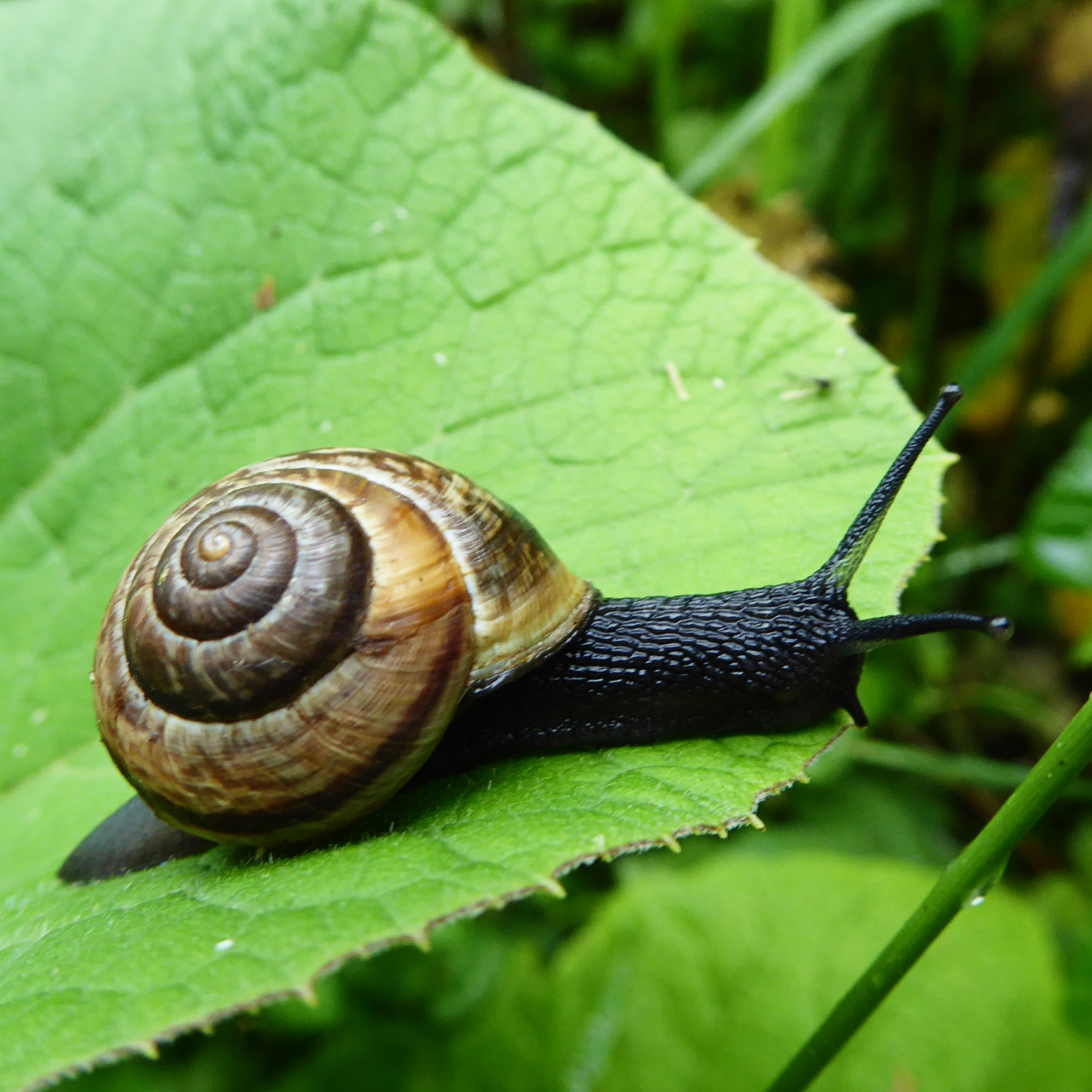
Credit: www.gardeningknowhow.com
Frequently Asked Questions
Is It Safe To Touch Garden Snails?
Touching garden snails is generally safe. Wash your hands afterward to avoid bacteria or parasites. Ensure children handle snails gently to prevent harm. Avoid touching snails if you have cuts or allergies. Snails are fascinating creatures, but always exercise caution and maintain hygiene for safety.
Should You Kill Garden Snails?
Garden snails can damage plants, but killing them is not the only solution. Consider using natural repellents or barriers. Encouraging predators like birds can help control their population. Always opt for eco-friendly methods to maintain garden health.
What Happens If A Garden Snail Bites You?
Garden snail bites are harmless and painless. They cannot penetrate human skin. Snails eat plants, not humans. Clean the area if bitten.
Why Shouldn’t You Pick Up Snails?
Picking up snails can harm them by damaging their shells. They might carry parasites harmful to humans. Handling them disrupts their natural habitat and life cycle. It’s best to observe snails without disturbing them to maintain ecological balance and ensure safety for both snails and humans.
Conclusion
Garden snails may seem harmless, but they aren’t always safe. These tiny creatures can carry parasites that might harm humans. So, it’s wise to handle them carefully. Wash your hands after touching snails. Keep them away from food plants. This helps prevent any health risks.
Snails play an important role in gardens. They help break down organic matter. But caution is key to avoid problems. With proper care, you can enjoy your garden without worry. Remember, a little knowledge goes a long way in keeping your garden safe and healthy.