
Imagine having a secret weapon in your garden that works silently beneath the soil, transforming it into a thriving paradise for your plants. That secret weapon?
Earthworms. You might have heard of them, those wiggly creatures often seen after a rainstorm. But did you know they’re nature’s little gardeners? Earthworms play a vital role in enriching your garden soil, helping your plants grow stronger and healthier.
They might just be the missing piece to unlock the full potential of your green space. Curious to know how these humble helpers can make a real difference in your garden? Keep reading to discover why earthworms might be the best thing that ever happened to your garden and how you can harness their power for lush, vibrant plants.

Credit: www.facebook.com
Role Of Earthworms In Soil Health
Earthworms are often seen as quiet, unassuming garden residents, but their impact on soil health is significant and multifaceted. By tunneling through soil, they perform essential tasks that benefit your garden’s ecosystem. Let’s explore how these remarkable creatures contribute to a thriving garden environment.
Nutrient Cycling
Earthworms play a crucial role in nutrient cycling within the soil. As they consume organic material, they break it down into smaller particles. This process enriches the soil with nutrients like nitrogen, phosphorus, and potassium, which are essential for plant growth.
Have you noticed how lush and green your plants look after a rainy day? Earthworms help to ensure these nutrients are readily available by converting organic matter into more accessible forms for your plants. Consider adding compost to your garden to attract more earthworms, enhancing this natural nutrient cycle.
Soil Aeration
Earthworms are natural tillers, creating burrows as they move through the soil. These burrows improve soil aeration, allowing air and water to penetrate deeper into the ground. This aerated soil encourages robust root growth, giving your plants a solid foundation.
Imagine trying to breathe in a tightly sealed room; that’s how compacted soil feels for plant roots. Earthworm activity loosens the soil, making it easier for roots to access the air they need. Next time you plant, notice how easily your shovel moves through earthworm-rich soil.
Water Retention
Proper water retention is vital for maintaining a healthy garden, and earthworms contribute significantly to this aspect. Their burrows help the soil absorb and retain water more efficiently, reducing runoff and erosion.
Think about a sponge absorbing water; similarly, earthworm burrows allow soil to soak up moisture, which plants can access during dry periods. This process ensures your garden remains hydrated and resilient. Have you ever observed how well your garden bounces back after a dry spell? Earthworms might be quietly working beneath the surface to keep it thriving.

Credit: www.facebook.com
Types Of Earthworms Beneficial For Gardens
Earthworms are the unsung heroes of the garden, tirelessly working beneath the soil to enhance its health. But did you know that there are different types of earthworms, each serving unique purposes? Understanding the specific types that are beneficial for your garden can transform your gardening experience, making it more productive and environmentally friendly.
Compost Worms
Compost worms, often referred to as red wigglers, are experts at breaking down organic matter. They thrive in compost bins and piles, turning food scraps and garden waste into nutrient-rich compost. These worms are small but mighty, working quickly to decompose material and enrich your soil.
Imagine your garden benefiting from a natural fertilizer, courtesy of these hardworking creatures. If you have a compost system, introducing red wigglers could be a game-changer. They don’t burrow deep, making them perfect for surface-level composting.
Deep Burrowers
Deep burrowers, such as nightcrawlers, are the soil architects. These worms dig deep into the earth, creating tunnels that aerate the soil. This aeration improves water drainage and root penetration, essential for robust plant growth.
Have you ever noticed your plants struggling in compacted soil? These deep burrowers can be your solution. By loosening the soil, they enhance its texture and fertility, promoting healthier plants and a thriving garden.
Surface Dwellers
Surface dwellers, also known as topsoil earthworms, play a pivotal role in breaking down leaf litter and other organic debris. They live close to the surface and are crucial in recycling nutrients back into the soil.
These worms can often be spotted after rainfall, busy at work on the soil surface. Their activity results in a cleaner garden floor and contributes to the soil’s organic content. If your garden lacks natural debris decomposition, surface dwellers are your ally.
Reflect on your garden’s needs and consider which type of earthworm could best support your gardening goals. Could a combination of these worms revolutionize your garden’s productivity? The choice is yours—each type offers unique benefits that could make all the difference in your gardening success.
Impact On Plant Growth
Earthworms enhance plant growth by aerating the soil and improving nutrient availability. Their natural tunneling boosts water drainage, promoting healthier roots. These beneficial creatures contribute to a thriving garden ecosystem.
The presence of earthworms in your garden can significantly boost plant growth. They play a vital role in improving soil health, which directly impacts how well plants grow. Their activities in the soil lead to healthier roots and better crop yields.Root Development
Earthworms create tunnels as they move through the soil. These tunnels allow air and water to reach plant roots more easily. Improved air and water flow helps roots grow deeper and stronger. Strong roots anchor plants well and absorb nutrients effectively. This leads to healthier plants with better resistance to drought.Crop Yield Enhancement
Earthworms improve soil fertility by breaking down organic matter. They digest leaves and other plant materials, turning them into nutrient-rich castings. These castings enrich the soil, providing essential nutrients for plants. Nutrient-rich soil leads to higher crop yields. Plants grow faster and produce more fruits or vegetables. This means more food from the same garden space.Encouraging Earthworm Activity
Earthworms are like the secret agents of your garden, quietly improving soil health and boosting plant growth. But how do you attract these beneficial creatures to your patch of earth? Encouraging earthworm activity is all about creating an inviting environment for them to thrive. By focusing on key elements such as organic matter addition, avoiding pesticides, and maintaining moisture levels, you can turn your garden into a worm-friendly haven.
Organic Matter Addition
Adding organic matter is like setting up a buffet for earthworms. They love munching on decomposing leaves, compost, and kitchen scraps. Every time you add organic matter, you’re not just feeding your plants but also creating a feast for worms. Try spreading a layer of compost over your garden beds or using mulch to keep the soil rich and inviting.
Consider using a mix of green and brown compost materials. This balance provides a varied diet for your earthworms, keeping them happy and active. As they digest these materials, they improve soil structure and nutrient content, making your garden more fertile.
Avoiding Pesticides
Pesticides can be a death sentence for earthworms. These chemicals disrupt their natural habitat and can even kill them. By opting for organic pest control methods, you protect your garden’s worm population. Integrated pest management techniques, like using insecticidal soaps or introducing beneficial insects, can keep pests at bay without harming your worms.
Think about your garden’s ecosystem as a whole. Encouraging natural predators can help control pests naturally. This approach not only preserves your worms but also fosters a balanced environment where all beneficial organisms can thrive.
Maintaining Moisture Levels
Earthworms need moisture to survive. Dry soil is a hostile environment for them, pushing them deeper underground or forcing them to leave. Regular watering and using mulch can help maintain soil moisture levels, creating a welcoming habitat for worms.
Monitor your garden’s moisture by checking the soil regularly. If it feels dry, consider increasing your watering frequency or adjusting mulch thickness. Keeping soil consistently moist ensures that your earthworms can continue their vital work, improving soil aeration and nutrient cycling.
Challenges And Considerations
Understanding the role of earthworms in gardens requires careful thought. Earthworms improve soil health, but too many can disrupt plant roots. Balancing their population is key to reaping benefits without harming your garden ecosystem.
Gardening with earthworms offers many benefits. But challenges also exist. While they improve soil health, not all effects are positive. Knowing these challenges helps maintain a healthy garden ecosystem.Invasive Species Concerns
Some earthworms are invasive species. These can disrupt local ecosystems. They may outcompete native worms for resources. This affects the balance of soil nutrients. Invasive worms can harm native plants and animals. They change the soil structure too quickly. Be cautious when introducing earthworms to your garden. Ensure they are native or compatible with the local environment.Balance With Other Soil Organisms
Earthworms play a vital role in soil health. But balance is key. Too many earthworms can disturb other soil organisms. These include beneficial insects and microbes. Each organism has a role in the soil ecosystem. Overpopulation of earthworms may reduce diversity. This can affect plant growth and soil fertility. Monitor worm activity to maintain balance. Encourage a variety of soil life for a thriving garden.Earthworms In Different Climates
Earthworms are the unsung heroes of your garden, tirelessly working beneath the surface to improve soil health. But did you know that their effectiveness can vary depending on the climate? Understanding how earthworms adapt to different climates can help you make the most of their natural abilities.
Adaptations To Temperature
Earthworms have fascinating ways of coping with temperature changes. In colder climates, they burrow deeper into the soil to avoid freezing conditions. You might notice fewer worms during winter, but they’re still there, patiently waiting for warmer days.
On the flip side, in hotter regions, earthworms often seek shelter during peak sun hours to avoid overheating. They thrive best when temperatures are moderate, which is why spring and fall are typically their most active periods. Have you ever wondered why your garden seems more alive in these seasons?
Impact Of Rainfall Patterns
Rainfall plays a crucial role in earthworm activity. In areas with frequent rain, worms are more active, as moisture keeps the soil soft and aerated. This helps them move freely and enhances their ability to break down organic matter.
However, in drier climates, earthworms face challenges. They might retreat deeper underground, where moisture levels are higher. If you’re in a dry area, consider watering your garden regularly to encourage earthworm activity. Have you noticed how your garden thrives after a good soak?
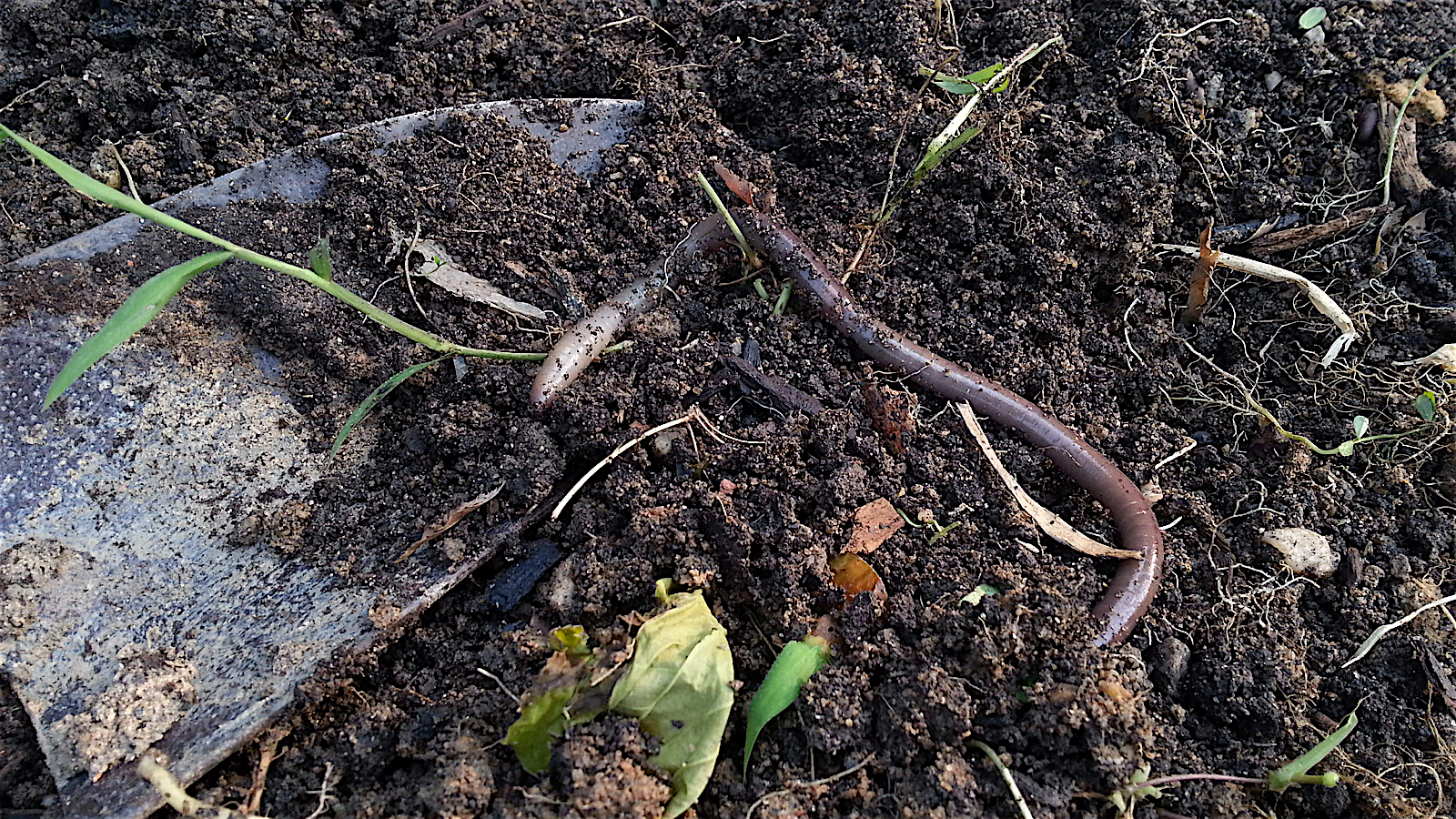
Credit: www.welcomewildlife.com
Frequently Asked Questions
Should I Have Earthworms In My Garden?
Yes, earthworms benefit gardens by improving soil structure, enhancing nutrient availability, and promoting plant growth. They aerate the soil, allowing better water absorption. Their presence supports a healthy ecosystem, helping control pests naturally. Encourage earthworms by adding organic matter and maintaining moist soil conditions.
What Are The Disadvantages Of Earthworms?
Earthworms can disrupt native ecosystems by over-consuming organic matter. They may reduce plant diversity and soil fertility. In gardens, earthworms can create uneven soil surfaces. They can also attract predators, potentially harming other beneficial soil organisms. Excessive earthworm activity might lead to soil erosion and nutrient imbalance.
Is It Good To Have A Lot Of Earthworms?
Having many earthworms is beneficial. They improve soil health by enhancing aeration, drainage, and nutrient availability, boosting plant growth.
Do Lots Of Worms Mean Good Soil?
Lots of worms often indicate healthy soil. They improve soil aeration, nutrient cycling, and water retention. Worms break down organic matter, enriching the soil. Their presence signals good microbial activity and balanced pH levels. Healthy soils typically support diverse plant growth and yield.
Conclusion
Earthworms bring many benefits to your garden. They enrich the soil. They help plants grow stronger and healthier. Their tunnels improve water drainage. This reduces the risk of flooding. Earthworms break down organic matter quickly. This process adds nutrients to the soil.
They are nature’s little helpers. No need for chemical fertilizers. Earthworms work silently and tirelessly. They are essential for a thriving garden. Consider inviting these creatures into your garden. Enjoy watching your plants flourish. Embrace this natural way to boost your garden’s health.
Keep your garden alive and productive with earthworms.


