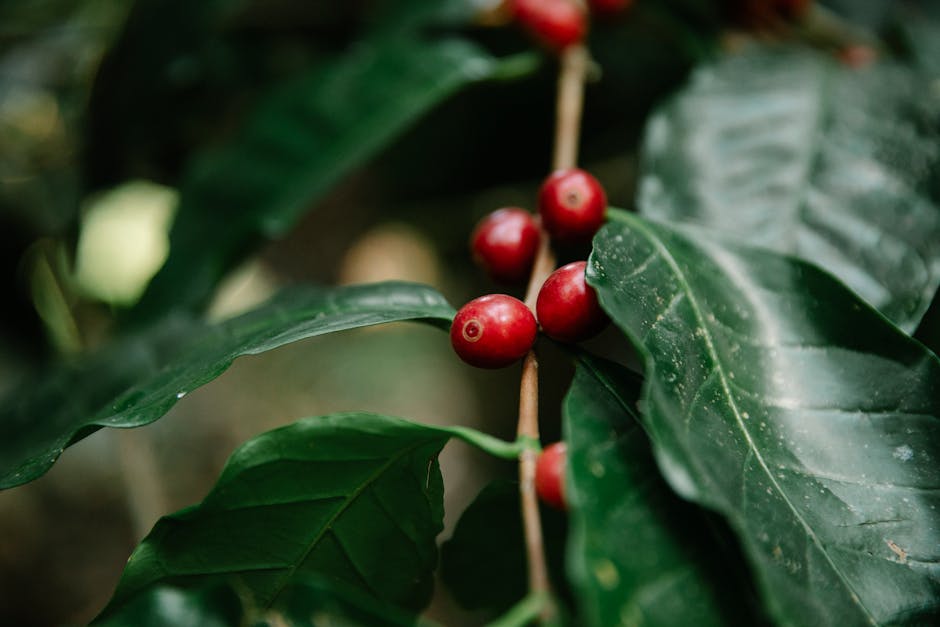
Have you ever wondered if the leftover coffee grounds from your morning brew could serve a purpose beyond filling up your trash can? Imagine transforming your garden into a thriving paradise with just a sprinkle of these leftover treasures.
You might be surprised to learn that those tiny granules can work wonders in your garden, offering benefits that go beyond just being a caffeine fix. Are coffee grounds good for your garden? This question has piqued the curiosity of many gardening enthusiasts, and the answer could revolutionize the way you approach gardening.
As you dive into this article, you’ll uncover secrets that could rejuvenate your garden, making it more vibrant and productive. Stay with us, and discover how your daily cup of coffee could be the key to unlocking your garden’s full potential.

Credit: www.youtube.com
Benefits Of Coffee Grounds For Soil
Coffee grounds offer a natural way to enhance garden soil. They are rich in essential nutrients, help improve soil structure, and can adjust the pH levels. This sustainable practice not only benefits plants but also reduces waste. Discover how coffee grounds can transform your garden soil.
Nutrient Enrichment
Coffee grounds contain nitrogen, phosphorus, and potassium. These nutrients are vital for plant growth. Nitrogen helps in leaf development. Phosphorus aids root growth. Potassium strengthens stems and improves water regulation. When added to soil, coffee grounds release these nutrients slowly.
Microorganisms break down the coffee grounds. This process enriches the soil over time. It provides a steady supply of nutrients. This ensures healthy plant development throughout the growing season.
Soil Structure Improvement
Adding coffee grounds to soil enhances its texture. They act as a natural soil conditioner. The grounds improve drainage and aeration. This prevents waterlogging and promotes healthy root systems.
Well-aerated soil allows roots to access oxygen. It supports microbial activity, which is essential for nutrient cycling. Coffee grounds improve soil crumb structure, making it easier for plants to thrive.
Ph Level Adjustment
Coffee grounds can slightly alter soil pH. They are mildly acidic, which may benefit certain plants. Acid-loving plants like blueberries and azaleas thrive in slightly acidic soil. Incorporating coffee grounds can help maintain the desired pH balance.
Testing soil pH regularly is important. This ensures it remains suitable for your garden plants. Coffee grounds can aid in achieving the right acidity levels, supporting optimal plant health.
Coffee Grounds And Plant Growth
Have you ever wondered how coffee grounds could benefit your garden? Coffee grounds are not just waste; they can play a significant role in enhancing plant growth. Understanding how they work can transform your gardening experience, leading to healthier plants and bountiful harvests.
Boosting Seed Germination
Coffee grounds can give your seeds a head start. They improve soil structure, making it easier for seeds to sprout. You might find that seeds germinate faster when mixed with coffee grounds. Try adding a small layer of coffee grounds to your seed starting mix and observe the difference in germination speed.
Enhancing Plant Health
Used coffee grounds are rich in nitrogen, a crucial nutrient for plant health. They slowly release nitrogen into the soil, feeding your plants over time. This steady supply can lead to greener leaves and stronger stems. Next time you brew a pot of coffee, think about how those grounds can contribute to your garden’s vitality.
Deterring Pests Naturally
Are pests causing havoc in your garden? Coffee grounds can act as a natural deterrent. Their strong scent can repel insects and keep pests at bay. Sprinkle them around plants vulnerable to pest attacks and notice a reduction in unwanted visitors. Wouldn’t it be great to protect your plants without using harsh chemicals?
Using Coffee Grounds In Compost
Coffee grounds are more than just a byproduct of your morning brew; they’re a valuable addition to your compost pile. Rich in nitrogen, they provide the necessary nutrients to help your compost thrive. But how exactly do you use them effectively in your compost? Let’s dive into the details.
Balancing Green And Brown Materials
Creating a successful compost involves balancing green and brown materials. Coffee grounds fall into the ‘green’ category due to their high nitrogen content. Pair them with ‘brown’ materials like dried leaves or straw, which are rich in carbon. This balance is crucial because it helps regulate the moisture and temperature of your compost pile.
Think of it like a recipe. Too much green can make your pile soggy, while too much brown can slow down decomposition. Aim for a mix that feels like a wrung-out sponge. Have you ever added coffee grounds to your compost and noticed an increase in worm activity? That’s a sign your compost is on the right track!
Accelerating Decomposition
Adding coffee grounds to your compost can speed up the decomposition process. Their fine texture allows them to break down quickly, helping other materials do the same. This means faster compost production for your garden.
Imagine having compost ready just when you need it for planting season. A little effort can lead to a big payoff. Plus, coffee grounds can help control odors in your compost pile, making it a more pleasant task. Have you tried using coffee grounds and noticed the difference in your compost’s speed and smell?
Utilizing coffee grounds in compost is a practical way to boost your garden’s health. It’s a simple step that can yield significant results. How will you harness the power of coffee grounds in your composting efforts?
Potential Drawbacks Of Coffee Grounds
Coffee grounds are often praised for their benefits in the garden, but it’s important to consider some potential drawbacks. While they can enrich the soil and deter pests, overusing coffee grounds might have unintended consequences. Let’s explore some of the risks you should be aware of when using coffee grounds in your garden.
Excessive Acidity Risks
Coffee grounds are acidic, which can lower the pH of your soil. This might be great for acid-loving plants like azaleas, but what about the rest of your garden? If your soil becomes too acidic, it may harm plants that prefer neutral or alkaline conditions. Keep an eye on your soil’s pH and adjust accordingly. Have you ever noticed yellowing leaves on your plants? It could be a sign of acidity issues.
Caffeine Impact On Plants
Did you know caffeine can affect plant growth? While it might help you start your day, caffeine can inhibit germination and growth in some plants. This is especially true if you’re using fresh coffee grounds, which contain higher caffeine levels. Consider how caffeine affects your garden’s ecosystem before adding coffee grounds. Are your seedlings struggling to sprout? Caffeine could be the culprit.
Mold Growth Concerns
Moist coffee grounds can become a breeding ground for mold. If left unchecked, mold can spread and affect your plants. Ensure coffee grounds are dry before adding them to your garden. Do you notice white, fuzzy patches on your soil? It’s likely mold from coffee grounds. Regularly check your garden to prevent mold from taking over.
Best Practices For Coffee Grounds Application
Coffee grounds can enrich garden soil with nitrogen and improve drainage. Sprinkle thin layers on top of the soil. Mixing grounds with compost helps balance their acidity, promoting healthy plant growth. Avoid using too much at once, as this can hinder water absorption and soil aeration.
Using coffee grounds in your garden can be a game-changer for both novice and seasoned gardeners. But just like any good thing, it’s essential to use them wisely. Understanding the best practices for applying coffee grounds will ensure your garden reaps the maximum benefits without any unintended consequences.Appropriate Quantities
Finding the right amount of coffee grounds to use is crucial. Too much can lead to soil imbalance, while too little may not provide the desired effects. A general rule of thumb is to use about a quarter inch layer of coffee grounds, spread evenly over your garden soil. Always remember to mix them into the soil rather than leaving them on top. This prevents the grounds from compacting and forming a barrier that can block moisture and air. Think of coffee grounds as a seasoning for your soil—just a sprinkle will do!Correct Application Techniques
Applying coffee grounds correctly makes a significant difference. Start by ensuring the coffee grounds are dry. Wet grounds can clump together, making it difficult to spread evenly. Gently work the grounds into the top layer of soil using a rake or your hands. This not only helps with aeration but also ensures that nutrients mix well with the soil. You might be surprised at how much your plants will appreciate this simple gesture.Pairing With Other Organic Matter
Coffee grounds work best when paired with other organic matter. They can be particularly effective when combined with compost, helping to enrich the soil with a balanced array of nutrients. Consider creating a compost mix that includes kitchen scraps like fruit peels and eggshells alongside your coffee grounds. Moreover, combining coffee grounds with mulch can enhance moisture retention in the soil. This pairing not only provides nutrition but also helps in maintaining the right moisture levels. Have you thought about what other organic materials you could be using in your garden? Trying different combinations might yield surprising results! By following these practical insights, you can transform your garden into a thriving oasis. So, the next time you finish your morning brew, think about how those leftover grounds can serve a greater purpose. Your garden will thank you!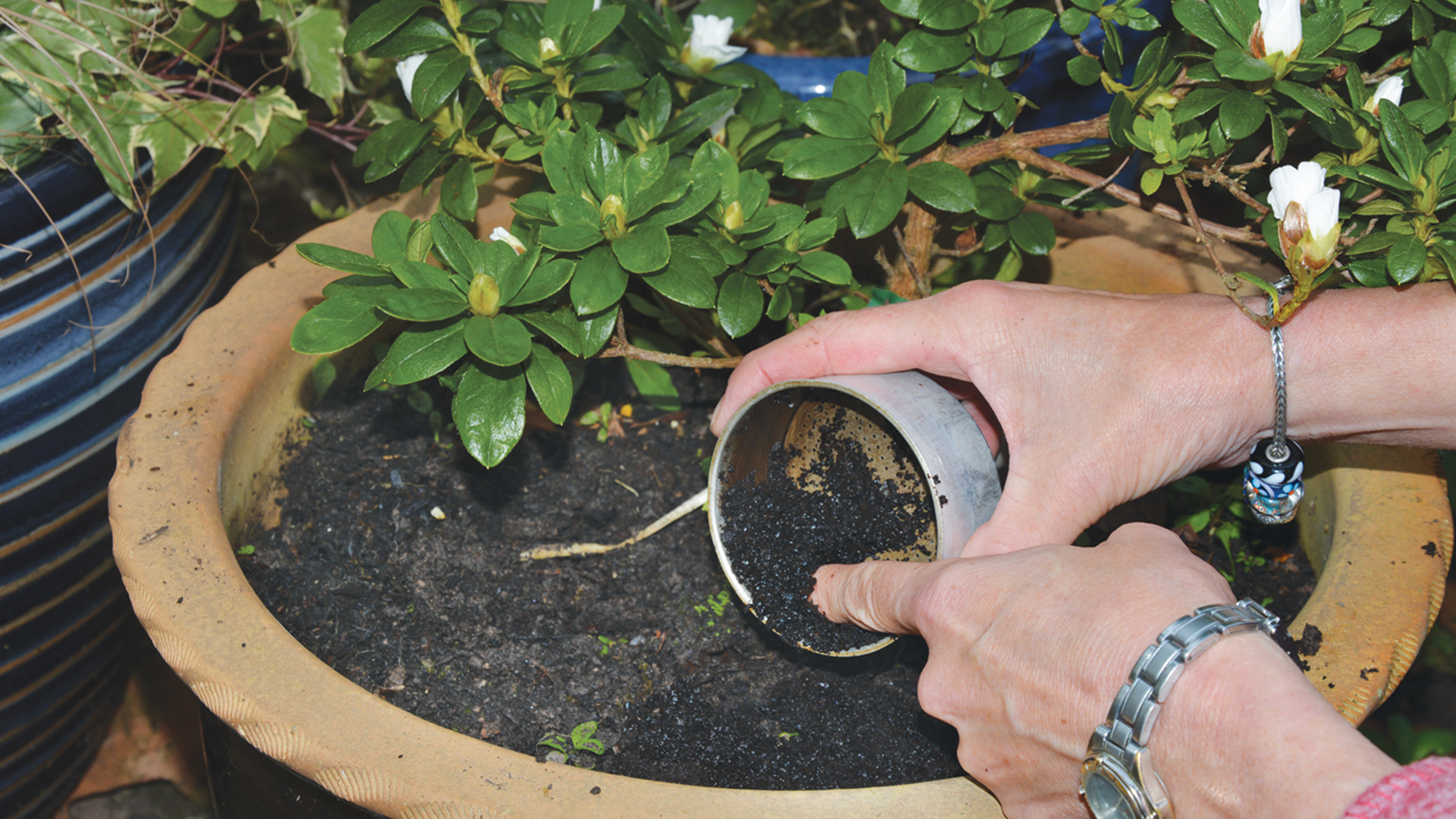
Credit: www.womanandhome.com
Success Stories From Gardeners
Gardeners share success stories about using coffee grounds in their gardens. These grounds enrich soil and deter pests. Many have seen healthier plants and vibrant blooms.
Success stories from gardeners who have embraced coffee grounds as a part of their gardening routine can offer inspiring insights and practical tips. Many green-thumbed enthusiasts have discovered that these everyday kitchen scraps can breathe new life into their plants and soil. Let’s dive into some real-life experiences that highlight the benefits of using coffee grounds in the garden.Reviving A Tired Soil
One gardener turned her struggling vegetable patch into a thriving oasis by adding coffee grounds to her compost heap. She noticed her tomatoes and cucumbers grew stronger and healthier. The secret? The nitrogen boost from the coffee grounds rejuvenated her soil, providing essential nutrients plants crave.Pest Control Triumphs
Another gardener shared how coffee grounds helped keep pesky slugs and snails at bay. Sprinkling them around her lettuce and spinach created a natural barrier. This simple solution saved her greens from being devoured, proving that coffee grounds can be an effective pest deterrent.Enhancing Flower Blooms
A rose enthusiast found that using coffee grounds as a mulch around her rose bushes resulted in more vibrant blooms. The grounds helped retain moisture in the soil and gradually released nutrients. Her roses became the envy of the neighborhood, with larger and more colorful flowers gracing her garden.Composting Success
One community garden group began adding coffee grounds to their communal compost bin, and the results were striking. The compost broke down faster and produced richer, more fertile soil. This enriched compost was then used throughout the garden, leading to bumper harvests and lush foliage.Environmental Impact Awareness
A dedicated environmentalist highlighted the positive impact of using coffee grounds in her garden. By recycling waste, she reduced landfill contributions while enhancing her garden’s health. This sustainable practice not only benefited her plants but also aligned with her eco-friendly values. Have you ever considered the hidden potential in your morning brew? These stories show that sometimes the simplest changes can yield the most rewarding results. Embrace the power of coffee grounds and see how they can transform your garden into a flourishing paradise.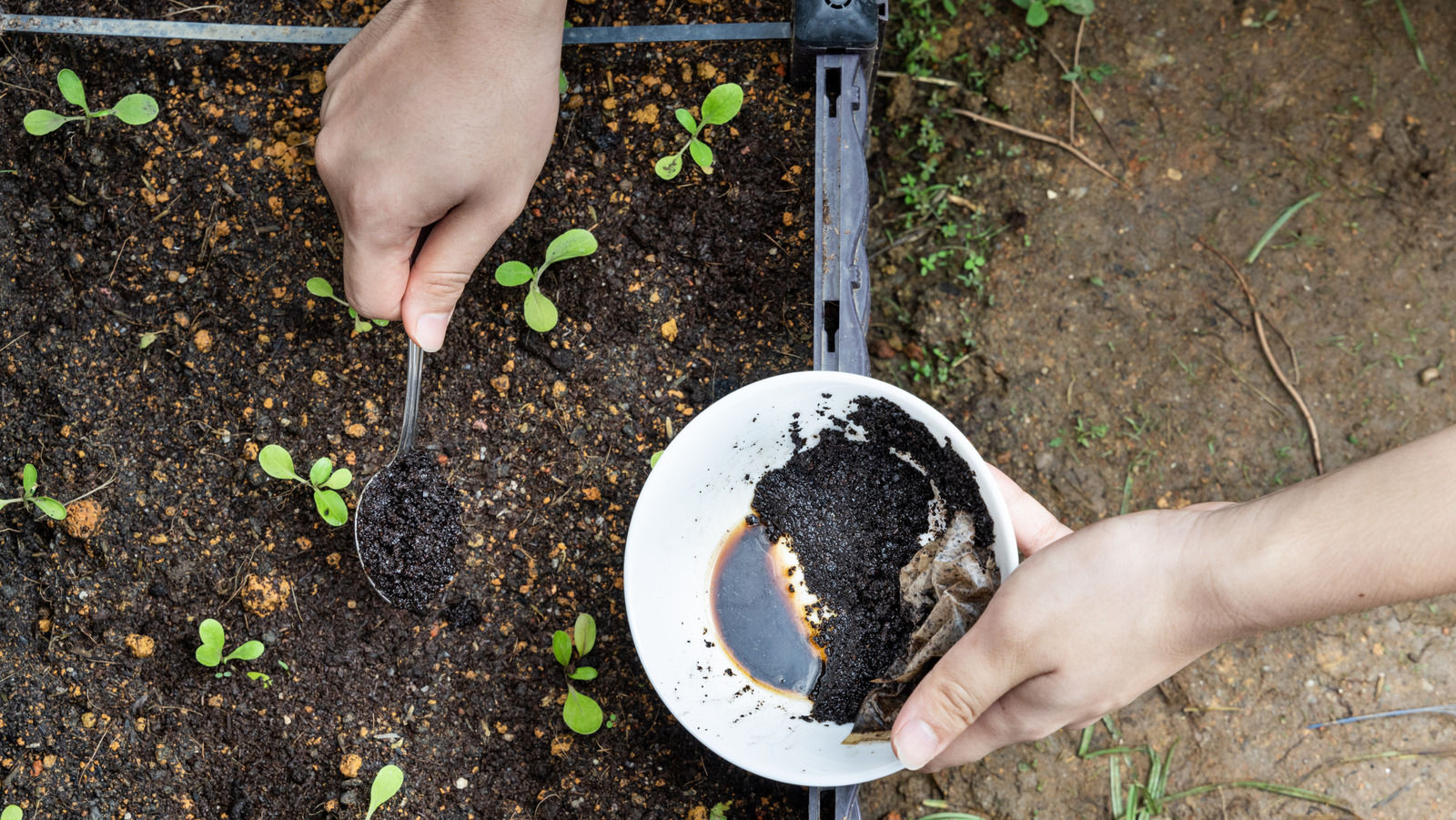
Credit: www.housedigest.com
Frequently Asked Questions
What Plants Do Not Like Coffee Grounds?
Plants like tomatoes, lavender, and orchids dislike coffee grounds. Coffee grounds can acidify the soil, harming these plants. They prefer alkaline conditions and may suffer from nutrient imbalances. Avoid using coffee grounds for these plants to ensure their healthy growth.
Where Should Coffee Grounds Not Be Used In The Garden?
Avoid using coffee grounds near plants sensitive to acidity, like tomatoes, and in large amounts to prevent soil imbalance.
What Kind Of Plants Can You Put Coffee Grounds In?
Coffee grounds are great for acid-loving plants like roses, azaleas, blueberries, and hydrangeas. They enrich soil, improve drainage, and repel pests. Use them sparingly to avoid soil acidity imbalances.
Are Coffee Grounds Good For Tomatoes?
Coffee grounds enrich soil with nutrients and boost tomato plant growth. They improve drainage and deter pests. Use sparingly to prevent acidity. Mix into compost or soil for best results. Avoid direct application on plants to prevent nitrogen imbalance. Suitable for organic gardening enthusiasts.
Conclusion
Coffee grounds can boost your garden’s health. They enrich the soil with nutrients. Worms love coffee grounds. They break them down quickly. This helps plants grow strong. Use coffee grounds wisely. Too much can harm your plants. Mix them with other compost materials.
This balances nutrients. Gardens thrive with care and attention. Coffee grounds offer a natural way to help. Try them in your garden. Watch your plants flourish. Enjoy the benefits of recycling. Your garden will thank you. Keep experimenting. Nature loves variety.
Your plants will love it too.


