You step into your garden, and there it is—a striking black and yellow spider weaving an intricate web. Your curiosity piques, but a question lingers: “Are black and yellow garden spiders poisonous?”
This question is more common than you might think, and it’s crucial to know the answer if you want to enjoy your garden without worry. Imagine feeling confident about the creatures that share your outdoor space, knowing whether they pose a threat or are just another fascinating part of nature’s tapestry.
We’ll unravel the truth about these captivating arachnids, dispel any myths, and put your mind at ease. Stick with us as we untangle the facts, so you can enjoy your garden with peace of mind and maybe even a newfound appreciation for these vibrant visitors.
Credit: www.housedigest.com
Black And Yellow Garden Spider Identification
Black and yellow garden spiders are not poisonous to humans. Their venom is mild and not harmful. They play an important role in controlling insect populations.
Black and Yellow Garden Spider Identification The black and yellow garden spider, scientifically known as Argiope aurantia, is a fascinating creature to observe in your garden. Its bold coloring and intricate web designs often catch the eye of gardeners and nature enthusiasts alike. But how can you identify these spiders accurately? Let’s delve into their physical characteristics and habitat to help you spot these intriguing arachnids.Physical Characteristics
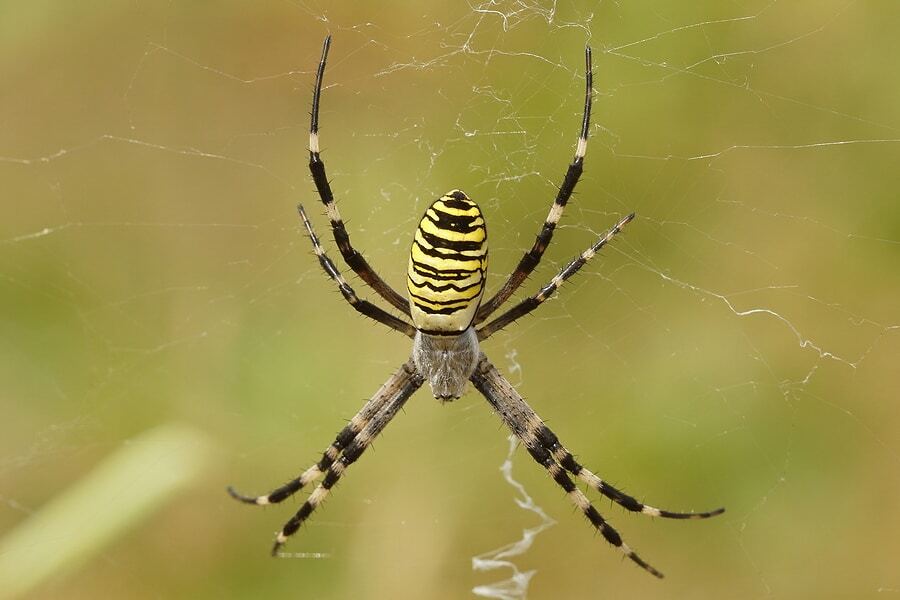
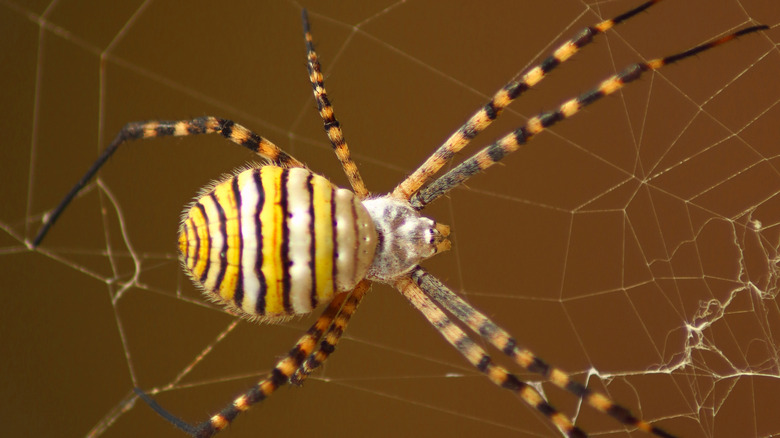
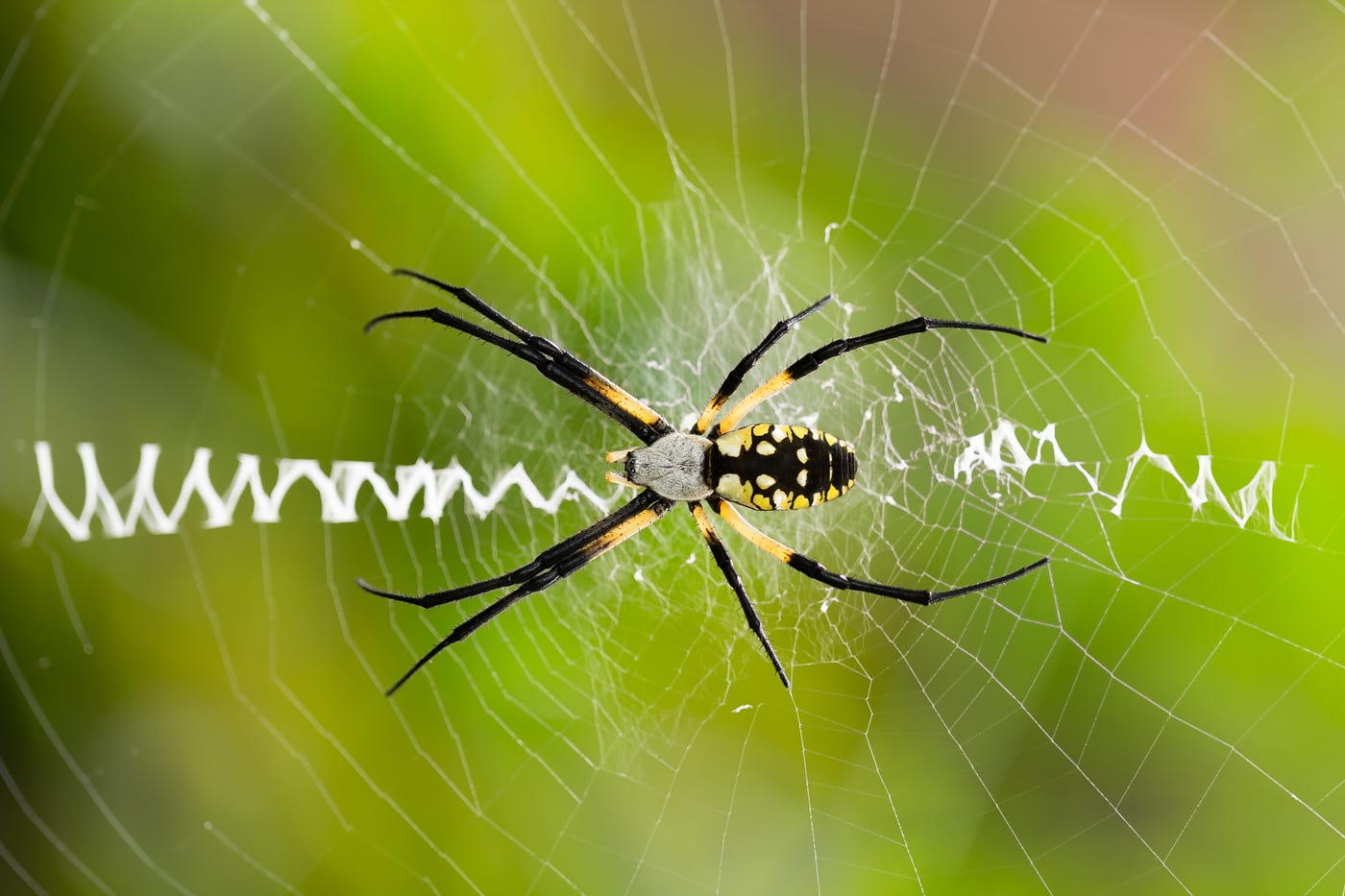
Black and yellow garden spiders are known for their striking appearance. They have a distinct black and yellow pattern on their abdomen, which serves as a warning to potential predators. Their bodies can grow up to an inch long, with females usually larger than males. Their legs are long and spindly, typically banded with black and orange hues. You might notice a noticeable white patch on their cephalothorax, adding to their unique look. Next time you’re in your garden, keep an eye out for these visual markers.Habitat And Behavior
These spiders prefer sunny areas with plenty of vegetation. You’ll often find them in gardens, fields, or wooded areas where they can build large, circular webs. They are patient hunters, waiting for prey to get trapped in their sticky webs. Interestingly, black and yellow garden spiders are solitary creatures. They tend to avoid human contact and are mostly active during the day. Observing their behavior can be quite educational. Have you ever stopped to watch one weave its web? It’s a mesmerizing process that showcases nature’s artistry. By understanding these spiders’ characteristics and habitats, you can appreciate their role in the ecosystem. So, next time you spot one, perhaps you’ll see it as a garden ally rather than a foe.Venom Composition
Black and yellow garden spiders, known for their striking appearance, are not poisonous to humans. Their venom is harmless, primarily used to subdue prey, making them safe for garden enthusiasts.
Understanding the venom composition of black and yellow garden spiders can demystify their nature and effects. These spiders, known scientifically as Argiope aurantia, have venom that plays a crucial role in their survival. But what exactly is in their venom, and how does it affect their prey?Components Of Venom
The venom of black and yellow garden spiders is a complex mixture of proteins and enzymes. These components work together to immobilize their prey quickly. While it sounds intimidating, this venom is primarily designed to subdue small insects rather than pose a danger to humans. Interestingly, the venom contains neurotoxins that disrupt the nervous system of insects. This allows the spider to paralyze its prey effectively. It’s a fascinating adaptation that highlights the intricate balance of nature.Effects On Prey
When the spider injects its venom into prey, the effects are almost immediate. The prey becomes immobilized, making it easier for the spider to consume. The venom also begins breaking down the internal tissues, turning the prey’s insides into a digestible liquid. This process ensures that the spider can maximize its nutritional intake. For you, encountering these spiders in your garden doesn’t need to be a cause for alarm. They play a vital role in controlling pest populations, maintaining the ecosystem’s health. So next time you spot one, consider its role and the delicate balance it maintains in your garden. Have you ever observed how nature’s designs, like this venom, serve a specific purpose?Impact On Humans
Encountering a black and yellow garden spider in your backyard can be a mesmerizing experience. But it often raises concerns about their impact on humans. Are these striking arachnids dangerous, or are they just misunderstood garden dwellers? Understanding how their presence affects us is crucial for those who share their outdoor spaces with these intriguing creatures.
Bite Symptoms
Most black and yellow garden spider bites are harmless to humans. You might feel a slight sting or experience mild redness at the bite site. These symptoms are usually short-lived, disappearing within a few hours. It’s similar to a mosquito bite, causing minor discomfort but not serious harm.
If you notice swelling or increased pain, it’s wise to monitor your symptoms. Sometimes, applying a cold compress can help alleviate irritation. Remember, everyone’s reaction might differ slightly, so pay attention to your body’s signals.
Medical Concerns
In rare cases, allergic reactions can occur following a bite, leading to more serious symptoms. If you experience difficulty breathing or extensive swelling, seek medical attention promptly. While these scenarios are uncommon, being prepared is always beneficial.
Most people won’t need medical intervention after a bite. However, if you’re unsure or if symptoms worsen, consulting a healthcare professional is a safe choice. It’s better to err on the side of caution, especially if you have a history of allergic reactions.
Have you ever wondered how much we truly understand about the creatures we share our gardens with? The black and yellow garden spider, while intimidating at first glance, often poses little threat. Their presence, rather than danger, can actually signal a healthy garden ecosystem. How do you perceive these spiders now, knowing they might just be friends rather than foes?
Comparative Analysis With Other Spiders
Black and yellow garden spiders are fascinating creatures. Their striking appearance often raises questions about their danger compared to other spiders. Understanding their similarities and differences with other species is key to dispelling myths and fostering appreciation.
Similar Species
These garden spiders share their habitat with many others. The orb-weaver spiders are close relatives. They are known for spinning large, intricate webs. Like the garden spider, they have a harmless nature. The argiope genus includes both the black and yellow garden spider and the banded garden spider. Both are harmless to humans and beneficial for pest control. The wolf spider, another common species, is often confused with garden spiders. However, it lacks the distinctive web-building behavior. Instead, it hunts its prey on foot.
Differences In Venom Potency
Venom potency varies among spider species. Black and yellow garden spiders have mild venom. It’s enough to subdue small insects, their primary prey. For humans, their bite is no worse than a bee sting. The brown recluse and black widow, however, are more dangerous. Their venom can cause serious reactions in humans. This highlights the importance of identifying spider species correctly. Misidentifying a harmless spider can lead to unnecessary fear.
Role In The Ecosystem
Black and yellow garden spiders play a crucial role in the ecosystem. They contribute significantly to maintaining the balance and health of their surroundings.
Predatory Benefits
These spiders are skilled hunters and control insect populations. They prey on various garden pests, reducing the need for chemical pesticides.
By feeding on insects like flies and mosquitoes, they help keep gardens thriving. Their presence ensures that harmful bugs don’t overrun plant life.
Environmental Importance
Garden spiders contribute to biodiversity, enriching local wildlife. Their webs serve as traps for prey and provide shelter for small creatures.
These spiders attract birds and other predators, fostering a vibrant ecosystem. They support the food chain, ensuring energy flows smoothly through the environment.
Credit: medium.com
Safety Tips And Precautions
Black and yellow garden spiders are generally harmless to humans. Their venom is mild and poses little threat. Observe them from a distance to avoid disturbing their habitat.
Safety Tips and Precautions Black and yellow garden spiders are not dangerous to humans. Their bite is similar to a bee sting. It’s important to know how to avoid them and what to do if bitten. Understanding safety tips can help you feel more comfortable around these spiders.Preventing Encounters
Spiders are attracted to gardens. Keep your garden tidy. Remove debris and tall grass. Wear gloves when gardening. Use insect repellent around your home. Check for webs before reaching into dark corners. Install screens on windows to keep spiders out. Seal cracks in doors and walls. Keep outdoor lights off at night to avoid attracting insects.First Aid Measures
If bitten, stay calm. Wash the bite with soap and water. Apply a cold pack to reduce swelling. Take an antihistamine if you have itching. If pain persists, consult a doctor. Watch for signs of an allergic reaction. Seek medical help if you have trouble breathing. Avoid scratching the bite to prevent infection.
Credit: www.reddit.com
Frequently Asked Questions
What Happens If A Black And Yellow Garden Spider Bites You?
A black and yellow garden spider bite is usually harmless. Mild pain, redness, or swelling may occur. Symptoms typically fade within a few hours. Seek medical attention if allergic reactions develop, such as difficulty breathing. These spiders are not aggressive and bite only when provoked.
What Kind Of Spider Is Black And Yellow Poisonous?
The black and yellow spider is likely the Yellow Garden Spider or Argiope aurantia. It’s not poisonous to humans. This spider is known for its distinctive web patterns and is commonly found in gardens. While its bite can be mildly painful, it poses no serious threat.
How Do I Get Rid Of Black And Yellow Garden Spiders?
Remove garden debris and webs regularly. Use natural spider repellents like peppermint oil. Maintain a tidy garden by trimming plants. Ensure proper lighting and ventilation. Consider calling pest control professionals for severe infestations.
What Does A Black And Yellow Garden Spider Eat?
The black and yellow garden spider eats insects like flies, mosquitoes, and grasshoppers. It captures prey using its web. This spider plays a vital role in controlling pest populations. Its diet helps maintain garden ecosystems, making it beneficial for gardeners seeking natural pest control solutions.
Conclusion
Black and yellow garden spiders are not poisonous to humans. Their venom is mild and harmless. These spiders help control garden pests. They weave beautiful, intricate webs. Their presence indicates a healthy garden ecosystem. Observe them, enjoy their colorful beauty.
Their unique patterns make them fascinating creatures. Always watch from a distance to avoid disturbing them. Respect their space, appreciate their role in nature. Understanding these spiders enriches your outdoor experience. Embrace the diversity they bring to gardens. Let these spiders thrive, contributing to balance in nature.


