Imagine strolling through your vegetable garden, where everything seems perfect. The sun is shining, and your plants are thriving.
But then, you notice ants marching diligently across your garden beds. Panic sets in as you wonder, “Are ants bad for my vegetable garden? ” You might be surprised to learn that these tiny creatures can either be allies or adversaries in your gardening journey.
Before you reach for the pesticide, let’s uncover the truth about ants and their role in your garden. By understanding how they can affect your plants, you can make informed decisions to ensure your garden remains healthy and productive. Keep reading to discover how ants impact your garden and what you can do to harness their potential while minimizing any harm.

Credit: www.permapotes.com
Ants In The Garden
Ants are common visitors in vegetable gardens. They march across soil, sometimes unnoticed. While they seem harmless, their presence can affect your plants.
Ants are not always destructive. They aerate the soil and help with decomposition. Yet, their activities can also bring challenges.
Understanding Ant Behavior
Ants have complex social structures. They work collectively to gather food. They build intricate tunnels underground. These tunnels improve soil drainage, benefiting plants.
Ants And Aphids
Aphids are tiny pests that suck plant juices. Ants protect aphids for their honeydew. This sugary substance is a food source for ants.
Ant Control Options
Controlling ants means reducing their impact. Natural methods often work best. Use barriers like diatomaceous earth to deter them.
- Plant mint to repel ants naturally.
- Use soapy water to disrupt ant trails.
- Encourage beneficial insects like ladybugs.
Benefits Of Ants
Ants play a role in pollination. They help spread seeds across the garden. Some ants also eat harmful pests, protecting your plants.
Types Of Ants
Ants can be both helpful and harmful to vegetable gardens. Some types, like fire ants, damage plants and disturb roots. Others, such as black ants, may deter pests and help with pollination. Understanding the different types can aid in managing their impact effectively.
Types of ants in your vegetable garden can vary widely. Some are harmless, while others can cause problems. Knowing which ants are in your garden helps you manage them better.Common Garden Ants
Common garden ants, like the black garden ant, usually pose no threat. They live in the soil and often build nests near plants. These ants feed on small insects and dead material. They can help your garden by aerating the soil. Their tunnels allow water and nutrients to reach plant roots. Though mostly harmless, they can sometimes protect harmful pests like aphids.Aggressive Ant Species
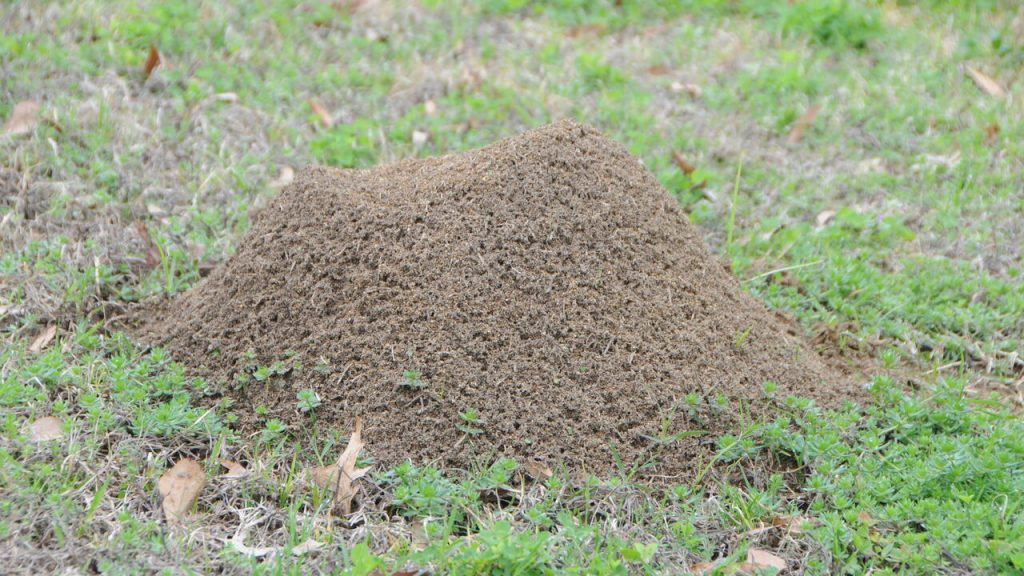
Aggressive ant species can be a problem. Fire ants and carpenter ants are examples. Fire ants are known for their painful stings. They build large mounds that can damage plant roots. Carpenter ants can weaken wooden structures in your garden. These ants often look for food sources near your plants. Their presence can indicate other pest issues, as they farm aphids for honeydew. Removing these ants requires careful management to protect your garden.Ants’ Role In Ecosystem
Ants play a crucial role in ecosystems, aiding soil aeration and nutrient distribution. While beneficial, they can harm vegetable gardens by farming aphids, which damage plants. Balancing ant presence helps maintain garden health.
Ants are often misunderstood in the garden. They play crucial roles in ecosystems. Ants contribute to environmental balance and health. While some might see them as pests, ants actually help gardens thrive.Pollination And Seed Dispersal
Ants assist in pollination. They move from flower to flower. This helps plants reproduce. Ants carry pollen on their bodies. As they travel, they spread this pollen. This action supports the growth of new plants. Ants also disperse seeds. They transport seeds to new locations. This helps plants spread across the garden. Seed dispersal by ants increases plant diversity. A diverse garden is more resilient and productive.Soil Aeration
Ants improve soil health. They create tunnels underground. These tunnels aerate the soil. Aerated soil allows roots to breathe. It also improves water drainage. Better drainage reduces root rot risk. Ants’ tunnels also enhance nutrient cycling. They help mix organic matter into the soil. This boosts plant growth. Healthy soil leads to a flourishing vegetable garden.
Credit: www.facebook.com
Ants And Pest Control
Ants are common in gardens, including vegetable patches. They play a role in controlling pests. Their presence can be both beneficial and problematic. Understanding their role helps in managing them effectively.
Predators Of Harmful Insects
Ants hunt and eat many garden pests. They target caterpillars, beetles, and fly larvae. This reduces the number of harmful insects in the garden. Ants act as natural pest controllers. Their hunting habits keep unwanted pests in check. This benefits vegetable growth and health.
Ants And Aphids Relationship
Ants and aphids have a mutual relationship. Aphids produce a sweet substance called honeydew. Ants love honeydew and protect aphids for it. This protection lets aphids multiply, harming plants. Aphids suck plant juices, causing damage. Ants, in this case, can be harmful to gardens. Monitoring their activity is crucial for vegetable health.
Potential Harm To Plants
Ants in a vegetable garden might seem harmless. Yet, they can cause problems for plants. Their presence can lead to several issues. Understanding these potential harms helps in managing them effectively.
Root Disturbance
Ants build tunnels in the soil. These tunnels can disturb plant roots. Roots need stable soil to absorb water and nutrients. With disturbed roots, plants might struggle to grow. Weak plants produce fewer vegetables.
Fungal Disease Spread
Ants can spread fungal diseases in your garden. They often carry aphids, which secrete honeydew. Honeydew promotes mold growth. This mold can harm plant leaves and stems. Diseased plants are less productive and may die.

Credit: www.facebook.com
Managing Ant Populations
Ants can disrupt vegetable gardens by fostering aphid populations and damaging plants. Managing ants helps protect crops and ensures healthy growth. Proper control methods can prevent ant-related issues in gardens.
Managing ant populations in your vegetable garden can feel like a daunting task. However, understanding how to tackle these tiny invaders is crucial for the health of your plants. Ants aren’t always destructive, but an unchecked population can lead to issues, like farming aphids which can harm your crops.Natural Deterrents
Start with natural deterrents to keep your garden eco-friendly. Cinnamon and coffee grounds are excellent at repelling ants; sprinkle them around plant bases. Have you tried a vinegar solution? Mixing equal parts of water and vinegar can deter ants when sprayed along their trails. Planting strong-scented herbs like mint or marigold can naturally keep ants at bay. Their potent aromas are unpleasant to ants but delightful to us. Maintaining a clean garden by removing debris and fallen fruits also reduces ant attractions.Chemical Solutions
Sometimes, natural methods aren’t enough, and chemical solutions become necessary. Choose ant baits with low toxicity to minimize harm to your garden. Ant baits work by attracting ants to take poison back to their colony, effectively reducing their population over time. Insecticidal soaps can be a quick fix for immediate ant invasions. Apply these sparingly to avoid harming beneficial insects. Always read product labels carefully and follow instructions to ensure safety for you and your plants. In your fight against ants, balance is key. While they can be pests, ants also play a role in aerating soil and controlling other harmful insects. Consider if ants are truly problematic in your garden before taking action.Balancing Ant Presence
Ants can be both helpful and harmful in a vegetable garden. They aerate the soil but also farm aphids. Managing their presence ensures healthy plant growth.
Balancing ant presence in a vegetable garden can be tricky. Ants play both helpful and harmful roles. They aerate the soil, aiding plant growth. Yet, they also protect pests like aphids, which harm plants. Achieving a balance is key.Encouraging Beneficial Species
Some ant species help the garden thrive. They control pests by eating their eggs. To attract these ants, provide natural habitats. Leave some leaf litter or small piles of twigs. Avoid using strong pesticides. These harm beneficial ants and disrupt balance.Minimizing Damage
Limit the harm ants can cause. Keep an eye on ant nests. If they grow too large, they can damage roots. Use barriers like diatomaceous earth around plants. This deters ants without chemicals. Plant mint or tansy nearby. Ants dislike their smell and may stay away. Regularly check plants for aphids. Remove any you find by hand. This reduces ants’ interest, as they farm aphids for honeydew. By managing ants wisely, a garden can flourish.Alternatives To Ant Control
Ants in vegetable gardens can be a mixed blessing. They aerate the soil but may also protect harmful pests. If you prefer not to use chemicals, there are natural alternatives. These methods enhance your garden’s health while managing ant populations.
Companion Planting
Companion planting involves growing plants that naturally repel ants. Basil and mint are great examples. Their strong scents deter ants and other pests. Plant these herbs around your vegetable garden. They create a barrier that keeps ants away. Marigolds also work well in this approach. Their scent drives ants from the area. This method benefits your garden without harming the environment.
Encouraging Biodiversity
Biodiversity means welcoming various species into your garden. This can balance the ecosystem naturally. Introduce insects that prey on ants, such as beetles and spiders. This helps keep ant populations in check. Birds also play a role in controlling ants. Create habitats for birds by adding birdhouses and feeders. These natural predators reduce ant numbers without chemicals. Encouraging biodiversity enhances the garden’s overall health.
Frequently Asked Questions
Should I Worry About Ants In My Vegetable Garden?
Ants can be beneficial for gardens by aerating soil and controlling pests. Excessive ants might harm seedlings. Monitor their activity and manage if necessary. Use natural deterrents like diatomaceous earth or plant-friendly insecticides. Encourage biodiversity to maintain balance. Regularly check plants for signs of damage or stress.
Are Ants Bad For Tomato Plants?
Ants aren’t directly harmful to tomato plants. They often indicate the presence of aphids, which damage plants. Control aphids to reduce ants. Encourage natural predators like ladybugs to manage aphids. Use barriers or safe insecticides to keep ants away from tomatoes.
Healthy plants resist pests better.
Are Ants Bad For Raised Gardens?
Ants can be both beneficial and harmful to raised gardens. They aerate soil, aiding root growth. However, they may protect harmful pests like aphids, causing plant damage. Managing ants involves controlling moisture and removing food sources to maintain balance in the garden ecosystem.
How Do I Keep Ants Off My Vegetable Garden?
Use diatomaceous earth around plants to deter ants. Plant mint or basil as natural repellents. Keep the garden clean and remove debris. Use a vinegar-water spray directly on ant trails. Introduce beneficial insects like ladybugs to control ants naturally.
Conclusion
Ants can be both helpful and harmful in vegetable gardens. They aerate soil, aiding plant growth. But, they may also protect harmful pests. It’s crucial to monitor ant activities closely. Observing ant behavior helps determine their impact. Regular checks can prevent pest issues.
Consider natural methods to control ant populations. This ensures a balanced garden ecosystem. Avoid pesticides; they harm beneficial insects too. Embrace simple strategies for a healthy garden. Ants are a part of nature’s cycle. Understanding their role fosters a thriving garden.
Keep learning and growing with your garden.



