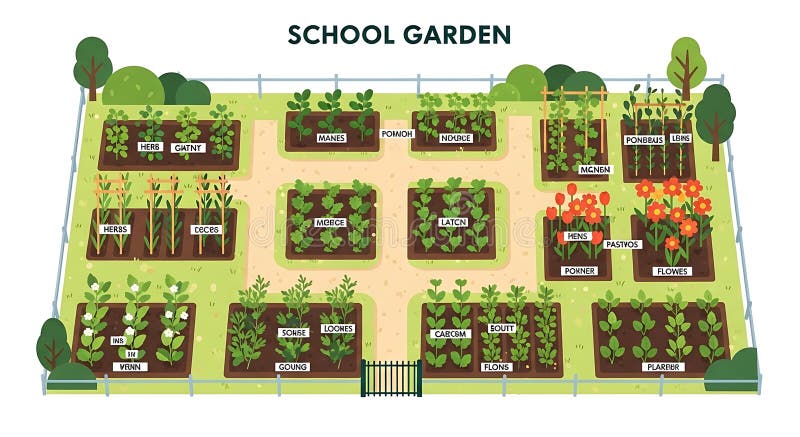
Imagine stepping into your backyard to find a vibrant vegetable garden, bursting with fresh produce ready for harvest. Now picture this lush oasis neatly enclosed by a sturdy rectangular fence, not only enhancing its beauty but also protecting it from unwanted visitors.
This scenario is more than just a dream; it’s entirely achievable, and it might be the perfect solution for your gardening needs. But why a rectangular fence, you ask? It’s simple yet effective. It offers a practical way to maximize space, promote growth, and maintain your garden’s aesthetics.
As you read on, you’ll discover how this setup can transform your gardening experience. You’ll learn how to design, build, and maintain a rectangular fence that complements your garden’s charm while keeping it safe and productive. Dive into the details and unlock the secrets to a thriving garden sanctuary right at your doorstep.
Importance Of Garden Fencing
A rectangular fence is essential for safeguarding a vegetable garden. It keeps out pests and prevents animals from trampling plants. This barrier ensures a thriving, productive garden.
A rectangular fence surrounding your vegetable garden is more than just a boundary; it’s a crucial component that ensures the health and productivity of your garden. Garden fencing plays a vital role in safeguarding your precious plants from various threats, while also adding an aesthetic touch to your outdoor space. Let’s dive into why a garden fence is indispensable for any gardener.Protection From Unwanted Guests
A sturdy garden fence acts as a barrier against a host of unwelcome visitors. Whether it’s rabbits nibbling on your lettuce or deer feasting on your tomatoes, a well-constructed fence can keep these critters at bay. Have you ever spent months nurturing your plants, only to find them destroyed overnight? A proper fence can prevent such heartbreak. Choose materials that are durable and suited to the wildlife in your area. For example, mesh wire is excellent for keeping small animals out, while a taller fence might be necessary for larger creatures.Enhanced Garden Aesthetics
A fence doesn’t just protect; it enhances the visual appeal of your garden. It creates a defined space that can be styled to complement your home’s exterior. Consider painting the fence to add a pop of color or using natural wood for a rustic look. Decorative elements like vines or planters can be added to the fence for a more personalized touch. A well-maintained fence can make your garden look more inviting and organized, turning it into a tranquil retreat.Improved Privacy And Security
Fencing offers a sense of privacy, shielding your garden activities from prying eyes. It can also serve as a security measure, particularly if your garden is in an open or urban area. When working in your garden, do you feel exposed to neighbors or passersby? A fence can provide the seclusion you need to enjoy your hobby fully. Additionally, it can deter potential trespassers, making your space safer for both you and your plants.Support For Climbing Plants
A fence can double as a trellis for climbing plants, maximizing your garden space. Vegetables like beans, peas, and cucumbers thrive when they have a structure to latch onto. By using your fence as a support, you can increase your yield without expanding your garden’s footprint. It’s a practical solution for those with limited space. Consider this: vertical growth can lead to healthier plants as they receive more sunlight and air circulation.Wind And Weather Shield
A fence can act as a windbreak, protecting your plants from harsh weather conditions. Strong winds can damage delicate plants, affecting their growth and productivity. By strategically placing your fence, you can reduce the wind’s impact, creating a more stable environment for your garden. Have you noticed certain plants struggling in windy conditions? A fence might be the solution to shield them from the elements.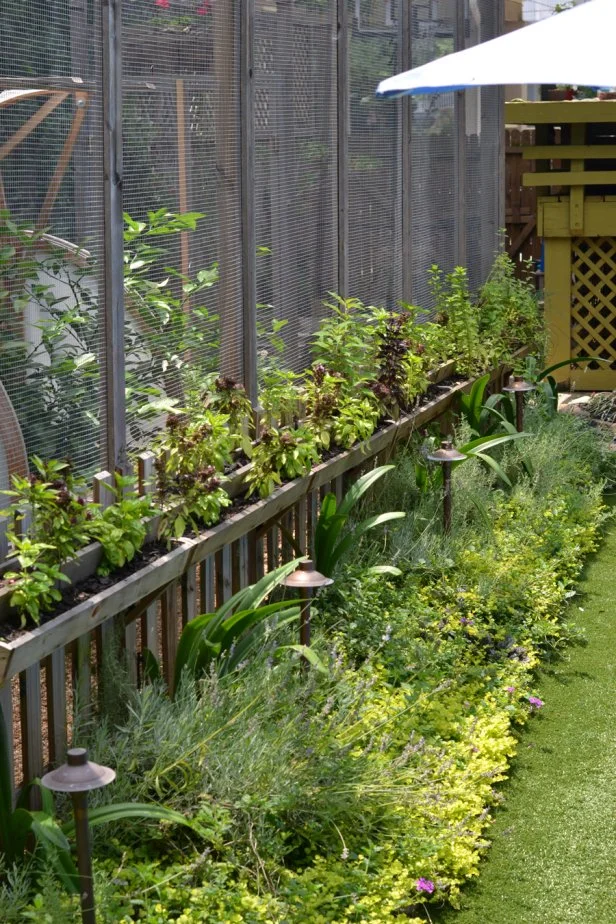
Credit: www.hgtv.com
Choosing The Right Materials
Selecting suitable materials ensures durability and protection for a vegetable garden. Wooden or metal fences offer sturdy options. Consider weather-resistant materials to withstand outdoor conditions.
Choosing the right materials for a rectangular fence around your vegetable garden is crucial. The materials influence durability, aesthetics, and maintenance. Consider various options to find the best fit for your garden.Wood Fencing
Wood offers a classic and natural look. It blends seamlessly with garden landscapes. Choose treated wood for longer life. It resists rot and insect damage. Cedar and redwood are excellent choices. They are naturally resistant to pests. Regular maintenance extends wood’s lifespan. Paint or stain it to protect from weather.Metal Fencing
Metal fencing is sturdy and secure. It withstands harsh weather conditions. Choose galvanized steel or aluminum for rust resistance. Metal fences require less upkeep. They provide excellent protection against animals. Customize designs to enhance garden aesthetics. Consider wrought iron for a decorative touch.Vinyl Fencing
Vinyl is a modern and low-maintenance option. It is easy to clean with soap and water. Vinyl does not rot or rust, ensuring longevity. Available in various colors and styles. It mimics the look of wood without the upkeep. Install vinyl for a sleek, uniform appearance. It is ideal for busy gardeners.Measuring And Planning
Measuring the dimensions of your garden is crucial for planning a rectangular fence. Accurate measurements ensure a perfect fit, protecting your vegetables efficiently.
Measuring and planning are essential steps in creating a vegetable garden with a rectangular fence. This ensures your garden is functional and aesthetically pleasing. Careful measurement helps avoid costly mistakes and maximizes space. Planning the layout helps in organizing plants effectively.Assessing Garden Size
Start by measuring the area you have for the garden. Use a tape measure for accuracy. Note down the length and width. Consider the size of the plants you will grow. Bigger plants need more space. Think about pathways for easy access. Leave room for walking and maintenance.Calculating Fence Length
Calculate the fence length by adding the perimeter of the garden. Use the formula: 2 times the length plus 2 times the width. This gives the total fence length. Check if the fence height suits your needs. It should keep out animals and protect the garden. Consider the material of the fence. Choose one that withstands weather conditions. Ensure it complements your garden style.
Credit: www.facebook.com
Building The Fence
A sturdy rectangular fence encircles the vegetable garden, providing protection and structure. This simple design keeps plants safe from wandering animals. Enhance your garden’s appeal and ensure bountiful harvests with this essential boundary.
Building a sturdy fence around your vegetable garden is an exciting project. It not only protects your precious plants from animals but also adds a charming touch to your outdoor space. Whether you’re a seasoned gardener or a beginner, constructing a fence is a rewarding task that enhances both the functionality and aesthetics of your garden.Preparing The Ground
Before you start, clear the area where the fence will stand. Remove rocks, debris, and any plants that might hinder the construction process. A clean, level surface ensures a strong foundation. Mark the perimeter using stakes and string. This helps visualize the layout and ensures straight lines. Measure accurately to avoid surprises later.Setting Fence Posts
Dig holes for the fence posts at regular intervals. A post-hole digger or an auger can make this task easier. Aim for a depth of one-third the height of your fence for stability. Place each post in the hole and fill with concrete. Let it set for at least 24 hours. This ensures the fence remains upright and withstands weather conditions.Installing Panels
Attach the fence panels to the posts once they are secure. Use galvanized screws or nails to prevent rusting over time. Make sure each panel is level before securing it. Consider adding a gate for easy access to your garden. A well-placed gate enhances convenience and ensures you can tend to your plants effortlessly. With these steps, your vegetable garden will be protected and look great. Reflect on the satisfaction of building something with your hands. What other projects could benefit from this newfound confidence?Enhancing Fence Security
Boost fence security by reinforcing a rectangular fence around your vegetable garden. Strong materials deter intruders and protect plants.
Enhancing the security of your rectangular fence around the vegetable garden is crucial for safeguarding your produce and ensuring peace of mind. A sturdy fence serves as the first line of defense against unwanted visitors, both human and animal. This section explores practical ways to bolster your fence’s security without breaking the bank. From gates to locks, small adjustments can make a big difference. Let’s dive into some effective strategies to enhance your garden fence security.Adding Gates
A well-placed gate can significantly improve accessibility while maintaining security. Choose a location that allows easy access to your garden but isn’t visible from the street. Consider installing a gate with a solid structure that matches the fence’s strength. This ensures consistency in security and aesthetics. Opt for gates that swing inward, making it harder for intruders to push them open. This small design choice can add an extra layer of security.Using Locks And Latches
Locks and latches are your best friends when it comes to securing garden gates. Invest in high-quality locks that resist tampering and can withstand weather conditions. Don’t forget to secure latches properly. A latch that is easy to flip open is an invitation for trouble. Ensure latches are installed tightly and require a bit of effort to open. Consider using a combination lock that only you know. This adds an element of personalization and boosts security, ensuring only authorized access. In what other ways have you enhanced your garden’s security? Sharing your experiences can inspire others to think creatively about their garden protection.Maintaining Your Fence
A rectangular fence around a vegetable garden needs regular care to stay strong. Check for loose boards and fix them quickly. Painting or sealing the wood helps protect against weather damage.
Maintaining your fence is essential to ensure your vegetable garden remains protected and productive. A well-maintained fence not only adds charm to your garden but also keeps it safe from unwanted visitors. Regular attention to your fence will ensure it stands strong through changing weather and seasons.Regular Inspections
Regular inspections are vital to spot potential issues before they become major problems. Walk around your fence at least once a month and check for loose posts, sagging sections, or any signs of wear. Consider keeping a simple checklist to ensure you don’t miss anything important during your inspection. If you’re like me, you might find that doing these inspections on a sunny morning makes the task feel less like a chore and more like a pleasant garden stroll.Repairing Damages
Once you’ve identified any damages, it’s time to act. Prompt repairs will prevent small issues from escalating into costly repairs later. Have basic tools like a hammer, nails, and wood sealant on hand for quick fixes. For example, if a post is wobbly, you might need to secure it with additional support or replace it entirely if it’s beyond repair. Remember, a little effort now can save you plenty of time and money in the long run. Have you ever tackled a repair and found it surprisingly satisfying? Taking care of your garden fence might just be the next opportunity to experience that feeling.Aesthetic Considerations
Designing a rectangular fence around a vegetable garden enhances visual appeal and structure. It provides a neat boundary, giving the garden a tidy look. Choosing the right materials and colors can complement the garden’s aesthetics beautifully.
Aesthetic Considerations play a crucial role in designing a vegetable garden. The fence surrounding your garden not only serves a practical purpose but also contributes to its visual appeal. Thoughtful design choices can transform a simple barrier into a delightful feature of your outdoor space.Painting And Staining
Color brings life to a plain fence. Choose paint colors that complement the garden’s greenery. Soft pastels can create a serene atmosphere. Bright colors add a playful touch. Staining the wood enhances its natural beauty. It offers protection against the elements. Opt for eco-friendly options to maintain a sustainable garden.Incorporating Decorative Elements
Decorative elements add charm to any fence. Hang small planters filled with vibrant flowers. Attach birdhouses to invite feathered friends. Install fairy lights for a magical evening glow. Use wrought iron accents for a rustic feel. Mirrors can create an illusion of space. Personalized signs bring a unique character to the garden.
Credit: www.dreamstime.com
Cost-effective Solutions
Creating a rectangular fence around a vegetable garden can be cost-effective. Smart choices in materials and installation help save money. The right approach ensures a sturdy and beautiful garden fence.
Budget-friendly Materials
Choosing the right materials is key to saving money. Wood is a popular choice for garden fences. It’s affordable and easy to work with. Recycled wood can reduce costs further.
Wire mesh is another budget-friendly option. It’s durable and keeps pests out. For a rustic look, consider bamboo. It’s both cost-effective and environmentally friendly.
Diy Vs. Professional Installation
Installing a garden fence yourself can cut costs. DIY projects are rewarding and offer learning opportunities. Basic tools and materials are often enough for simple fences.
Hiring a professional ensures quality. They have the experience and tools needed. If time is limited, professionals finish the job faster. Weigh the pros and cons before deciding.
Frequently Asked Questions
What Is The Best Fence For A Vegetable Garden?
The best fence for a vegetable garden is a sturdy, deer-proof option like welded wire or chicken wire. Ensure it is at least 6-8 feet tall for effective protection. Use materials that resist weather and pests, ensuring durability and long-lasting defense against wildlife intrusions.
Do I Need A Fence Around My Vegetable Garden?
A fence can protect your vegetable garden from pests and animals, ensuring better growth. It also provides a clear boundary, deterring unwanted visitors and minimizing damage. Choose materials that suit your needs and budget for effective protection and aesthetic appeal.
How High Does A Vegetable Garden Fence Need To Be?
A vegetable garden fence should be 6 to 8 feet high. This height helps prevent deer and other animals from entering. Ensure the fence is sturdy and properly installed to protect your garden effectively. Consider using materials like wire mesh for durability and effectiveness.
How Will You Represent The Perimeter Of The Rectangular Garden?
Calculate the perimeter by adding twice the length and twice the width of the garden. Use the formula: Perimeter = 2 × (Length + Width). This simple calculation helps in planning fencing or border materials efficiently. Ensure measurements are accurate for precise results.
Conclusion
A rectangular fence offers many benefits for your vegetable garden. It keeps pests away and protects your plants. Your garden thrives in a secure space. You can easily manage and plan your planting. A neat and organized garden is easier to maintain.
Fences also add a charming look to your space. They serve a practical purpose with aesthetic value. Choosing a rectangular shape provides more planting area. It’s a smart choice for a productive garden. Enjoy growing fresh vegetables in a protected environment.
A rectangular fence is a simple yet effective solution. Your garden will thank you!