Imagine transforming your garden with just one tool. The hoe is a powerful ally in your gardening toolkit.
You may not know it yet, but this simple tool can revolutionize the way you work in your garden. Why struggle with weeds or hard soil when you can make your tasks easier and more efficient? Picture yourself effortlessly clearing paths or preparing your soil for planting.
With a hoe, these tasks become quick and satisfying, giving you more time to enjoy your blossoming garden. Curious about how this tool can change your gardening experience? Keep reading to discover the different types of hoes, how to use them effectively, and tips for choosing the right one for your needs. You’ll learn how this seemingly humble tool can be the secret to a thriving, beautiful garden.
Credit: thegardenersworkshop.com
History Of The Hoe
The hoe is an ancient garden tool, essential for cultivating soil and removing weeds. Its origins trace back thousands of years, evolving from simple sticks to modern designs. With a long handle and flat blade, it remains a staple in gardening worldwide.
The hoe is a humble garden tool with a rich history. It has played a crucial role in agriculture and gardening for centuries. This essential tool is known for its simplicity and effectiveness. Its design has evolved over time, adapting to the needs of different cultures and farming practices. Let’s delve into the fascinating journey of the hoe through history.The Origins Of The Hoe
The hoe’s history dates back to ancient times. Early hoes were made from stone or wood. They were simple yet effective for cultivating land. Archaeologists have found evidence of hoes used by civilizations like the Egyptians and Sumerians. These early tools were crucial for farming and food production.Development In Ancient Civilizations
As civilizations grew, so did the need for efficient farming tools. The hoe evolved with advancements in metalworking. Iron hoes replaced stone and wood, offering greater durability. This shift helped increase crop yields and support growing populations. Ancient China, Rome, and Greece all contributed to the hoe’s development.The Hoe In Medieval Europe
During the medieval period, hoes became more specialized. Different designs emerged for various tasks. Farmers began using hoes with longer handles for better leverage. This era saw the hoe’s integration into agriculture as a staple tool. It was vital for maintaining fields and gardens.The Industrial Revolution And Beyond
The industrial revolution brought significant changes. Manufacturing techniques improved, allowing for mass production of hoes. Steel became the material of choice, making hoes more durable. This period marked a shift towards efficiency in farming practices. The hoe continued to be an indispensable tool.Modern Hoe Designs
Today’s hoes come in various shapes and sizes. Modern materials like aluminum and fiberglass are used. These tools are designed for specific gardening tasks. The hoe remains a favorite among gardeners for its versatility. It is a testament to the enduring nature of this simple tool. The hoe’s journey through history showcases its importance in agriculture. It has adapted to the changing needs of societies. From ancient stone tools to modern designs, the hoe remains a gardener’s trusted companion.Types Of Hoes
Gardening requires the right tools for the job. Hoes come in various types, each serving a unique purpose. Knowing the different types can help you choose the best one for your garden tasks. Let’s explore some popular types of hoes.
Draw Hoes
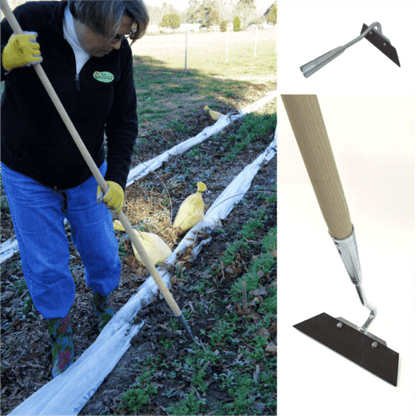
Draw hoes have a flat blade set at a right angle. They are perfect for chopping and pulling soil towards you. This type is great for creating furrows or breaking up soil clumps. Gardeners often use it for weeding and cultivating.
Scuffle Hoes
Scuffle hoes have a flat blade that is used parallel to the ground. These hoes cut weeds just below the soil surface. They are ideal for light weeding in loose soil. The back-and-forth motion makes them efficient and easy to use.
Stirrup Hoes
Stirrup hoes resemble a stirrup on a saddle. The open design allows soil and weeds to pass through. This hoe is great for cutting weeds at their roots. It is effective for weeding in both heavy and light soils. The rocking motion helps maintain soil health.
Key Features
The hoe garden tool is essential for maintaining a beautiful garden. Understanding its key features helps you choose the best tool for your gardening needs. Each component plays a vital role in its efficiency and durability.
Blade Material
The blade’s material impacts its strength and longevity. Stainless steel blades resist rust and last longer. Carbon steel blades are sharp and cut through soil easily. Choose the material based on your garden’s soil type.
Handle Length
Handle length affects comfort and control. Longer handles let you work standing up, reducing back strain. Shorter handles offer precision and are ideal for small spaces. Find the length that suits your gardening style.
Grip Design
Grip design ensures comfort during use. Ergonomic grips reduce hand fatigue and improve control. Non-slip materials prevent accidents in wet conditions. The right grip enhances your gardening experience.
Benefits In Landscaping
A hoe garden tool is essential for maintaining a neat landscape. It helps remove weeds and prepare soil easily. This tool enhances garden health by improving soil aeration and nutrient distribution.
The hoe garden tool is a versatile companion in landscaping, offering multiple benefits that enhance your gardening experience. Whether you’re a seasoned landscaper or a weekend gardener, a hoe can make your tasks more efficient and enjoyable. Let’s explore some key advantages it brings to your landscaping projects.Weed Control
Using a hoe for weed control is both practical and effective. With a simple back-and-forth motion, you can easily uproot unwanted plants, keeping your garden neat. This method saves time and reduces the need for chemical herbicides, making it a more eco-friendly choice.Soil Aeration
A hoe isn’t just for weeding; it’s also great for soil aeration. By gently breaking up the soil, it allows air, water, and nutrients to reach plant roots more effectively. This can lead to healthier plants and a more vibrant garden. Have you noticed how plants perk up after a good aeration session?Edge Definition
Defining edges in your garden can transform its appearance, giving it a polished and professional look. A hoe helps create clean, sharp lines between different sections, such as between flower beds and pathways. This simple tool can elevate your garden’s aesthetic, making it a joy to behold. Embrace the simplicity and effectiveness of a hoe in your landscaping efforts. Its benefits go beyond basic gardening tasks, contributing to a healthier and more beautiful outdoor space. Why not give it a try and see the difference it makes in your garden?Choosing The Right Hoe
Selecting the right hoe can simplify gardening tasks. Consider blade shape and handle length for comfort and efficiency. Find a hoe that suits your soil type and gardening needs to boost productivity.
Choosing the right hoe for your garden is essential. A hoe helps maintain your garden’s health. The choice depends on various factors. Consider garden size, personal comfort, and task-specific needs. Each factor affects your gardening experience. Let’s explore these aspects for an informed decision.Garden Size Considerations
Your garden’s size plays a vital role. For large gardens, a wide hoe saves time. It covers more ground with each pass. Small gardens need a more precise tool. A narrow hoe works well here. It allows for better control in tight spaces.Personal Comfort
Comfort is key in gardening. Choose a hoe with a comfortable handle. It reduces strain on your hands and wrists. Test the weight of the hoe. A lighter tool is easier to handle for long periods. Ensure the handle’s length suits your height. This prevents back strain and promotes good posture.Task Specific Needs
Different tasks require different hoes. A draw hoe is great for breaking soil. A scuffle hoe helps with weeding. It cuts weeds just below the surface. Choose a hoe that suits your specific gardening tasks. This makes your work more efficient and effective.
Credit: www.amazon.com
Maintenance Tips
Keep your hoe garden tool sharp and rust-free for efficient gardening. Clean the blade after each use to prevent dirt buildup. Store it in a dry place to avoid moisture damage. Regular maintenance ensures longevity and optimal performance of your gardening tool.
Maintaining your hoe garden tool is crucial for ensuring its longevity and effectiveness. Proper maintenance not only saves money but also makes gardening a more enjoyable experience. This section will guide you through essential tips to keep your hoe in top shape.Cleaning Routine
Regular cleaning is vital for your hoe. After each use, remove soil and debris with a stiff brush. This simple step prevents rust and keeps your tool ready for the next task. For more thorough cleaning, wash the hoe blade with soapy water. Dry it completely to avoid moisture damage. A clean hoe is a happy hoe, and it works better too!Sharpening Techniques
A dull hoe can make gardening a chore. Keep it sharp for efficiency. Use a flat file or sharpening stone, holding the blade at a consistent angle. Work in smooth strokes along the edge. Aim for a beveled edge that cuts through soil with ease. Regular sharpening makes your job easier and your plants happier.Storage Solutions
Storing your hoe properly extends its lifespan. Always store it in a dry place to prevent rust. Hang it on a wall or place it on a tool rack to avoid bending the handle. Consider using a blade cover for added protection. This simple step ensures your hoe is ready for action whenever you need it.Common Mistakes To Avoid
Using a hoe effectively in your garden is a skill that can greatly enhance your gardening experience. However, many people unknowingly make common mistakes that can hinder their progress. By being aware of these pitfalls, you can ensure your hoe remains a valuable tool in your gardening arsenal. Let’s explore the mistakes you should avoid.
Improper Usage
One of the most frequent errors is using the hoe incorrectly. A hoe isn’t meant to dig deep; it’s designed for surface work like weeding and soil aeration. Applying excessive force can damage plants and disturb the soil structure. Instead, focus on gentle strokes to remove weeds without uprooting your prized plants.
Have you ever found yourself frustrated because your hoe didn’t seem effective? It could be due to the angle at which you’re using it. Adjust the angle to match the task—steeper for breaking soil crust and flatter for weeding. This small change can make a significant difference.
Neglecting Maintenance
Maintenance is crucial for keeping your hoe in top condition. Neglecting it can lead to rust and dull blades. A simple habit of cleaning your hoe after each use can prevent this. Wipe off soil and moisture, and occasionally sharpen the blade to retain its effectiveness.
Do you remember the last time you checked your hoe for wear and tear? Regular inspections can help you identify issues like loose handles or worn blades before they become major problems. Treat your hoe as you would a trusted friend—take care of it, and it will take care of your garden.

Credit: www.amazon.com
Innovative Hoe Designs
Explore innovative hoe designs that enhance gardening efficiency. These tools offer comfort, durability, and precision in soil cultivation. Simplifying tasks, they cater to both novice and seasoned gardeners.
Innovative hoe designs have transformed this age-old garden tool into a must-have for modern gardeners. These new designs focus on enhancing user comfort and multitasking capabilities. Let’s delve into some of the most exciting innovations that are changing how we approach gardening.Ergonomic Designs
Gardening can be tough on your back and joints, especially after a long day of work. Ergonomic hoe designs aim to reduce this strain by focusing on your comfort. Imagine a hoe with a curved handle that fits naturally into your hand, reducing wrist tension. Some models even feature adjustable handles, so you can customize the length to suit your height. This small change can make a big difference in how you feel after a day of gardening.Multi-functional Tools
Why clutter your shed with multiple tools when a single one can do the job? Multi-functional hoes are designed to tackle various gardening tasks with ease. Consider a hoe that can not only break up soil but also edge your lawn and cut through tough roots. These multi-functional tools save you time and storage space, making gardening more efficient. Have you ever used a tool that felt like it was made just for you? These innovative designs could be the solution to your gardening woes, offering both comfort and versatility in one sleek package.Environmental Impact
The hoe is a classic garden tool. It plays a vital role in sustainable gardening. Its impact on the environment is noteworthy. Using a hoe can lead to greener gardening practices. Let’s explore how this tool supports environmental health.
Sustainable Materials
Many hoes are crafted from sustainable materials. Manufacturers often use recycled metal for blades. This reduces the need for new resources. Handles are sometimes made from bamboo. Bamboo grows quickly and replenishes fast. Choosing these materials helps conserve natural resources.
Reducing Soil Disruption
Hoes help reduce soil disruption. They allow gardeners to till soil gently. This keeps soil structure intact. Good soil structure retains water better. It also supports healthy microorganisms. These factors lead to healthier plant growth.
Using a hoe limits the need for machines. Machines can compact soil. Compacted soil harms plant roots. A hoe’s gentle touch prevents this issue. This makes it an eco-friendly choice for gardening.
Frequently Asked Questions
What Is The Difference Between A Spade And A Hoe?
A spade is a digging tool with a flat, rectangular blade. A hoe has a thin, flat blade for weeding and soil cultivation. Spades are ideal for planting and moving soil. Hoes are best for removing weeds and shaping soil beds.
Both are essential gardening tools.
What Is A Hoes Garden Tool?
A hoe is a gardening tool used to shape soil, remove weeds, and clear soil surface. It’s essential for cultivating, aerating, and maintaining garden beds, ensuring plants grow efficiently. This versatile tool helps gardeners manage soil health and weed control effectively.
What’s The Difference Between A Hoe And A Shovel?
A hoe is used for weeding and soil cultivation, featuring a flat blade. A shovel, designed for digging and moving materials, has a curved blade. Both are essential gardening tools with different functions. Use them as needed for effective gardening tasks.
What’s The Difference Between A Hoe And A Rake?
A hoe is used for digging and shaping soil, while a rake gathers leaves and debris. Hoes have flat blades, rakes have tines. Hoes break up soil, rakes smooth surfaces. Both are essential gardening tools but serve different purposes in garden maintenance.
Conclusion
A hoe is a must-have tool for every gardener. Simple yet effective. It makes soil preparation easy and quick. Weeds stand no chance against its sharp edge. Gardens flourish when tended with care. A hoe helps achieve healthy, beautiful plants.
Its versatility is ideal for small or large gardens. Choosing the right hoe matters. Durable material ensures long-lasting use. Regular maintenance keeps it efficient. Happy gardening starts with the right tools. Your plants will thank you for it. Enjoy the satisfaction of seeing your garden thrive.
With a hoe, gardening becomes a joyful experience.